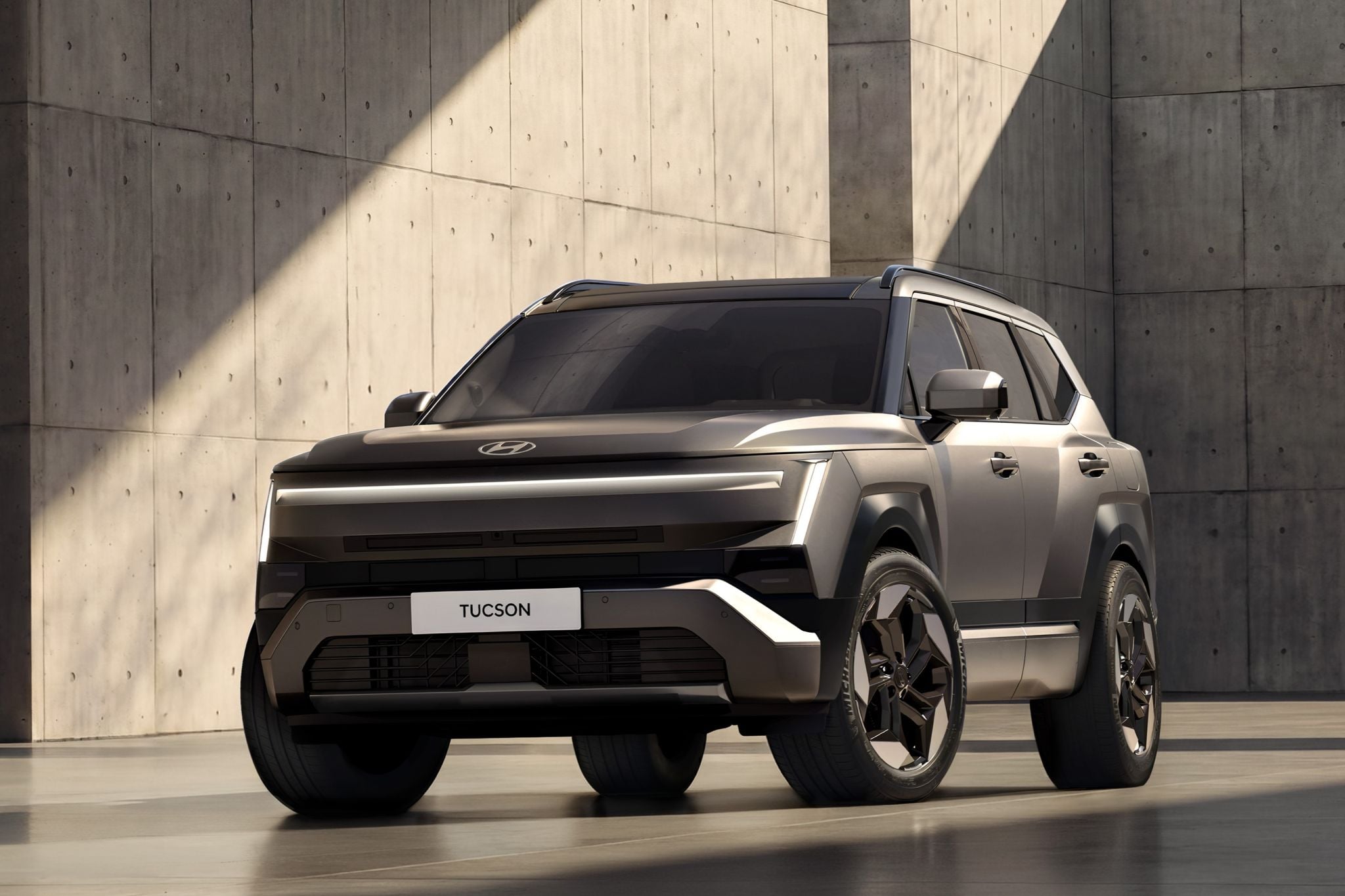
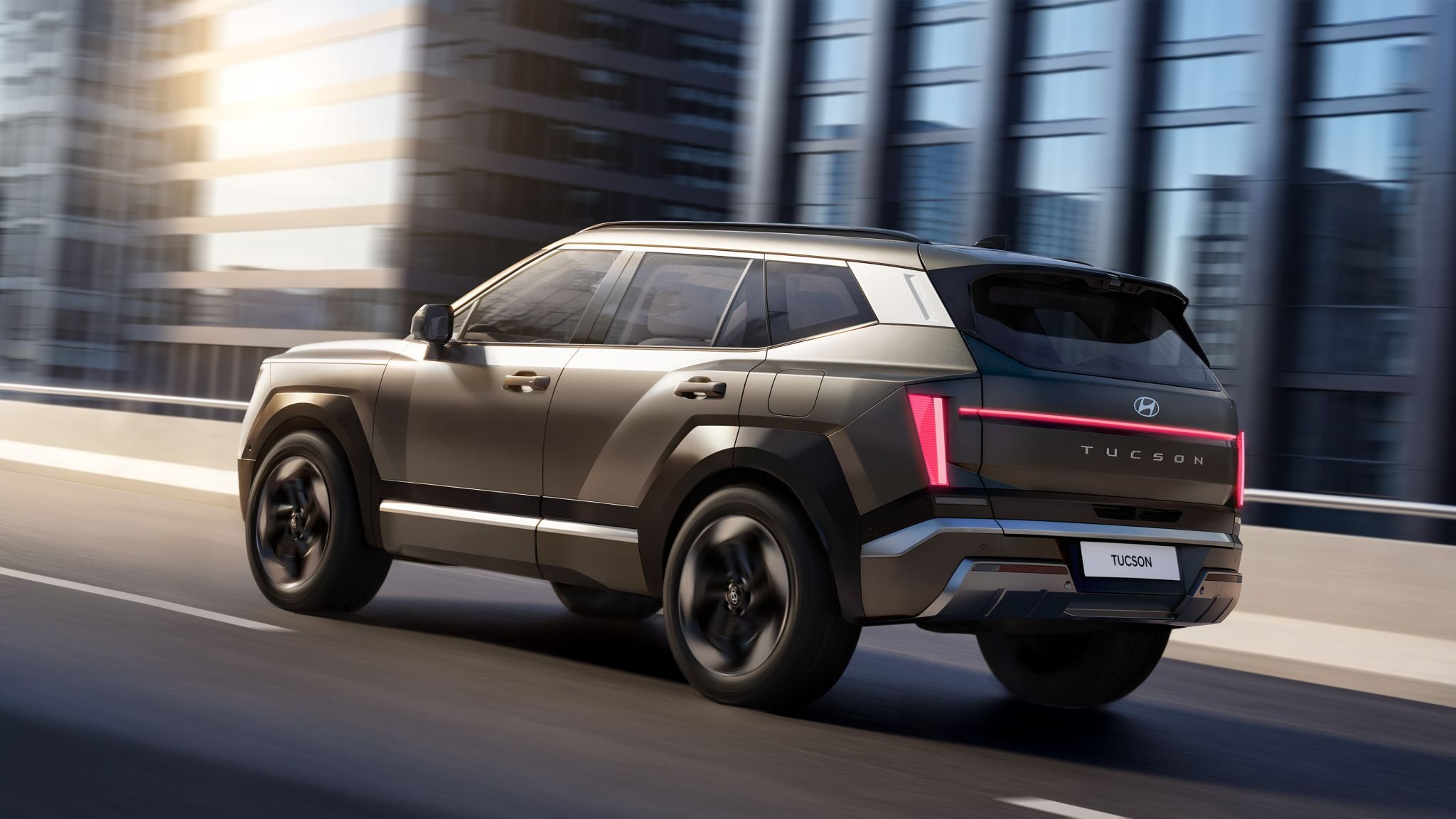
Hyundai unveiled this Wednesday (19), in South Korea, the fifth generation of the Tucson – and the SUV was unrecognizable. Instead of the fluid curves that marked the current model, the brand adopted straight lines, voluminous fenders and vertical light signatures, within the new design language called “Art of Steel”. The car also grew in all directions, but the manufacturer did not disclose a single line about mechanics.
The aesthetic turn is not a consensus and already divides enthusiasts, repeating the script of other recent launches of the South Korean brand, such as the Santa Fe. By betting on a “square” design, Hyundai joins a trend that has been gaining strength among SUVs from several manufacturers — and takes the risk of beating rivals who have historically played it safe.
Vertical headlights and echoes of the Boulder
conceptAt the front, vertical daytime running lights called “H-edge” flank a horizontal light bar, which uses indirect lighting to soften the glare. The sides gained sculpted fenders and deep horizontal creases, which create a play of light and shadow along the doors. At the rear, the taillights adopt lenses with a three-dimensional prism structure, complemented by vertical elements at the bottom of the bumper and by an apparent sump guard.
Photo: Hyundai | Disclosure
More space and a panel dominated by screens
The new Tucson measures 4.70 m long (6 cm more than the current one), 1.90 m wide (4 cm more) and 1.68 m high. The wheelbase rose 3 cm, to 2.78 m. In practice, the second row has gained 2.9 cm of internal height — now at 1.03 m — and the rear doors open at an angle of 83 degrees, against 73 degrees of the previous model, which makes it easier to get in and out.
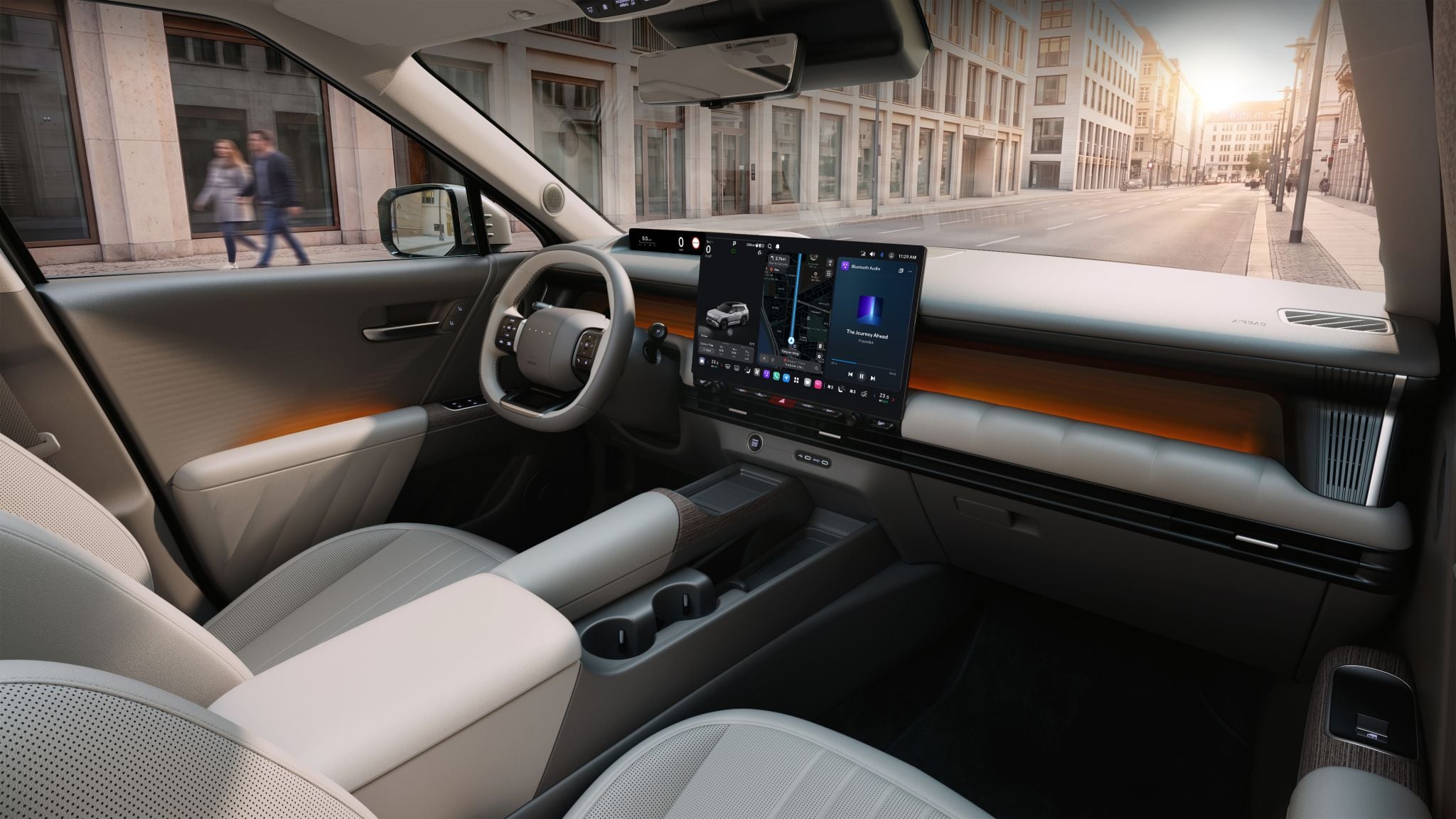
Inside, the panel has a horizontal layout , with a floating top piece separated by continuous air diffusers. A large central screen concentrates the multimedia system, and the steering wheel has a flat rim at the top and bottom to improve the view of the instrument panel. The list includes a dual induction charger, a card holder next to the driver’s diffuser and a hidden compartment. There are eight external colors and four internal combinations.
The return of the XRT version is also confirmed, with a rectangular grille, wider front sump guard, black moldings on the fenders with a texture that imitates carbon fiber, exclusive rear bumper and wheels and an LED light built into the trunk lid.
Photo: Hyundai | Disclosure
What Hyundai did not tell is what most interests those who will drive: power, engines and any hybrid systems remain confidential. Sales begin in South Korea later this year, and the North American version is expected to be detailed in September.
Here, the consumer watches from the outside. The Tucson stopped being produced in Brazil in April 2025, after the end of the partnership between Hyundai and the CAOA Group, and left the national portfolio in 2026, when the last stock units were sold out. There is no official sign about the arrival of the new generation in the country.
Comments are the sole responsibility of their authors and do not represent the opinion of this site. Comments containing profanity or offensive language will not be published. If you identify anything that violates the terms of use, please report it.