A Porsche Macan became a mobile ICU in the mountains of England
John Ferris' Porsche Macan GTS has flares, snow chains and carries the equivalent of a mobile ICU; on his days off, it's the family car
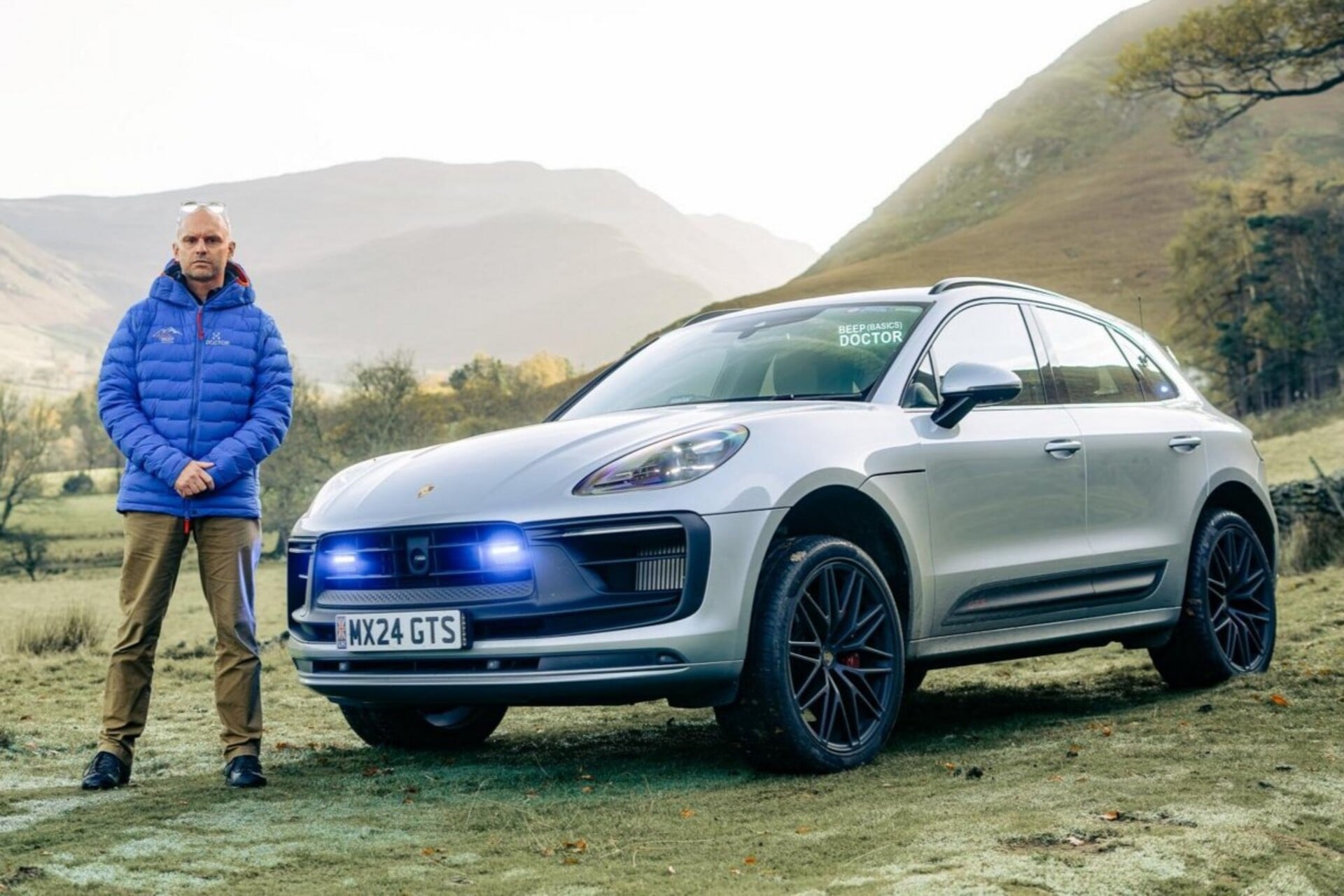
Dr. John Ferris and his Porsche Macan GTS retrofitted with emergency lights in the mountains of the Lake District in England (Photo: Porsche | Disclosure)
In the Lake District, a mountainous region in northwest England, the emergency vehicle that usually arrives first is not an ambulance: it is a Porsche Macan GTS with a siren and blue and green lights. It belongs to British doctor John Ferris, a specialist in emergency medicine and pre-hospital care, who uses it to bring intensive care treatment to patients in places where a conventional vehicle does not reach – or takes too long.
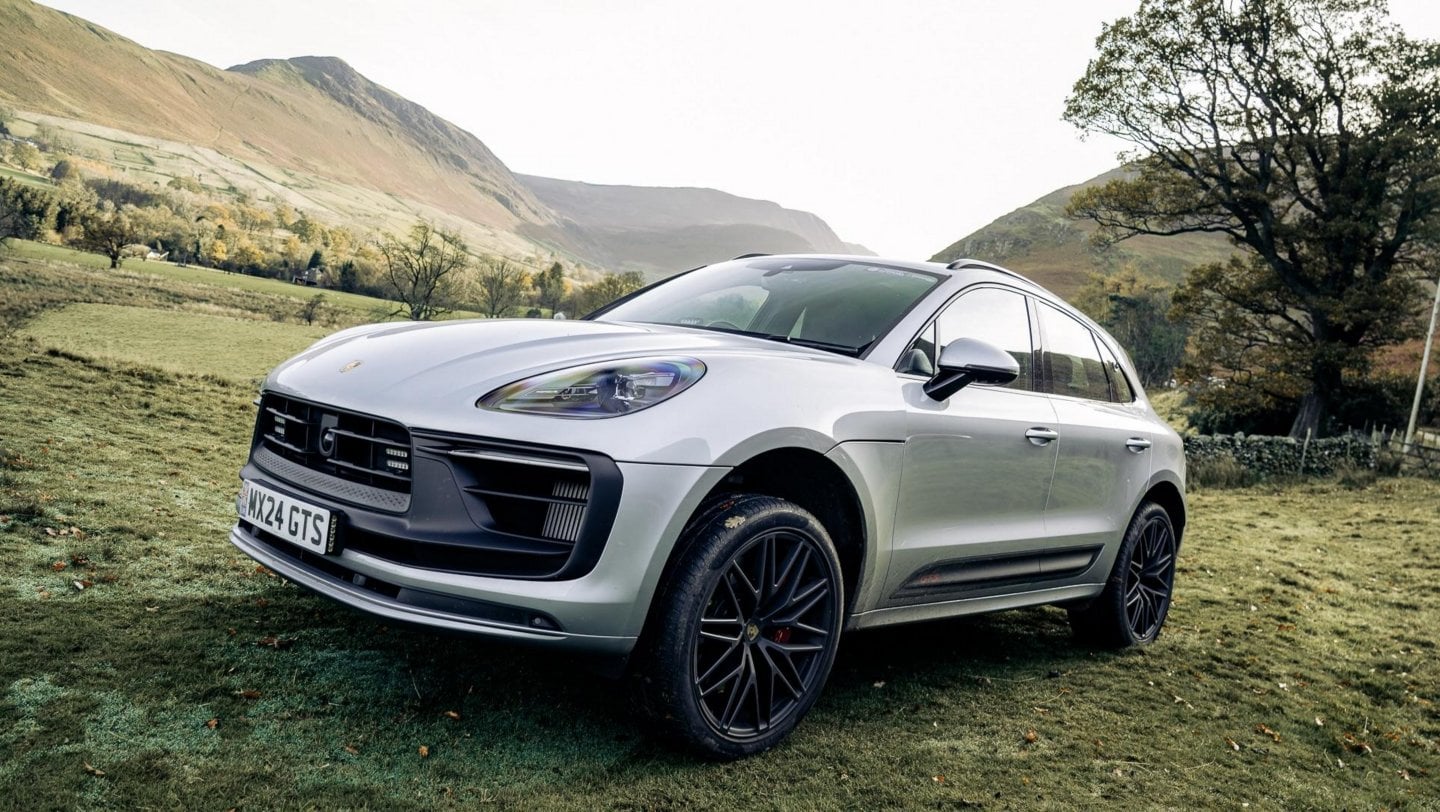
Photo: Porsche | Disclosure
Ferris’ coverage area is about 7,800 km², five times the territory of the city of São Paulo, and ranges from coastal villages to deep valleys and steep slopes. The fixed population is small, but the flow of tourists reaches almost 10 million people a year, most of them attracted by risky activities such as climbing and mountain running. When something goes wrong, the referral hospital may be two and a half hours away.
Why a Macan GTS, and not an ambulance
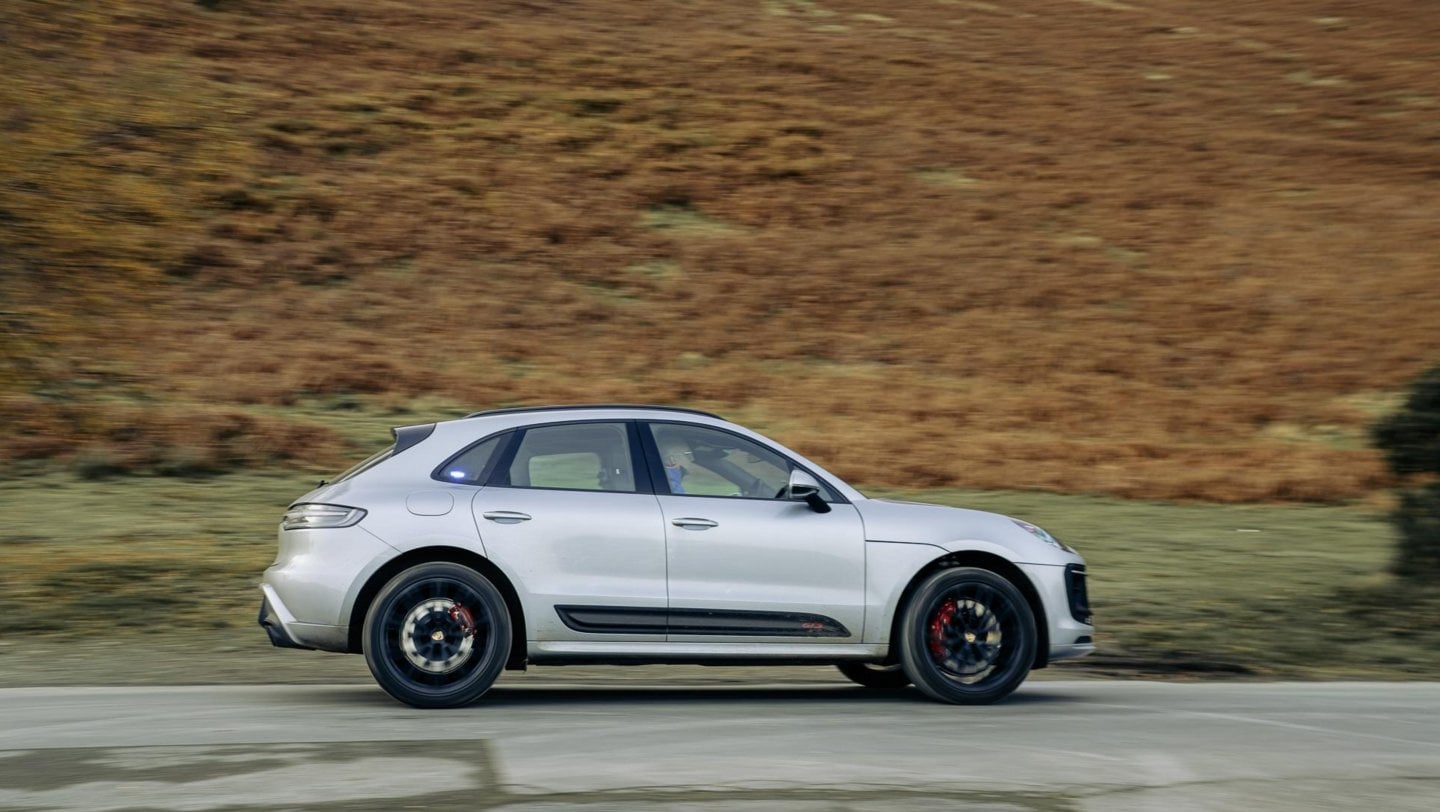
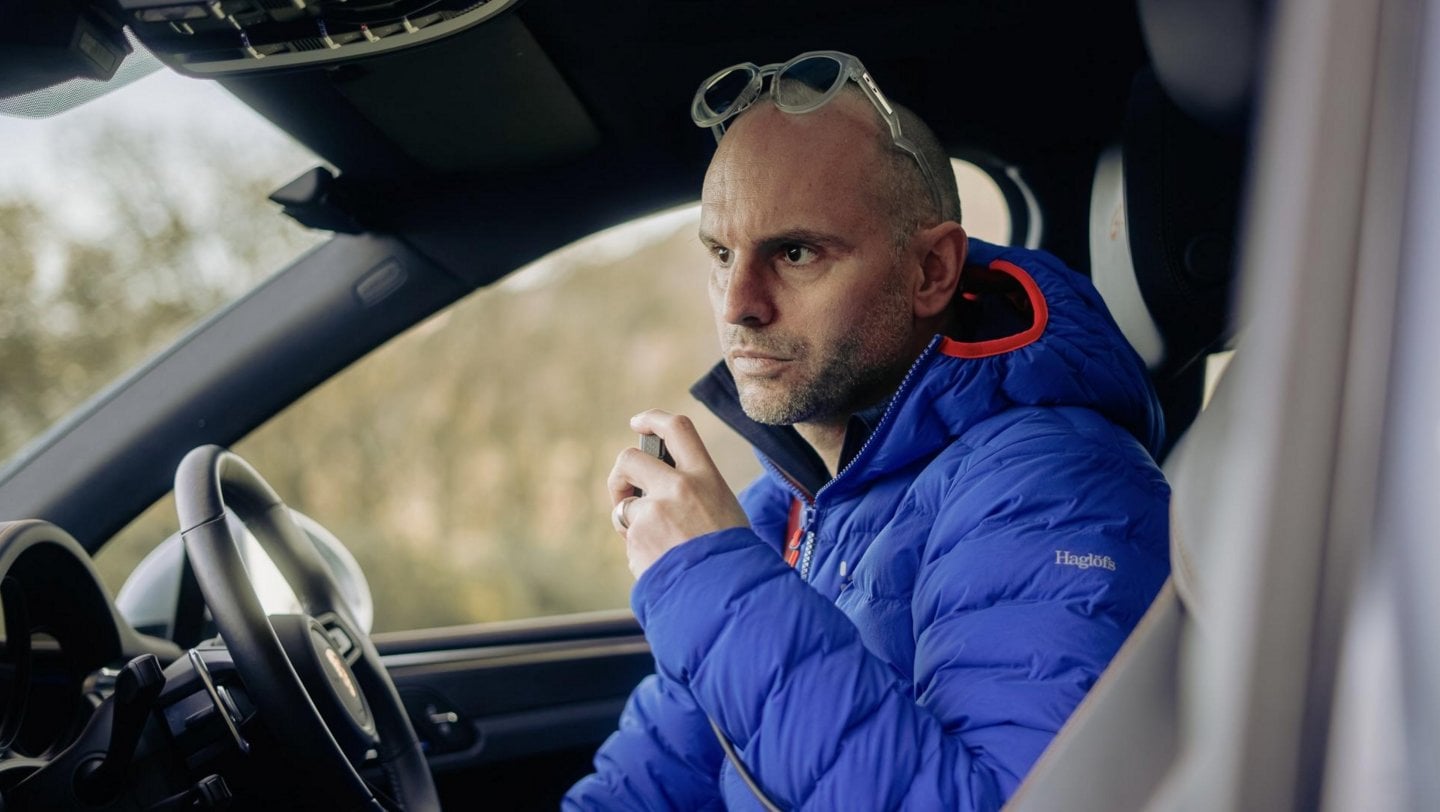
Ferris volunteers with three emergency care organizations, including BEEP Doctors, and shares his schedule with shifts in the NHS, the British public health system, in addition to flying with the Great North Air Ambulance Service and supporting the local mountain rescue team. The choice of the car followed practical criteria: trunk large enough for all the equipment, speed and overtaking capacity to drive safely in an emergency code through narrow and winding roads.
“Not many vehicles meet all these requirements,” says the doctor. The modifications are discreet — siren and flares — and in winter the SUV receives specific tires and snow chains. Outside of work, the same car takes the family on vacation trips.
Photo: Porsche | Disclosure
A self-declared car enthusiast, Ferris admits that the 911 is the Porsche he would like to have. The routine of transporting the equivalent of a mobile ICU and the logistics with the children, however, keep the sports car out of the question.
Surgery in the middle of the slope
Ferris’ work involves procedures that normally only take place within a hospital. In one of the cases he reported, a climber fell into the Langdale Valley and suffered head trauma and collapsed lungs. It was 45 minutes of rural roads to the site, where the patient was stabilized while still on the mountain before being taken by helicopter to the hospital. He recovered.
Photo: Porsche | Disclosure
In another instance, a mountain runner went into cardiac arrest after severe hypothermia during a winter night workout. The rescue required the team to go up on foot carrying the equipment. According to Ferris, the patient remained in detention for about five hours until he was resuscitated and transferred to a specialized hospital, where he was rewarmed. He also returned to training.
Among the procedures that the team performs in the field are anesthesia at the scene of the accident, chest drainage to reinflate the lungs and blood transfusion. His interest in the profession, says the doctor, began at the age of five or six, inspired by TV programs about emergency services.
Comments are the sole responsibility of their authors and do not represent the opinion of this site. Comments containing profanity or offensive language will not be published. If you identify anything that violates the terms of use, please report it.