Hyundai unveils Ioniq 3, compact electric hatch with up to 496 km of range
Entry-level model of the electric family debuts in Europe with Android Automotive system and keeps physical buttons on the dashboard in the name of ergonomics
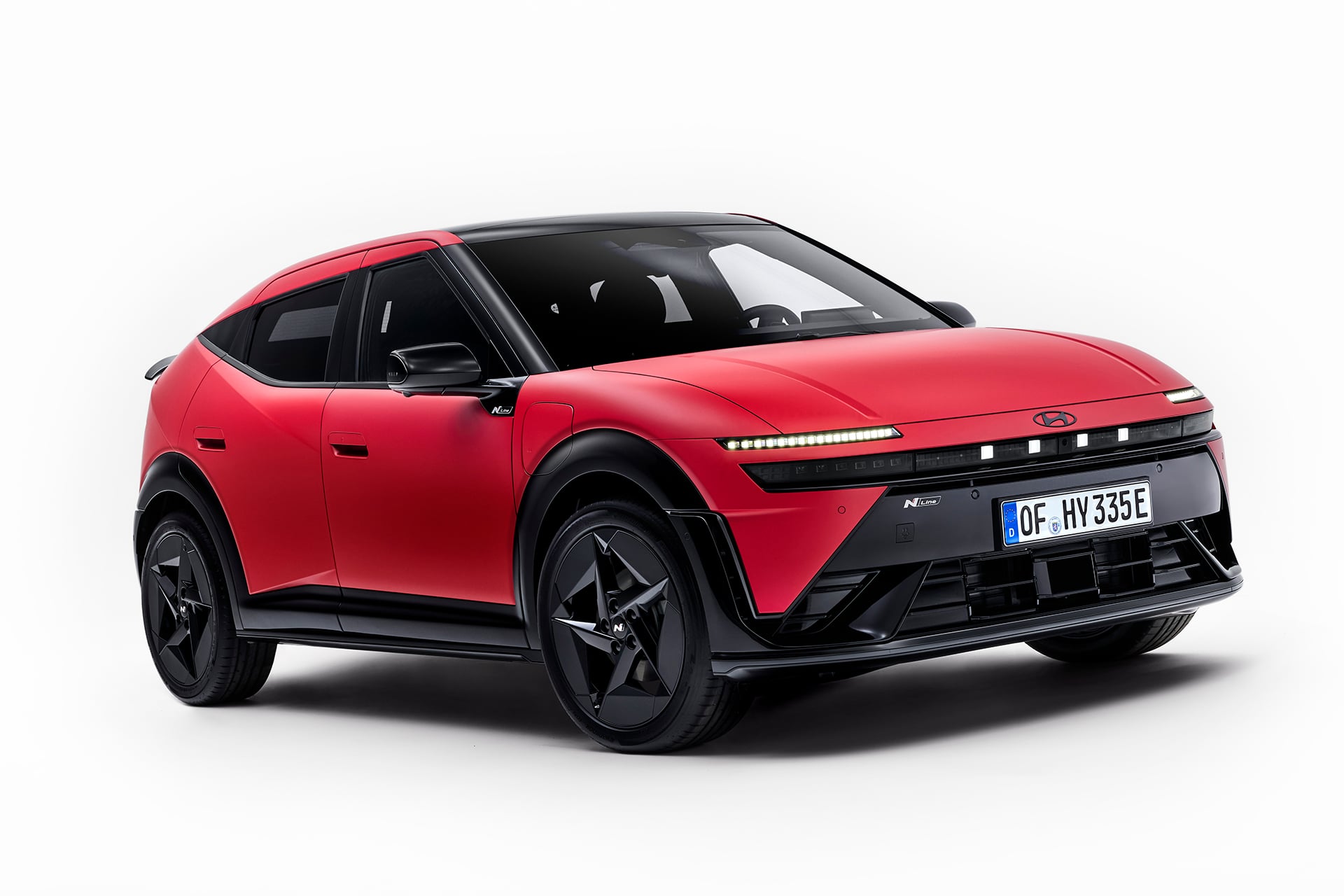
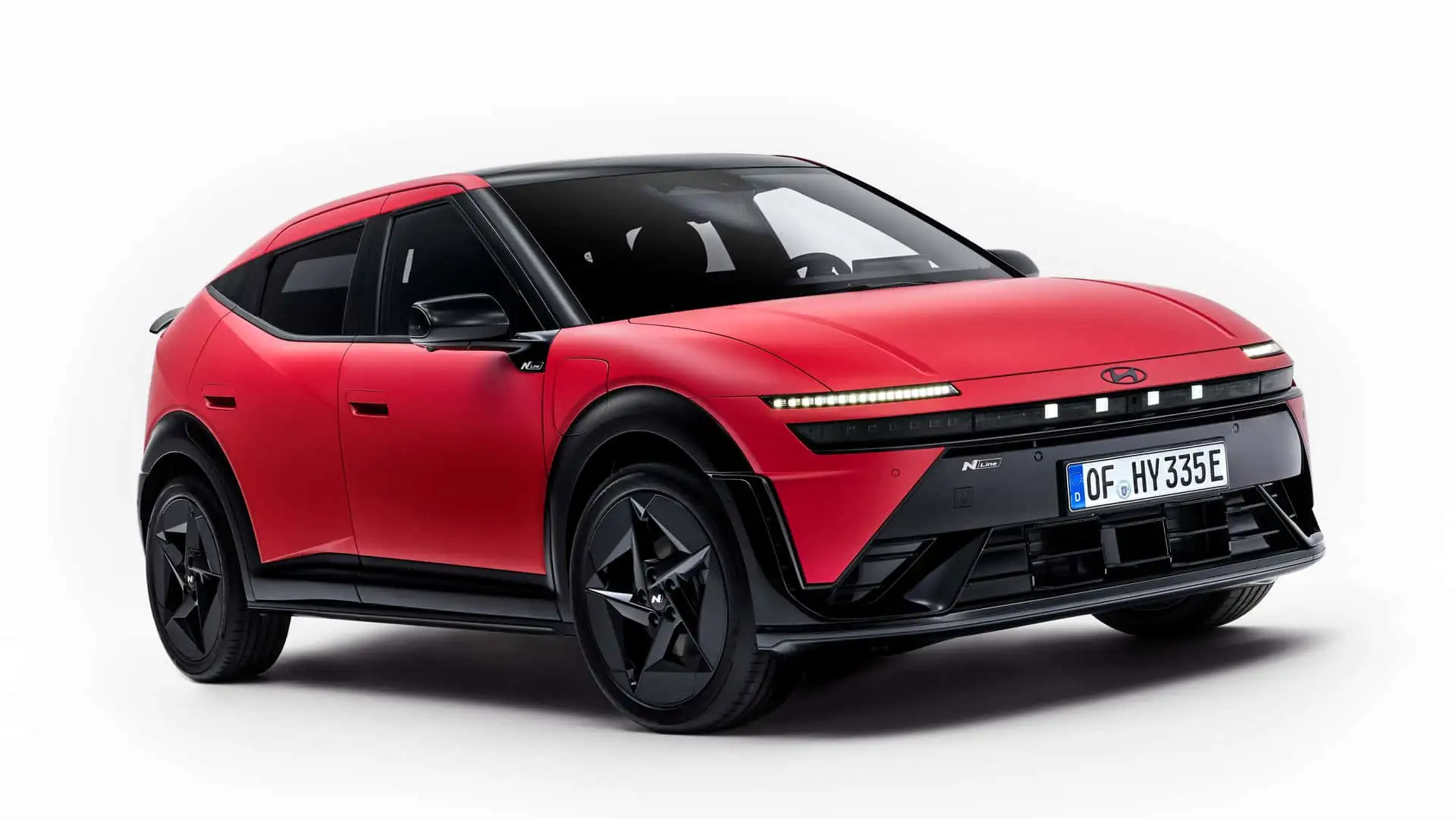
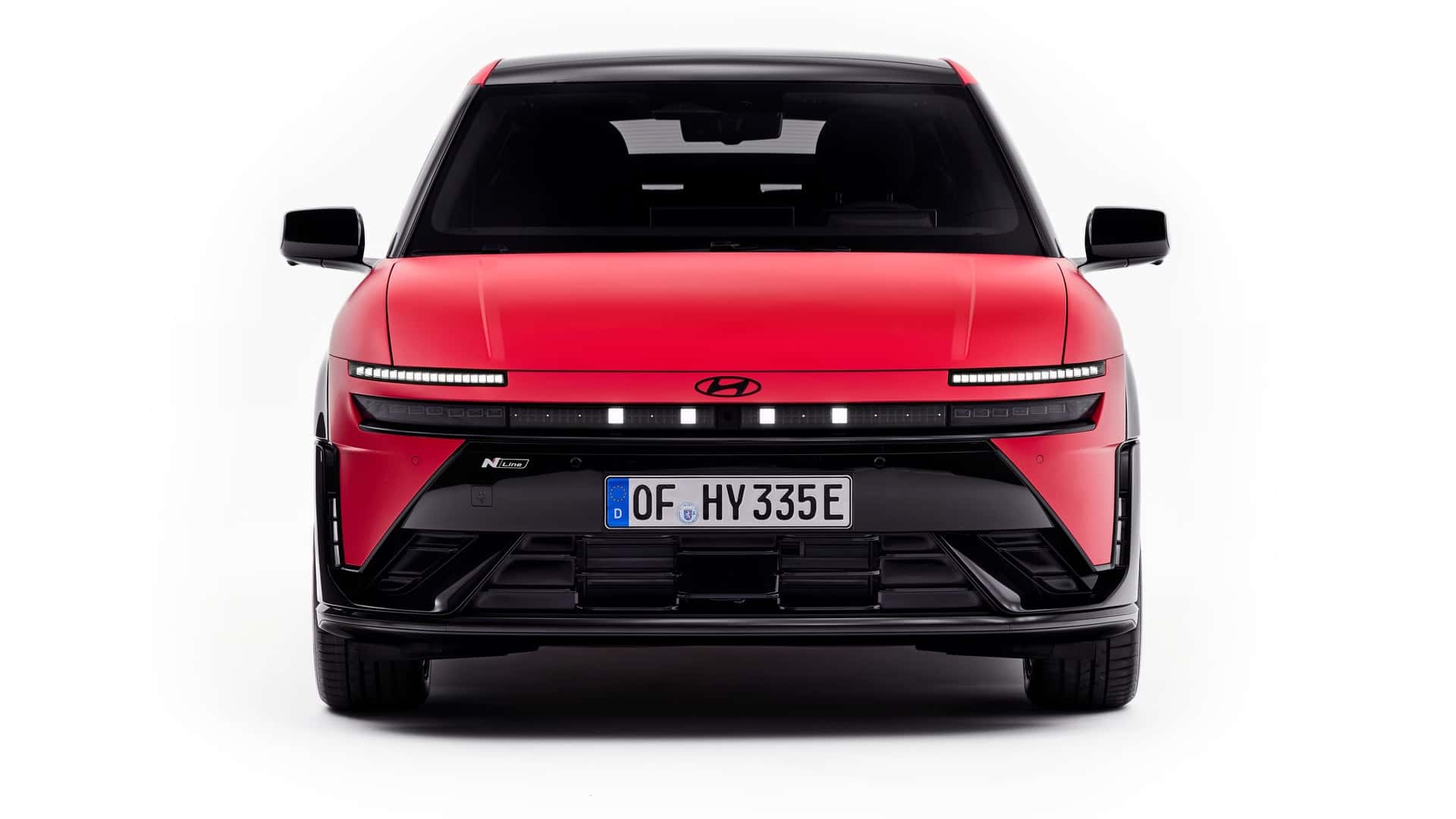
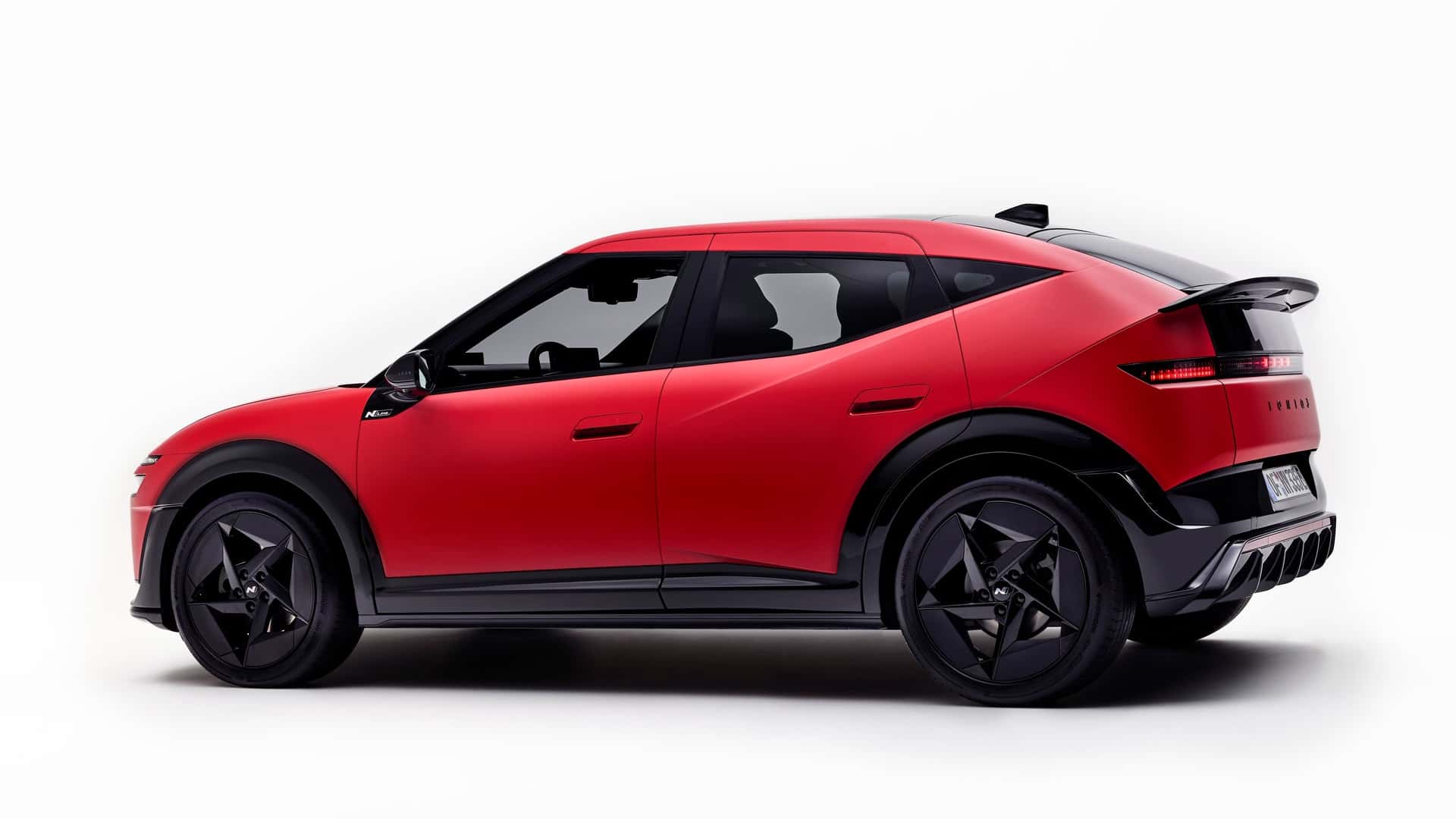
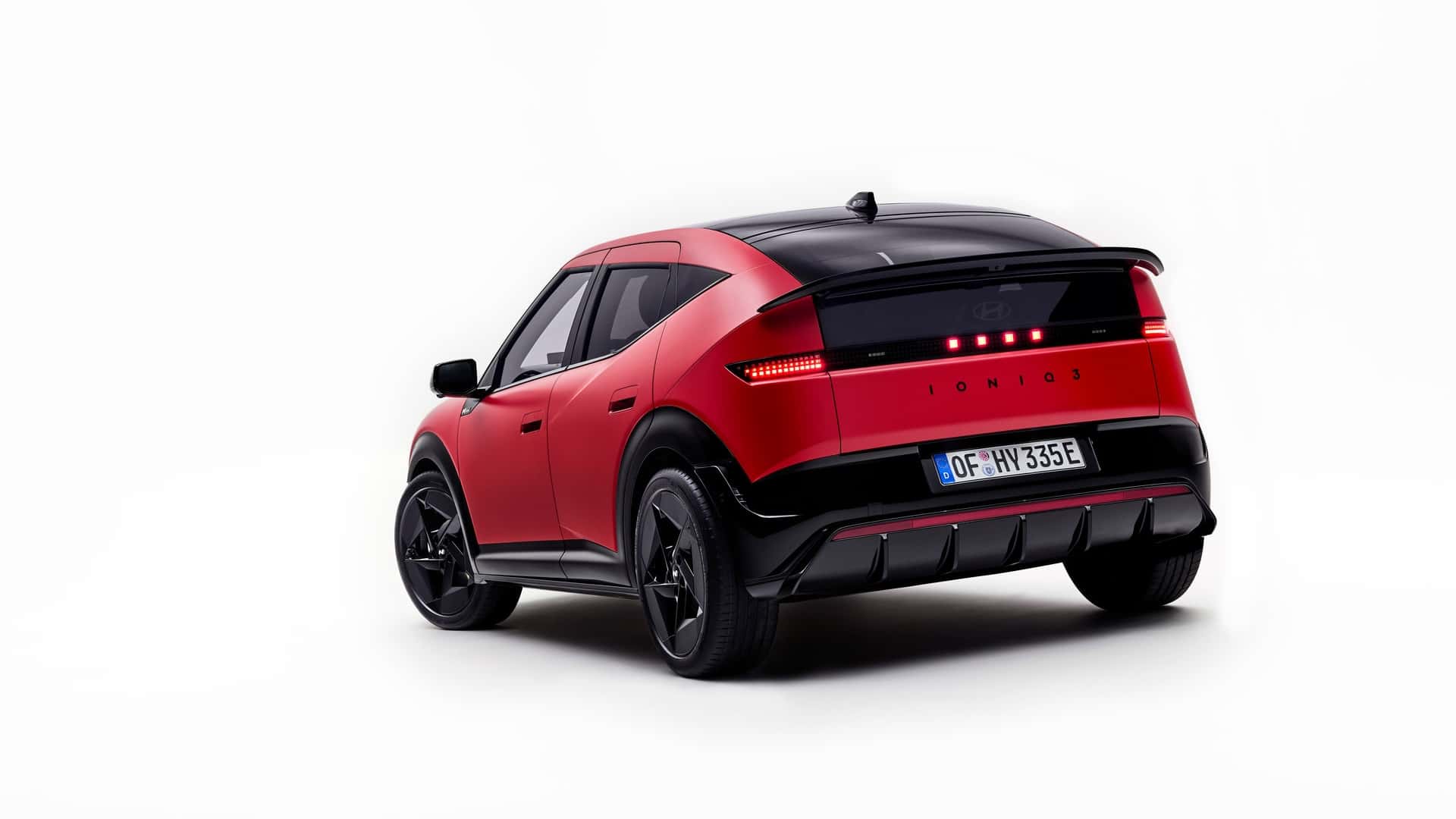
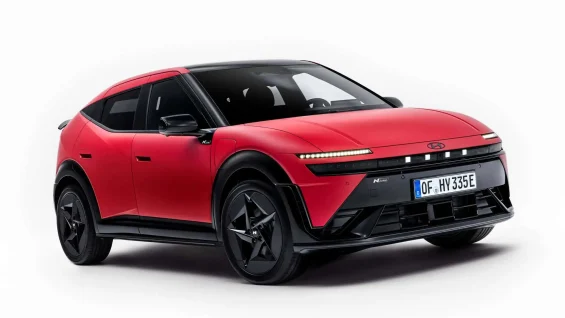
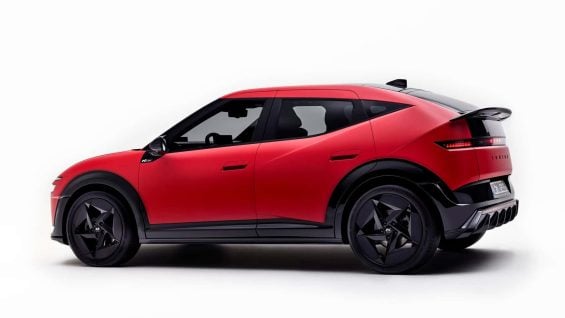
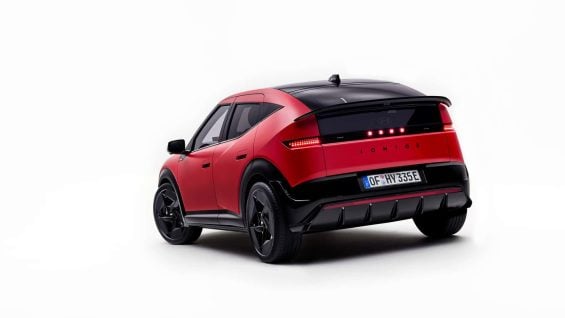
Hyundai Ioniq 3 is the smallest model in the South Korean brand's electric family (Photo: Hyundai | Disclosure)
By
Júlia Haddad Published on 2026-04-22 at 08:00 PM
Updated on 2026-04-22 at 08:15 PM
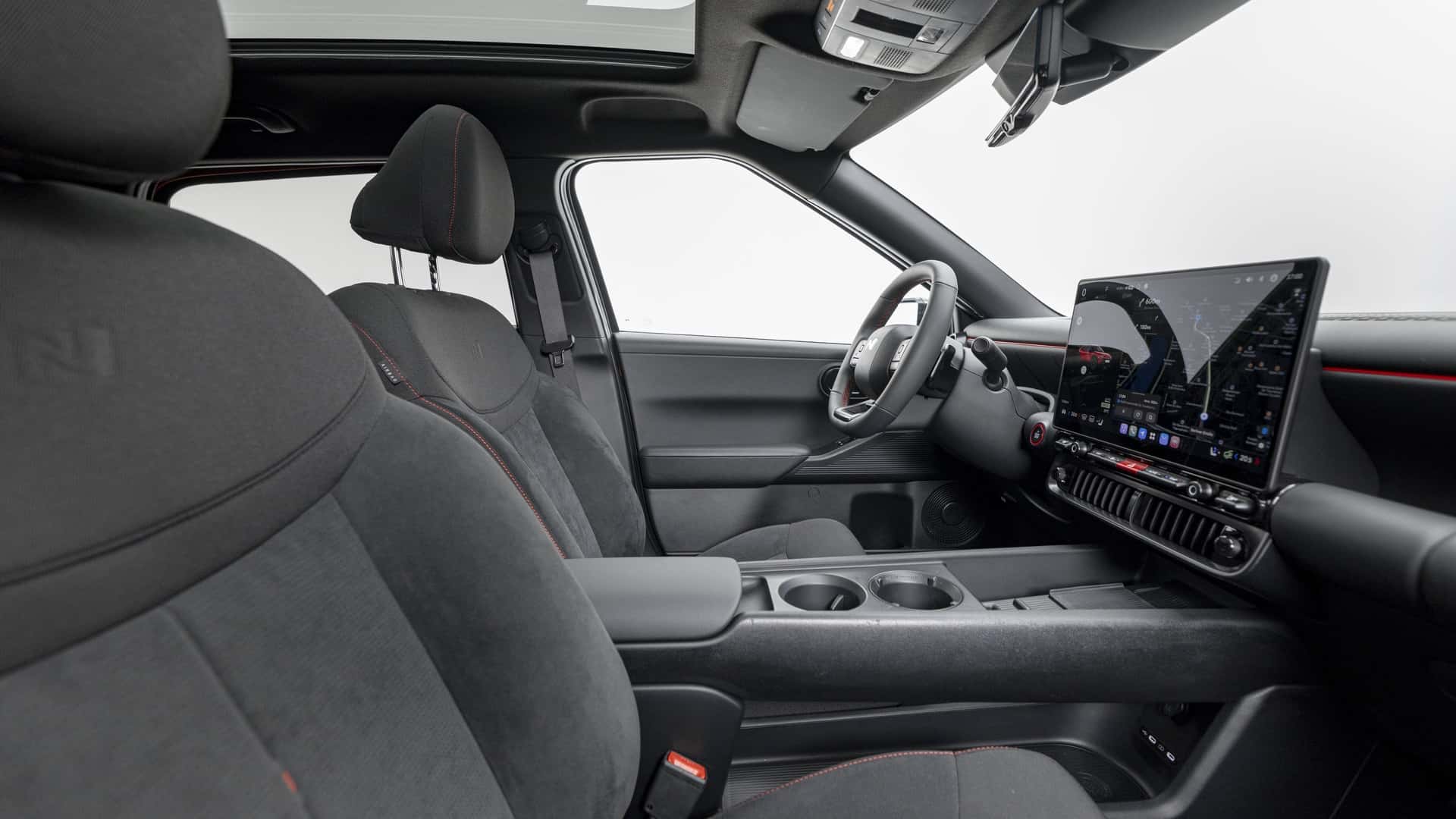
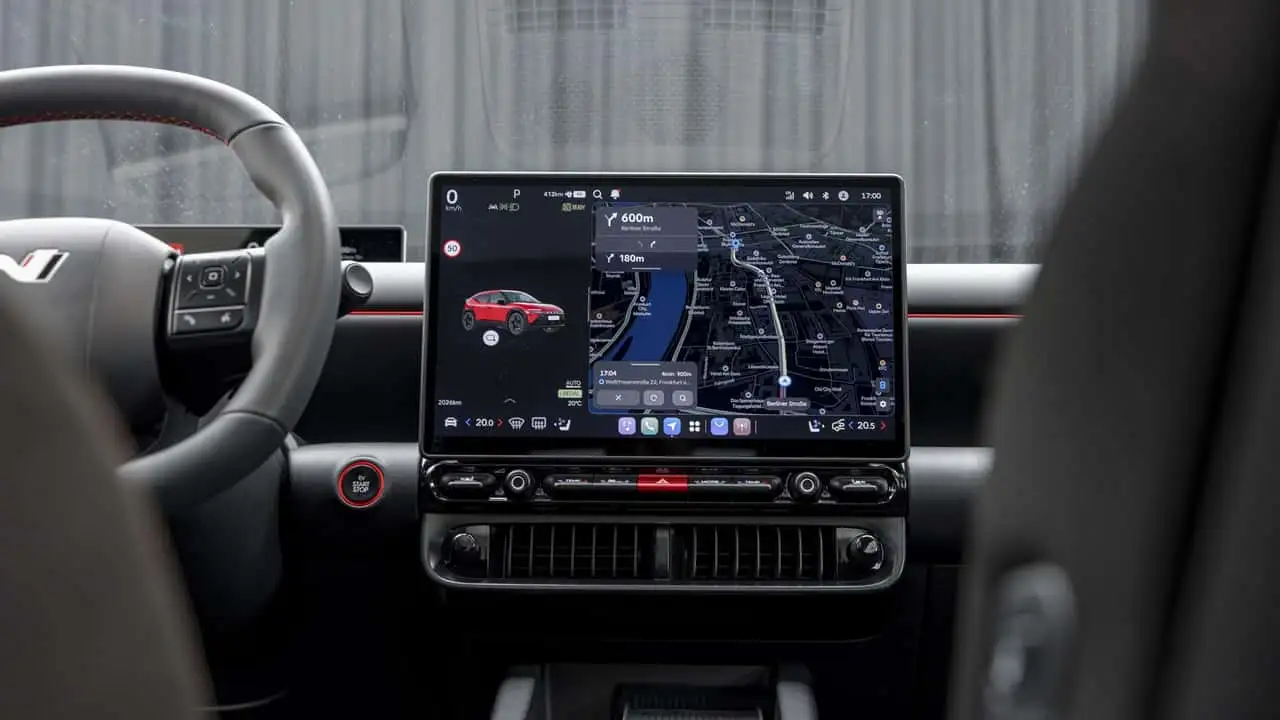
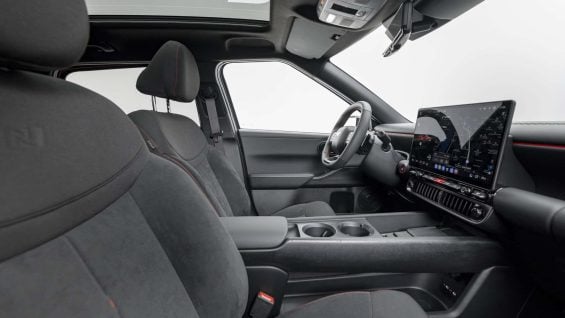
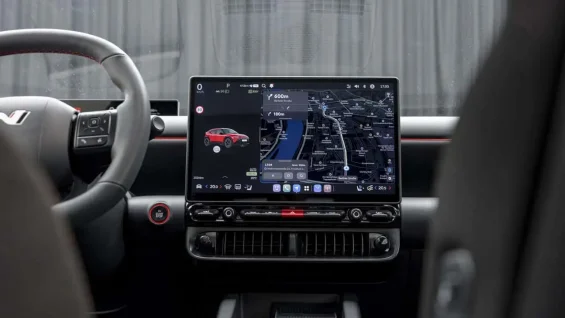
Hyundai has made official the arrival of the Ioniq 3, its new compact electric hatchback developed specifically to meet the demands of urban mobility in Europe. Positioned as the gateway to the brand’s electric line, the model is the first in the continental portfolio to adopt the Pleos Connect multimedia system — an interface based on Android Automotive that marks a new phase of technological integration at the South Korean manufacturer.
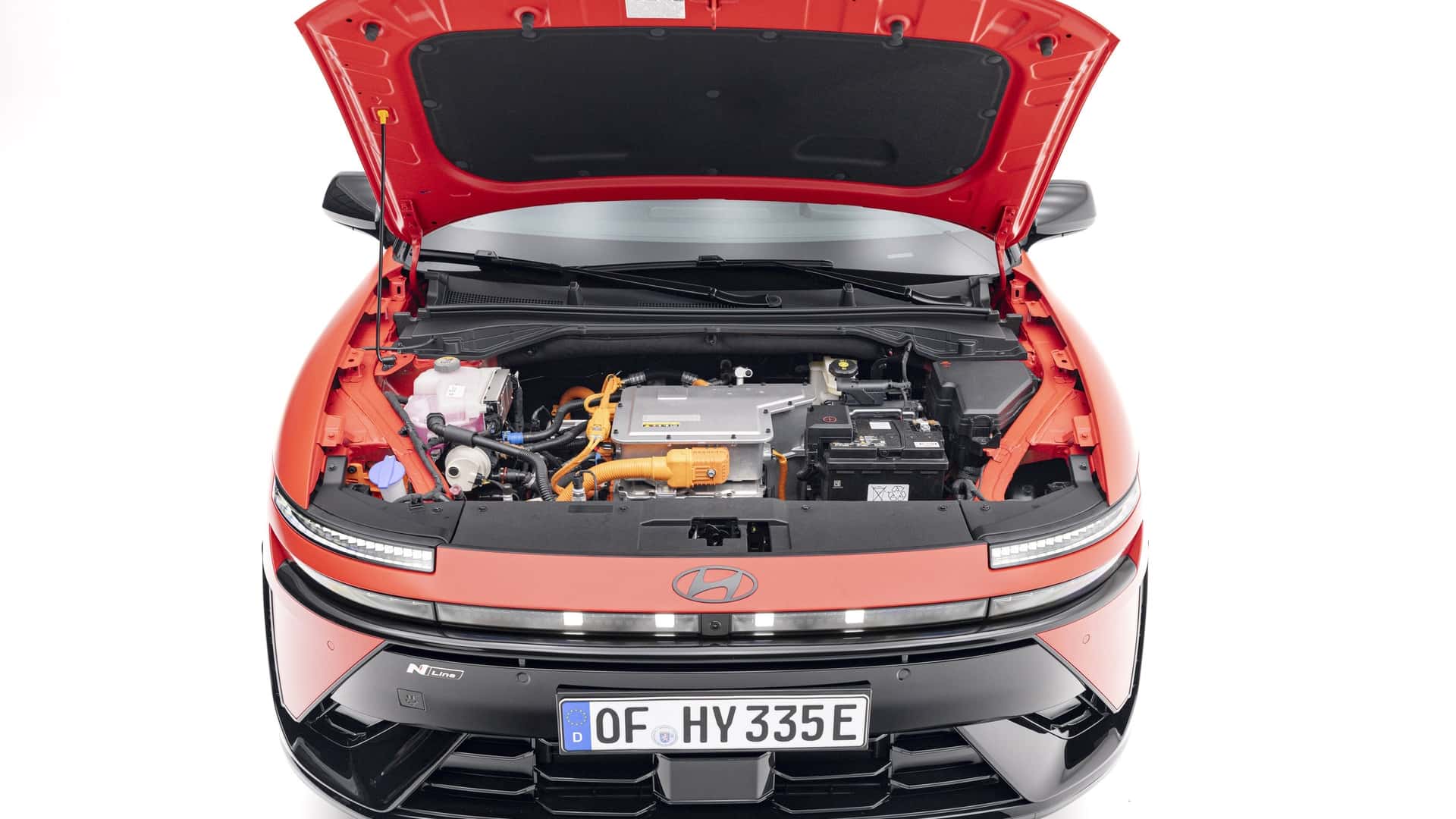
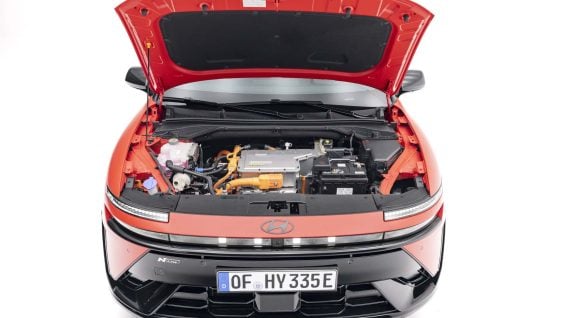
Built on the 400-volt E-GMP architecture, the Ioniq 3 prioritizes space efficiency by giving up the front trunk to optimize the cabin. The entry-level version, called Standard Range, delivers 147 hp and is powered by a 42.2 kWh battery, which guarantees a range of 343 km under the WLTP cycle. For those looking for more road range, the long-range configuration uses 61 kWh cells to achieve up to 496 km of autonomy, although the power is slightly reduced to 135 hp for the sake of efficiency. Both versions share 25,5 kgfm and a top speed of 169 km/h.
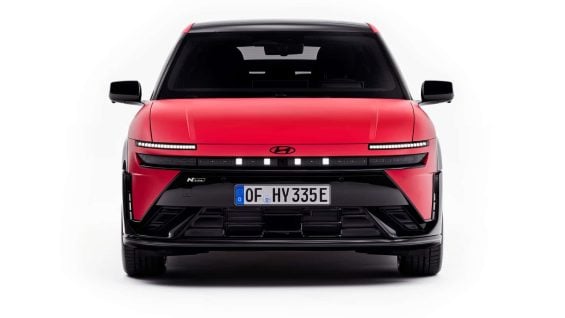
In design, the 4.15-meter hatch incorporates the visual language “Art of Steel”, featuring clean lines that result in an aerodynamic coefficient of 0.263. Internally, Hyundai resists the trend of absolute digitalization: despite screens that reach 14.6″, the model preserves physical commands for volume and climate control — a response to criticism about the complexity of using touch screens while driving.
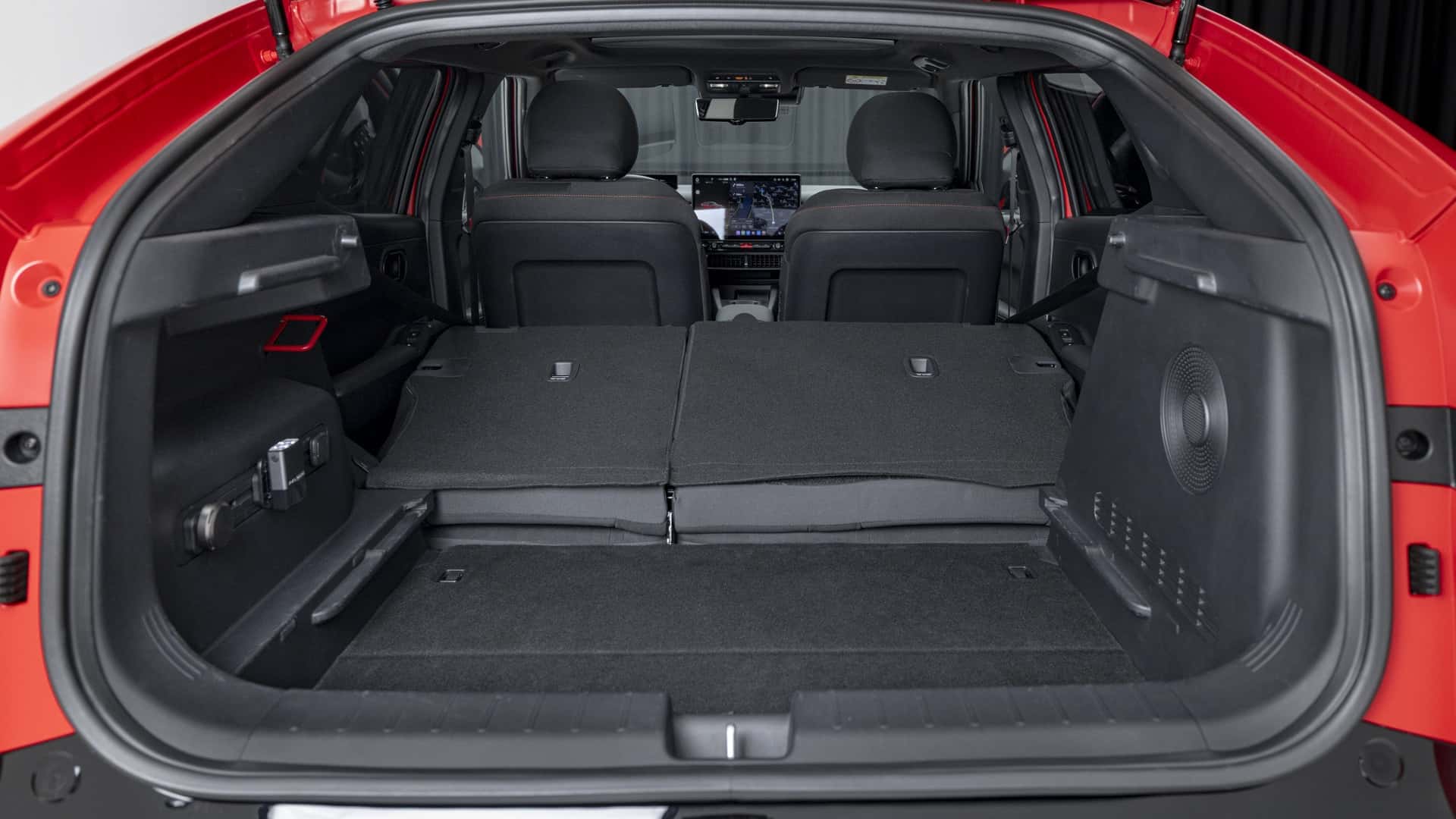
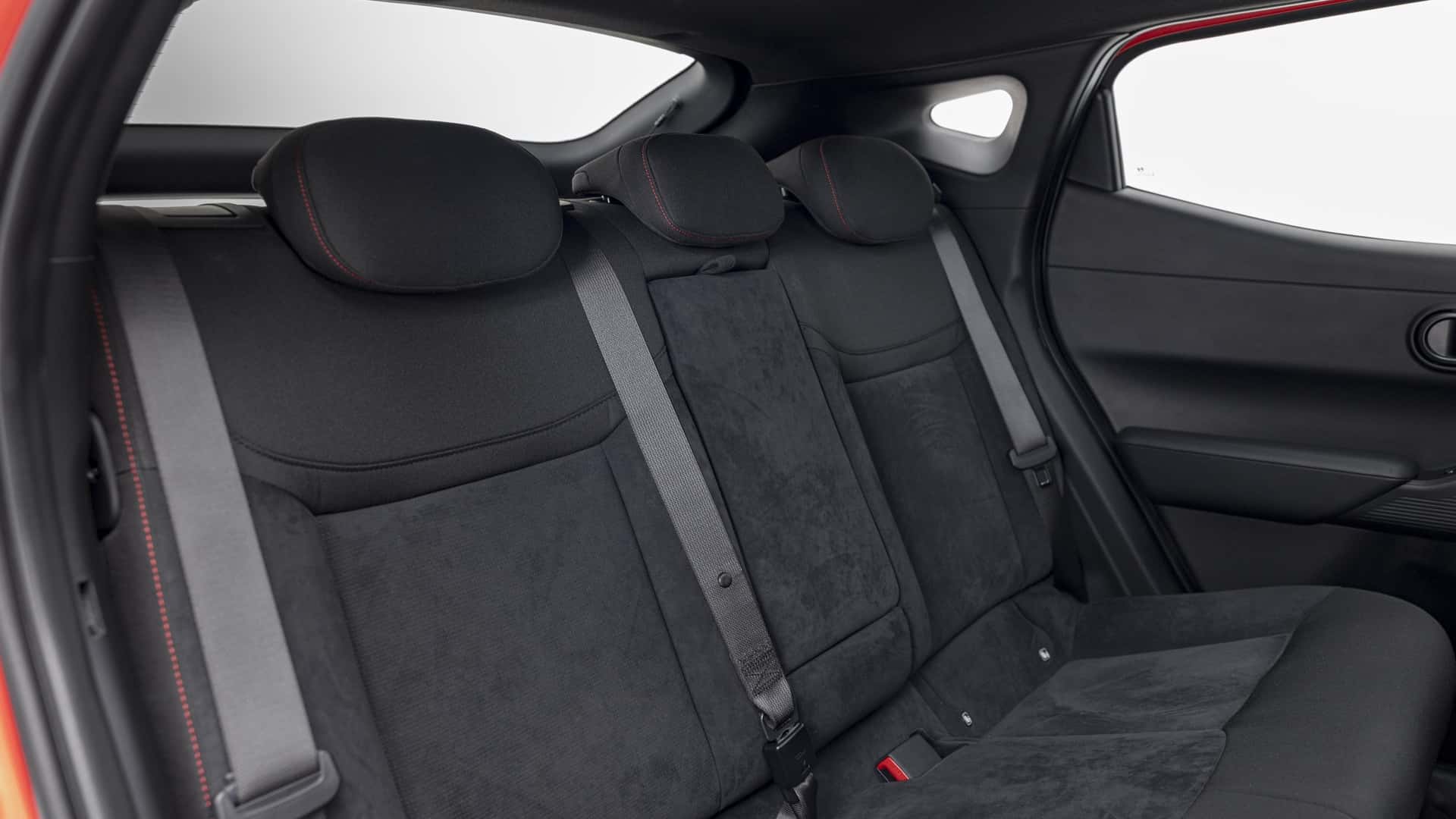
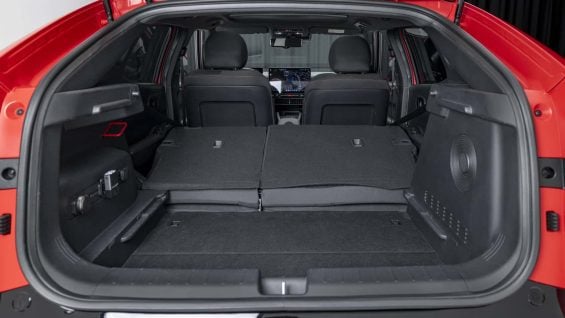
Versatility is enhanced by the 442-liter trunk, which includes the 119-liter “Megabox” lower compartment for smaller items. With acceleration from 0 to 100 km/h in 9.0 seconds in the basic version, the Ioniq 3 arrives to compete in an increasingly competitive market for premium electric compacts.
Comments are the sole responsibility of their authors and do not represent the opinion of this site. Comments containing profanity or offensive language will not be published. If you identify anything that violates the terms of use, please report it.