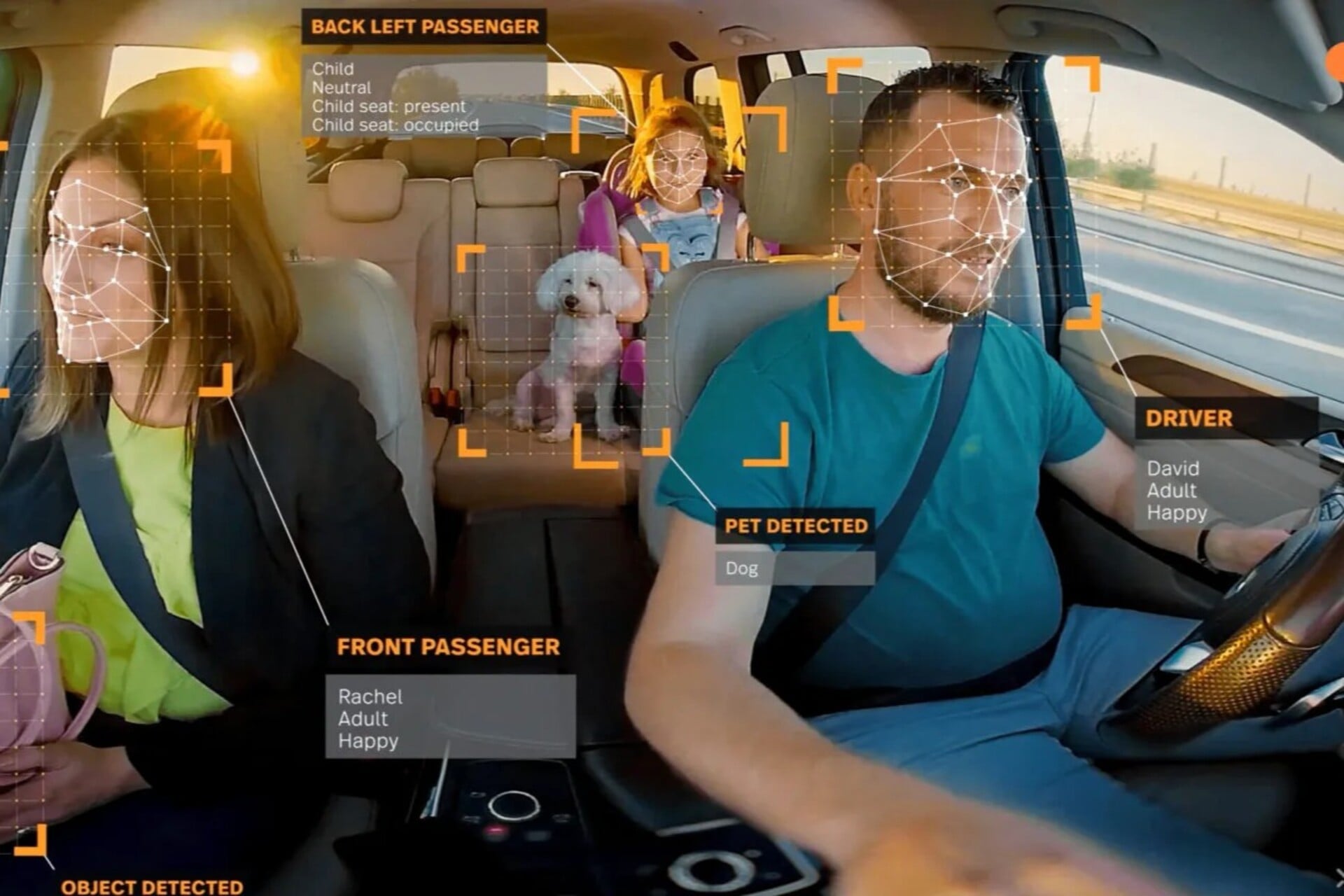
The European Union has begun the final phase of its automotive safety regulation. Since July 7, all new passenger cars and vans sold in the bloc must have driver monitoring systems — the so-called ADDW (Advanced Driver Distraction Warning). The technology uses infrared sensors integrated into the dashboard and eye-tracking software to detect signs of distraction or fatigue. Many automakers already offered the feature, but the rule, part of the bloc’s General Safety Regulation, makes the optional item a legal requirement and should affect about 15 million vehicles per year.
Photo: Renault
How does it work?
In practice, the system works with a short tolerance. It maps interior zones — instrument panel, multimedia center, steering wheel, dashboard and console — and if the driver fixes his gaze on these areas for more than 6 seconds at speeds between 20 km/h and 50 km/h, or for more than 3.5 seconds above that, it triggers audible and visual warnings. To reduce false alarms, there is a minimum tolerance of 50 milliseconds. The European Commission justifies the measure by citing that distraction accounts for between 10% and 30% of accidents on the continent, and estimates that it will save 25 thousand lives by 2038.
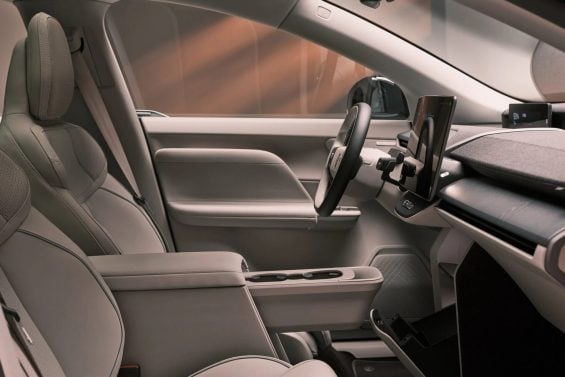
The obligation, however, generated a wave of criticism focused on privacy and effectiveness. According to evaluators in the sector, there are systems that trigger undue alerts in the face of blinks or natural movements of the head. More delicate is the collection of data: although European law determines that the system operates in a “closed circuit”, without sending information out of the car, privacy advocates warn that there are still no independent auditing mechanisms. A report by the Risky Business website, citing Belgian broadcaster VRT, claims that Volvo would have admitted to processing data in real time on cloud servers, which would contradict the directive.
Photo: Volvo
Risk to privacy
The industry’s history fuels fears that the vehicle will become a spy on wheels. Manufacturers such as GM, Hyundai and Kia have already been caught, according to reports, collecting driving habits and passing the data on to brokers who sell it to insurance companies to raise premiums. In addition, the package makes the final product more expensive. The new European legislation still requires, for all zero-kilometer cars and vans, automatic emergency braking with pedestrian and cyclist detection, better frontal vision, more pedestrian protection glass area and additional tests for worn tires.
In Brazil, there is still no equivalent rule that requires driver-facing cameras in passenger cars. The use of this equipment is currently restricted to corporate fleets – cargo and passenger transport – adopted voluntarily or by contractual requirement, and not by law. The national regulation is moving on another front: a Contran resolution will make automatic emergency braking mandatory in new vehicles as of 2029, but this technology observes the external environment, not the driver’s face.
If facial reading systems arrived in the country, they would bump into the General Data Protection Law (LGPD). The rule classifies biometric data — including facial and eye features — as “sensitive data,” subject to stricter rules: they require a specific legal basis, such as detached consent or hypotheses provided for by law, and do not admit the use of “legitimate interest.” The ANPD, the responsible authority, has been treating the matter with caution and has already opened discussions on biometrics and facial recognition; non-compliance can result in a fine of up to 2% of revenue, limited to R$ 50 million per infraction.
Comments are the sole responsibility of their authors and do not represent the opinion of this site. Comments containing profanity or offensive language will not be published. If you identify anything that violates the terms of use, please report it.