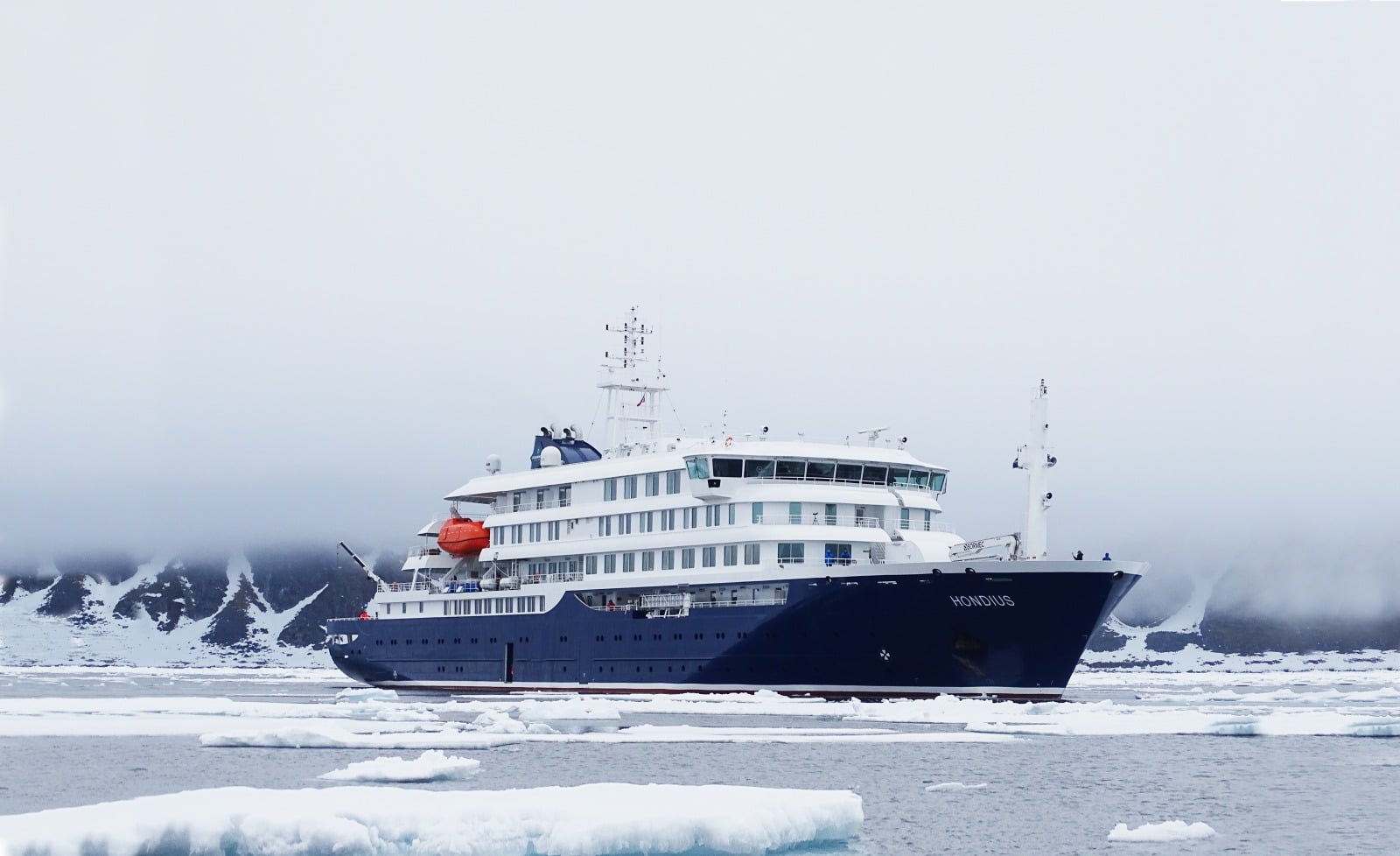
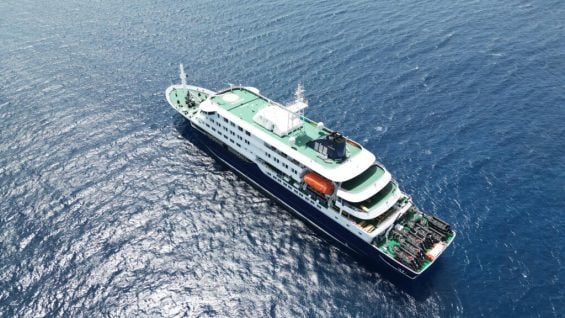
The health tragedy aboard the Dutch ship MV Hondius in Antarctica, which resulted in the death of three passengers from hantavirus contracted on board, has reignited the debate about the vulnerability of cruise ships in terms of the proliferation of diseases. Studies by institutions such as the CDC (US Centers for Disease Control and Prevention) indicate that ships are environments that are uniquely susceptible to the spread of pathogens, functioning as closed ecosystems where population density and the sharing of infrastructure accelerate contagion disproportionately to other modes of transport.
Unlike airplanes or buses, where exposure time is limited to a few hours, cruise ships keep passengers confined for days or weeks. Research published in the Journal of Travel Medicine shows that, while on a flight the risk of contagion is restricted to a few rows around an infected person, on the ship the recirculation of air in common areas and constant contact with surfaces such as handrails and countersspread the virus throughout the vessel.
The challenge of isolation on the high seas
The outbreak on the MV Hondius, which was carrying 150 people, illustrates the danger of this floating “petri dish”. The hantavirus, with a lethality of up to 50%, found in the confined environment of the cruise ship the ideal conditions to spread even before the detection of the first symptoms. Currently anchored in Cape Verde under strict quarantine, the ship exposed the fragility of health protocols on remote expeditions, where the distance from advanced medical centers turns any viral outbreak into a potential catastrophe.
Travel medicine experts point out that while planes renew cabin air every three minutes with HEPA filters, ventilation systems on older or expedition ships may not be as effective against aerosols. The outcome for the survivors of the MV Hondius now depends on a complex evacuation coordinated by the WHO, showing that, in luxury tourism, the greatest risk may be the isolation that the experience promises.
Comments are the sole responsibility of their authors and do not represent the opinion of this site. Comments containing profanity or offensive language will not be published. If you identify anything that violates the terms of use, please report it.