Chinese vacuum cleaner manufacturer unveils electric car that uses rockets to break acceleration record
China's Dreame has unveiled the prototype of the Nebula Next 01, capable of accelerating from 0 to 100 km/h in less than a second with the help of rocket thrusters
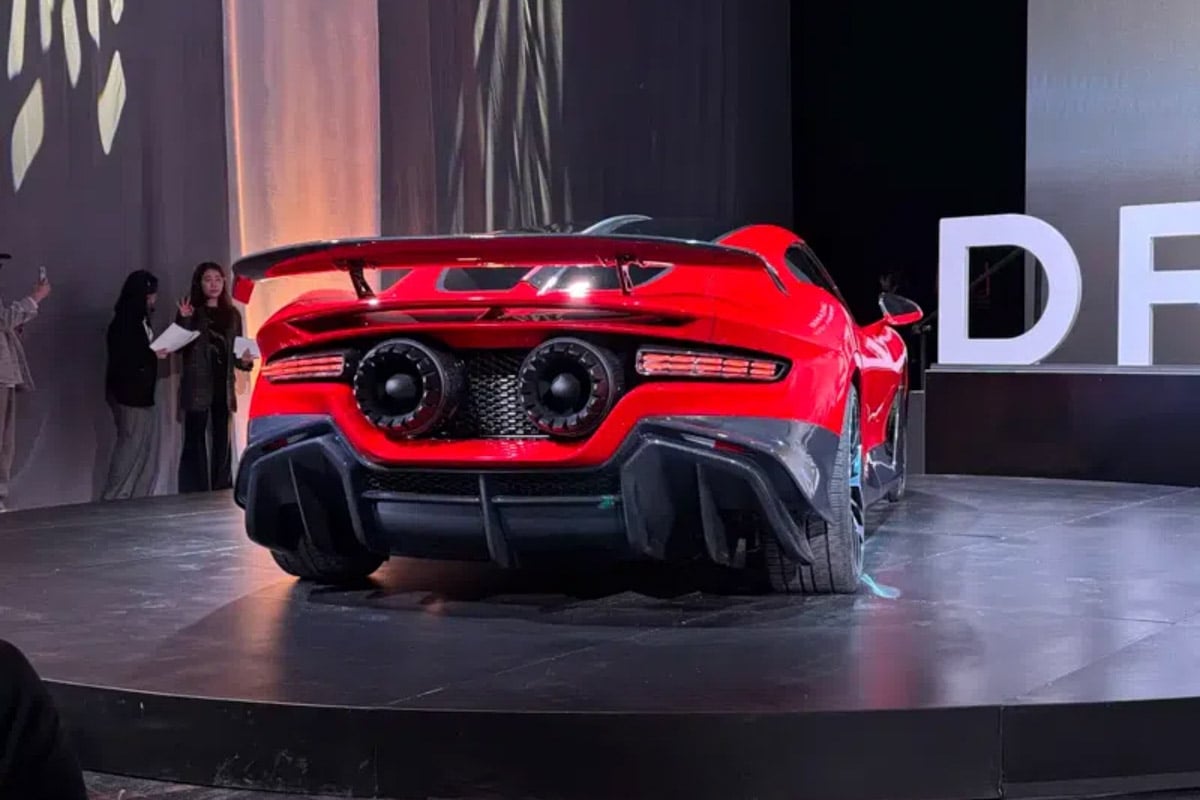
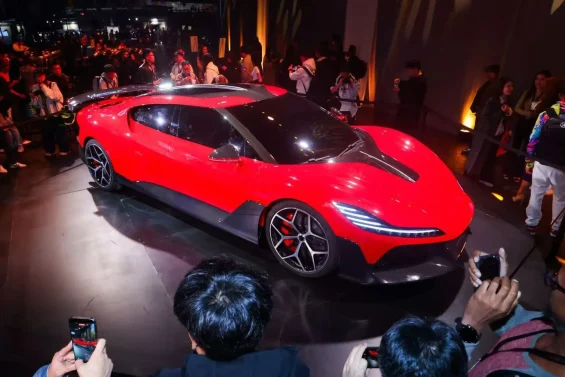
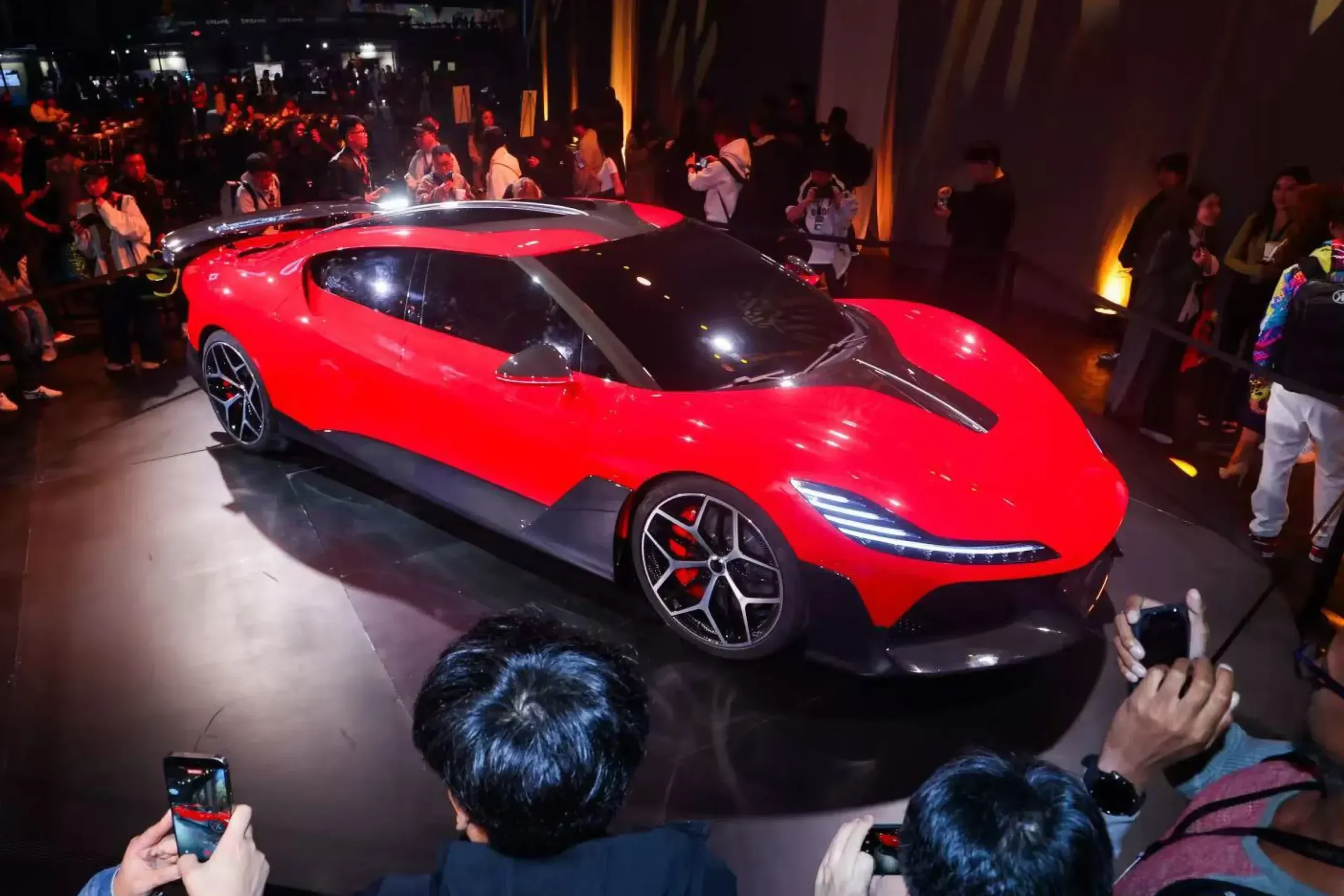
In addition to the rockets, Nebula Next 01 Jet Edition has almost 1,900 hp from four electric motors (Photo: Dreame | Disclosure)
By
Júlia Haddad Published on 2026-05-06 at 11:00 AM
Updated on 2026-05-20 at 10:32 AM
Dreame Technology, a Chinese manufacturer known globally for its vacuum cleaners and home robots, surprised the automotive industry by presenting in San Francisco (USA) the Nebula Next 01 Jet Edition. The concept, which flirts with science fiction, uses rocket propulsion to achieve acceleration marks that defy the limits of engineering and human physiology, positioning the brand among the contenders for the title of owner of the fastest car in the world.
In the conventional configuration, the prototype is equipped with four electric motors that deliver 1,876 hp. The performance is already enough to take the vehicle from 0 to 100 km/h in 1.8 seconds, a mark that puts it on par with exponents such as the Rimac Nevera and Bugatti models. However, the Jet Edition variant breaks with industry standards by coupling two solid-fuel engines to the chassis.
With the rockets deployed, the Nebula Next 01 reaches 100 km/h in just 0.9 seconds, subjecting the occupants to a force of almost 3 G. Despite the visual and technical impact, the solution is accompanied by critical caveats: solid-fuel jet engines do not allow acceleration modulation, operating in a full-thrust torque regime. Such a characteristic, added to the risks of fire and gas emissions, practically makes approval for public roads unfeasible.
In addition to the speed spectacle, the project serves as a showcase for applicable technologies. The model debuts a high-resolution 4D LiDAR system, capable of mapping the surroundings in color and with centimeter accuracy. This tool is critical to the advancement of autonomous driving, allowing the vehicle to identify obstacles and pedestrians with clarity unheard of for current sensors. Nebula Next 01, therefore, works more like a laboratory on wheels than an imminent commercial product.
Comments are the sole responsibility of their authors and do not represent the opinion of this site. Comments containing profanity or offensive language will not be published. If you identify anything that violates the terms of use, please report it.