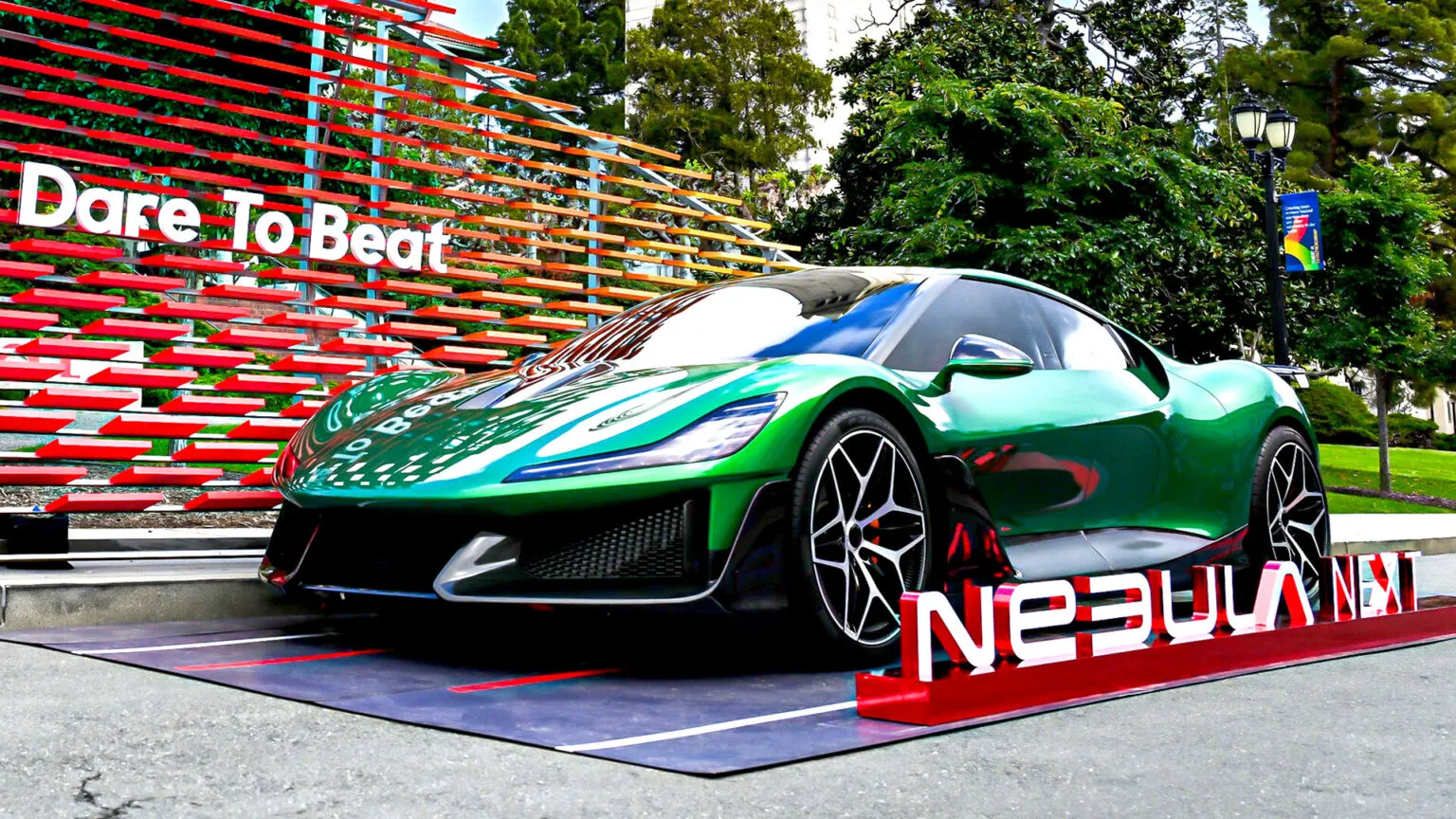
Dreame, a well-known Chinese manufacturer in the global market of robotic vacuum cleaners, has taken another step in its diversification strategy by bringing the Nebula Next automotive project to the center of technological development in the United States. The company confirmed that it will hold an official event in San Francisco later this month, signaling that the transition from home appliances to high-performance mobility has entered the technical validation phase.
As part of this offensive, the brand’s engineers were recently at the University of Berkeley, in California. The meeting brought together researchers specializing in autonomous systems and intelligent transportation to discuss the integration of artificial intelligence into production vehicles. The main objective of the visit was to gather academic subsidies for the development of safety and control software — critical areas for an entrant in the disputed electric vehicle sector.
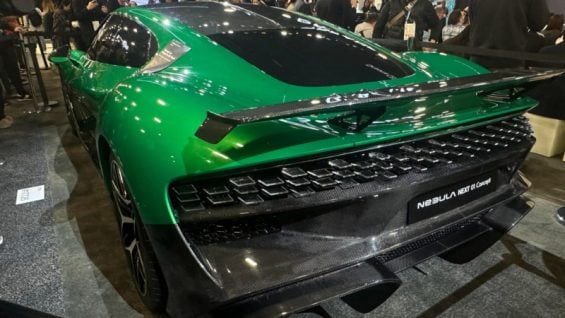
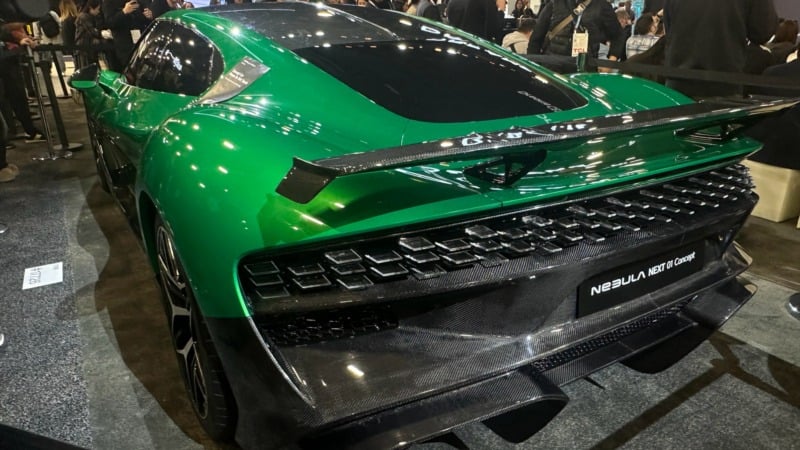
The protagonist of the initiative is the Dreame Nebula Next 01, initially presented at CES as an “electric hypersedan”. The prototype impresses with its numbers: the brand designs a configuration with 1,973 hp, capable of accelerating from 0 to 100 km/h in just 1.8 seconds. More than brute force, the model intends to serve as a showcase for the company’s software ecosystem, using high-precision sensors derived from the spatial mapping technology of its vacuum cleaners.
During the demonstration on the Berkeley campus, Dreame emphasized that technical cooperation with American institutions aims to accelerate systems engineering and advanced-level autonomous driving. While formal manufacturing partnerships or mass delivery schedules have yet to be detailed, the move echoes the logic of other Chinese tech giants, such as Xiaomi, that seek legitimacy through radical innovation and strategic partnerships before taking on traditional competitors in the global marketplace.
Comments are the sole responsibility of their authors and do not represent the opinion of this site. Comments containing profanity or offensive language will not be published. If you identify anything that violates the terms of use, please report it.