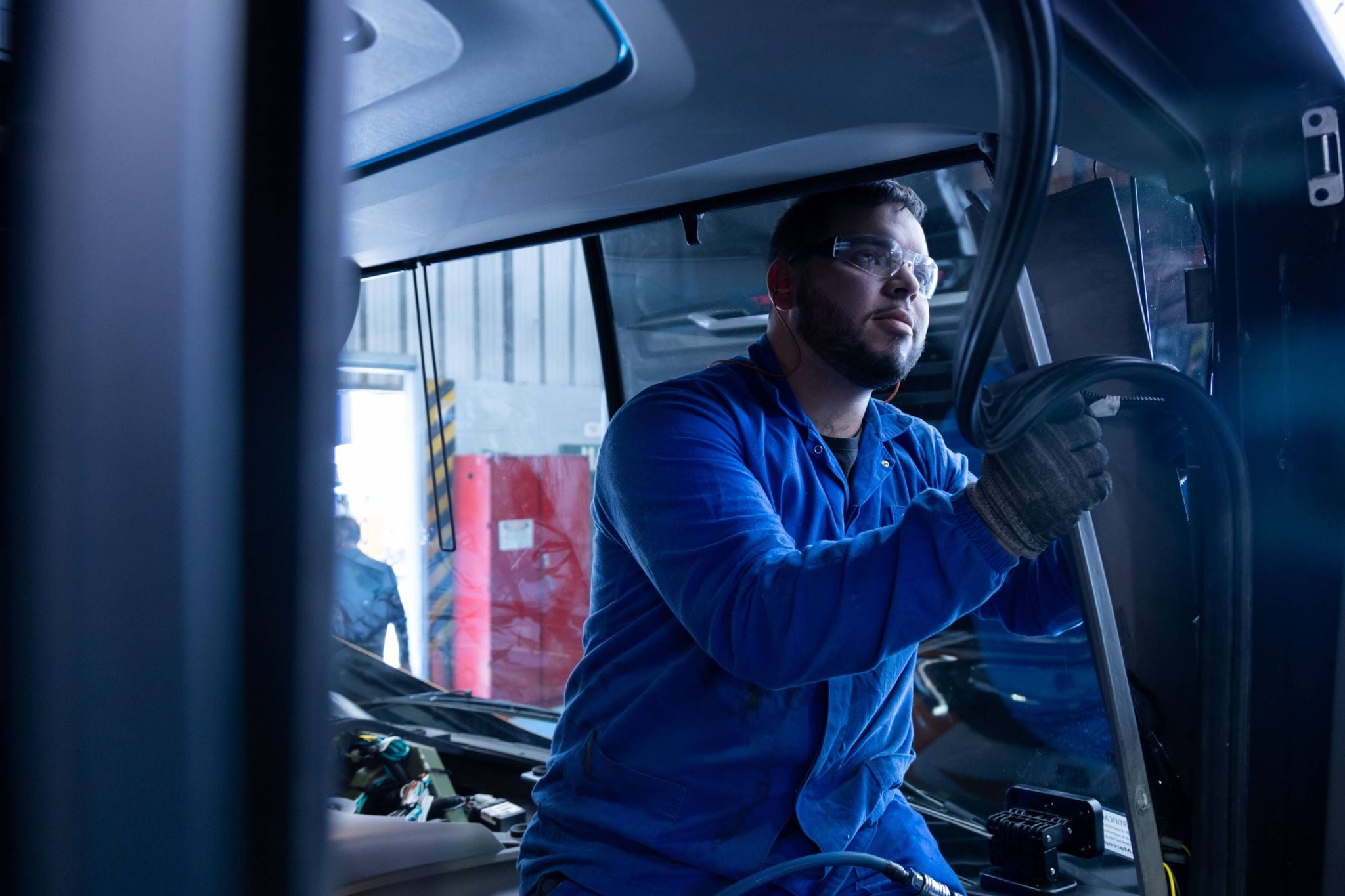
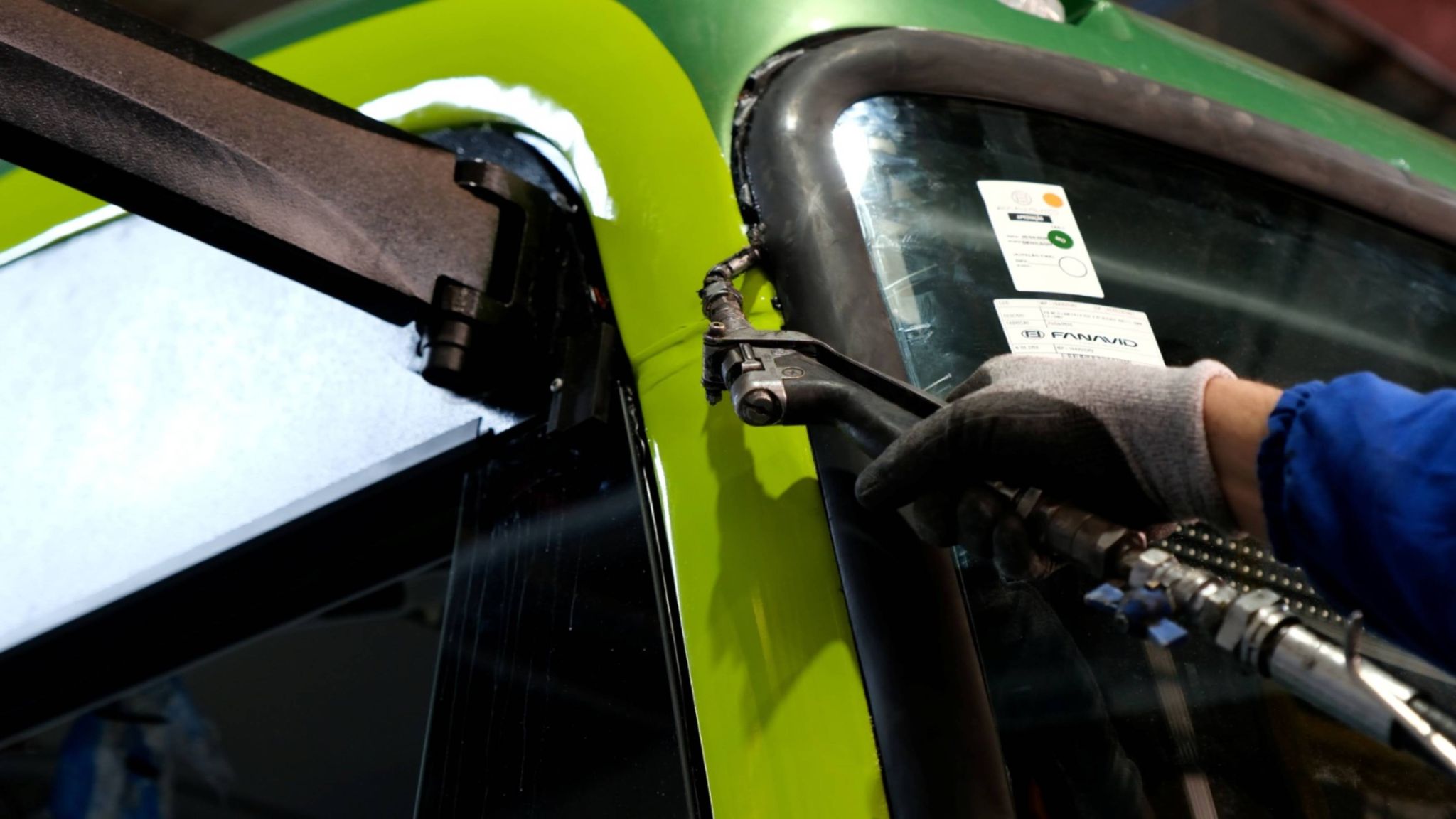
Marcopolo, one of the largest manufacturers of bus bodies in the world, won its first green patent with Massa Hephaestus — a sealing technology used in vehicle assembly that transforms industrial waste into new inputs for production. According to the company, the solution replaces part of conventional raw materials with reused materials and incorporates silica obtained from rice husks, a renewable source.
Granted by the INPI (National Institute of Industrial Property), the green patent is a priority examination modality created in 2012 to accelerate the registration of technologies aimed at sustainability. Waste management, precisely the field in which Marcopolo’s innovation fits, is the category that most concentrates requests in this type of processing in the country.
Developed between 2024 and 2025 in partnership with the SENAI Institute for Innovation in Polymers (ISI Polymers) and Ciaflex, with support from the Brazilian Company for Industrial Research and Innovation (Embrapii), the technology aims to increase the circularity of materials, reduce waste, and reduce dependence on fossil-based inputs.
According to the manufacturer, the studies conducted during the project pointed to a reduction of more than 50% in greenhouse gas emissions associated with the material. Also according to the company, emissions would have fallen from about 1.7 tons to approximately 831 kilograms of CO₂ equivalent, while the consumption of fossil resources in the composition of the mass also fell by more than 50%.
In the company’s assessment, environmental gains are added to economic benefits. The expectation is to prevent about two tons of waste from being sent annually to industrial landfills. In one of the production lines evaluated, the technology would have the potential to generate savings of approximately R$ 27 thousand per year in disposal costs.
“Massa Hefesto was born from the search for a more sustainable destination for waste generated in our production process. We were able to transform this challenge into an innovative solution, which combines reuse of materials, use of renewable raw materials and technical performance,” said Felipe Biondo, Marcopolo’s Product Reliability coordinator, in a statement.
For the SENAI Institute, the case illustrates the scope of cooperation between industry and research centers. “We were able to develop and validate a solution capable of reusing industrial waste and incorporating renewable raw materials without compromising the performance of the product,” commented João Gheller Junior, Operations Manager of the institute.
Founded 76 years ago in Caxias do Sul (RS), Marcopolo maintains manufacturing units on five continents and claims to have vehicles circulating in more than 140 countries. The achievement, according to the company, is part of its innovation strategy focused on environmentally sustainable solutions.
Comments are the sole responsibility of their authors and do not represent the opinion of this site. Comments containing profanity or offensive language will not be published. If you identify anything that violates the terms of use, please report it.