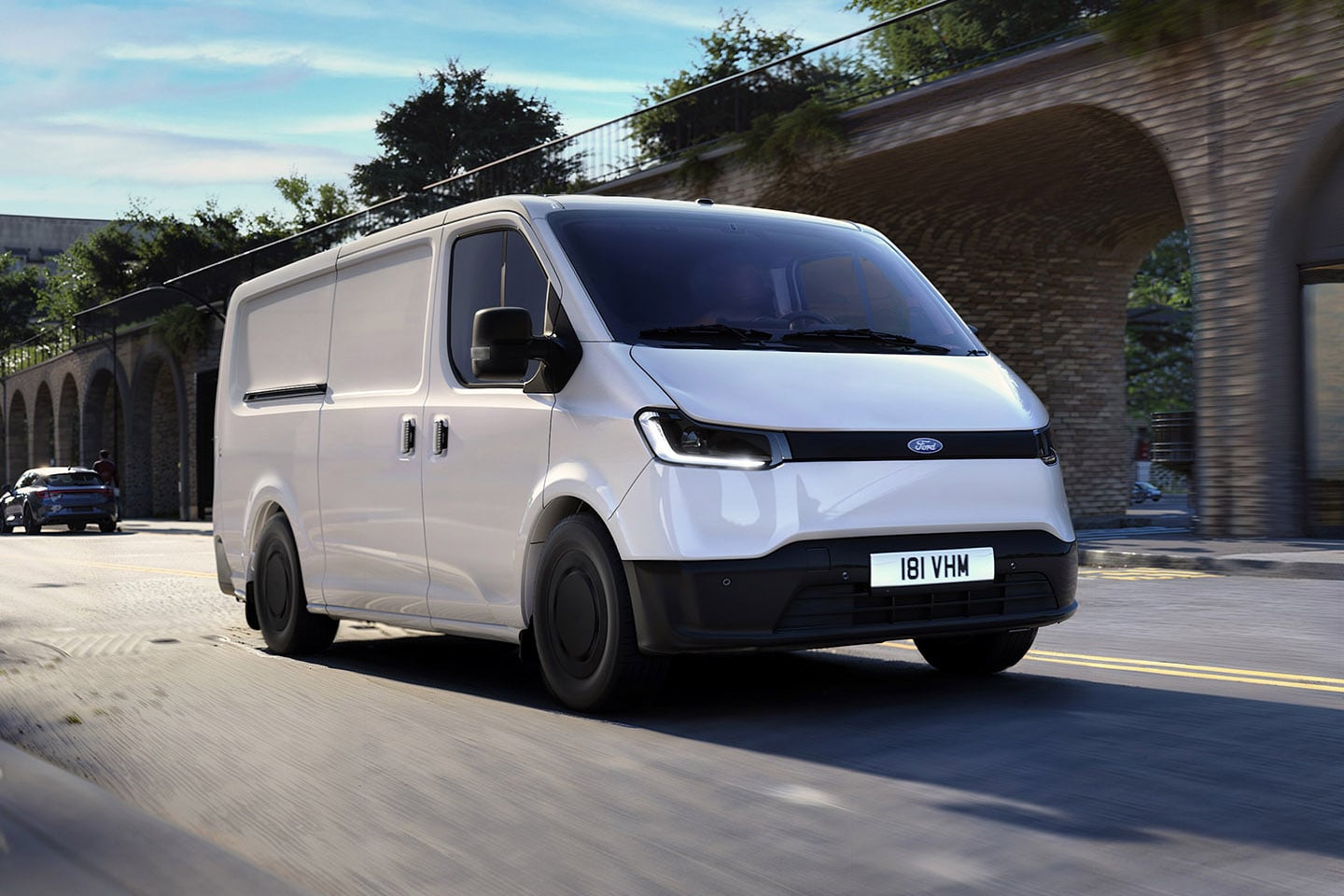
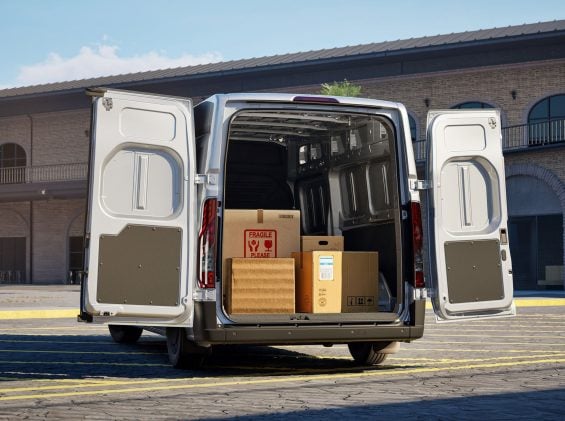
Confirmed for Brazil in the second half of 2026, the Ford Transit City has already started to be sold in Europe. The compact electric van can already be ordered in Germany from 35,990 euros (about R$ 212.3 thousand) in the L1H1 configuration, a value that does not include European VAT and, therefore, does not serve as a reference for the Brazilian market.
Smaller than the traditional Transit, the Transit City is designed for delivery and service operations in urban centers. All versions use the same mechanical set: a 150 hp front electric motor and a 56 kWh lithium iron phosphate (LFP) battery installed in the floor.
The homologated range reaches 254 km in the WLTP combined cycle and 381 km in the urban cycle. According to Ford, the number is equivalent to more than double the distance traveled daily by 90% of light commercial vehicles in the segment. When recharging, the van accepts up to 11 kW in alternating current, which takes from 10% to 80% in about 4.5 hours, and up to 87 kW in direct current, a range covered in approximately 33 minutes.
Two bodies and payload of up to 1,275 kg
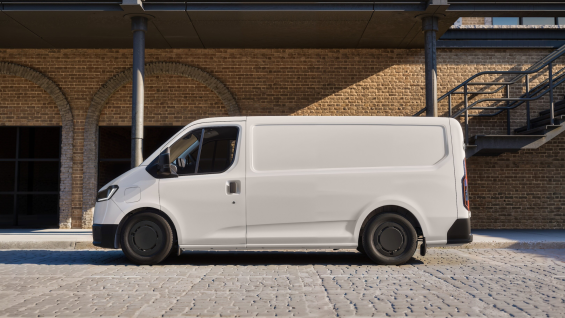
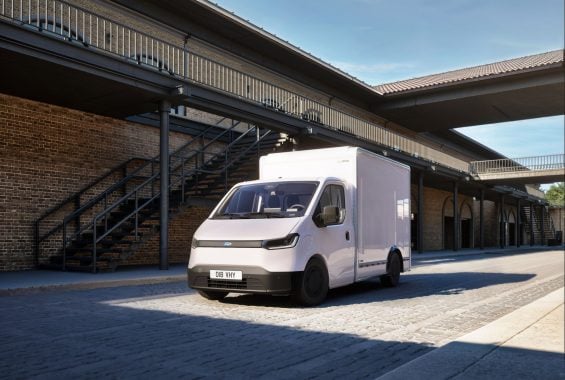
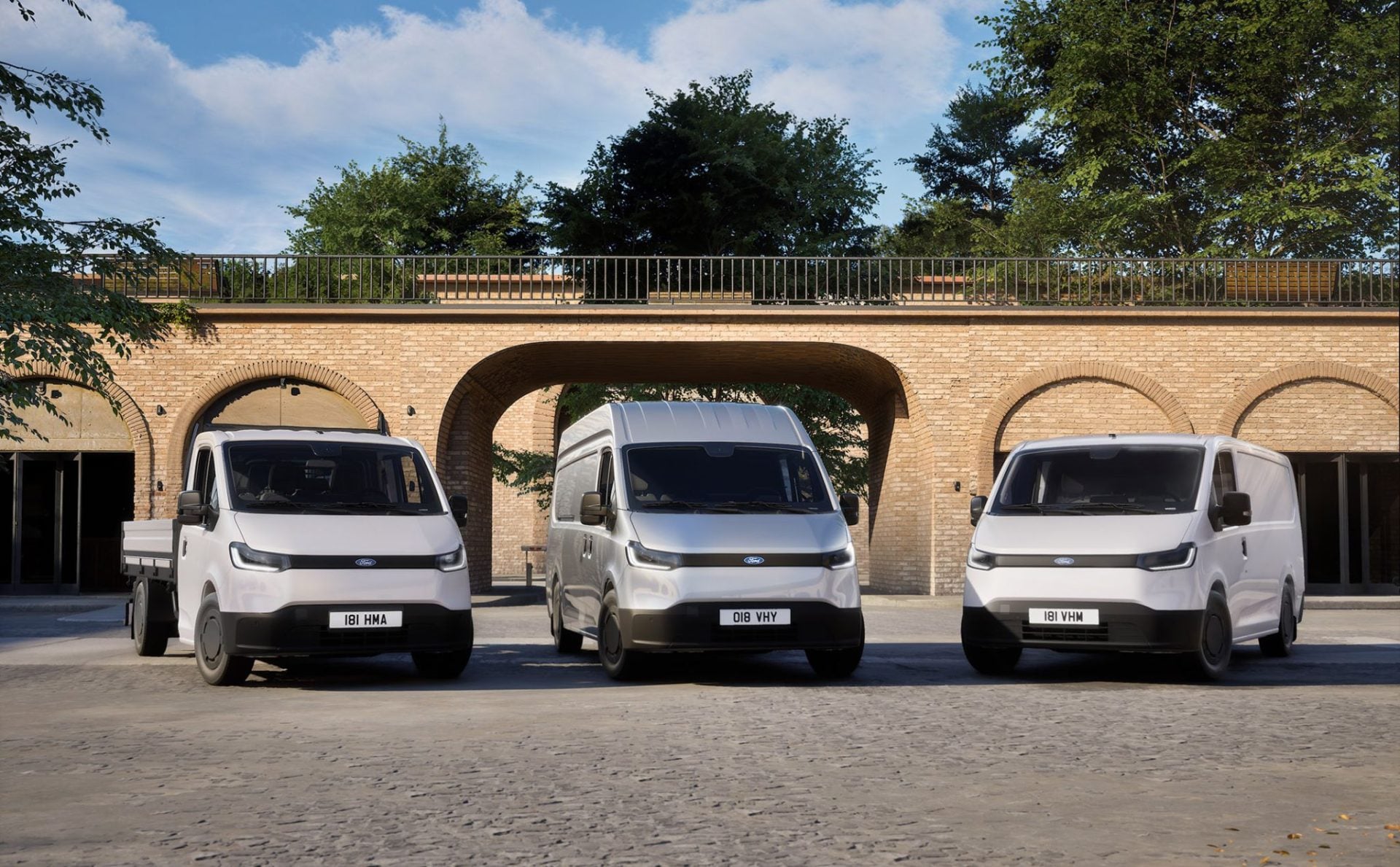
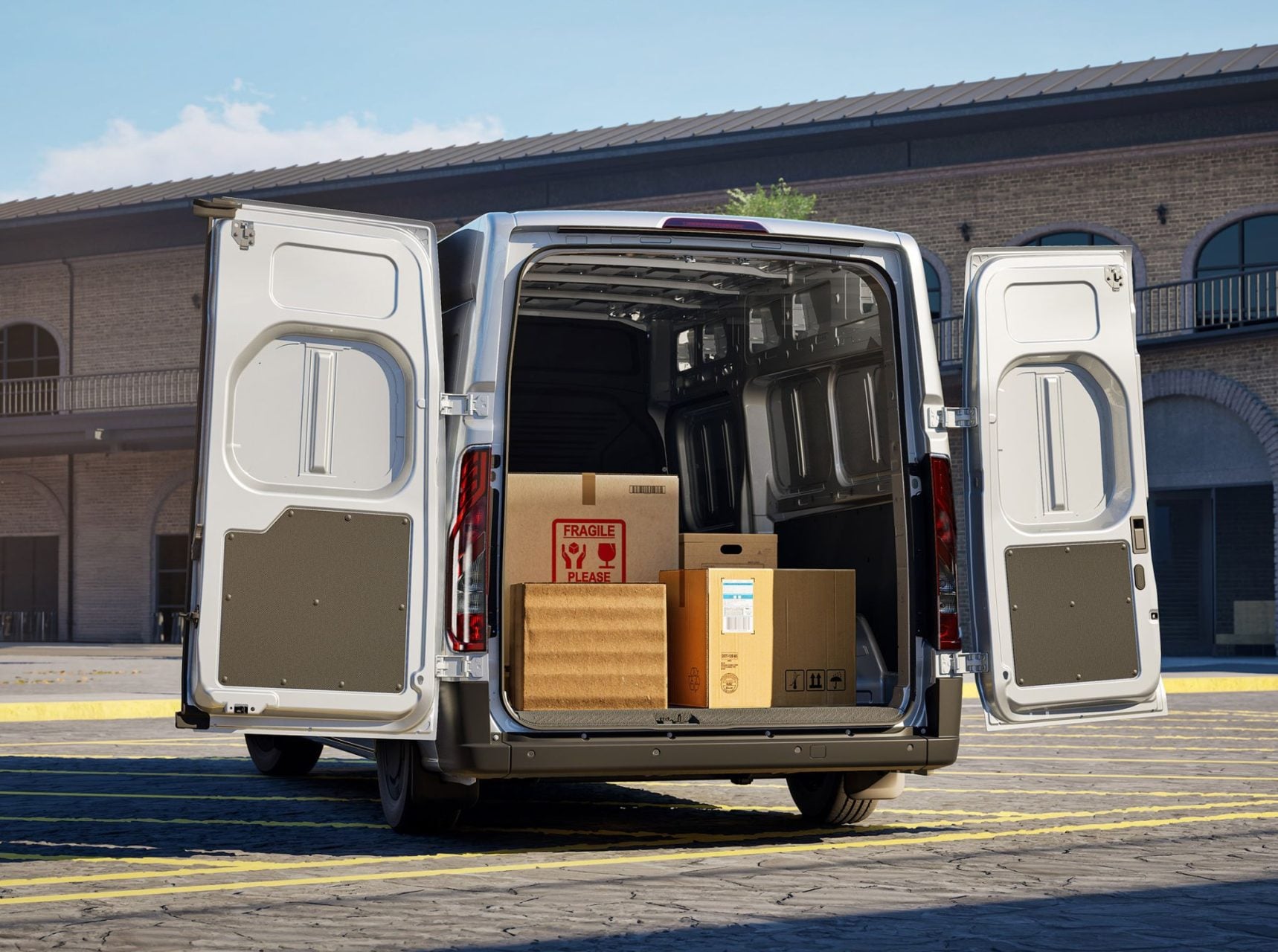
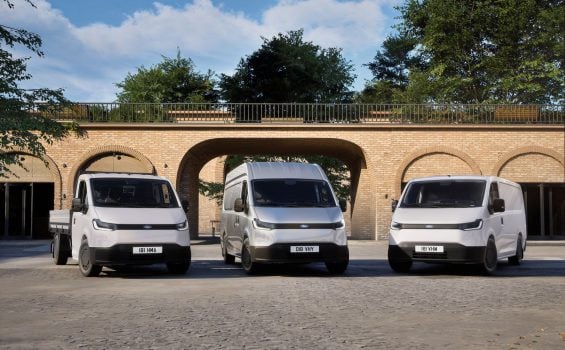
In Europe, the Transit City will be offered in L1H1 and L2H2 configurations, as well as a chassis-cab option. The smaller version is 4.985 m long, has a wheelbase of 3.06 m, a load volume of 5.75 m³ and a payload of 1,085 kg. The largest reaches 5,285 m, with a wheelbase of 3,36 m, 7,48 m³ and up to 1,275 kg. Both carry three Euro pallets. In Germany, the L2H2 starts at 38,490 euros (about R$ 227,1 thousand) and the chassis-cabin, at 37,990 euros (about R$ 224,1 thousand).
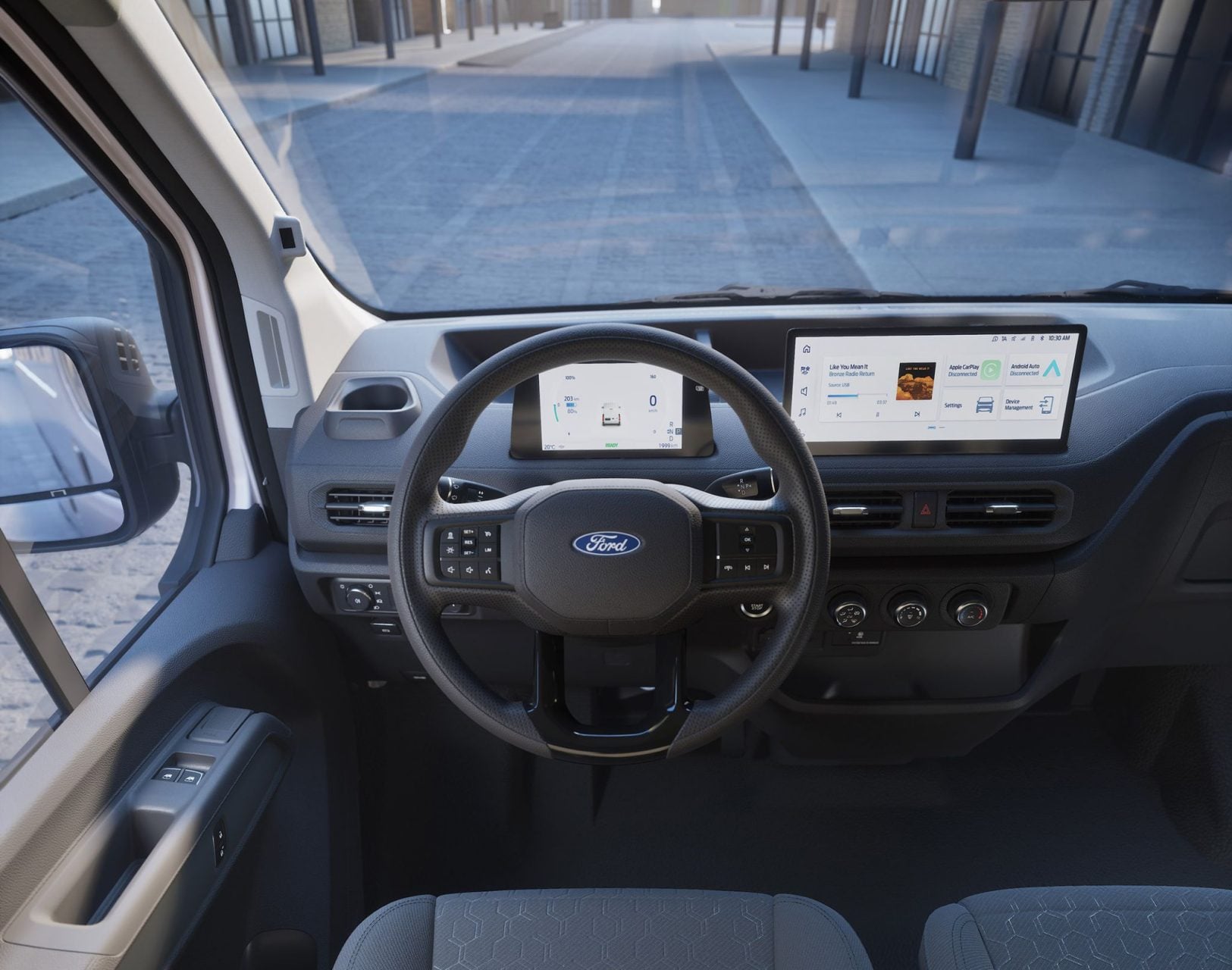
The equipment is unique, without options, a strategy that, according to the manufacturer, reduces cost and complexity. The list includes a 12″ multimedia center with Apple CarPlay and Android Auto, air conditioning, keyless start, heated driver’s seat, front and rear parking sensors, reversing camera, automatic emergency braking and adaptive cruise control. There is no towbar: those who need to tow have to climb into the e-Transit Custom.
Chinese origin and arrival in Brazil
Despite the traditional name in Ford’s commercial line, the Transit City has Chinese origins. The model was developed with Jiangling Motors Corporation (JMC), a commercial vehicle manufacturer in which Ford holds a 32% stake, and is produced in Nanchang. Serial production is scheduled for September, and the first European deliveries are expected to take place from December.
In Brazil, the Transit City will be below the E-Transit, sold in the country with the larger body of the conventional Transit. Prices, versions and body configurations have not yet been revealed. The van will compete for space with electric vehicles such as Foton eView and combustion models, such as Fiat Scudo, Citroën Jumpy and Peugeot Expert.
Comments are the sole responsibility of their authors and do not represent the opinion of this site. Comments containing profanity or offensive language will not be published. If you identify anything that violates the terms of use, please report it.