

Fiesp accuses government of “sabotaging” the automotive sector by reopening zero tax for electric vehicles
Quota of US$ 463 million is valid for six months starting in July; for Fiesp, rule change hurts the legal certainty of the industry
By
Júlia Haddad
Published on 2026-06-24 at 02:00 PM
Published on 2026-06-24 at 02:00 PM
Be the first to comment.
Summarize with:
Fiesp (Federation of Industries of the State of São Paulo) criticized the decision of Gecex-Camex (Executive Management Committee of the Chamber of Foreign Trade) to renew import quotas with a zero rate for electrified, disassembled and semi-disassembled vehicles. For the entity, the measure hurts legal certainty and threatens the investments of the automotive industry installed in the country.
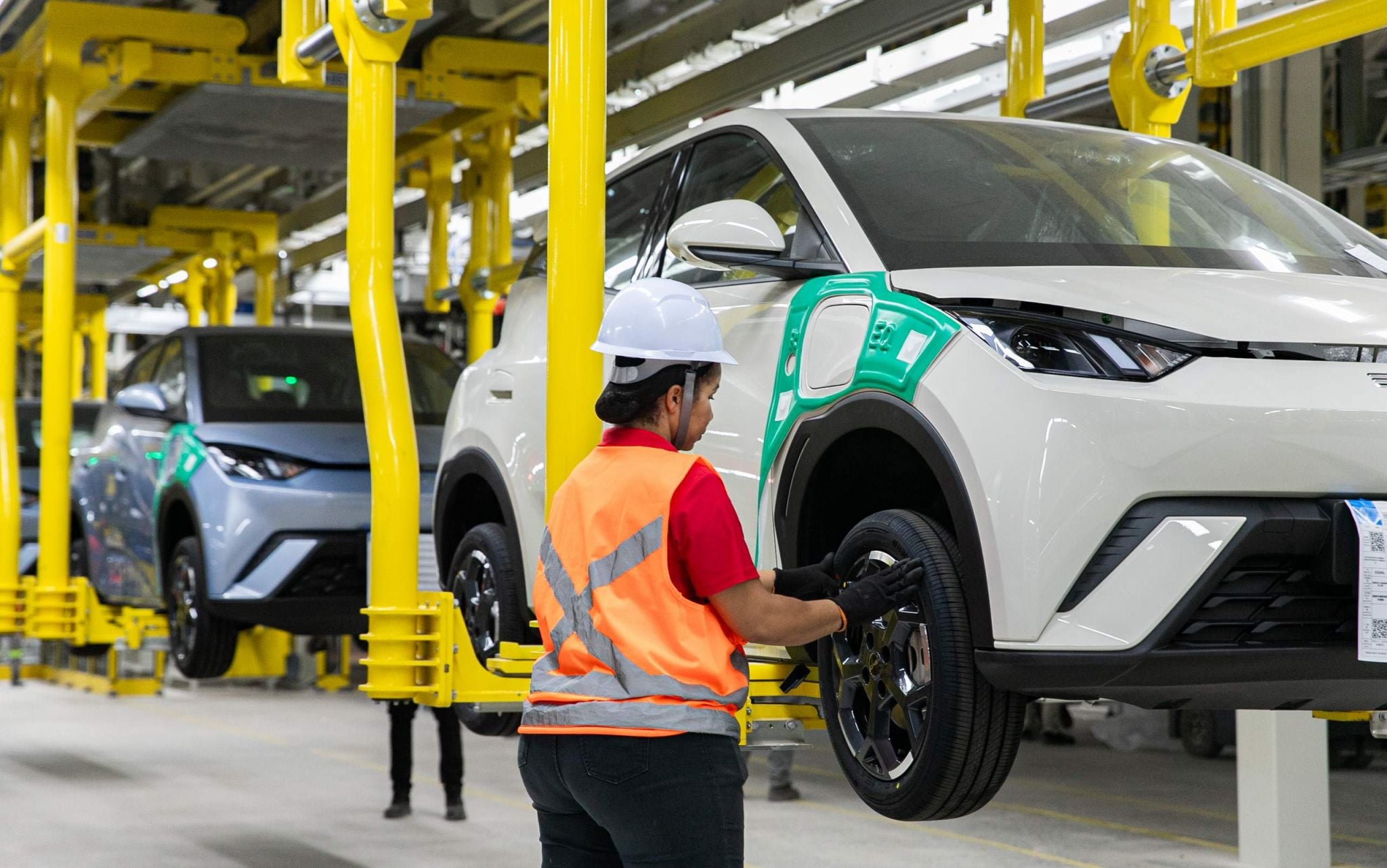
Announced on Tuesday (23) by the Ministry of Development, Industry, Commerce and Services (MDIC), the renewal is valid for another six months, takes effect on July 1 and has a limit of US$ 463 million. Above this ceiling, a tariff of 35% will be charged on semi-disassembled vehicles (SKD) and 14% on fully disassembled vehicles (CKD). The import of ready-made cars is not included: these models will pay a rate of 35% as of July.
The central point of the criticism is the schedule. The quotas for the import of electric vehicle kits had ended in February this year, according to the calendar defined by the government itself after discussions with the productive sector. By reopening them, Fiesp says that the decision contradicts previous deliberations of Gecex and disorganizes the planning of those who invested betting on the current rule.
In a statement, the entity said it received the measure “with concern” and said that it “directly harms the industry that invests in Brazil”. The president of Fiesp, Paulo Skaf, was harsher: “By changing the rules of the game by surprise, the federal government violates legal certainty, sabotages regulatory predictability and penalizes the entire Brazilian automotive chain, which planned and executed investments trusting in the stability of decisions, to generate jobs and innovation within the country.”
What fight is this?
The quota is part of an impasse that has dragged on since 2023, when the government decided to gradually retax the import of hybrids and electric vehicles, benefiting from years of zero tax — a period in which Chinese brands such as BYD gained space in the Brazilian market. According to the resumption schedule, imported cars already assembled reach the ceiling of 35% in July, ending the retaxation cycle; CKD kits, for now taxed at 14%, only reach this rate in January 2027.
The reopening now questioned was not formally requested by any automaker nor discussed with the sector, according to the press, and would have come from the Civil House. In addition to Fiesp, Anfavea, which brings together manufacturers, and trade unions linked to the category mobilized last week to try to stop the new quota and defend the maintenance of the calendar already agreed.
SEE MORE ABOUT

0 Comments
Comments are the sole responsibility of their authors and do not represent the opinion of this site. Comments containing profanity or offensive language will not be published. If you identify anything that violates the terms of use, please report it.