


Drunk driver who causes death may have his driver’s license suspended for 10 years and a fine of R$ 14.6 thousand
Bill amends the Traffic Code to increase the fine by up to 50 times and remove the CNH from those who cause fatal accidents under the influence of alcohol
By
Julia Vargas
Published on 2026-08-14 at 01:00 PM
Updated on 2026-08-14 at 04:18 PM
Published on 2026-08-14 at 01:00 PM
Updated on 2026-08-14 at 04:18 PM
Be the first to comment.
Summarize with:
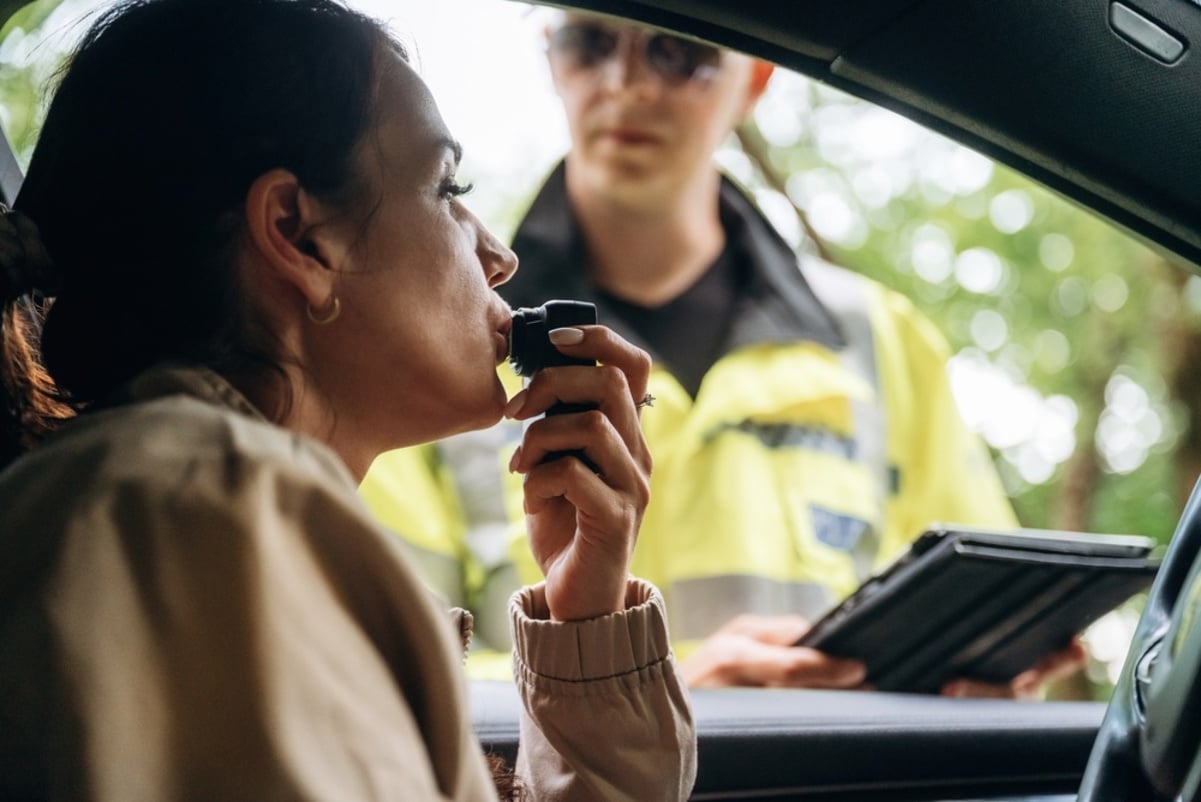
The Traffic and Transport Commission of the Chamber of Deputies gave a favorable opinion to a bill that toughens the penalties for drivers who cause serious accidents under the influence of alcohol. The proposal establishes the suspension of the right to drive for up to 10 years and a fine of R$ 14,673.50 for cases in which the accident results in death.
SEE ALSO:
- Engine oil additive is a trap
- Anyone who uses vehicles to abandon animals may have their CNH suspended
- Traffic deaths caused by alcohol have been on the rise since the pandemic
How the new punishments, suspended CNH and fine amounts work
The matter amends the Brazilian Traffic Code (CTB) to aggravate the financial and administrative impacts imposed on drunk drivers. Currently, the infraction for driving under the influence of alcohol is classified as very serious, with a base value of R$ 293.47.
With the substitute text approved by the committee, the punishments are now proportional to the severity of the consequences of the occurrence:
- Fatal accidents: application of the 50-fold multiplier factor on the very serious infraction (totaling R$ 14,673.50) and suspension of the National Driver’s License (CNH) for 10 years.
- Accidents with permanent disability: Application of the multiplier factor of 20 times (R$ 5,869.40) and suspension of the license for 5 years.
For the sanctions to be applied, the proposal requires legal proof of the driver’s responsibility for the accident.
What has changed in the original text and what are the next steps?
The original text of the bill, authored by Deputy Gilvan Maximo (Republicanos-DF), provided for an even more severe financial punishment: a fine multiplied by up to 100 times for fatal accidents.
However, the substitute of the rapporteur, Deputy Marcos Tavares (PDT-RJ), who reduced the multiplier to 50 times in cases of death, maintaining the 10-year period without the CNH, prevailed.
To become law, the proposal needs to comply with the following steps in the National Congress:
- Analysis in the Commission on Constitution and Justice and Citizenship (CCJC);
- Vote in the plenary of the Chamber of Deputies;
- Processing and voting in the Federal Senate;
- Presidential sanction.
Deaths and hospitalizations due to alcohol in traffic grow again
The tightening of the legislation comes at a time of rebound in traffic violence rates. A survey by the Health and Alcohol Information Center (CISA) points out that Brazil recorded 13,075 deaths associated with the combination of alcohol and driving in 2024, an increase of 6.2% compared to the previous year.
Although the mortality rate per 100 thousand inhabitants fell by 19.5% between 2010 and 2024, reflecting the developments of the Dry Law, created in 2008 with zero tolerance, the pace of decline has lost strength in recent years.
Non-fatal consequences also registered an upward trend: in 2025, the country accounted for 102,440 hospital admissions related to alcohol consumption while driving, an increase of 1.9% in the annual comparison.
SEE MORE ABOUT

0 Comments
Comments are the sole responsibility of their authors and do not represent the opinion of this site. Comments containing profanity or offensive language will not be published. If you identify anything that violates the terms of use, please report it.