


Diesel is not dead, and it has become Stellantis’ strategy to face Chinese cars
Stellantis is betting on fossil fuel again in passenger and commercial models after demand for electric vehicles stagnates in Europe
By
Tom Schuenk
Published on 2026-05-06 at 06:15 PM
Updated on 2026-05-06 at 06:45 PM
Published on 2026-05-06 at 06:15 PM
Updated on 2026-05-06 at 06:45 PM
Be the first to comment.
Summarize with:
The Stellantis group is promoting a strategic change in its European portfolio to face the stagnation of the electric vehicle market and the advance of Chinese manufacturers. Contrary to the global trend of full electrification, the company has decided to reintroduce diesel powertrains in several passenger models in Europe. The move comes after demand for battery-powered models fell short of expectations, forcing the group to seek alternatives for immediate profitability.
SEE ALSO:
- Belo Horizonte City Hall installs 22 new radars in the city
- Chevrolet Opals restored by GM itself are sold for R$ 1 million; Here’s why
- Owner spends R$ 35 thousand on original Lamborghini headlight, but failure leaves the car ‘one-eyed’ anyway
Tactical barrier against the Chinese offensive
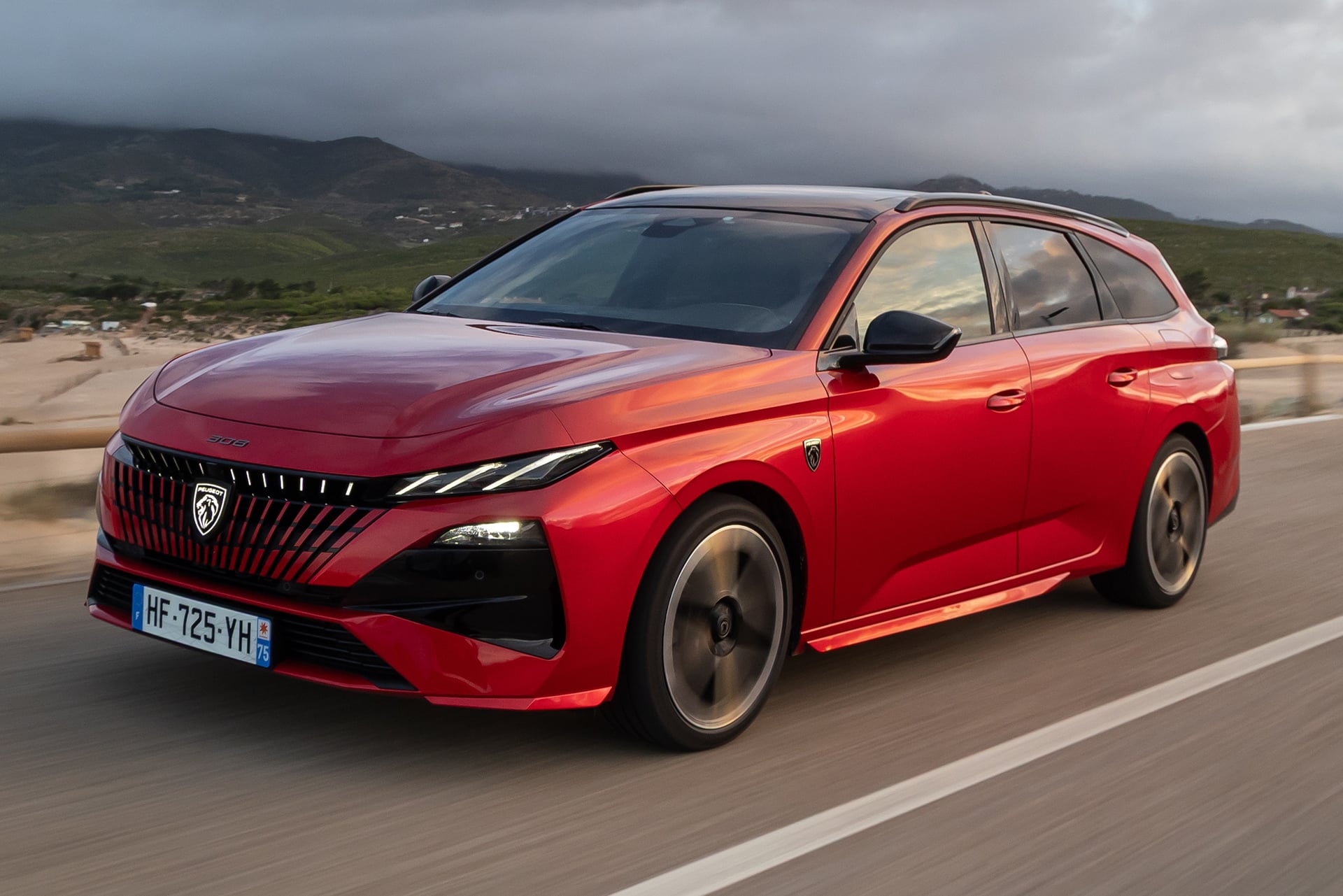
The resumption of diesel works as an “exclusion zone” against Chinese brands, such as BYD and MG, which focus massively on electric and plug-in hybrids. As new entrants have skipped the development phase of modern diesel engines, Stellantis occupies a technical space where rivals are not yet able to compete. Among the models that return to offer the fuel are the Opel Combo, Citroën Berlingo and Peugeot Rifter vans, as well as the Peugeot 308 and Opel Astra sedans and hatches.
The financial factor was decisive for the turnaround. Stellantis recently recorded charges of 22.2 billion euros (about R$ 128.7 billion) arising from writedowns related to the frustrated electric vehicle targets. In addition, the global political scenario, including the relaxation of emission targets in the European Union and environmental deregulation in the United States, has relieved pressure on the end of heat engines.
Endurance in the premium segment
In the luxury segment, the demand for autonomy and torque over long distances ensured the maintenance of diesel for models such as the DS 7 and the Alfa Romeo line (Giulia and Stelvio). Although diesel’s share of the European market has plummeted from 50% in 2015 to just 7.7% in 2025, the fuel is still seen as a cost-effective solution for fleet owners and drivers who travel long monthly mileages. For Stellantis, the engine that many considered obsolete has become a vital shield to preserve its market share.
SEE MORE ABOUT

0 Comments
Comments are the sole responsibility of their authors and do not represent the opinion of this site. Comments containing profanity or offensive language will not be published. If you identify anything that violates the terms of use, please report it.