


China tightens its grip on a technology that already sells 1.2 million cars a year
New standard comes into force in November 2026, replaces 2017 standard and requires durability equivalent to 300 thousand km of use
By
Júlia Haddad
Published on 2026-06-08 at 08:00 PM
Published on 2026-06-08 at 08:00 PM
Be the first to comment.
Summarize with:
China has updated the technical standards for electric vehicles with range extender (EREV or REEV), a category that combines electric traction and a combustion engine dedicated only to generating energy for the battery. The new rules, gathered in the QC/T1086-2026 standard, come into force on November 1, 2026 and raise the requirements for performance, durability and refinement in a segment that already sells more than 1.2 million units per year in the country.
The regulation replaces a 2017 standard, which is mainly qualitative, and converts a good part of the old recommendations into measurable goals. Among the new criteria are the control of the power generated by the extender, as well as electromagnetic compatibility, vibration and noise tests. Manufacturers will also have to prove greater durability, with tests equivalent to about 300 thousand kilometers of use in real conditions.
SEE ALSO:
- VW seeks speed from the Chinese and wants to sell half a million cars
- Australia solves main impasse and will have the world’s first marijuana “breathalyzer”
- Lecar: Brazilian ‘automaker’ without a car and without a factory wins another government setback
According to those responsible for drafting the rules, the parameters were defined based on data from vehicles in circulation and information provided by automakers and suppliers to the Chinese automotive industry. The objective is to establish a common technical basis for the sector and raise the standard of products in the market.
The revision tracks the maturation of EREVs in China. Initially conceived as a solution to expand the range of the first electric vehicles, the technology gained its own category and today appears in SUVs and sedans of different price ranges. Manufacturers such as Li Auto, Seres, Deepal and Leapmotor have expanded their lines in recent years, with models with greater electric autonomy, superior performance and more sophisticated electronics.
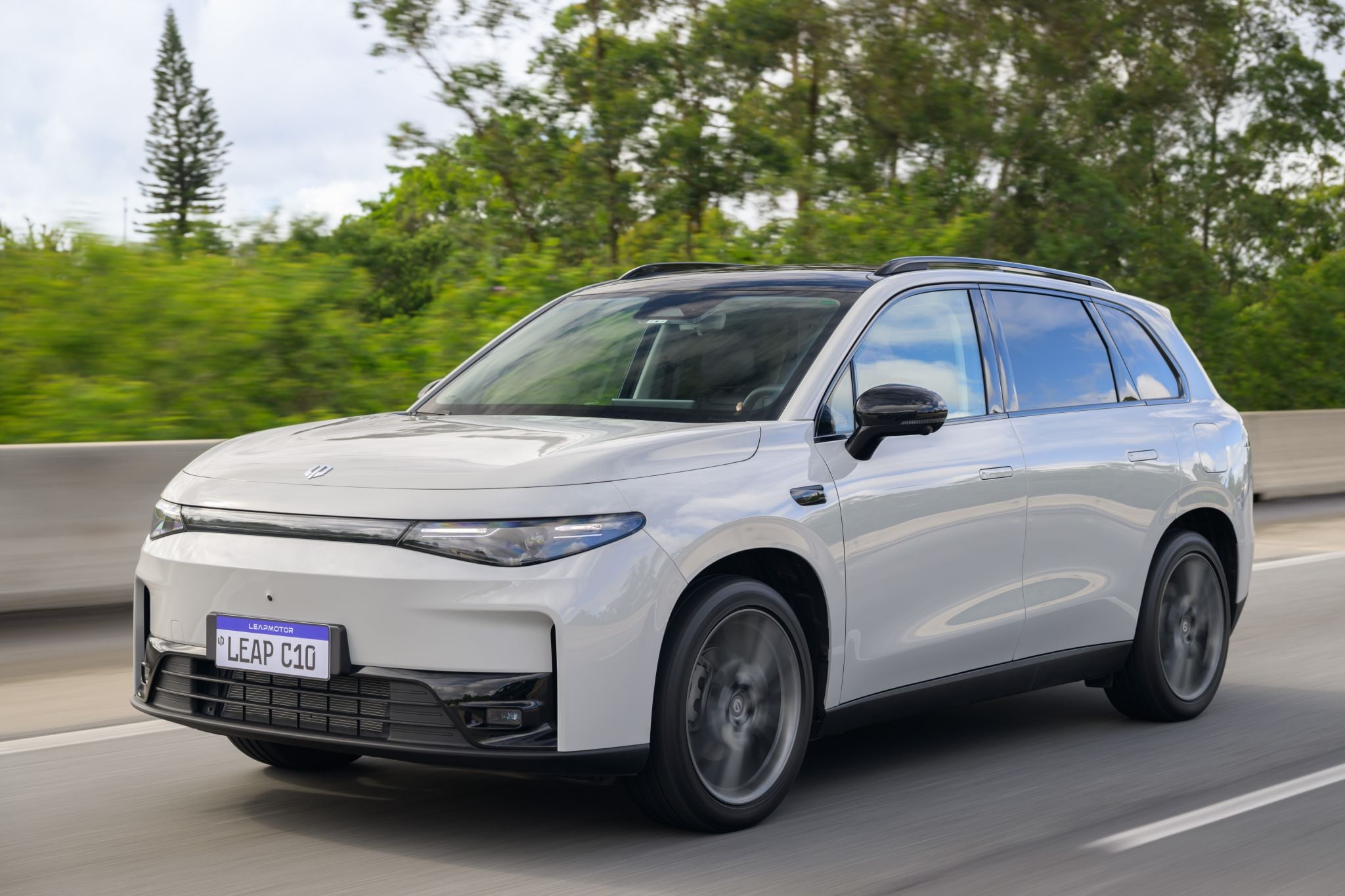
The movement has also reached Brazil. Leapmotor sells the C10 REEV here, while GAC prepares the arrival of the i60 EREV, expanding the offer of the technology in the country.
SEE MORE ABOUT

0 Comments
Comments are the sole responsibility of their authors and do not represent the opinion of this site. Comments containing profanity or offensive language will not be published. If you identify anything that violates the terms of use, please report it.