

Cheap labor in Brazil delays the advance of ‘driverless taxis’, says Uber boss
Uber predicts that self-driving cars could take decades to become viable in Brazil due to the low cost of rides with drivers
By
Júlia Haddad
Published on 2026-09-01 at 02:00 PM
Published on 2026-09-01 at 02:00 PM
Be the first to comment.
Summarize with:
Brazil and India are not only markets that will receive autonomous taxis late. According to Uber’s president and chief operating officer, Andrew Macdonald, the two countries will hold the world technology calendar, and the reason is the price of human labor here.
In an interview with the 20VC podcast, Macdonald said he does not know how to estimate when most Uber rides will be made without a driver. For him, this depends mainly on the technology reaching the large travel markets, and Brazil and India are among them. Until it arrives, the global clock does not advance.
The account that doesn’t add up
The obstacle is arithmetic. A ride in Brazil costs, on average, between US$ 3.50 and US$ 4, something between R$ 18 and R$ 21. In India, the value drops to the range of US$ 2.50 to US$ 3, from R$ 13 to R$ 16. This is the price of the entire trip, and the driver keeps most of it, according to the company.
For Uber, the driver is a cost that only exists when there is a ride. He is the one who buys the car, fuels it, has it serviced, pays for insurance and absorbs the devaluation. The platform enters the app and takes a commission.
Robotaxi inverts this logic. The vehicle belongs to the fleet, costs much more than a regular car because of the sensors, lidar and on-board computer, and depreciates by running or stationary. Add to this the yard, cleaning, insurance, mapping and remote operators who accompany the cars from a distance. All of this is a fixed cost, paid whether there is a race or not.
The replacement only pays off, therefore, where the fare is high enough for the money saved with the driver to cover the amortization of a much more expensive car. On a R$ 20 trip, there is no margin left for this. In American cities, the same ride costs several times more, and that is precisely why the tests started there.
Where Uber already runs without a driver
San Francisco and Los Angeles are among the markets where the company already operates with driverless vehicles. Even in these cities, operating with human drivers remains the backbone of the platform.
Uber makes about 300 million trips a week worldwide. Autonomous rides add up to a few million per month. It’s a rounding up within the operation.
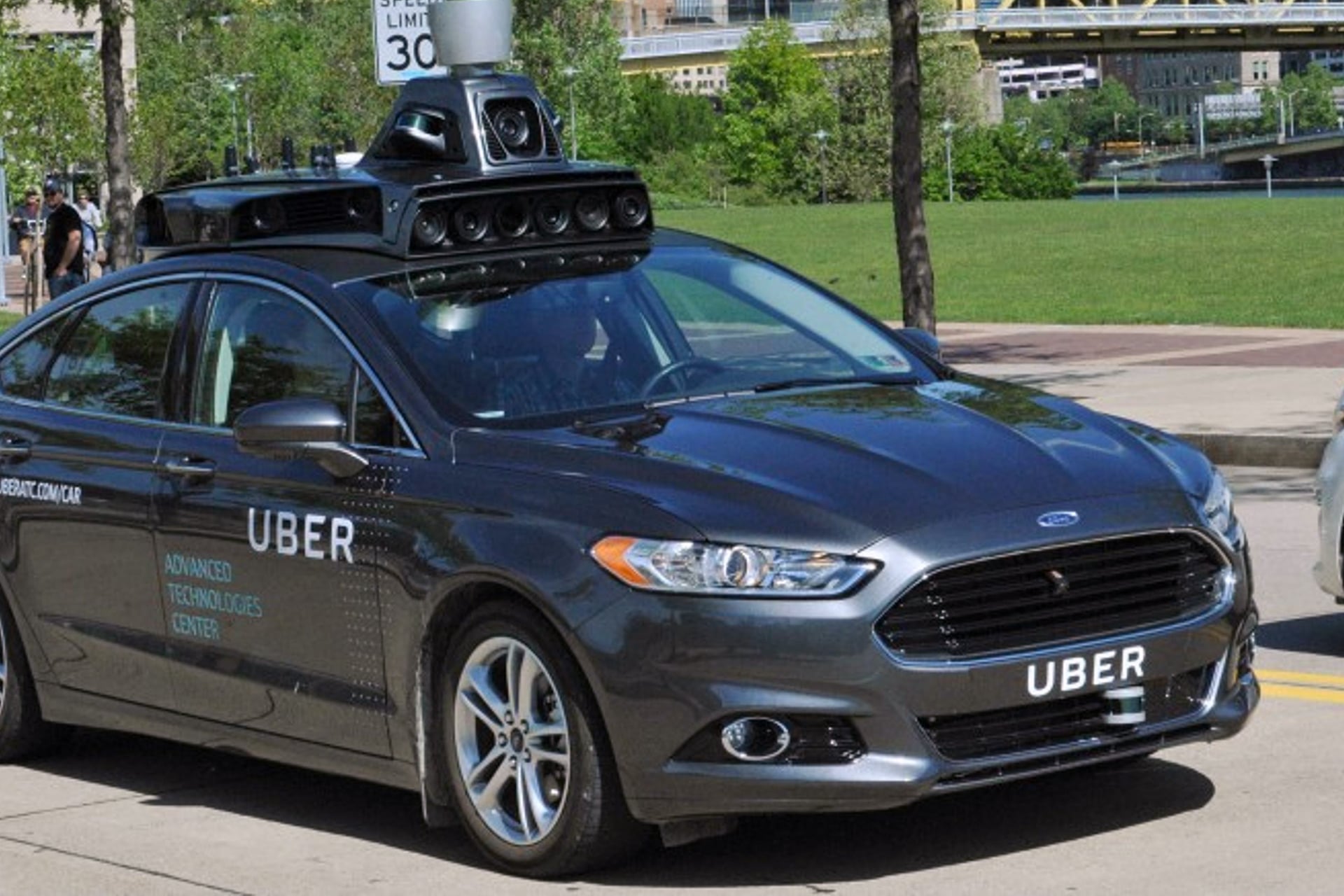
The company also does not develop the technology on its own. During the pandemic, when gross revenue from the mobility division plummeted 84% in three weeks, Uber sold Advanced Technologies Group, its autonomous driving business. Macdonald says the company did not see itself in a position to lead that sector and preferred to focus resources on the core business, partnering with specialized companies.
For Brazil, the practical consequence is direct: as long as the cost per kilometer of the technology does not plummet, the driverless car remains more expensive than the driver.
SEE MORE ABOUT

0 Comments
Comments are the sole responsibility of their authors and do not represent the opinion of this site. Comments containing profanity or offensive language will not be published. If you identify anything that violates the terms of use, please report it.