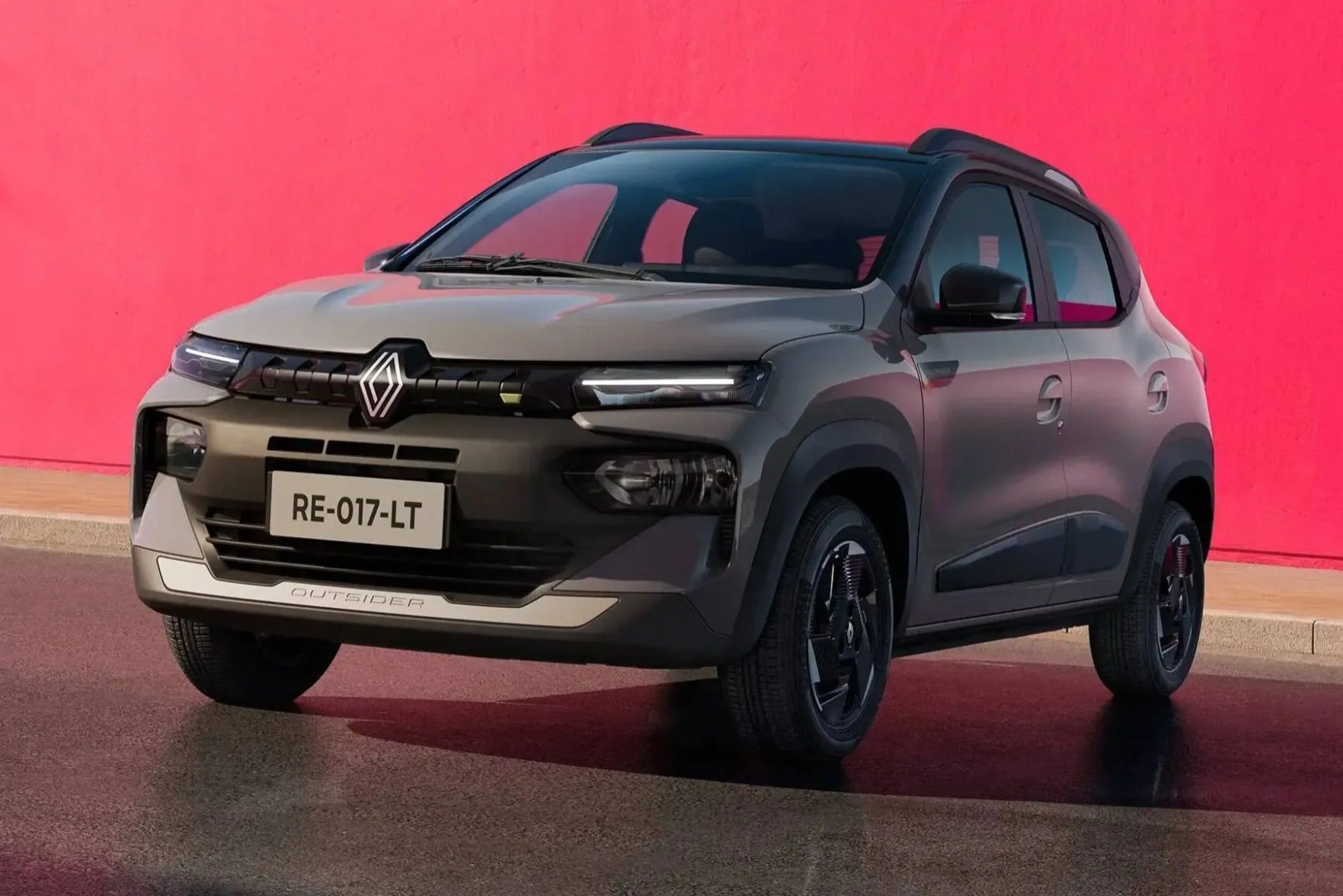
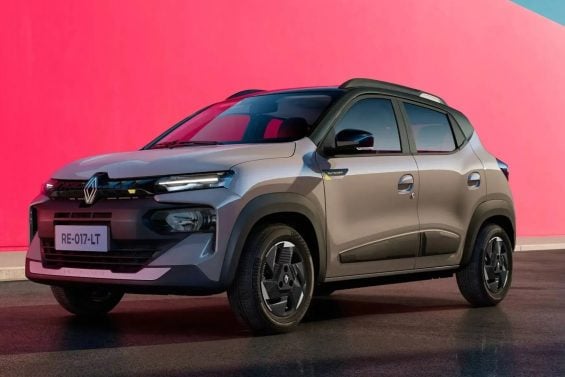
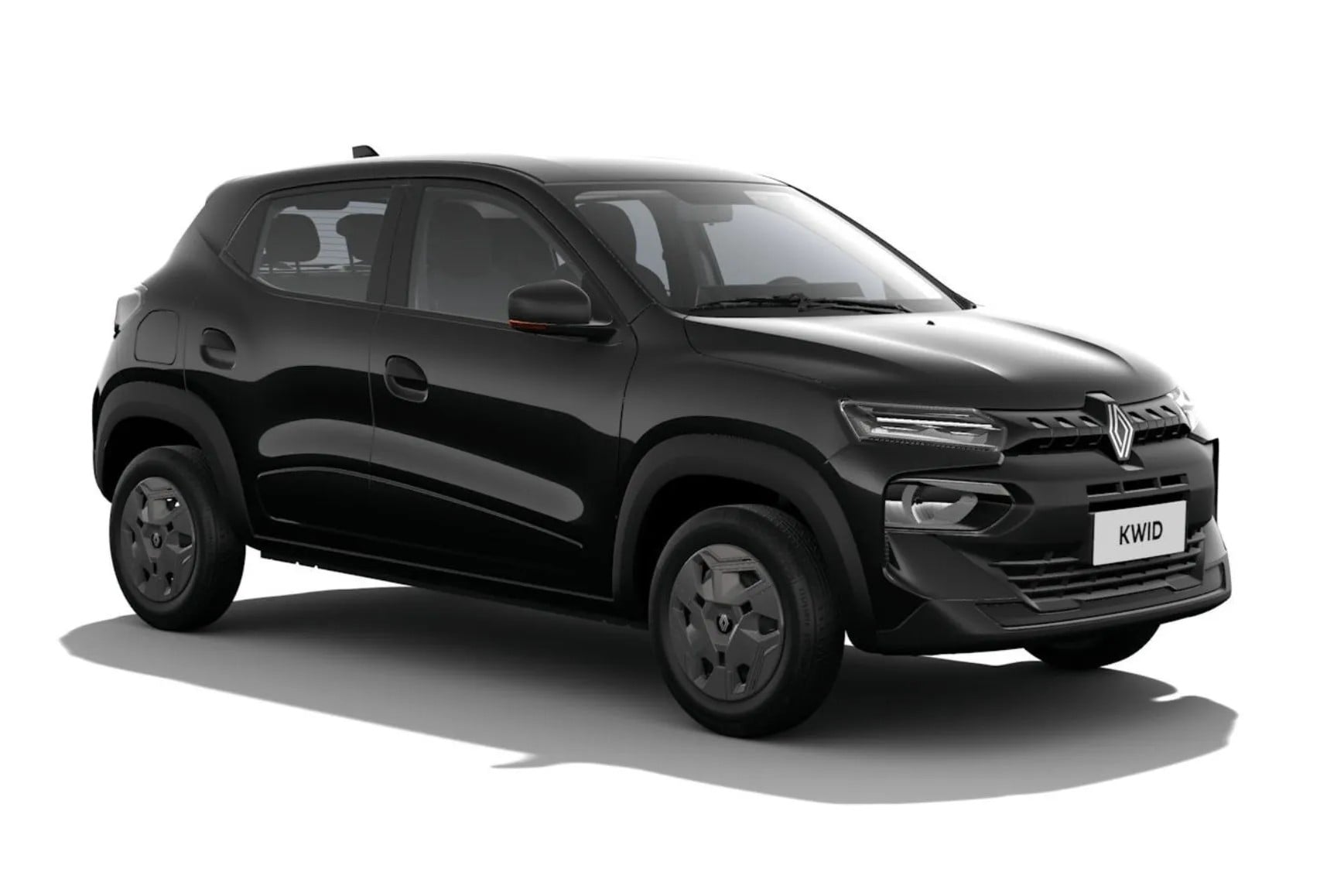
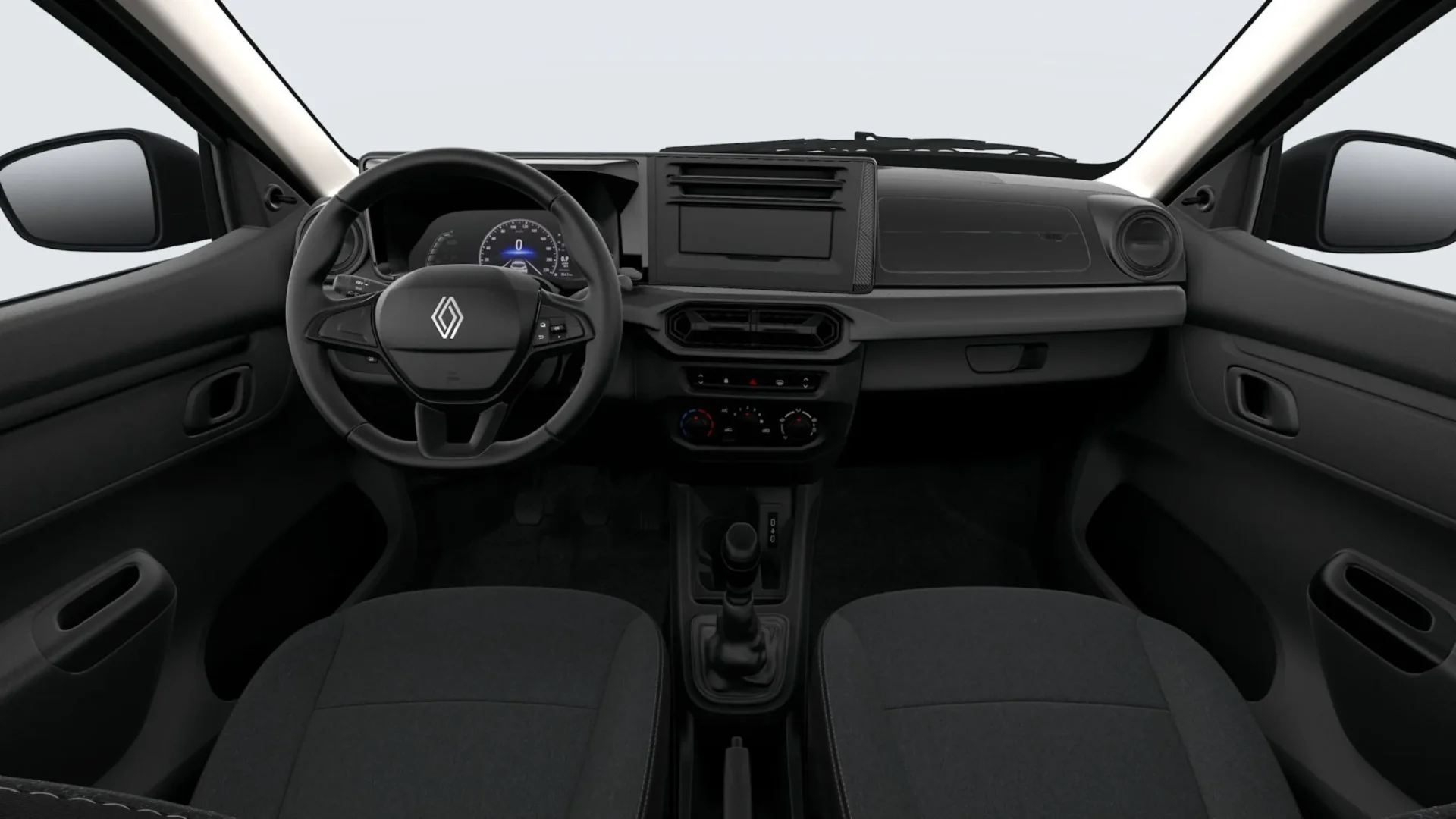
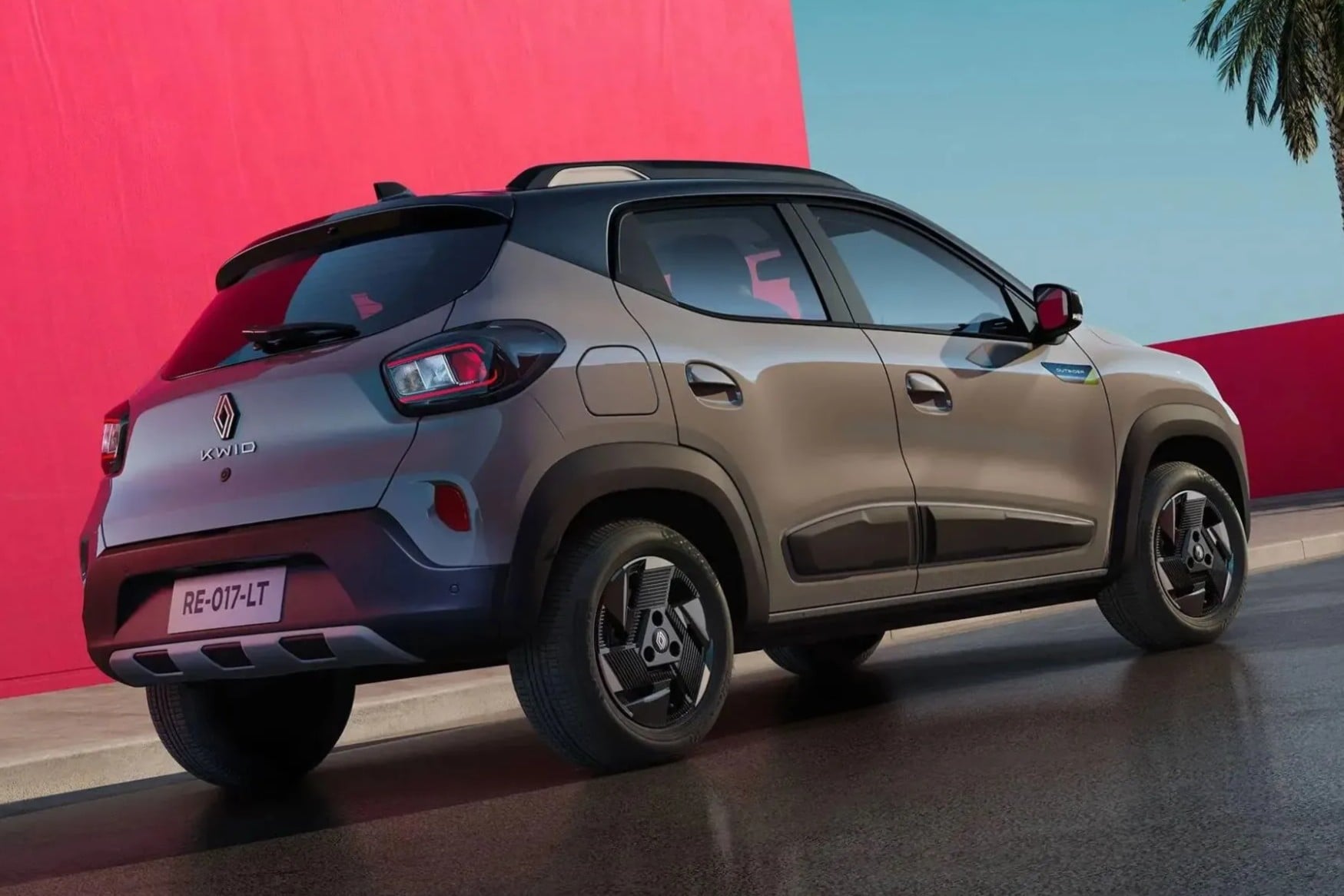
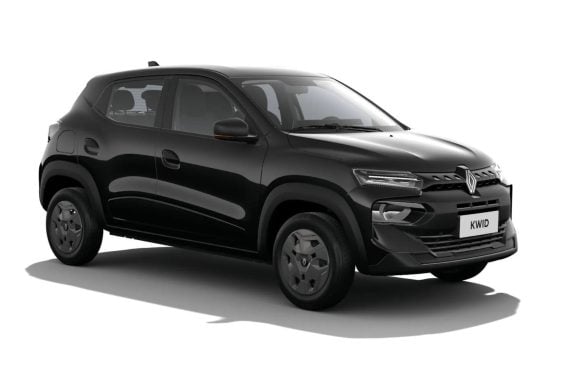
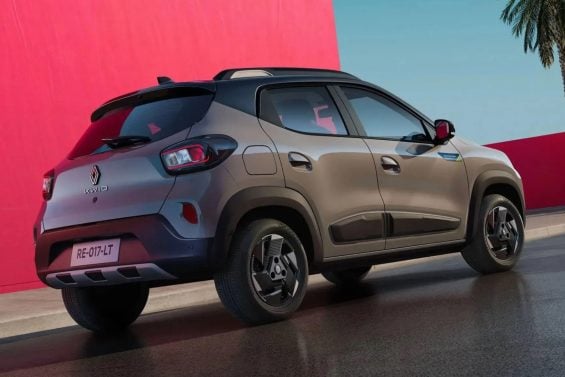
The restyled Renault Kwid that has just arrived in Brazilian stores starts at R$ 82.790. In India, where the same model is produced and sold, the hatch starts at 4.53 lakh rupees, equivalent to about R$ 24 thousand. The two cars share a platform, three-cylinder engine and concept, but the Brazilian costs almost three times more. Part of the difference is explained by content, and part by accounting. The largest share, however, is tax.
Photo: Renault | Disclosure
Why the same car costs three times more here
Anfavea says that Brazil has the highest tax burden on automobiles in the world. In the association’s accounts, IPI, PIS/Cofins and ICMS account for somewhere between 24.7% and 32.3% of the price of a combustion car, a percentage that varies according to the engine. Broader estimates by the entity itself reach 43.7% when taxes embedded in the chain are included. The aggravating factor is the cascade effect: each tax is levied on a price that already carries the previous one.
India has moved in the opposite direction. Since September 22, 2025, the reform known as GST 2.0 has dropped from 28% to 18% the tax rate on cars up to 4 meters with a gasoline engine of up to 1,200 cm³, the range in which the Kwid fits, and extinguished the cess, a surcharge that went from 1% to 22%. The effective charge, which was close to 30%, fell to 18%, and automakers passed on the cut. The Indian Kwid became cheaper overnight.
The comparison has fine
print The Indian price is ex-showroom and does not include registration, mandatory insurance or state tax. Adding these items, the Kwid costs 5.42 lakh to 6.66 lakh in Mumbai, between 20% and 47% above the label. It is worth remembering that one lakh is equivalent to 100 thousand rupees.
Photo: Renault | Disclosure
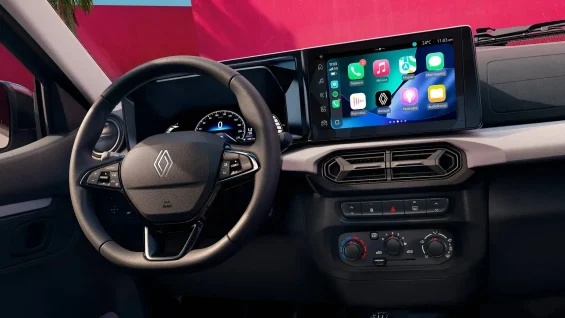
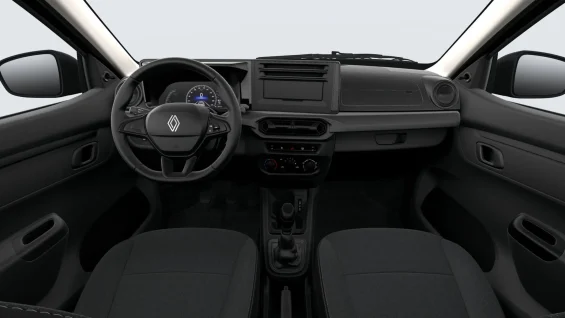
The cars are not twins either. The Brazilian uses a 1.0 flex engine, with 68 hp in gasoline and 71 hp in ethanol, and received in this update a 10.1″ multimedia center and a 7″ digital instrument panel. The Indian runs only on gasoline, underwent a much more timid renovation in July and is offered in two versions, Evolution and Climber. In safety, however, it is not far behind: the 2026 Indian line has six airbags.
Scale also weighs: in Chennai, Renault manufactures for a market where the Maruti Suzuki Alto K10 costs 3.50 lakh and pulls the price floor down. At the Ayrton Senna Complex, in Paraná, the Brazilian Kwid lives with suppliers, salaries and charges of another level.
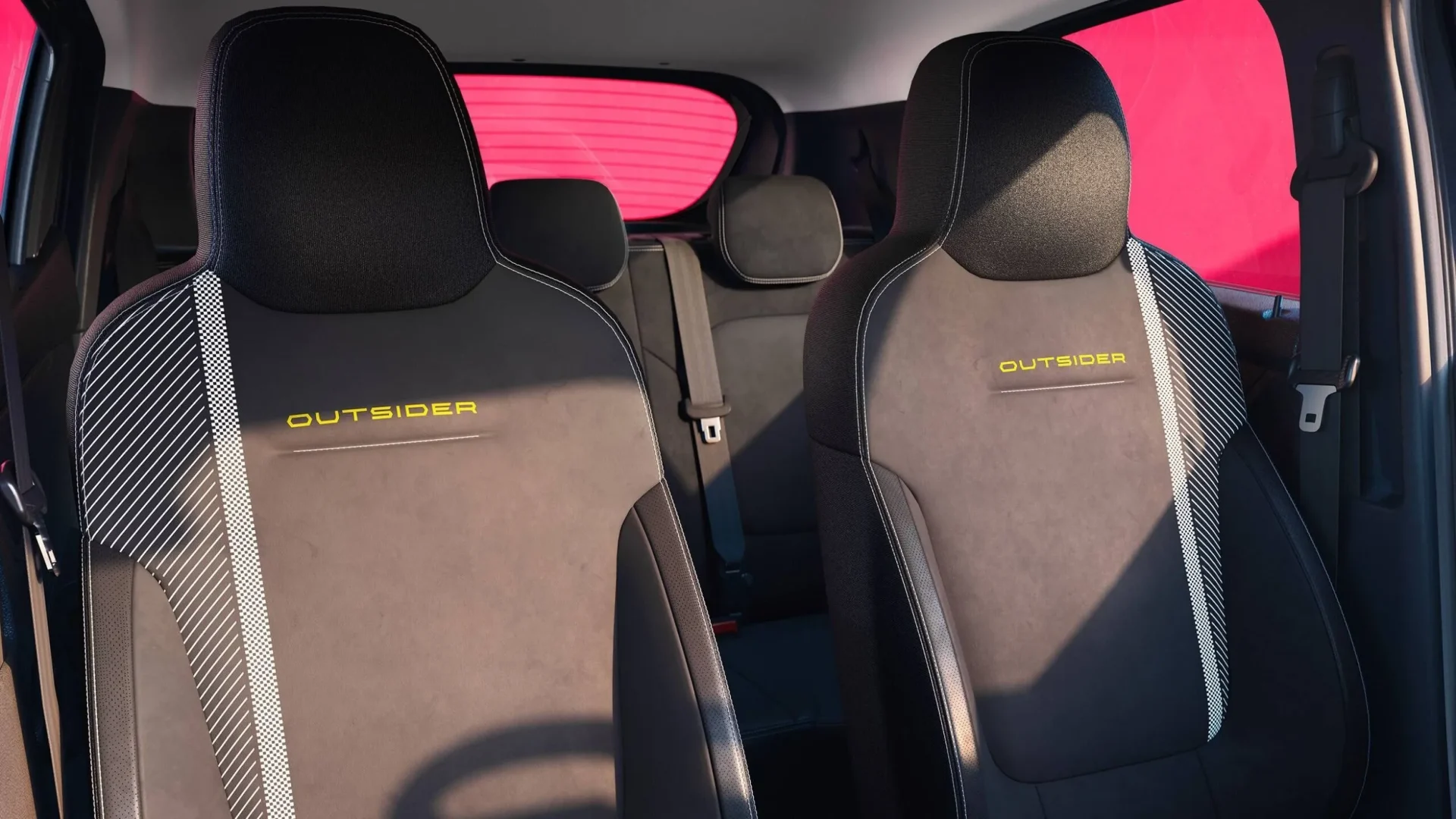
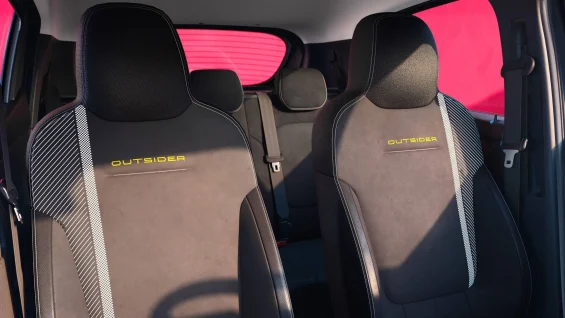
In Brazil, the line costs R$ 82.790 in the Evolution, R$ 87.590 in Techno and R$ 91.890 in the Outsider. Due to the launch, the entry-level version is in promotional condition starting at R$ 71.190. The CMF-A platform, from 2015, and the five-speed manual transmission remain unchanged.
Photo: Renault | DisclosurePhoto: Renault | DisclosurePhoto: Renault | DisclosurePhoto: Renault | Disclosure
Comments are the sole responsibility of their authors and do not represent the opinion of this site. Comments containing profanity or offensive language will not be published. If you identify anything that violates the terms of use, please report it.