BYD admits mistake in delivering 1,265 cars year 2025 to those who paid for the 2026 model
After offering only 1,100 Australian dollars, BYD backed down and leaves the customer to choose between a full refund, exchange for a 2026 unit or compensation
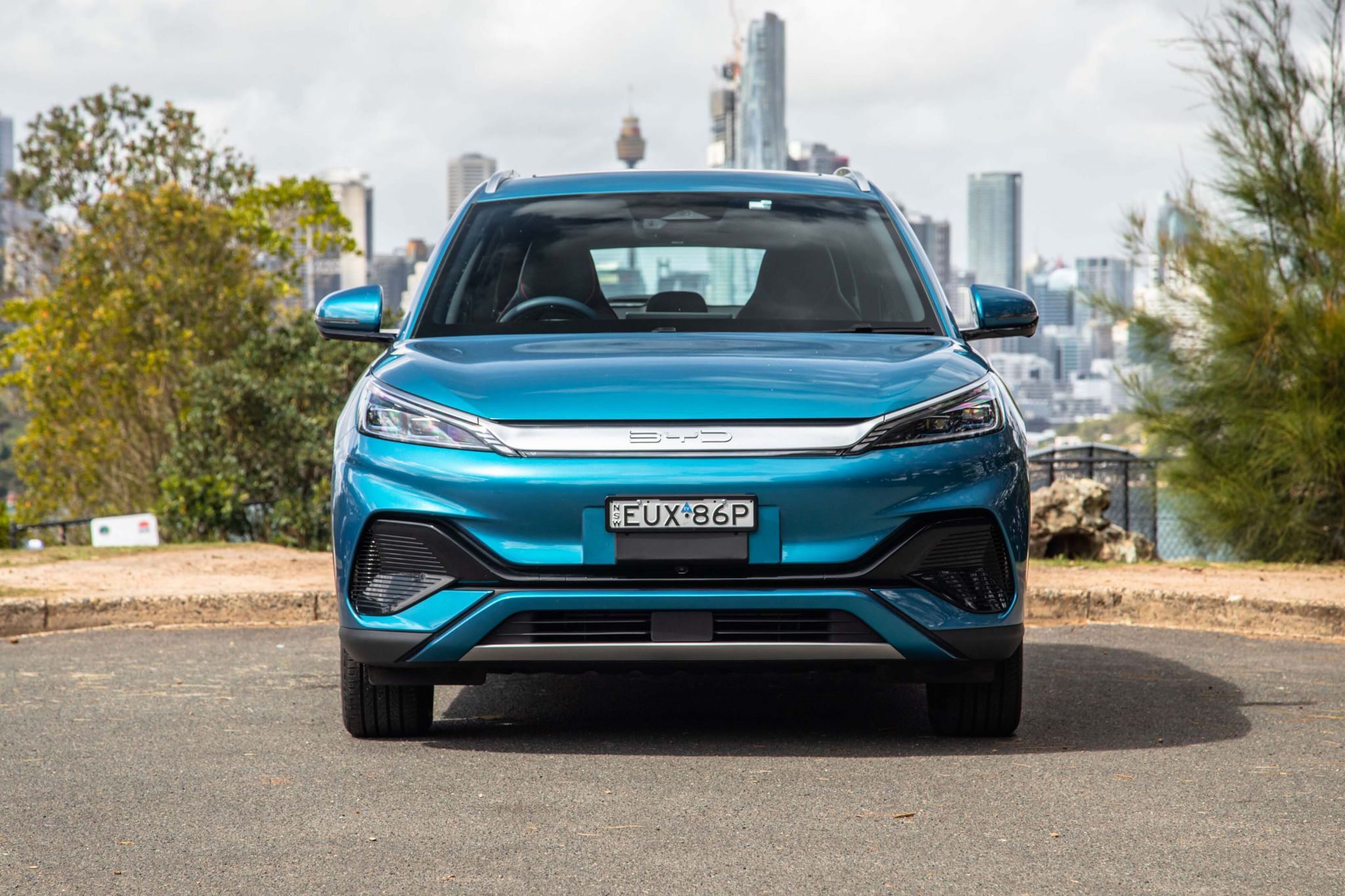
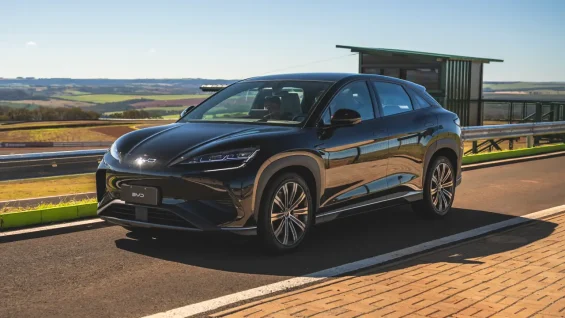
Australian customers received vehicles manufactured in 2025 instead of the 2026 models ordered. (Photos: BYD | Disclosure)
BYD acknowledged an administrative failure that affected 1,265 customers in Australia: the Chinese brand delivered vehicles manufactured in 2025 to buyers who had purchased units with a year of manufacture in 2026. After criticism of the initial compensation, the manufacturer began to offer a full refund of the amount paid to affected consumers.
According to the company, the confusion originated from an internal registration error: the date the cars left the factory was used instead of the actual production date. The incorrect information, according to BYD, would have spread through the service systems and sales documentation, although the official records of the Australian government brought the correct manufacturing data.
The discrepancy affected models such as the Atto 3 electric SUV, the Sealion and the Shark pickup. The manufacturer says that there is no mechanical, warranty or performance difference between the units, which comply with Australian regulations. Even so, the owners’ concern is about the early devaluation of the asset: in the used market, one year less in the document tends to reduce the offers at the time of resale.
The automaker’s first response was criticized for providing only 1,100 Australian dollars (about R$ 3,920, at the current exchange rate, to be reconfirmed in the publication) in compensation, an amount considered low given the size of the problem. Under pressure, BYD expanded the proposal. Customers can now opt for a full refund, exchange the car for a unit effectively manufactured in 2026 — maintaining the promotional conditions of the original purchase — or keep the vehicle received and accept the initial compensation.
Paul Ellis, BYD’s director of public relations in Australia, told the ABC broadcaster that it was a clerical error, with no intention of misleading consumers. The executive also denied that the revision of the proposal was motivated by the repercussion in the press, saying that discussions were already underway. According to Ellis, most of the affected owners would have been satisfied to keep the car and receive payment.
The episode hits the image of a brand on the rise in the country. BYD ranked second in sales in Australia, behind only Toyota, in April, May and June 2026, beating traditional competitors such as Ford, Kia, Mazda and Hyundai. The company says it has reviewed its internal processes to avoid recurrence.
Problems in Brazil
In Brazil, BYD also accumulates complaints related to the delivery of vehicles. A report by Autoesporte showed that customers, especially the PwD (People with Disabilities) public, report months of waiting for cars already paid for — in some cases, paid in cash. In Cuiabá, driver Karyne de Freitas would have waited 130 days for the Song Pro GL and only received the vehicle after obtaining an injunction in court. In Brasilia, the server Gustavo Kaufmann claims to have paid about R$ 160 thousand in cash for a King GS whose delivery was successively postponed.
According to the lawsuits, part of the delays would be linked to the factory’s delay in recognizing payments and linking the chassis, a step that blocks billing at dealerships. BYD claims to treat cases individually, denies systemic failures and maintains that there was no specific contractual deadline for delivery. The dealerships, in turn, attribute the crashes to the automaker.
Comments are the sole responsibility of their authors and do not represent the opinion of this site. Comments containing profanity or offensive language will not be published. If you identify anything that violates the terms of use, please report it.