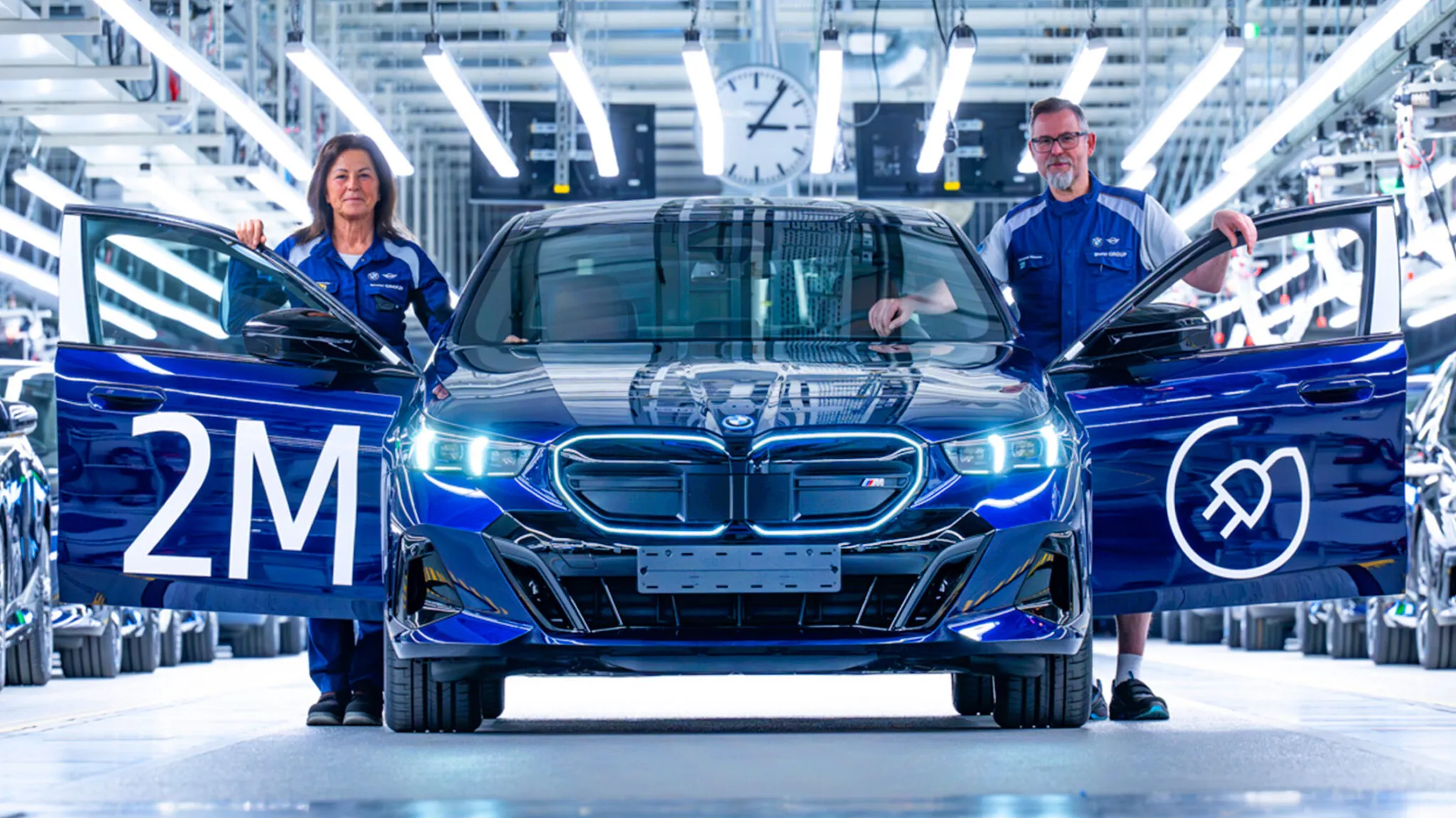
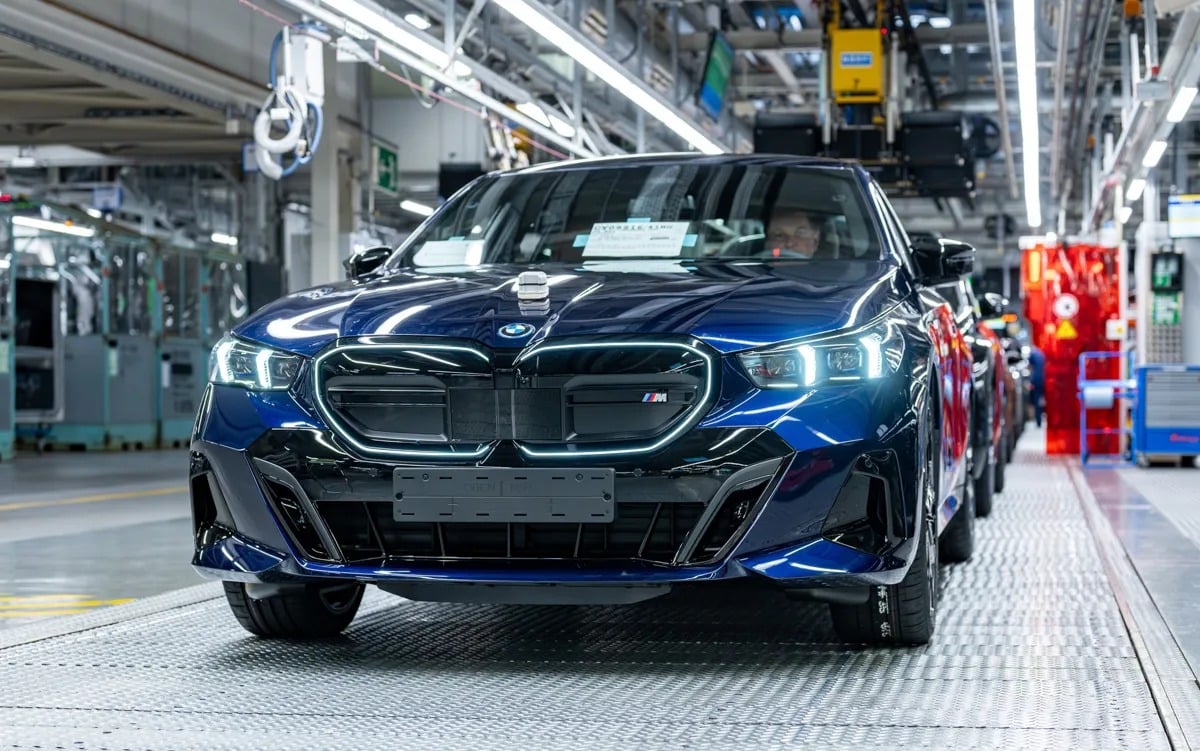
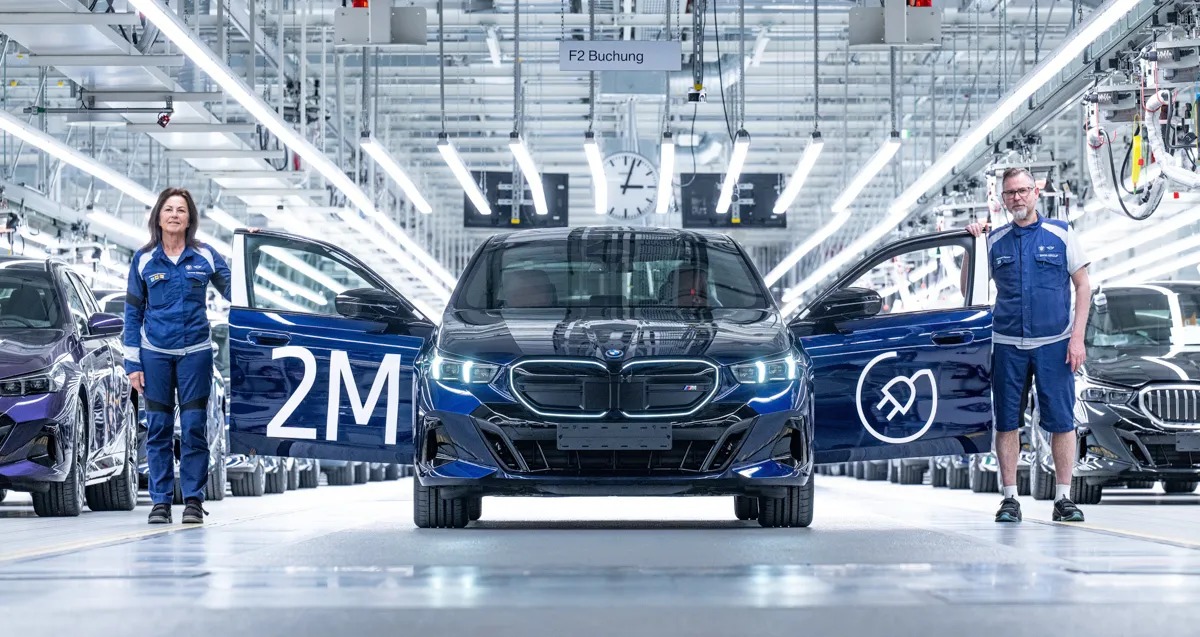
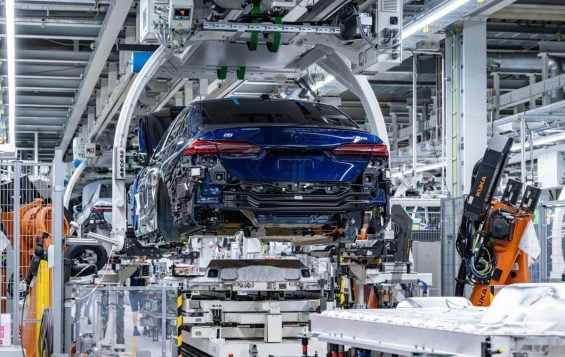
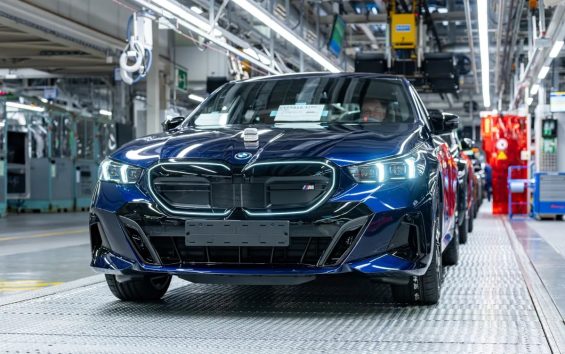
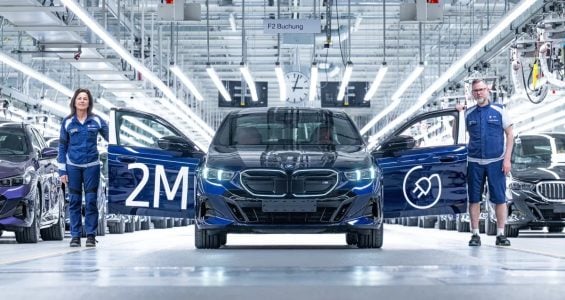
The BMW Group has reached the historic milestone of 2 million electric vehicles produced, consolidating a manufacturing pace five times faster than that recorded in the last decade. While the German manufacturer took 11 years to reach the first million units – a trajectory that began with the pioneering i3 in 2013 – the second million was reached in just two years. The vehicle that symbolizes the milestone, an i5 M60 xDrive with 601 hp and 83.6 kgfm, left the assembly line in Dingolfing, Germany, bound for the Spanish market.
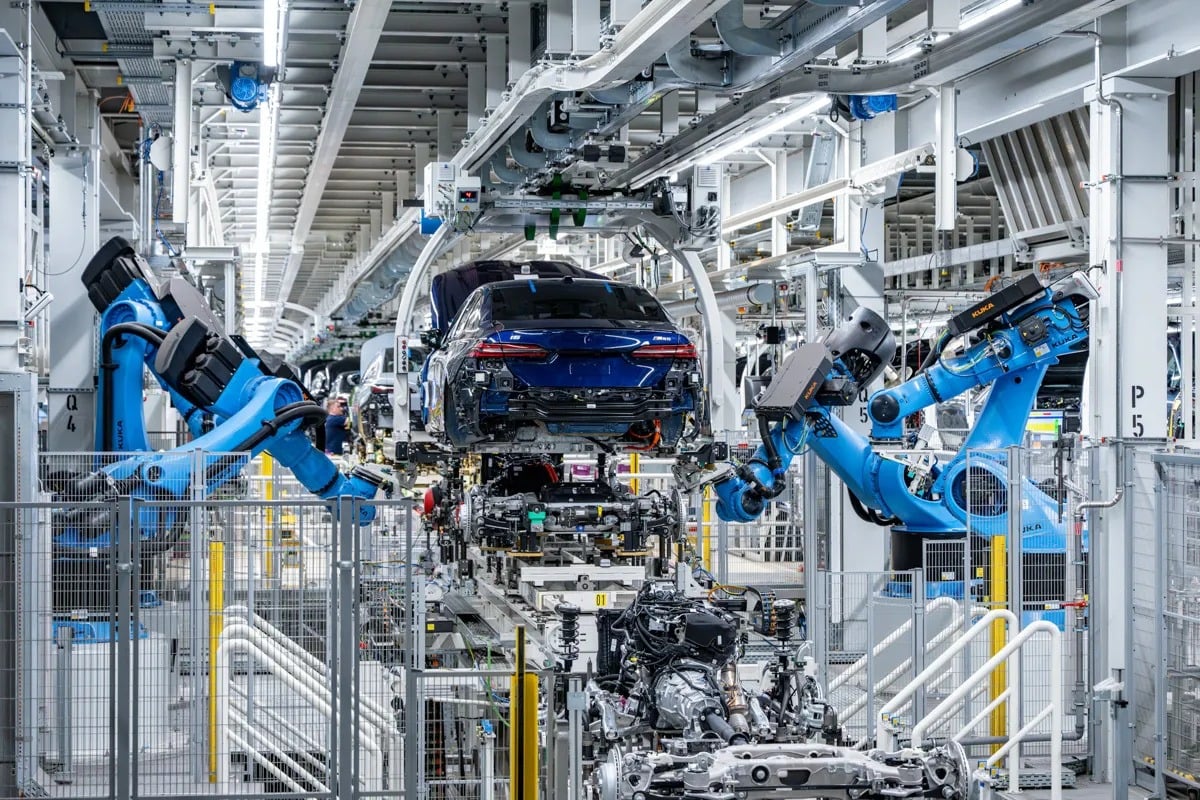
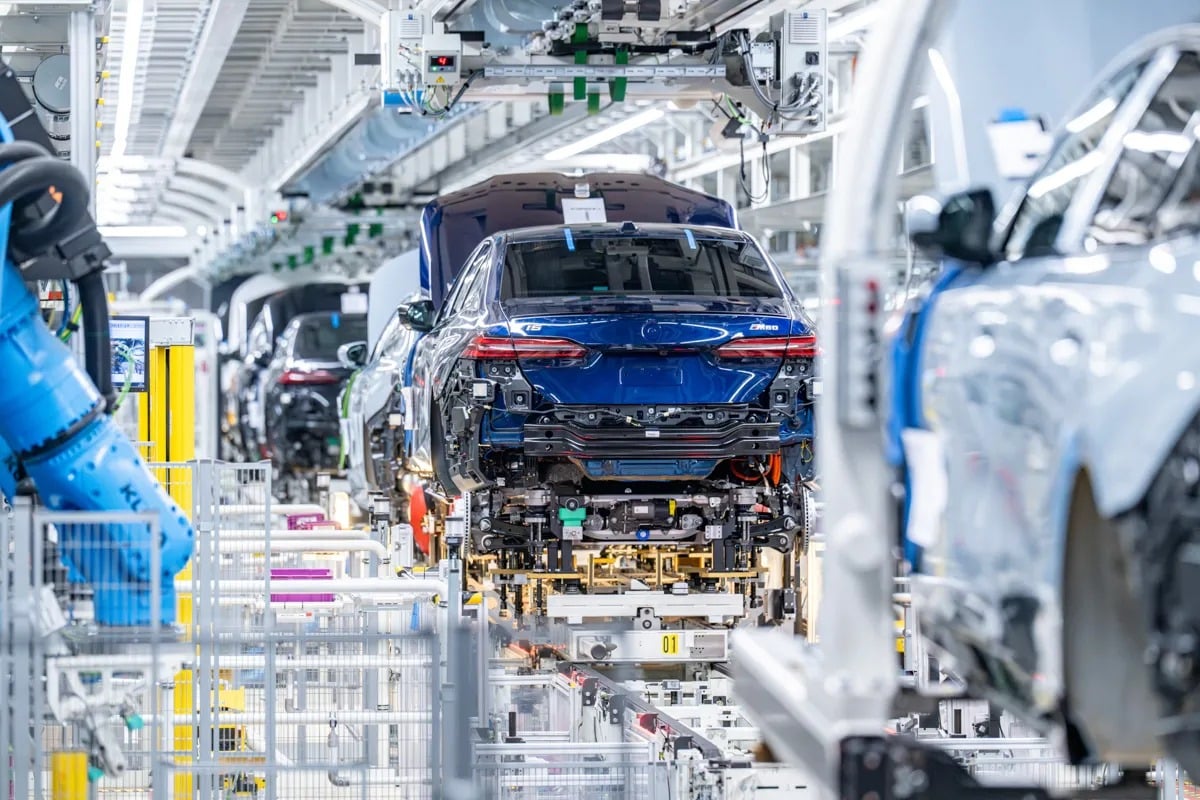
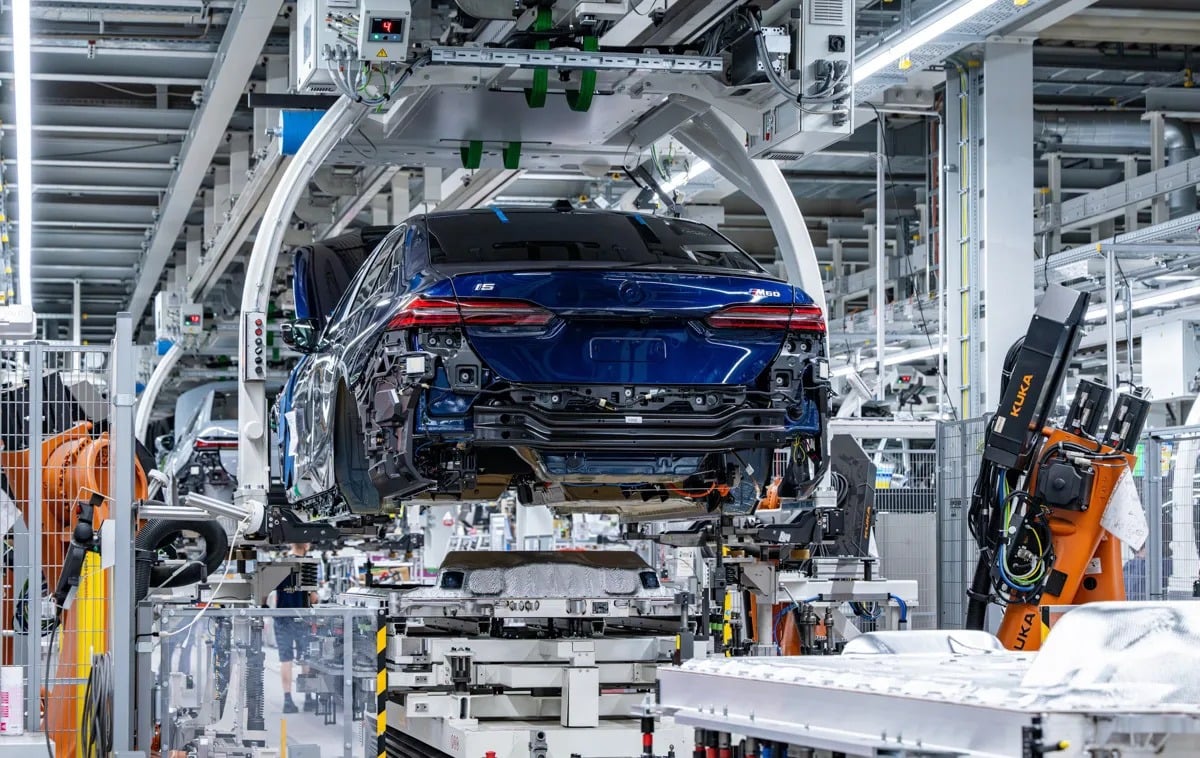
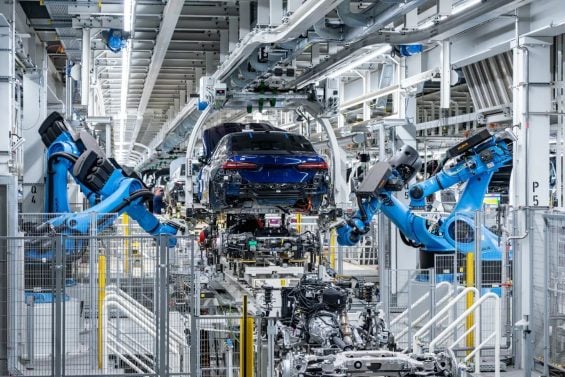
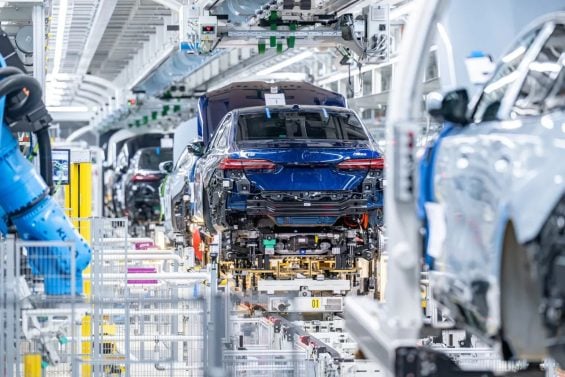
The basis for this acceleration lies in the industrial flexibility strategy adopted by the group. Unlike competitors that have opted for exclusive plants for batteries, BMW maintains assembly lines capable of manufacturing electric and combustion models simultaneously in all its German units. This agility allowed the company to respond promptly to European demand, where electric sales rose 28% in 2025. Currently, one in five models sold by the brand in the European Union is already powered exclusively by batteries.
Contrast in the USA and bet on the “Neue Klasse”
Despite the global record, the scenario presents regional disparities. While Europe advances, the United States recorded a 16.7% drop in sales of the brand’s electric vehicles in 2025, with a sharp decline of 45.5% in the fourth quarter after the end of federal tax incentives. This movement caused a temporary migration of consumers to plug-in hybrid models, which grew 30% in the American market in the same period.
To sustain production volume and catch its breath in markets in transition, BMW is betting on the “Neue Klasse” family. The new architecture, which debuts with the new generation of the iX3 SUV, will serve as the basis for the future i3 (the electric counterpart of the 3 Series) and for an unprecedented SUV derived from the X5. The company’s goal is to unify the technological efficiency and profitability of the fleet, ensuring that the production scale continues to grow exponentially in the coming years.
Comments are the sole responsibility of their authors and do not represent the opinion of this site. Comments containing profanity or offensive language will not be published. If you identify anything that violates the terms of use, please report it.