The evolution of automobiles brought more technology, comfort and efficiency, but it also raised the level of complexity in the automobile sector, and today many of the problems in modern cars are directly linked to this sophistication. From the automatic transmission to the absence of the spare tire, see the five most common problems faced by drivers.
1. Modern Car Problems: Automatic Transmission Defects
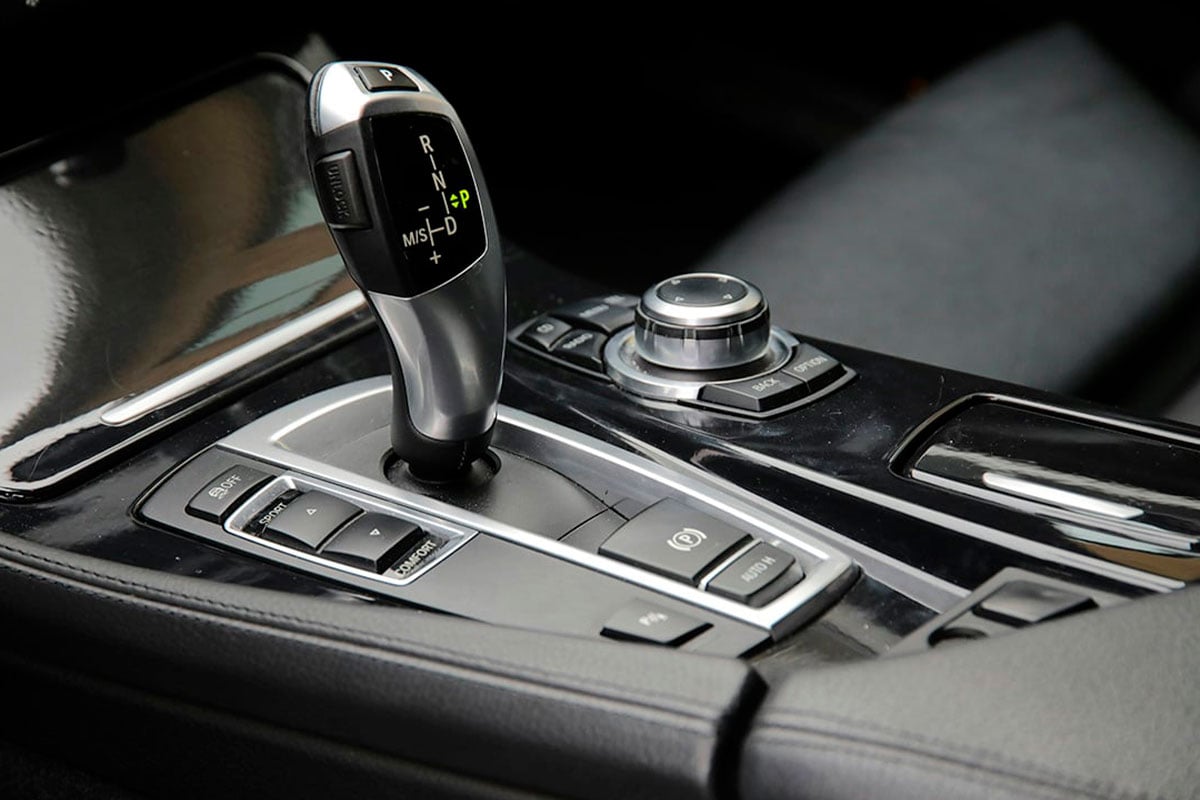
Automatic cars have already become the majority in Brazil and, with that, the problems in this type of transmission have also grown. Unlike the manual, the automatic transmission requires strict preventive maintenance, especially changing the fluid on time.
Lack of this care can cause overheating, internal wear and serious failures throughout the transmission system.
Another point is the variety of technologies for automatic. There are several types of transmission in this category: CVT, conventional automatic and also automated — with one or more clutches. Each of them still varies from manufacturer to manufacturer, which, adding it all up, further increases the risk of errors at the time of maintenance or even in driving mode.
In the end, all these differences further complicated the care of having a car gearbox. In addition, corrective maintenance has a much higher price.
2. Software failures and update
Modern cars work like real computers on wheels. Electronic systems control the engine, gearbox and even safety items.
As a result, software failures and the need to update have become commonplace. Bugs can lead to performance loss, dashboard alerts, or erratic operation.
Among the most common symptoms are momentary failures in the gearbox, loss of power, sensors that show an error for no apparent reason and even complete breakdowns that prevent the car from working.
Until a few years ago, the famous Tesla suffered from the electronics of its models. Cases have reverberated and become famous, such as when the manufacturer had more than 300 thousand cars recalled in the United States, all motivated by failures in autonomous driving caused by software problems.
In other cases, the solution depends on specific equipment, which limits repair outside dealerships.
Integration between systems also increases the risk of chain failures. An error in one module can affect others, since everything is connected. In more complex cases, a simple electronic failure can immobilize the vehicle, even if there is no real mechanical problem.
There is also the issue of durability. While mechanical components show predictable wear and tear, software can become obsolete or incompatible over time. This raises discussions about long-term support from automakers and the impact on resale value.
3. Problems of modern cars: engines with direct injection
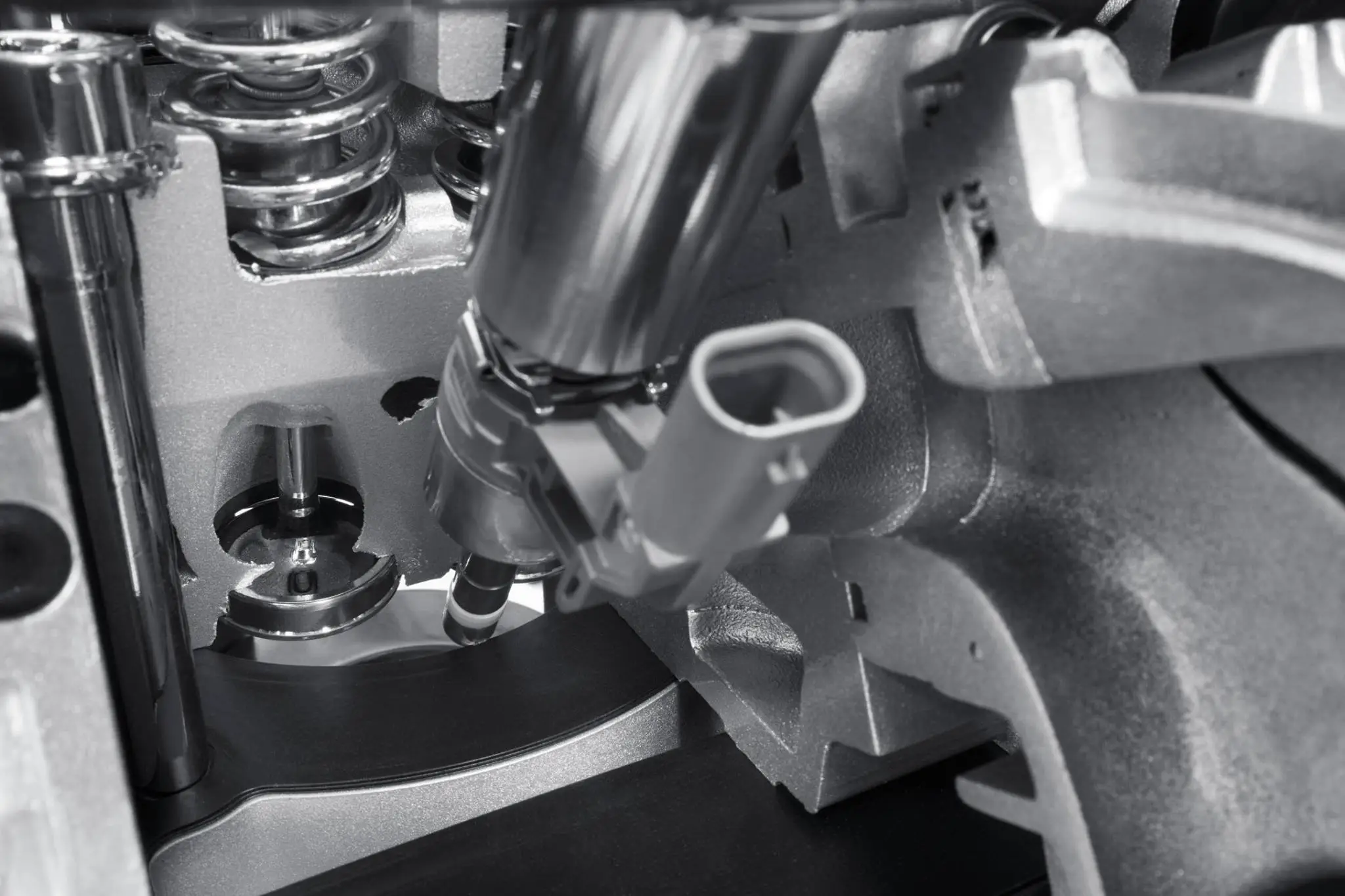
More efficient and economical, direct injection engines have become common in modern cars, but they are also among the main points of attention. Unlike traditional systems, the fuel is injected directly into the combustion chamber, at high pressure – which improves performance, but increases the sensitivity of the assembly.
One of the most frequent problems is the accumulation of carbon in the valves, since the fuel does not pass through this region for “cleaning”. This can cause loss of power and uneven operation.
In addition, the injector nozzles work under high pressure and are more vulnerable to impurities. In a scenario where adulterated fuel is still a concern, the risk of failures increases.
Although they bring gains in efficiency, these engines require good quality fuel and more careful maintenance.
4. Battery change and improper presentation
The automotive battery, although a basic component, has gained greater importance in modern cars due to the high electrical demand. Today, in addition to the start-up, it feeds multimedia centers, sensors, electronic modules and security systems.
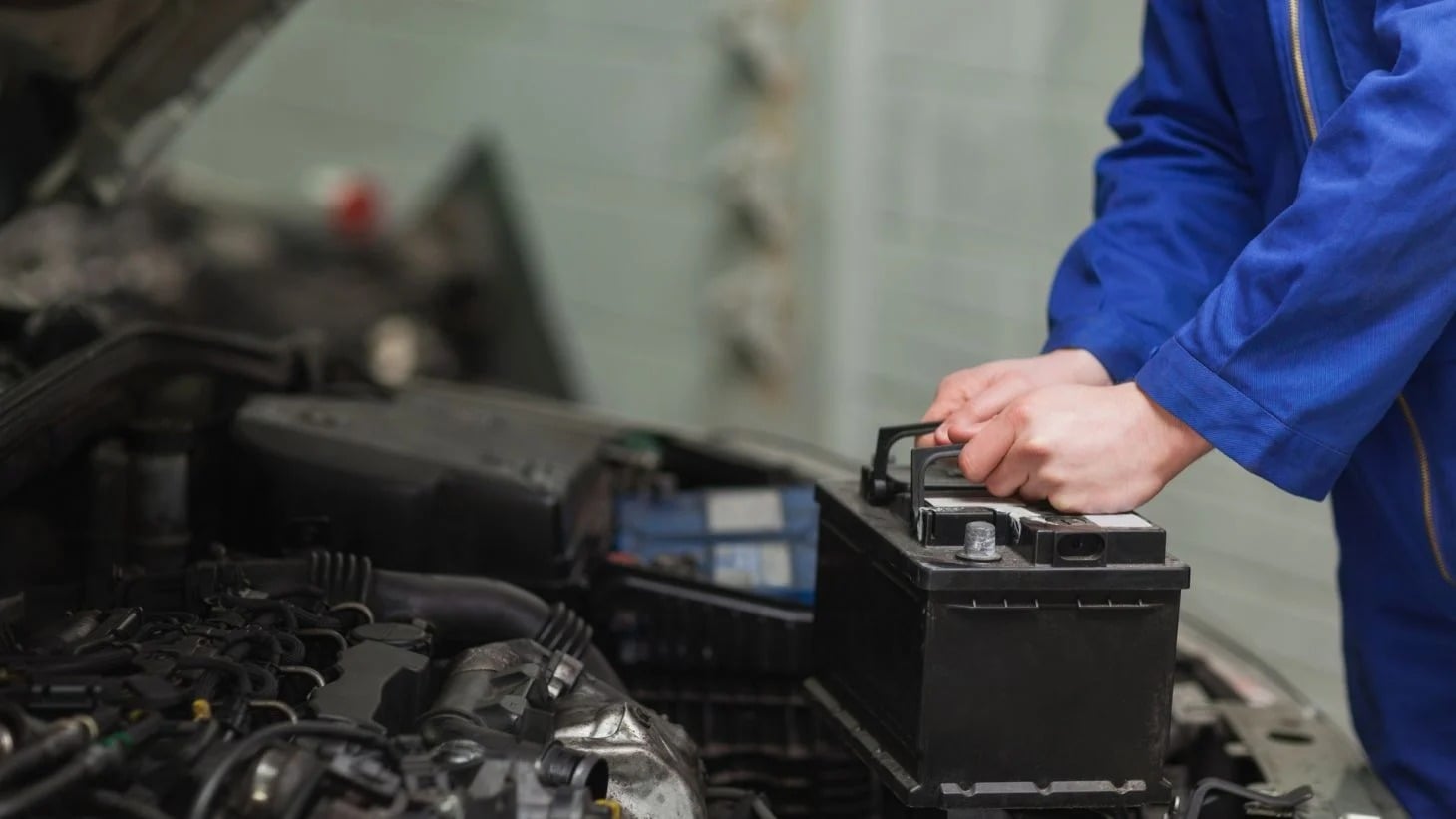
With this, simply changing the battery is no longer a trivial procedure. One of the most common problems is in the so-called “battery presentation”, a step in which the compatibility of the part is checked before installation.
When this check is not done correctly — whether due to the choice of an inappropriate model, lower capacity (Ah) or incorrect position of the poles — the vehicle can have electrical failures, difficulty in starting and even breakdowns in electronic systems.
In more modern models, replacement may also require specific procedures, such as registering the new battery in the car’s system, especially in vehicles with electronic charge management. Without this, the operation can be irregular and even reduce the useful life of the part.
Another point of attention is the sensitivity of the electronic systems during the exchange. An installation done without proper care can generate loss of configurations, failures in modules or even alerts on the panel.
5. Lack of spare tire and use of repair kit and run flat
One of the last of this top 5 biggest problems with modern cars is the lack of the spare tire.
The extra wheel and tire, which were used for momentary replacement in case of need, have been replaced by the simple repair kit. The justification is weight reduction, improved consumption and even adaptation to more compact designs (in addition, of course, to the reduction of manufacturing costs). In daily use, however, the reality is less favorable to the driver.
The repair kit is limited to simple holes in the tread and does not solve situations such as side cuts or more severe damage. In these cases, the car is stopped, with no immediate alternative.
In addition, the sealant used can compromise the tire and even components such as the pressure sensor, increasing the cost of a problem that would previously be solved with a simple replacement for the spare tire.
The driver may still find it more difficult to repair the tire than to change it.
Without the spare wheel, the driver loses autonomy and starts to depend on external assistance, especially in remote places or highways. What was a quick and practical solution turns into an inconvenience.
The car that does not have a spare tire can still come with another repair technology, less laborious and automatic, but also with its problems: the run flat.
As our dear publisher Boris Feldman always addresses in his tips, run flat tires are an excellent solution. However, on Brazilian roads, the story is different.
Run flat technology allows the tire to run a few tens of kilometers (most about 80 km), at low speed, even if it is deflated or punctured. A good way out for those who can’t stop right away.
However, the run flat suffers from the same problem as the repair kit. It is not prepared for tears and can leave the driver stopped in the middle of the road.
Comments are the sole responsibility of their authors and do not represent the opinion of this site. Comments containing profanity or offensive language will not be published. If you identify anything that violates the terms of use, please report it.