


Artificial intelligence to buy a car? 57% of consumers already use AI for this purpose
Technology expands the research phase in the automotive market, allowing the analysis of complex costs and specifications before visiting the dealership
By
Julia Vargas
Published on 2026-09-09 at 06:00 AM
Published on 2026-09-09 at 06:00 AM
Be the first to comment.
Summarize with:
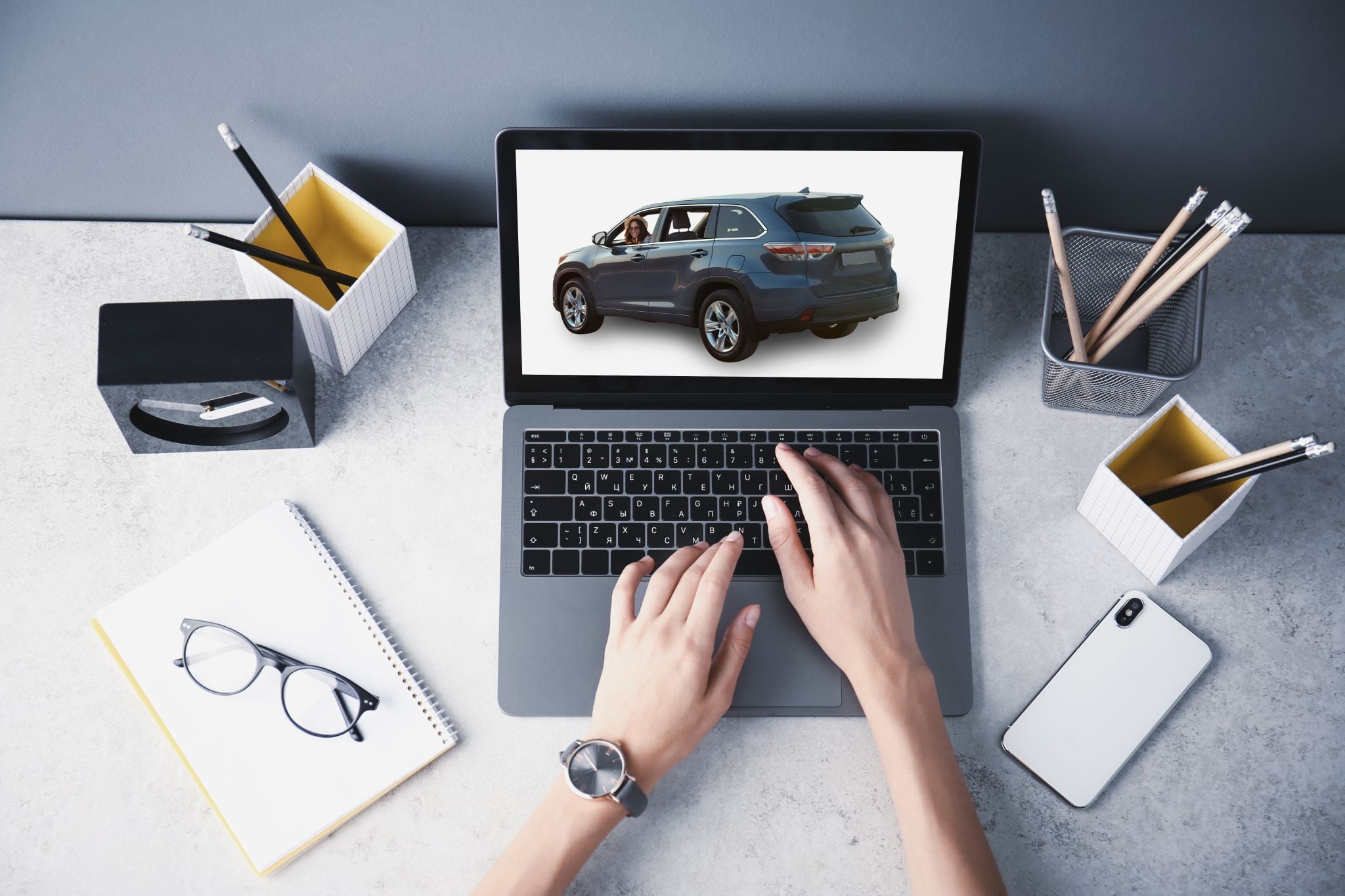
Artificial intelligence is already part of many people’s daily lives, but now it has also become part of the vehicle buying journey in Brazil. According to a national Google survey presented during the Anfavea Visions 2026 event, 57% of Brazilian consumers use AI tools in the process of choosing a car, while 13% already delegate part of their decisions to this technology.
The transformation in buyer behavior occurs in parallel with the strengthening of financial planning in the sector, in which the light vehicle consortium segment registered a growth of 4.2% in the first half of 2026.
How Artificial Intelligence Helps in Vehicle Research and Choice
The study reveals that the use of artificial intelligence does not necessarily reduce the total time of the purchase journey. On the contrary: by facilitating access and organization of a large volume of data, technology usually expands the research phase, encouraging consumers to evaluate a greater number of alternatives before closing the deal.
AI tools have been employed to:
- Gather technical characteristics and compare different versions of models.
- Organize and analyze information on fuel consumption, maintenance, insurance, and embedded technologies.
- Understand more clearly the costs associated with both the acquisition and the continuous use of the vehicle.
With this data organized in advance, the buyer reaches the next stages of the negotiation with more robust parameters to support his decision.
Complexity of the automotive market requires data
organization The adoption of artificial intelligence in the purchasing process coincides with profound transformations in the automotive industry. The expansion of the offer of electrified vehicles, new connectivity features, advanced driving assistance systems (ADAS) and new propulsion technologies have made the choice of car more complex.
Currently, consumer evaluation goes beyond comparing prices, engines, and traditional equipment. The automobile itself has become more digital, with consumers globally demonstrating openness to customization features by artificial intelligence and remote software updates. In this highly technological scenario, tools capable of gathering and structuring information gain a central role before purchase.
Despite technological advancements, artificial intelligence acts as an enabler, but it does not replace the individual buyer’s assessment. Factors such as available budget, purpose of use, and ongoing property expenses remain determinant. While technology helps with the research stage and scenario mapping, the final decision remains tied to each person’s budget, purpose of use, and financial planning.
Digital beginning of the journey and the advancement of the consortium
market The incorporation of AI into vehicle research consolidates a trend that is developing in the digital environment: the purchase decision begins long before the customer visits a dealership or point of sale. Model research, cost comparison, and the study of acquisition modalities occur in advance in online channels.
This behavior focused on research and planning is also reflected in the consortium market. According to data from the Brazilian Association of Consortium Administrators (ABAC), the light vehicle segment ended the first half of 2026 with 995.83 thousand shares sold, a growth of 4.2% compared to the same period in 2025. As a result, the segment remained at the top of the Consortium System in terms of volume of adhesions.
SEE MORE ABOUT

0 Comments
Comments are the sole responsibility of their authors and do not represent the opinion of this site. Comments containing profanity or offensive language will not be published. If you identify anything that violates the terms of use, please report it.