


Alcohol-fueled cars are the pride of Brazil, but the idea was already defended by Henry Ford a century ago
A bet defended by Henry Ford more than a century ago sustains Proálcool, flex-fuel engines and the new generation of ethanol hybrids
By
Júlia Haddad
Published on 2026-09-18 at 11:00 AM
Published on 2026-09-18 at 11:00 AM
Be the first to comment.
Summarize with:
No country has bet as much on ethanol as Brazil, and on three waves: the Proálcool of the 1970s, the flex from 2003 and, now, the hybrids that also accept alcohol. The idea behind the three, however, is more than a century old and was born far from here, with Henry Ford.
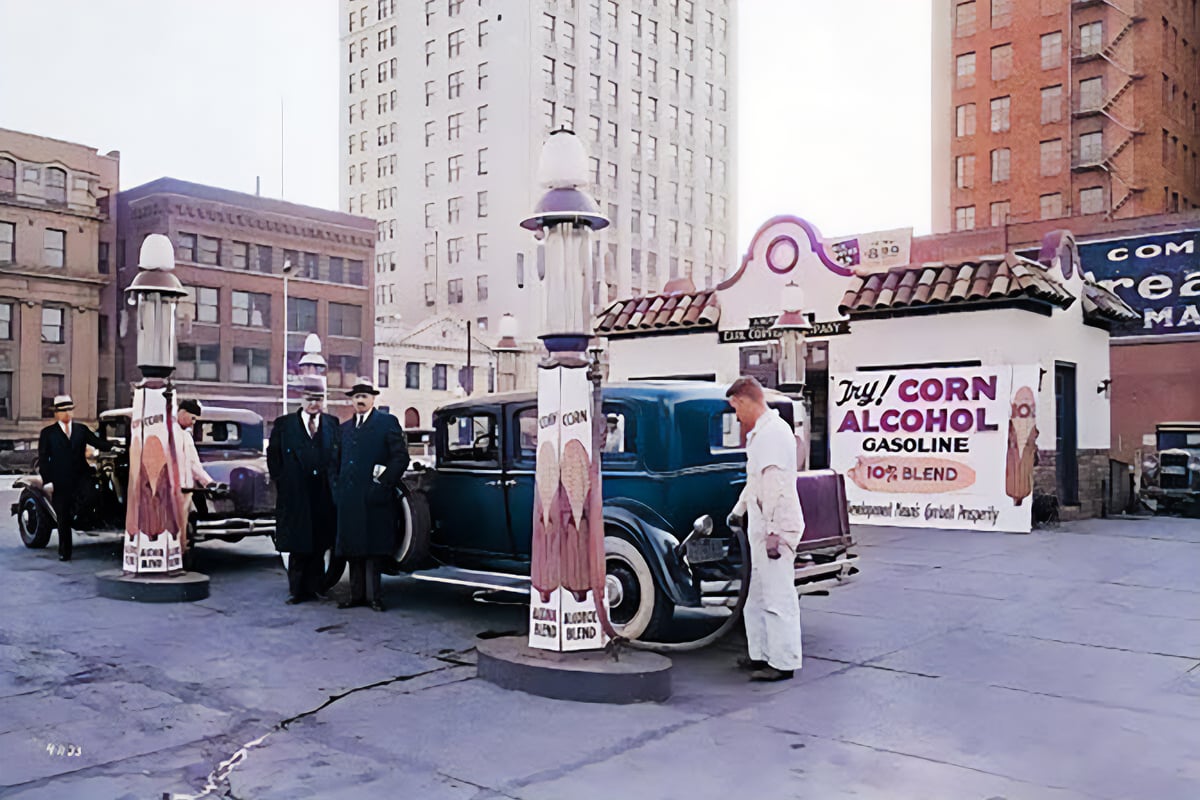
At the beginning of the twentieth century, the future of the automobile was still open. Many engineers bet on electricity; Ford, on ethyl alcohol, which was produced locally, burned cleaner than the gasoline of the time and freed the industry from imported oil. For him, the fuel of the future would come from the countryside.
Why Gasoline Won Twice
The discovery of large oil reserves in the early twentieth century in the U.S. drove down the price of gasoline, while the refinery network expanded. Prohibition, between 1920 and 1933, still made the production of alcohol practically illegal, even for industrial use.
The idea would return to the debate in Brazil after the oil shock of 1973. As the country imported more than 80% of what it consumed, the Ernesto Geisel government created Proálcool in 1975 to stimulate sugarcane and alcohol in the tank. In a decade, cars powered only by ethanol reached 85% of new sales, a record in 1985.
The lead was short-lived: the fall in oil prices and the rise in sugar prices made sugarcane more profitable for food than for the tank, and the lack of supply undermined the driver’s confidence. Ethanol only regained ground in the 2000s, with flex, which ended the obligation to choose a fuel.
The third wave is underway. Since August 2025, gasoline at gas stations carries 30% anhydrous ethanol, against 27%. And electrification has arrived adapted to alcohol: Toyota launched in 2019 the Corolla, the first flex hybrid made in Brazil, and BYD produces in Camaçari (BA) the Song Pro and Atto 2 plug-in flex.
The account is fiscal, not technical
In Europe, the bet only prospered where the tax allowed. In France, a liter of E85 Superethanol, with 65% to 85% alcohol, costs about R$5.24 (0.88 euros), less than half of the R$13.27 (2.23 euros) of regular gasoline, because the ethanol portion is almost tax-free. Consumption jumped 83% between 2021 and 2022, in the wake of the yellow vest revolt.
France accounts for 25% of European bioethanol production and holds 8% of the superethanol market. Germany (16%), the United Kingdom (12%) and Spain (11%) produce on a large scale, but do not encourage E85: there ethanol is taxed as gasoline and goes to the E5 and E10 blends or for export. The exception was Sweden, between 2002 and 2008.
Here, ethanol came out for R$ 4.05 in the national average in August, against R$ 6.65 for regular gasoline, according to the ANP. The parity is around 70%, which makes it advantageous in the flex tank, although the expansion of sugarcane continues to be scrutinized due to its relationship with deforestation.
SEE MORE ABOUT

0 Comments
Comments are the sole responsibility of their authors and do not represent the opinion of this site. Comments containing profanity or offensive language will not be published. If you identify anything that violates the terms of use, please report it.