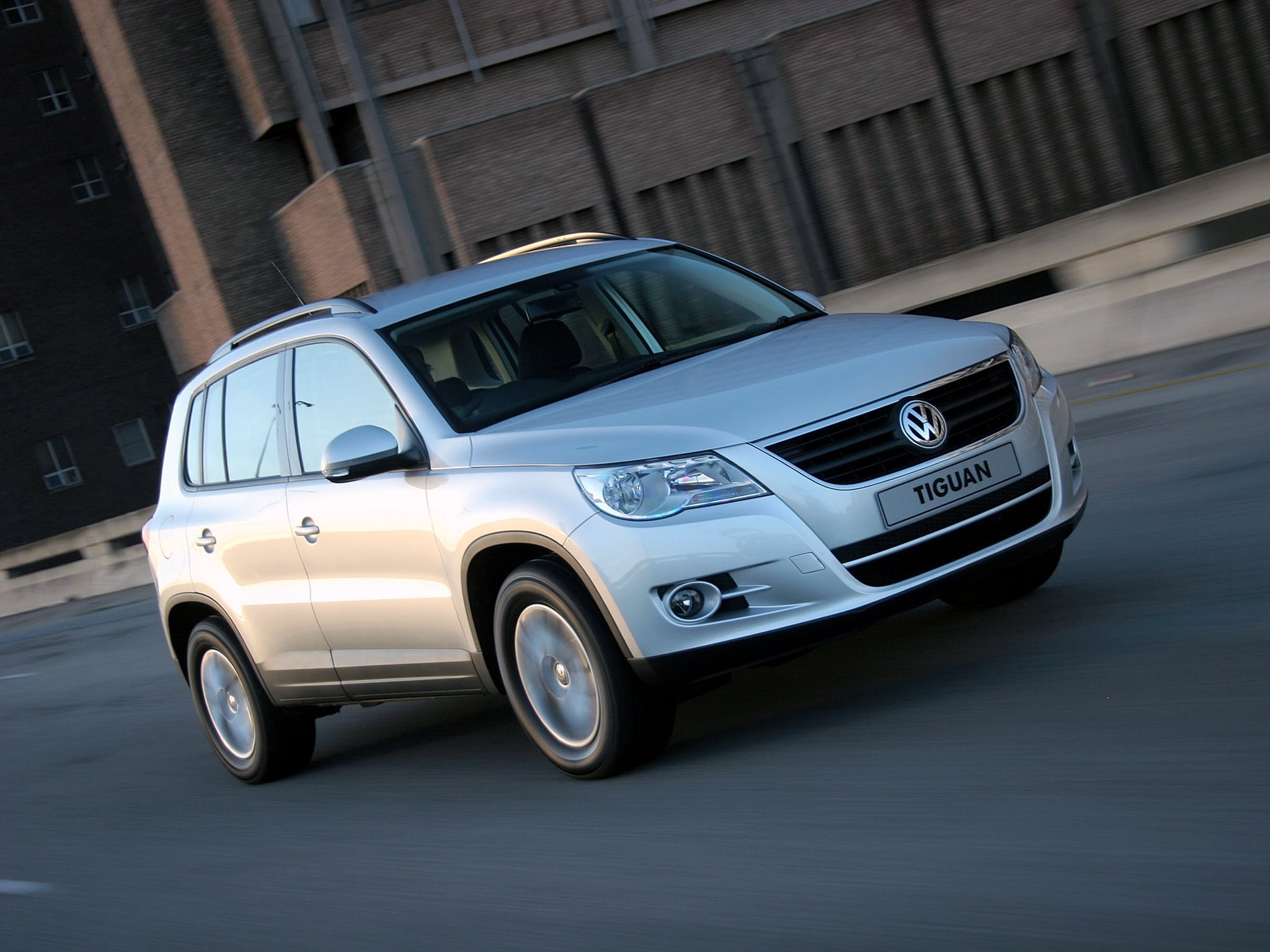
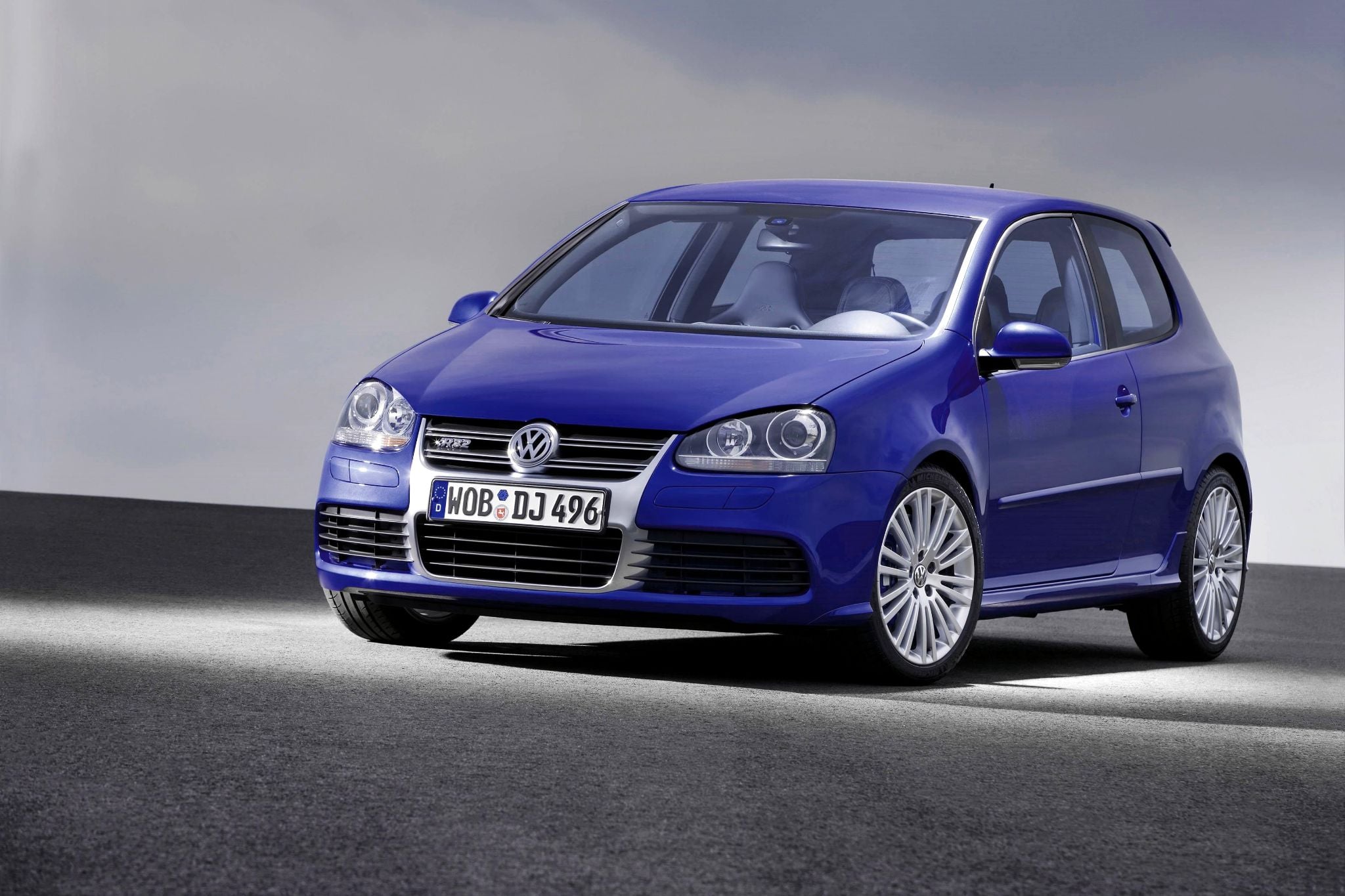
When the Tiguan landed in Brazil, Volkswagen was still groping for the terrain of SUVs. The brand had more tradition in hatchbacks, sedans and station wagons, but it lacked a sport utility vehicle that would appeal to the urban consumer.
The Volkswagen Tiguan came precisely to fill this gap: a compact-medium SUV with a Golf soul, TSI engine and that European look to try to add a certain dose of status.
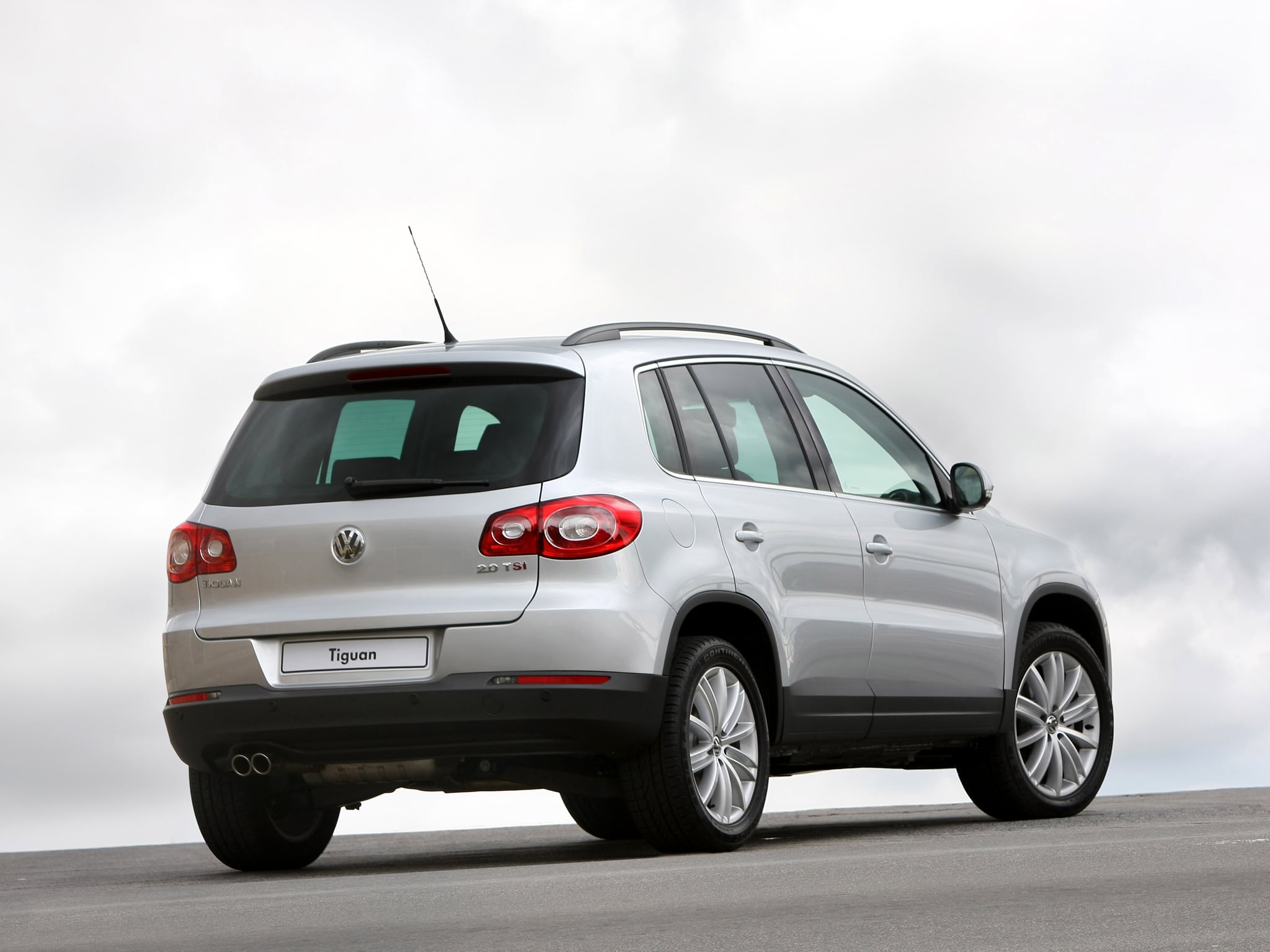
The Tiguan shared practically everything with the Golf, including the 2.0 turbo engine
The 2011 model year marks an important moment in this first phase of the Volkswagen Tiguan. The car was already better known and the market began to look more fondly at urban SUVs.
But the Tiguan was distinguished by its powerful mechanical set and all-wheel drive. Perhaps to compensate for the lean dimensions.
See now 10 facts about the Volkswagen Tiguan.
1. Trajectory of the Volkswagen Tiguan
The history of the Tiguan in Brazil begins in 2009, when the model arrives imported from Germany with the 2.0 TSI engine of 200 hp and 4Motion all-wheel drive. It was a different SUV from what the market was used to: lower, firmer, more “car” than “jeep”.
The first visual change came in 2012, with the restyling that updated headlights, grille and bumpers. That same year, the R-Line version appears, with a sporty appeal and a more aggressive look.
In 2016 this first Tiguan even had an entry-level version. Equipped with a 1.4 TSI engine of 150 hp, it was only sold with front-wheel drive.
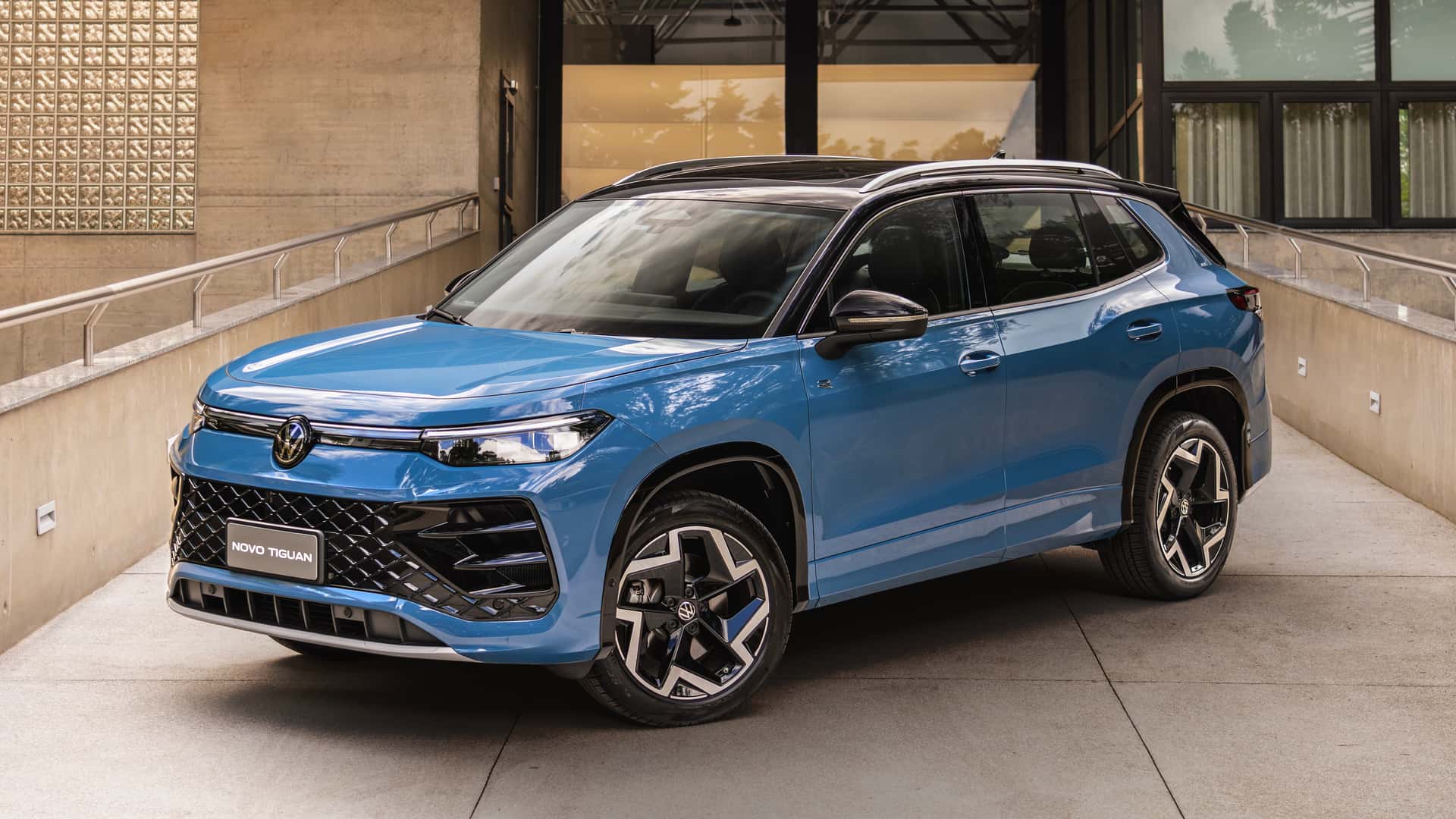
Current generation Tiguan is a show of how the SUV has evolved in dimensions and contents
The second generation appeared in 2018, imported from Mexico larger, more spacious and with a seven-seat option, repositioning the Tiguan as a family SUV. Reinforced by the surname Allspace.
Interestingly, the SUV was not imported between 2021 and 2023. It came back updated, with a 2.0 engine with 186 hp and an eight-speed automatic transmission.
Now in 2026, Volkswagen started importing the third generation of the Tiguan. It is the most powerful of all, with a Jetta GLI engine that yields 272 hp, but without the configuration with two extra seats.
In any case, the first generation of the Volkswagen Tiguan – especially the years between 2009 and 2011 – remains the most “roots”. The one that delivers the closest experience to a vitaminized Golf.
2. Performance
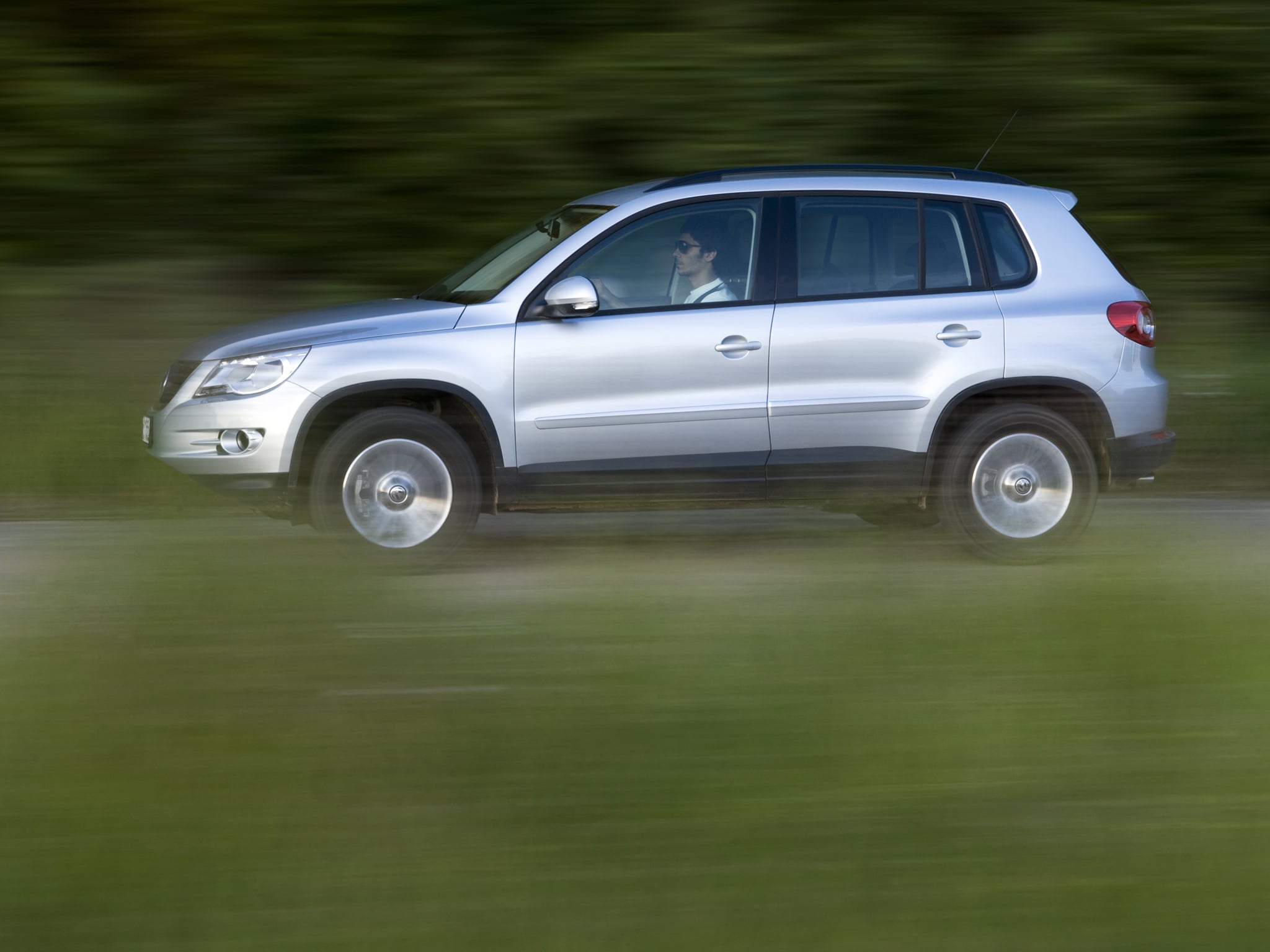
The Tiguan 2011 is an SUV that rides as a medium sports hatch. The 200 hp 2.0 TSI engine of the EA888 family pushes with will from low revs, and the turbo fills up fast.
15 years ago, the performance of the Tiguan 2.0 was impressive, thanks to the excellent torque offer, around 28 kgfm
The accelerations are strong, with 0 to 100 km/h in around 8 seconds, and the resumptions are even more impressive. Just touch the accelerator for the 28,5 kgfm to appear from 1.700 rpm for the car to gain speed easily.
The six-speed automatic transmission is not the fastest in the world. At least, it works smoothly and intelligently. In urban use, it prioritizes comfort; On the road, it keeps the engine full and ready to respond.
The 4Motion all-wheel drive, on the other hand, comes into action almost imperceptibly. This ensures extra grip on wet roads or in steeper curves.
3. Soul of Golf!
As said, the first generation of the Volkswagen Tiguan used the PQ46 architecture. That is, the platform was the same as the fifth-generation Golf – which was not sold in Brazil.
Tiguan shared a platform with one of the most acclaimed generations of Golf
This base contributed to one of the great qualities of the medium SUV, as we will see later.
4. Dynamics
This Golf platform makes all the difference in the SUV. The first-generation Tiguan has a firmer grip, with suspension that controls the body well and conveys safety in curves.
It’s not that soft medium SUV that sways at every drop. On the contrary, it behaves like a tall hatch, with a well-controlled center of gravity.
The steering is direct, with correct weight and good communication with the ground. In fast corners, the Tiguan surprises: it leans little, maintains a trajectory with precision and conveys confidence. On the road, it’s stable, quiet and comfortable, even with the firmest suspension.
5. Space
With 4.42 meters, VW’s medium SUV has a wheelbase of only 2.60 m. That is, don’t expect such a large space in the cabin.
Inside, the Tiguan 2011 offers 9 elevated driving position, with good visibility and ergonomics. Seat and steering wheel adjustments allow you to easily find the ideal posture.
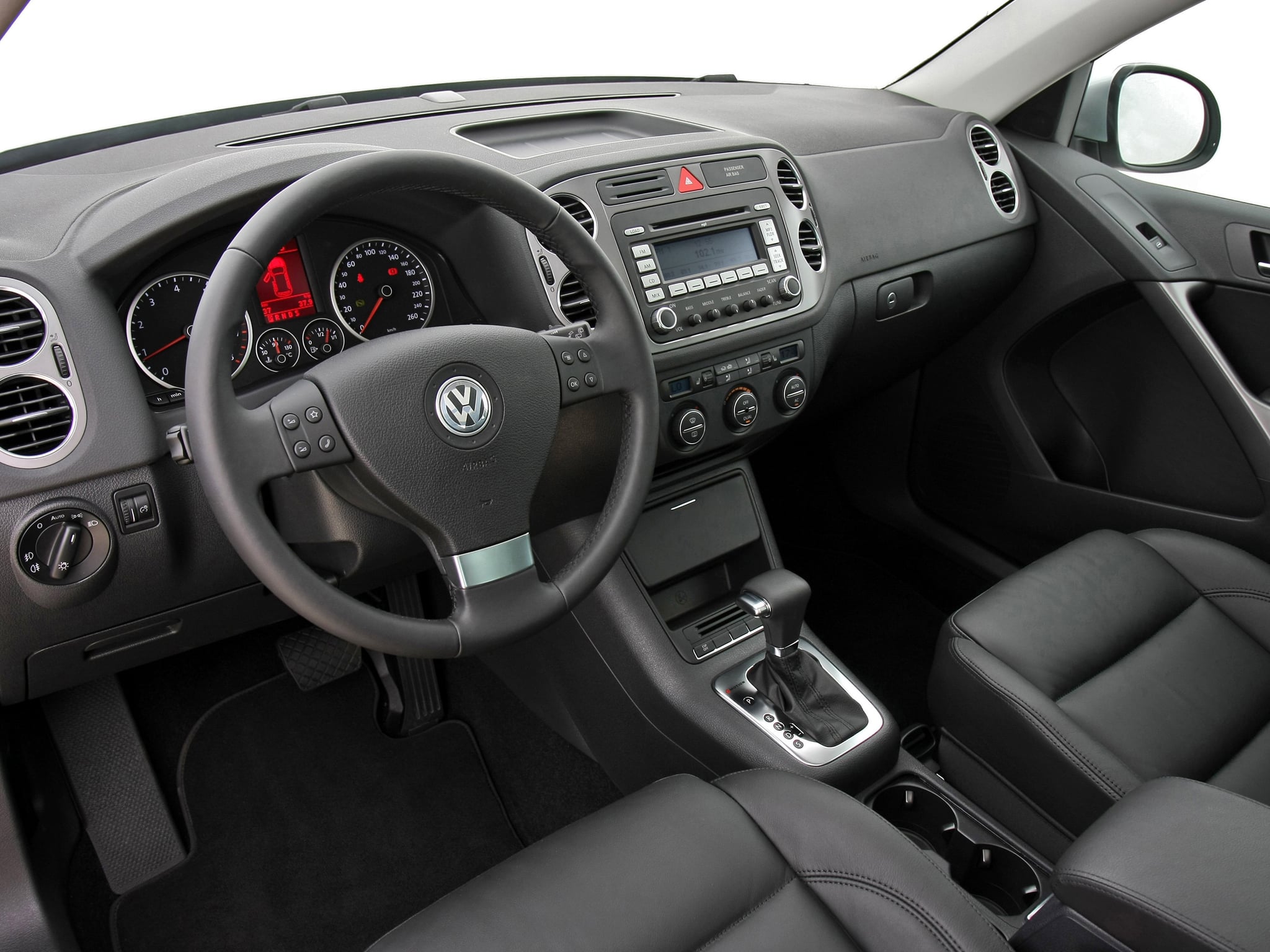
Sophisticated finish and rich content package stood out in the 2011 market
In the rear seat, space is suitable for two adults, with regular legroom and shoulder room. It is at least sliding and has a reclining backrest. In addition to resting central armrest.
The trunk also compensates, with 470 liters. The sound insulation is competent and the internal finish, despite the predictable and uninspired design, is correct in the closures and fittings and has parts with soft surfaces.
6. SpaceFox pumped?
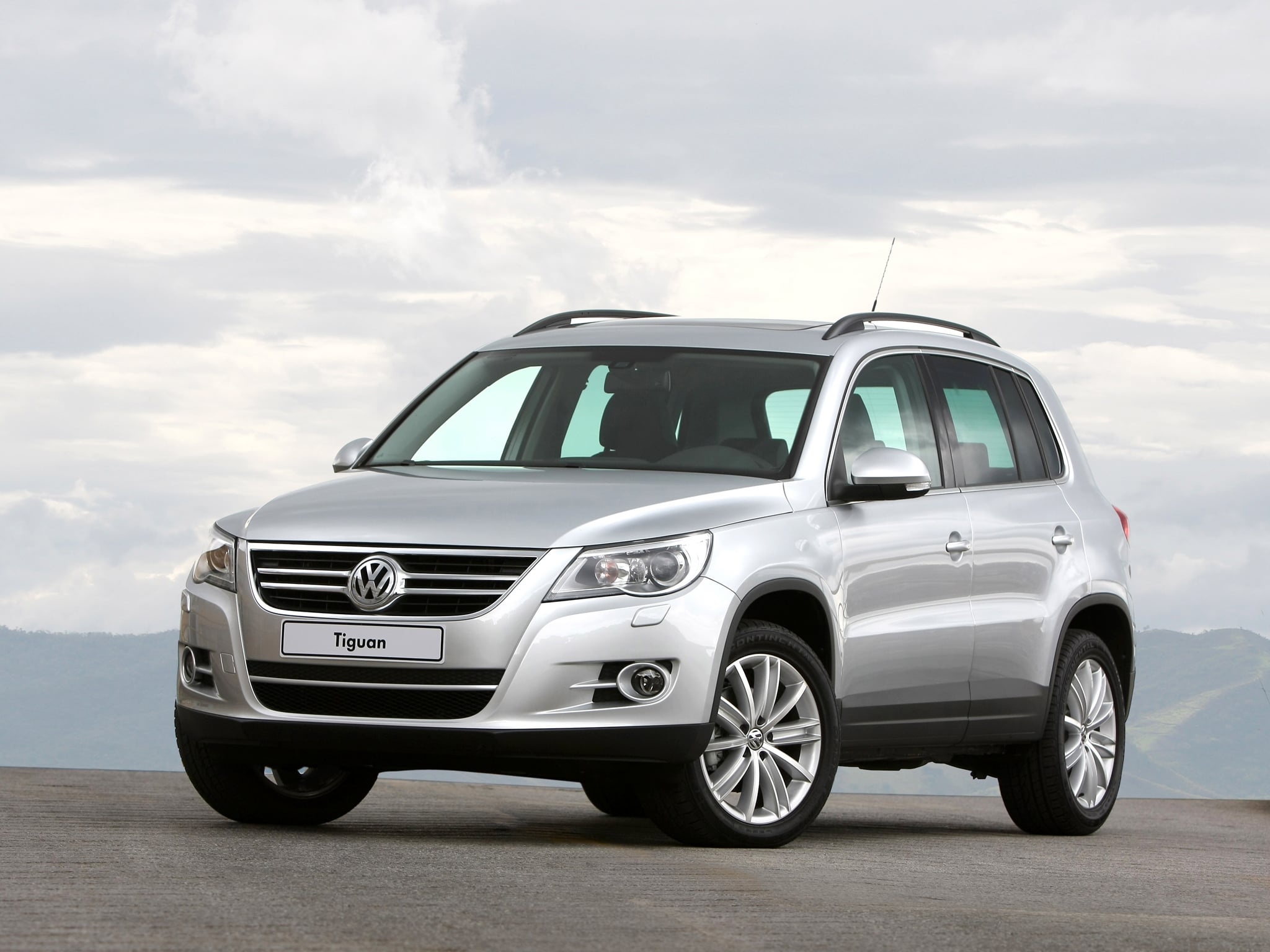
Differentiated design has never been Volkswagen’s strong suit, and this Tiguan is no different. Despite the ground clearance of 19,5 cm, the low hood and the grille with behaved headlights make it look like a quiet passenger hatch.
The Tiguan also lacks protrusions on the bodywork. And if you glance at the rear of the SUV, you might think you’re looking at a beefy SpaceFox…
7. Equipment
The Volkswagen Tiguan 2011 has an average dealer price of R$ 52,500, according to KBB Brasil. The SUV offers a good list of equipment.
In terms of safety, six airbags, stability and traction controls, ramp climb assistant, tire pressure monitoring, ABS brakes with EBD, Isofix system, rear parking sensor, photochromic rearview mirror, fatigue detector, four-wheel disc brakes and daytime running lights.
Despite the sporty impetus, Tiguan had a discreet look
In comfort, dual zone automatic air conditioning with rear seat outlets, leather upholstery, steering wheel height and depth adjustments, heated and electrically folding mirrors, rain sensor, electronic parking brake and sound with CD player, USB socket and memory card reader.
Park Assist, reversing camera, descent control, xenon headlights, heated front seats, electrically adjustable driver’s seat, panoramic sunroof and face-to-face key were some of the options.
8. Tiguan Sport Costume
The R-Line version arrived to give that sporty spice to the Tiguan. The package includes exclusive bumpers, side skirts, larger wheels and a more aggressive design.
Inside, details of the aluminum finish, sports steering wheel and seats with different seams reinforced the performance atmosphere.
9. Maintenance
Despite being a Volkswagen, the Tiguan is not a simple and easy car to maintain. Even for the embedded technology and the robust mechanical assembly.
Like all TSI engines with direct injection, the Volkswagen Tiguan has early carbonization of the intake valves – largely due to the quality of gasoline sold at certain stations.
As maintenance was expensive, see if the previous owner kept the revisions at the dealership within the warranty period. In addition to having continued with regular and preventive maintenance after that.
Even so, pay attention
Especially for fluids. The 4Motion traction system requires specific oil every 60 thousand km.
Recalls:
Replacement of the headlight fuse of Volkswagen Tiguan units produced from 2009 to 2011
Repair of the airbag contact spiral in vehicles manufactured between 2009 and 2014
Buyback of models from 2013 and 2015
Replacement of side airbags in units assembled in 2015
Comments are the sole responsibility of their authors and do not represent the opinion of this site. Comments containing profanity or offensive language will not be published. If you identify anything that violates the terms of use, please report it.