IPVA PEC may favor expensive sports cars and harm cheap electric cars; Understand the new rule
Approved by the CCJ this Wednesday, the PEC of the IPVA by weight may lower the tax on light cars and make it more expensive for pickup trucks and heavy SUVs
Accounting for the weight in the calculation of the tax may reverse the order of who currently pays the most IPVA (Art: AutoPapo)
The Committee on Constitution and Justice and Citizenship (CCJ) of the Chamber of Deputies approved, on Wednesday (8), the admissibility of PEC 3/2026, which changes the logic of IPVA collection in Brazil. If the proposal succeeds, the tax will no longer be calculated on the market value of the vehicle and will consider the factory weight, with a national ceiling of 1%.
Today the IPVA is state and is levied on the market value of the vehicle, almost always taken from the Fipe Table, with rates ranging from 1% to 4%. In São Paulo, Rio de Janeiro, Minas Gerais, Bahia and the Federal District, the bill reaches 4% per year. Under the PEC, no state could charge more than 1% of the sale value – and the calculation basis would become the weight.
The text is authored by Deputy Kim Kataguiri (União-SP) and amends article 155 of the Constitution. The approval in the CCJ deals only with the constitutionality of the matter; The merit will still be discussed by a special commission. Even so, it is the most concrete change ever proposed for the tax that the car owner pays once a year.
Weight on base, value on ceiling
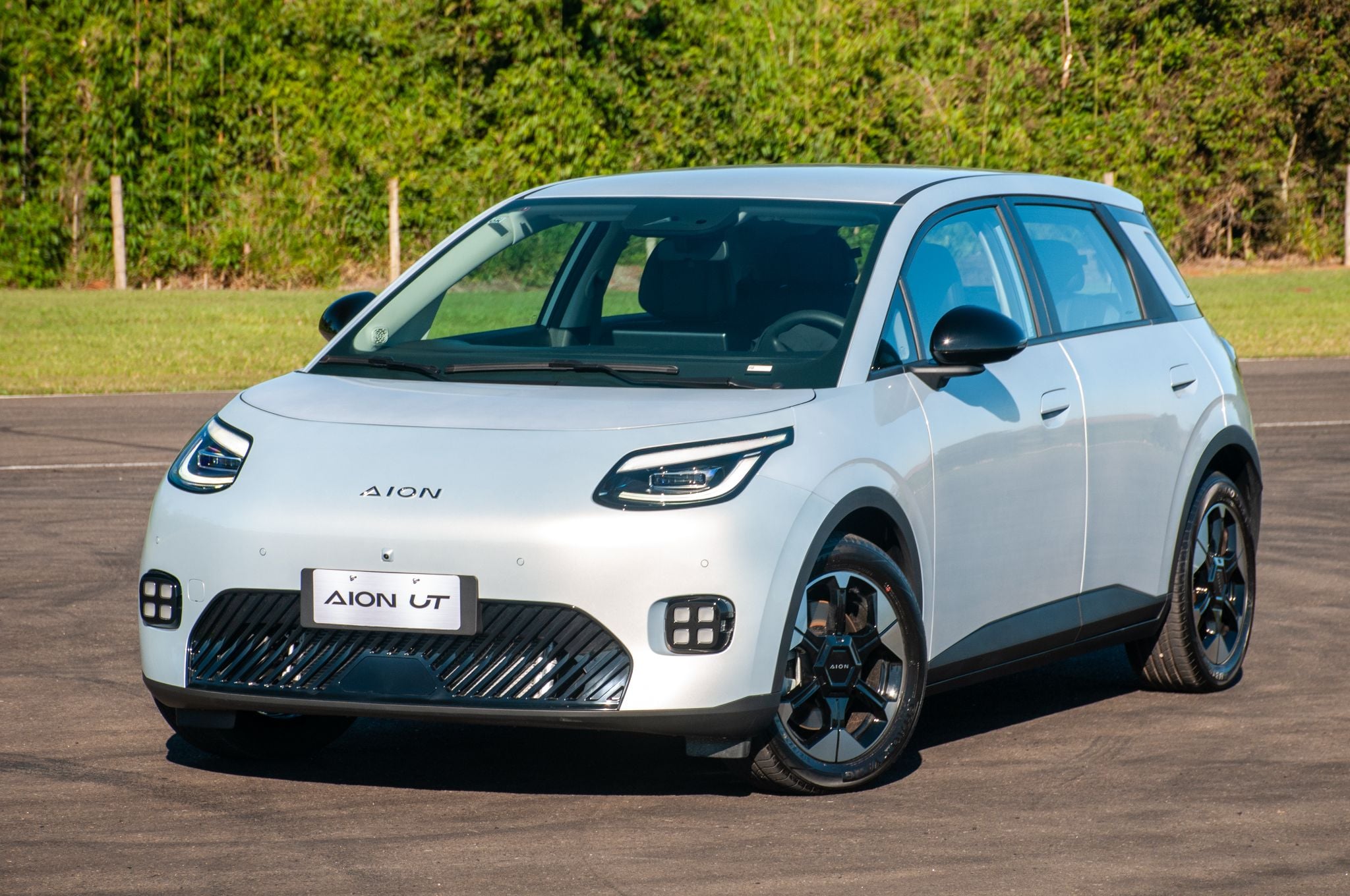
Electric cars may suffer from change as they weigh more due to batteries (Photo: GAC | Disclosure)
Here is an important detail: Fipe does not disappear. According to the text, the factory weight becomes the basis for calculation, but the market value continues to serve as a reference – as a ceiling. That is, the state calculates the tax by weight, but the result cannot exceed 1% of the price of the car. In practice, the table that today defines how much you pay would only define how much you, at most, would pay.
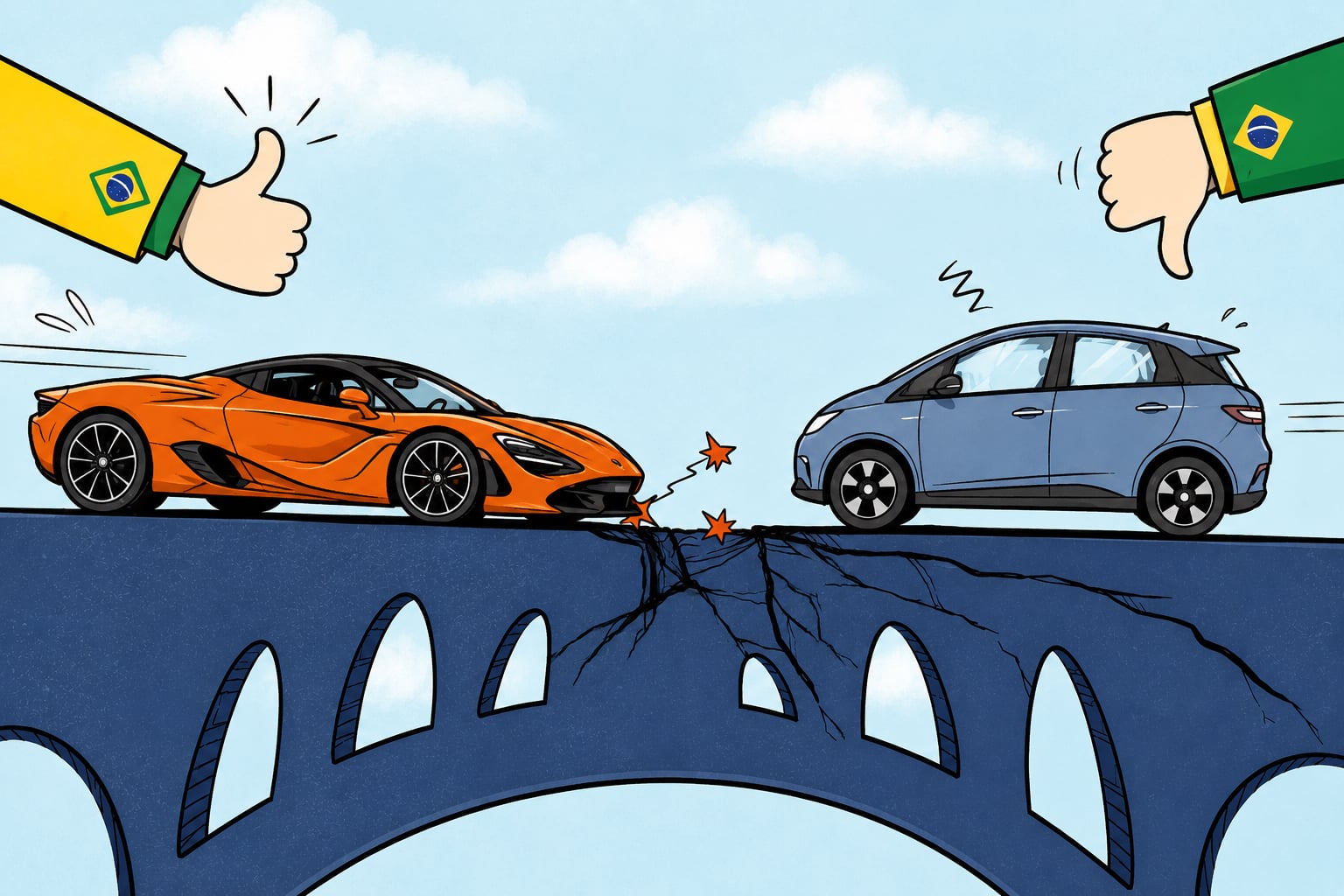
Light and expensive cars tend to win: a carbon fiber sports car, for example, weighs little and would have a low tax, even if it costs a lot. Heavy and cheap vehicles — work pickups, large SUVs and old SUVs — can pay proportionally more than they do today.
Deputy Helder Salomão (PT-ES) used precisely this argument to criticize the proposal in the CCJ. According to him, an old and heavy truck could collect more tax than a high-value sports car made with light materials, which would generate a tax distortion.
The paradox of trams
There is an effect that has gone almost unnoticed in the debate: that of electrified cars. An electric one is, as a rule, heavier than an equivalent combustion one, because it carries hundreds of kilos in batteries. In a charge linked to weight, this vehicle would be penalized — it would pay more IPVA precisely because it is heavy.
But the same PEC tries to solve the problem through another door. The text authorizes states to create discounts for less polluting vehicles. In the most likely reading, it is the mechanism that governments would use to not punish electric and hybrid vehicles just when the country tries to accelerate electrification. The result is curious: a car can be taxed by weight and, at the same time, helped by the environmental discount – two rules of the same amendment pulling in opposite directions.
There is also a relevant operational gap. This is because there is no table today that converts kilos into reais of IPVA. Each state would have to set up a new system of evaluation by weight – another item that the rapporteur pushed to the special commission.
How much the government fails to collect
The fiscal impact is the node of the proposal. A study by the Chamber’s economic team estimated the revenue waiver at around R$ 38 billion, according to reports by CNN Brasil and Tribuna do Paraná. The IPVA is one of the main sources of funds for the states, and half of what is collected goes to the municipalities where the vehicles are registered.
The National Committee of Finance Secretaries (Comsefaz) spoke out against the PEC, alleging invasion by the Union of a state competence and risk to the financing of public policies. Kataguiri, in turn, said at the session that there are more than R$ 200 billion in possible compensations – including review of tax benefits, super salaries and sectoral exemptions – to cover the loss.
The rapporteur, Deputy Rodrigo de Castro (União-MG), was in favor of admissibility, but made a point of noting that the effects on state revenues, the autonomy of entities and the need for transition rules need to be examined on the merits.
What the commission took from the text
The PEC did not pass intact. The approved opinion included a suppressive amendment that removed the most controversial part of the original proposal: the one that limited the annual expenditure of the National Congress, the legislative assemblies, the Legislative Chamber of the DF and the courts of accounts to 0.4% of Net Current Revenue. For Rodrigo de Castro, this limit threatened the separation of powers and the autonomy of federated entities, which would make it unconstitutional.
However, another spending brake survived: the ceiling of 0.1% of Net Current Revenue for institutional advertising of all Powers, Union, states, municipalities and the Public Prosecutor’s Office. Advertising of a promotional or personal nature is prohibited, and the agency that exceeds the limit may not create expenses or grant readjustments until it reframs.
The road is still long. The proposal now goes to a special committee, which will analyze the merits, and then to the Plenary, where it needs approval in two rounds before going to the Senate. In other words: the change that promises to lower the IPVA of millions of Brazilians has passed an important stage, but it is far from valid in the next charge.
Comments are the sole responsibility of their authors and do not represent the opinion of this site. Comments containing profanity or offensive language will not be published. If you identify anything that violates the terms of use, please report it.