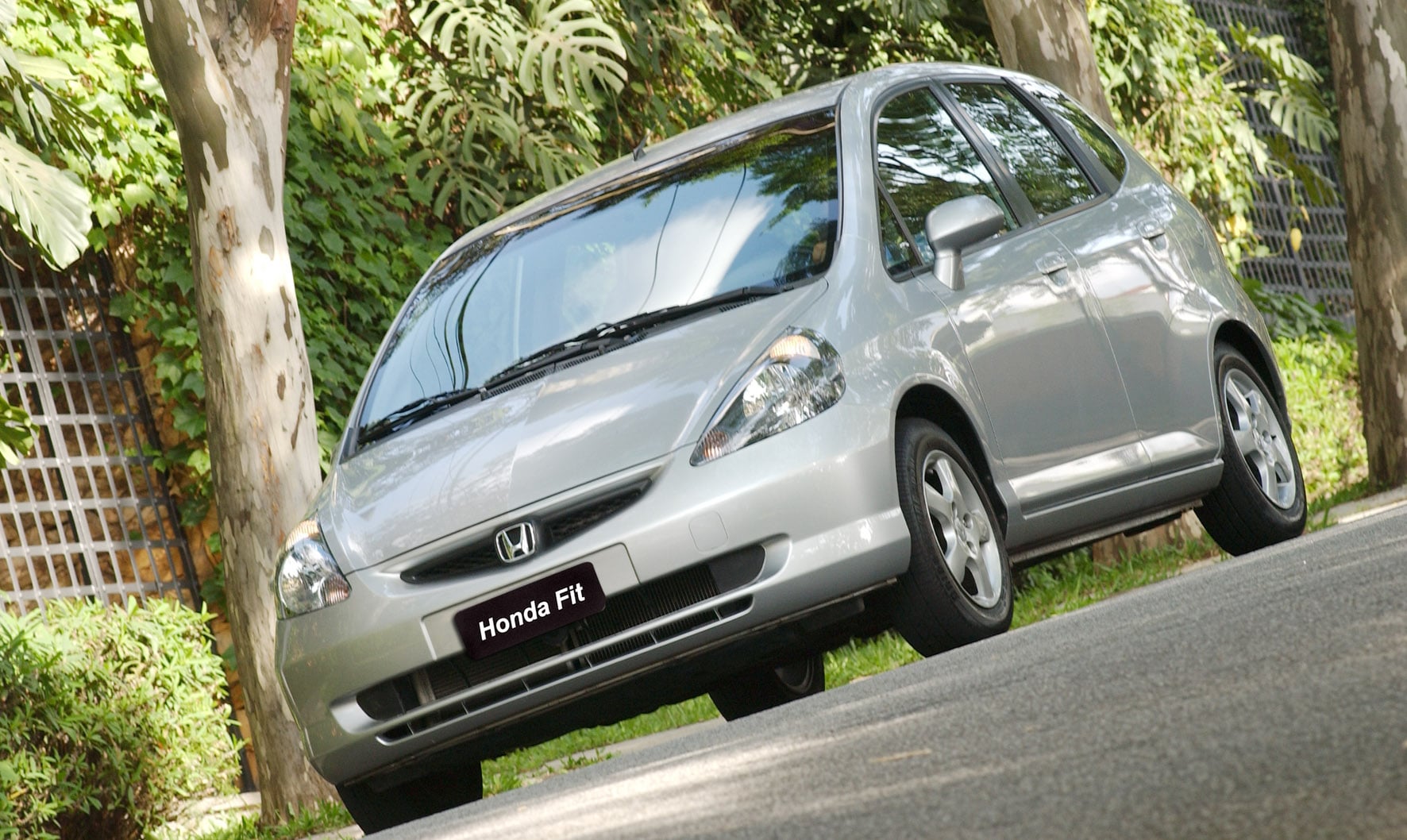
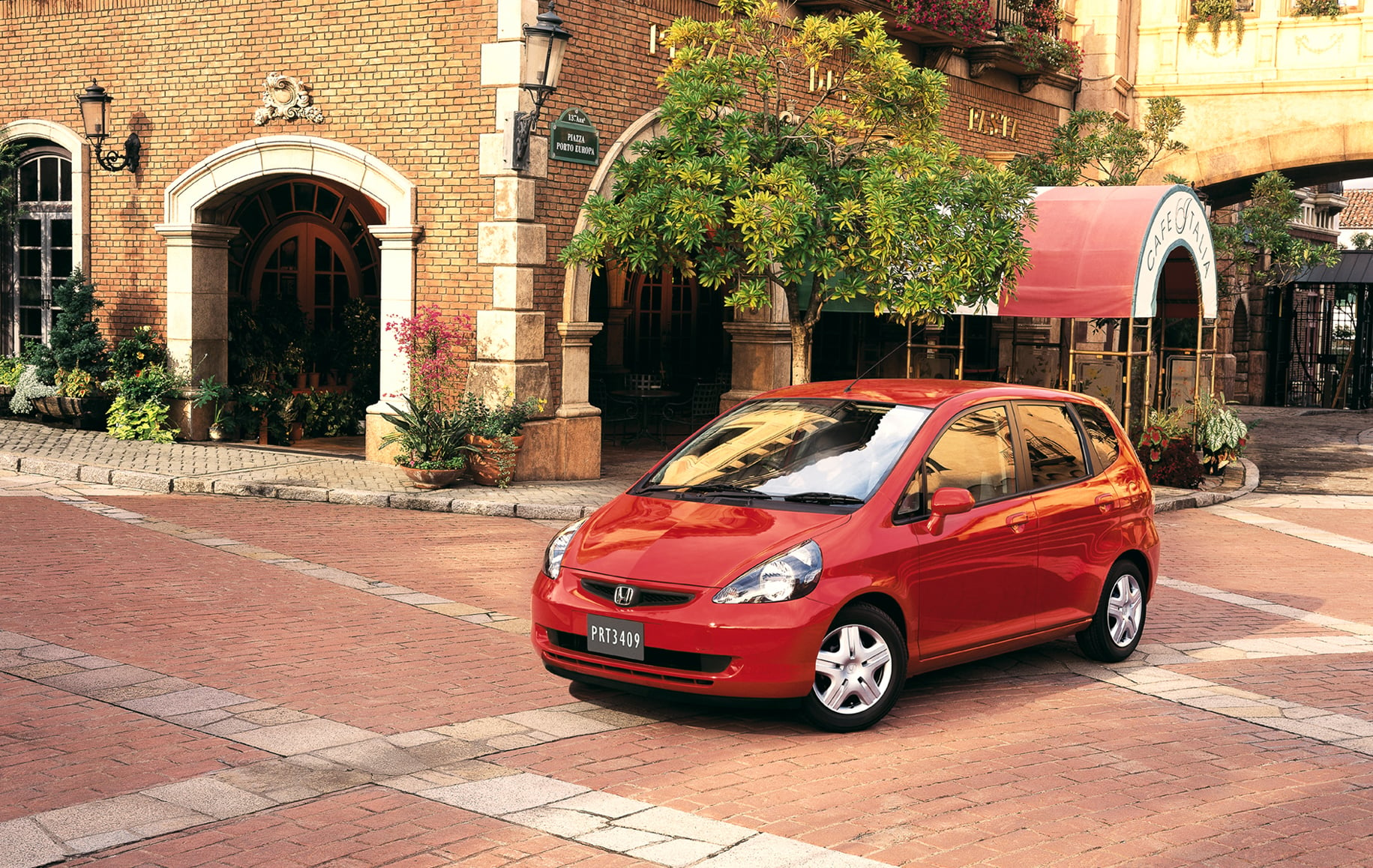
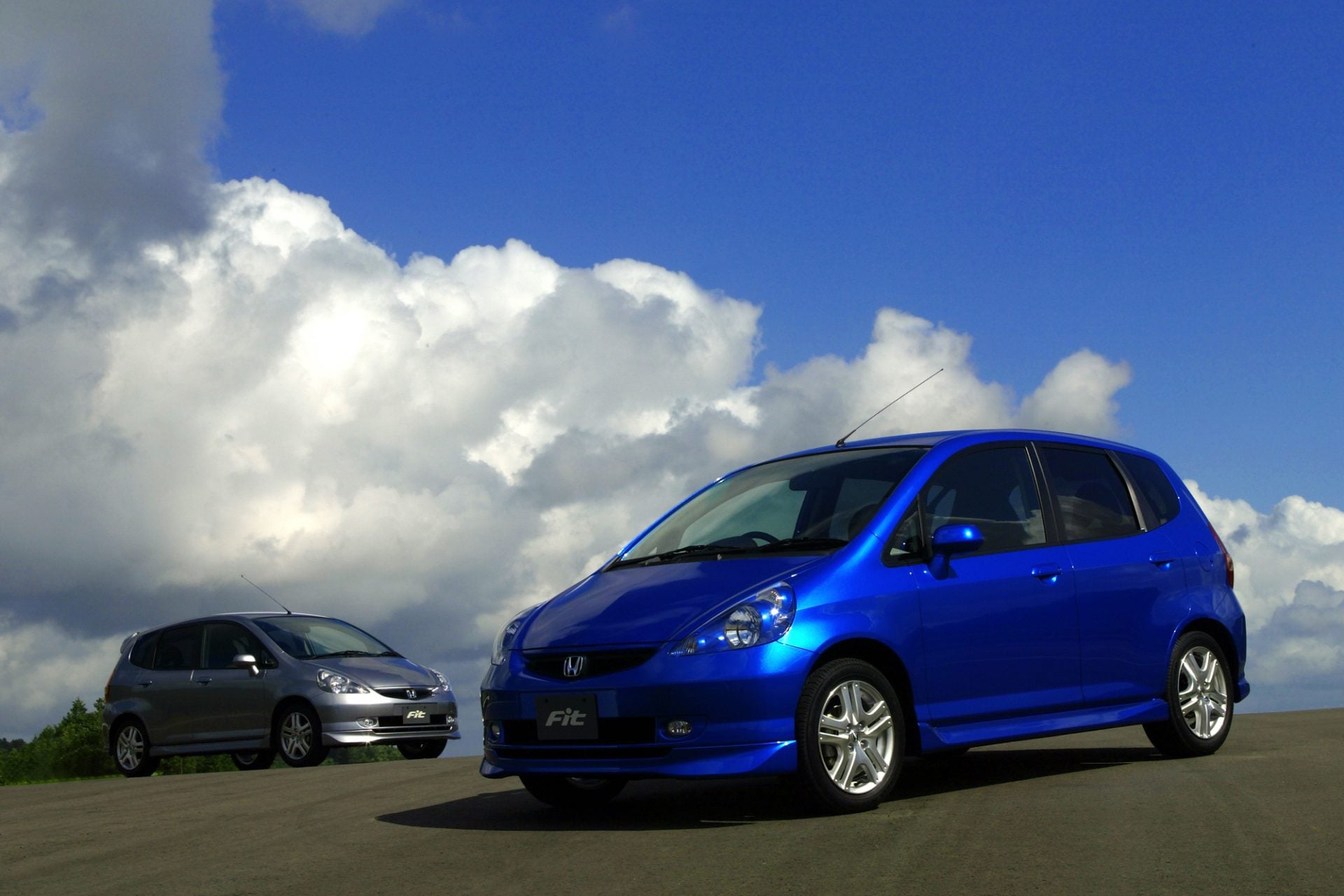
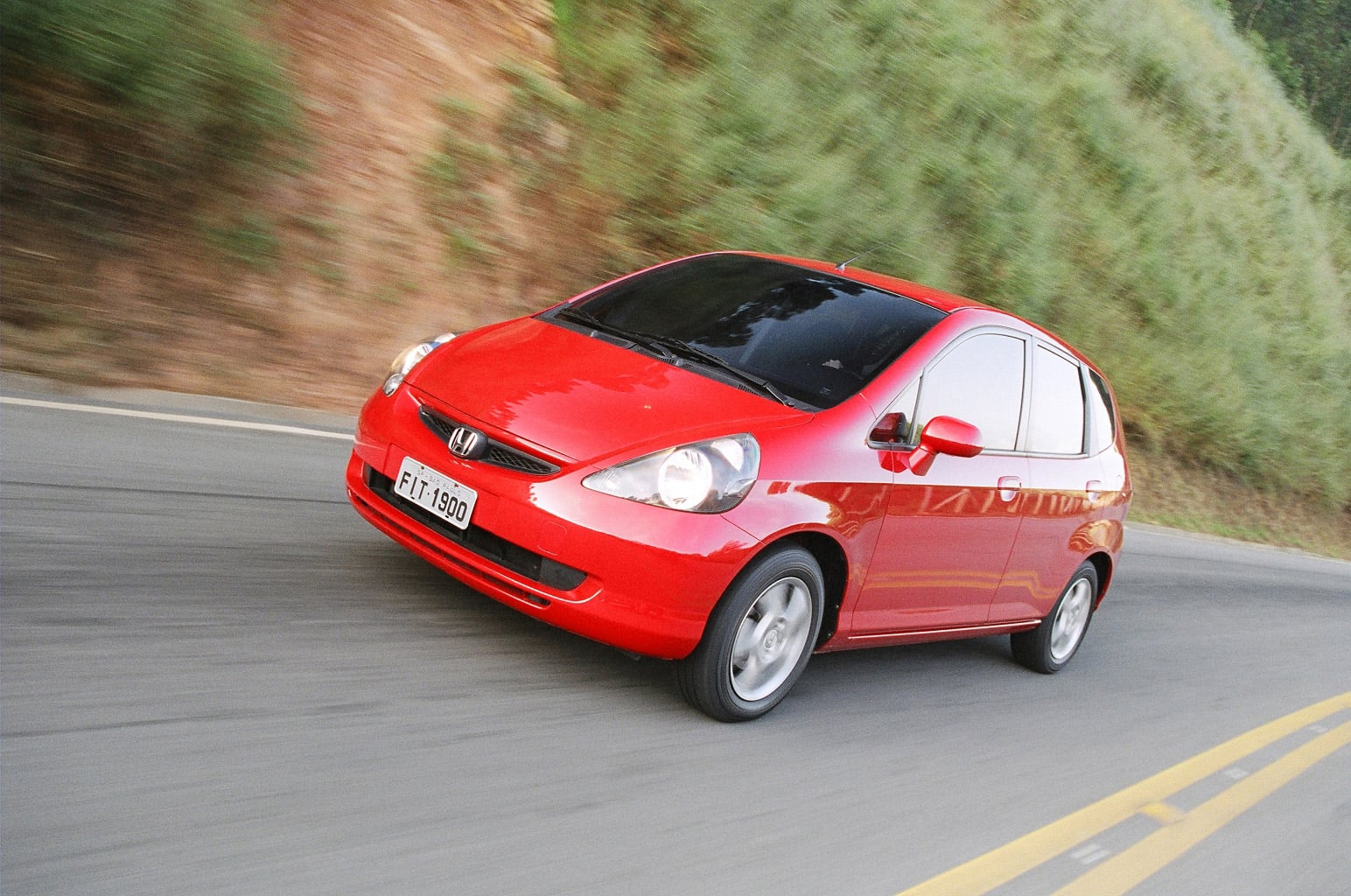
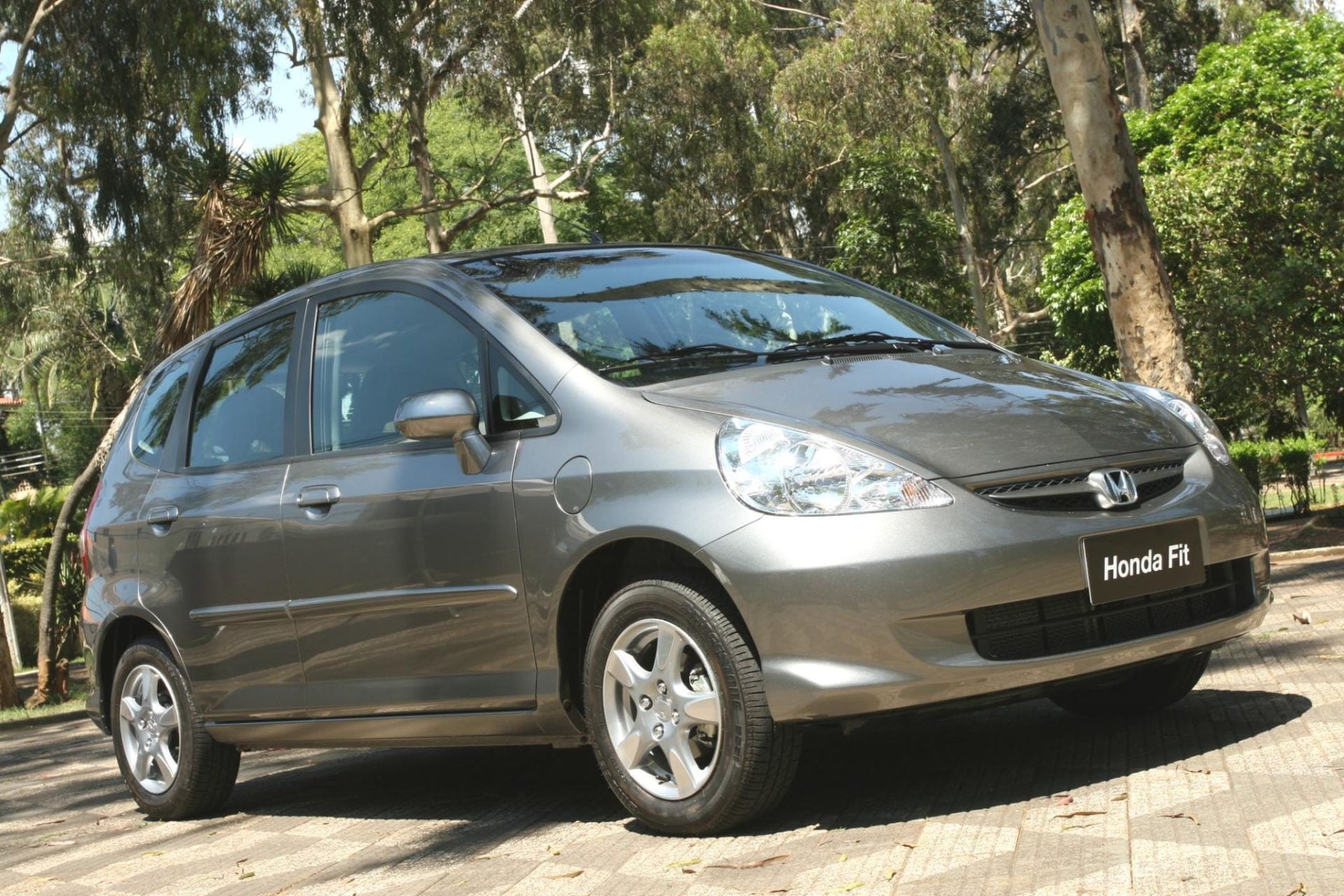
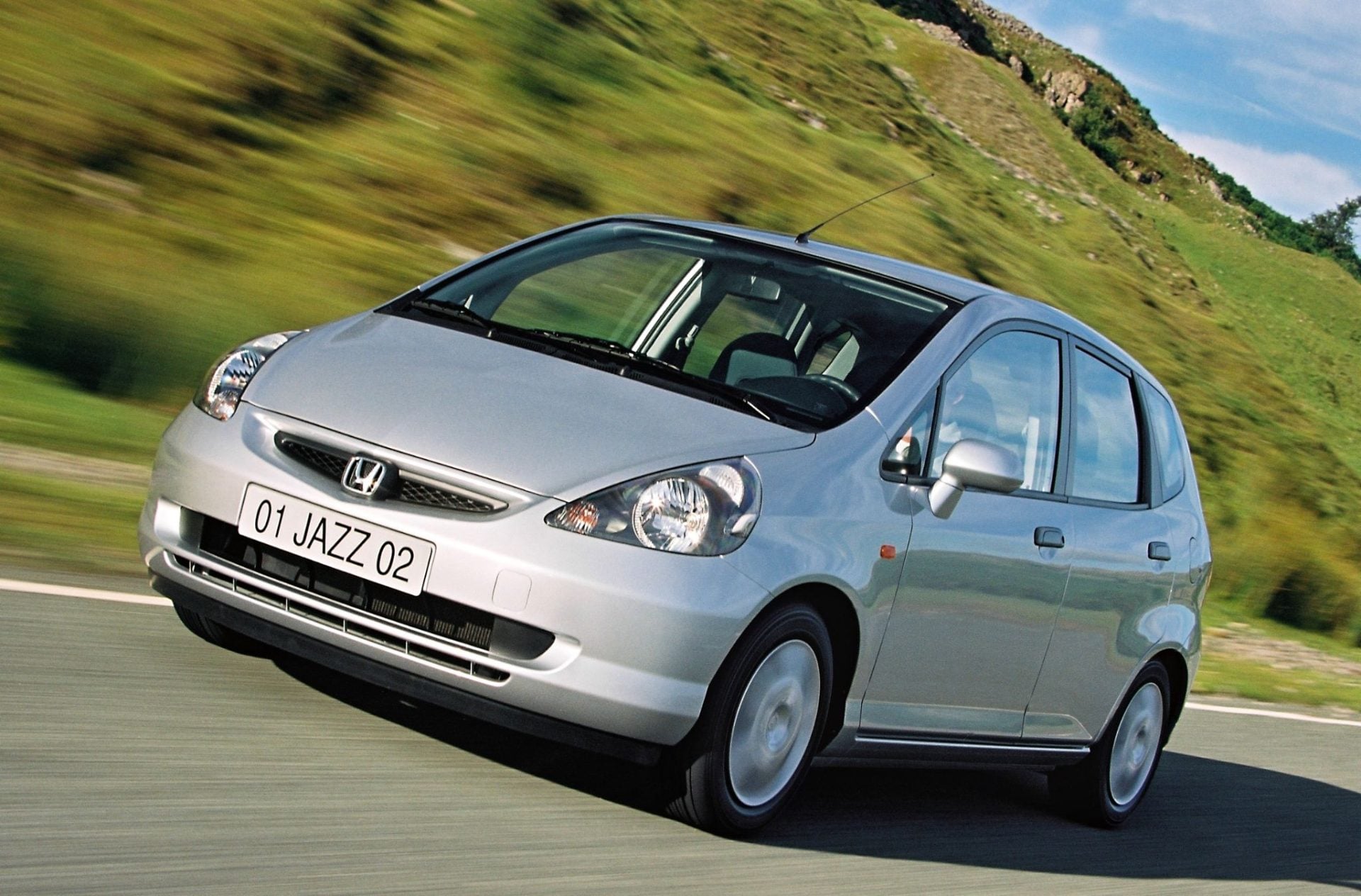
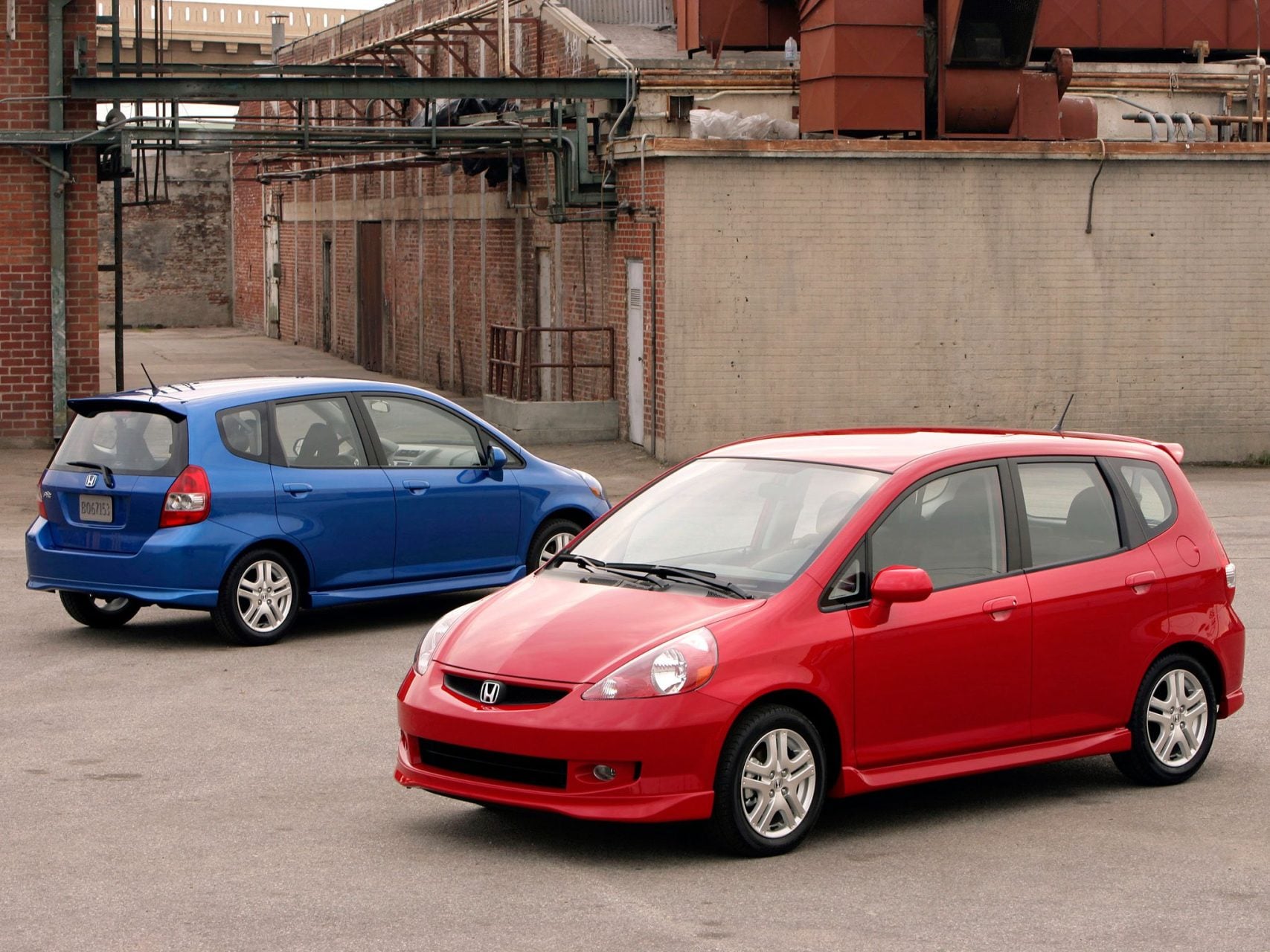
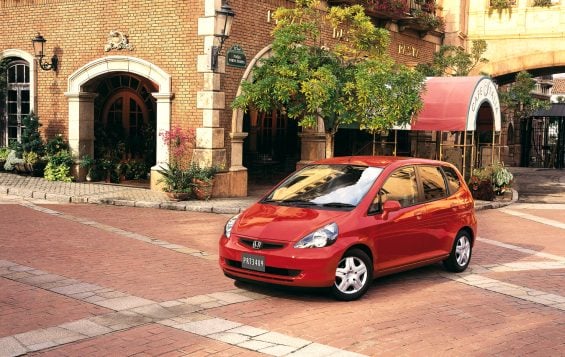
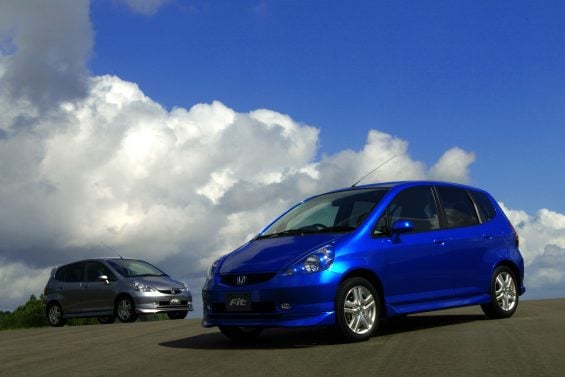
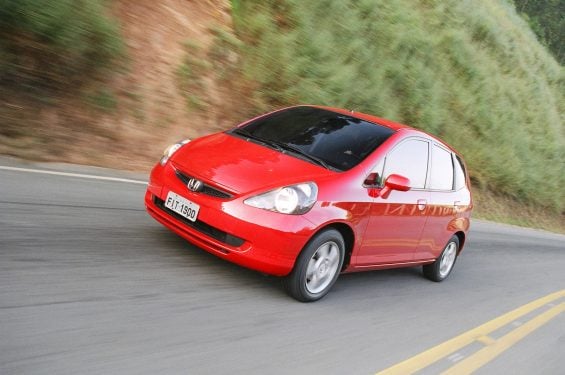
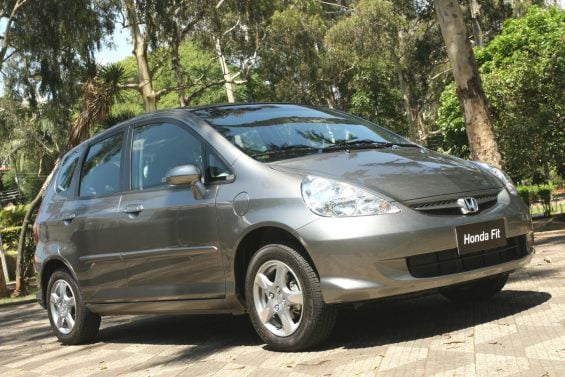
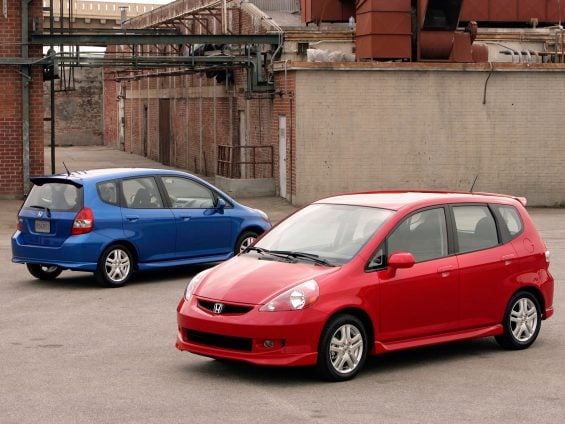
The Honda Fit completed 25 years of its global launch in June. The hatch was the Japanese brand’s first modern compact to be born with global pretensions and came with minivan solutions to make the interior more practical.
During these 25 years, the Fit has been sold in 123 countries and produced in 11 different nations, including Brazil. In 2019, when the fourth generation was presented, Honda accounted for more than 7.5 million units sold.
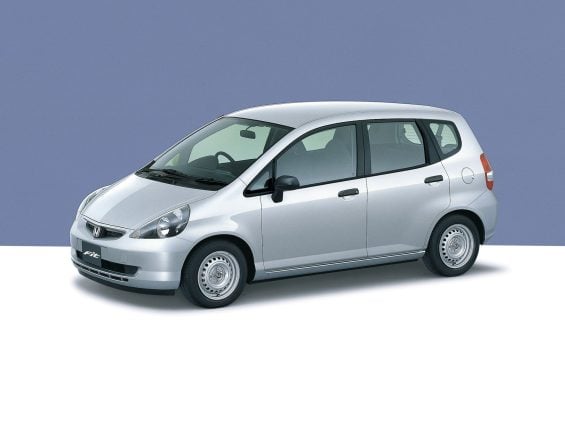
In the first year of sales, it broke the Toyota Corolla’s 33-year leadThe range in Japan brought more options, some more complete…… and other very simple ones
Currently, Honda has made the Fit less global; in some Southeast Asian countries and Latin America, it gave way to the City Hatch. The focus has shifted to Japan, Europe and a few other specific markets, such as Australia and South Africa. At least in Brazil, there was a legion of helpless fans.
How the first Honda Fit was born
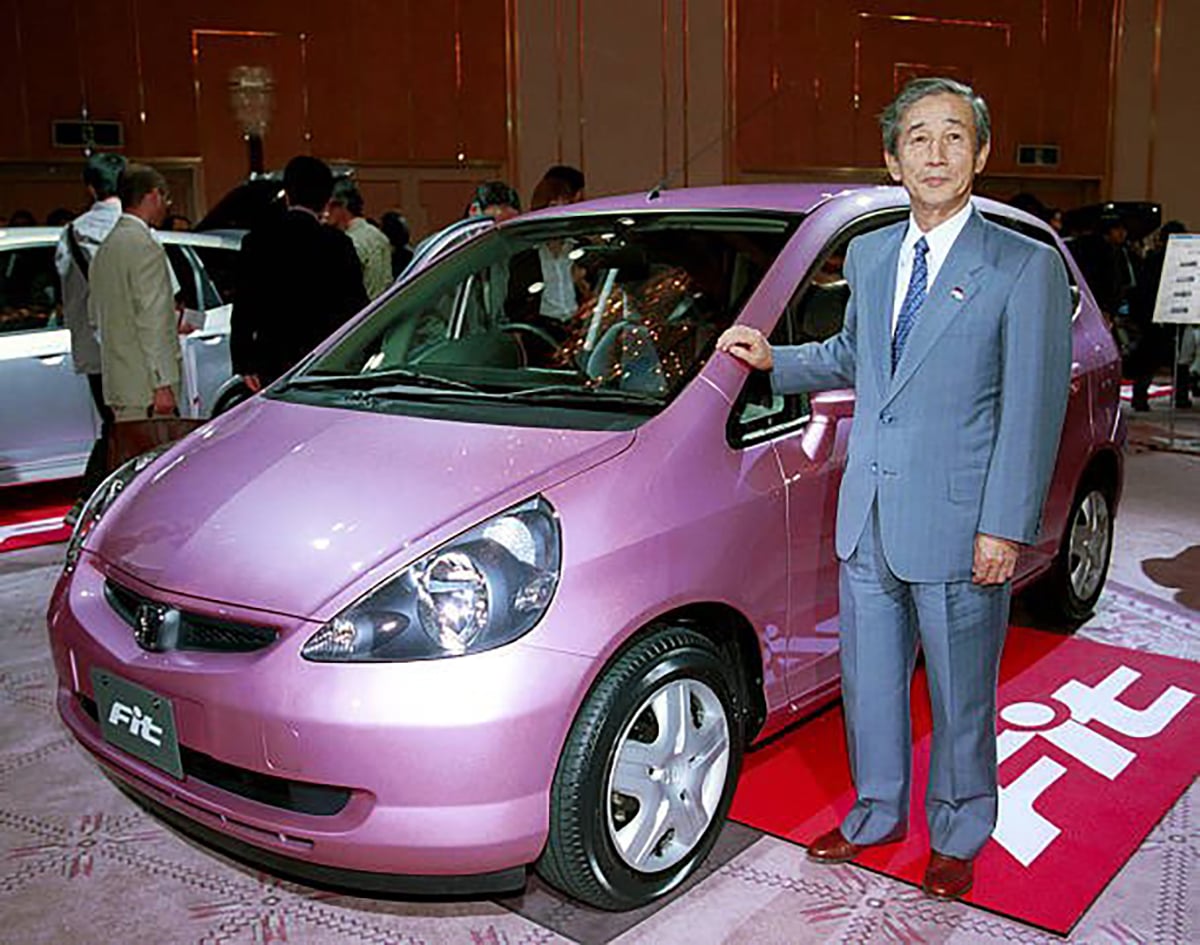
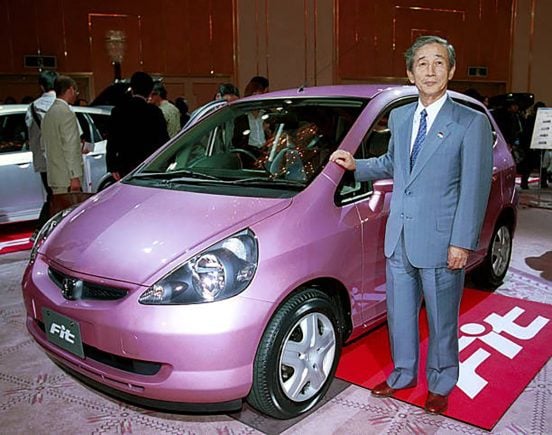
Honda CEO Hiroyuki Yoshino was concerned about the lack of global cars below the CivicHe took the lead in the Fit project
It is a common phenomenon that cars grow with each generation and move up in category. Honda’s global compact car since the 70s was the Civic, but as it grew, it created a vacuum in the line. Below him, in the 80s, came City, which was succeeded in the following decade by Logo.
These models were not global like the Civic and did not have strong sales. Honda CEO Hiroyuki Yoshino was concerned about this lack of expression in such an important segment as compacts and feared that it could put the brand in a difficult situation.
Hiroyuki Yoshino took it upon himself to create a global compact and called Takeo Fukui, president of the research sector, to lead the project. The Fit project was born with a new platform, engine and gearbox, which would be used by other models.
The debut of the Honda Fit in Japan, in 2001, was a success; in its first full year of sales, it broke the Toyota Corolla’s 33-year hold. In 2003, it already reached the mark of 500 thousand cars sold in its native country alone.
Focus on interior space
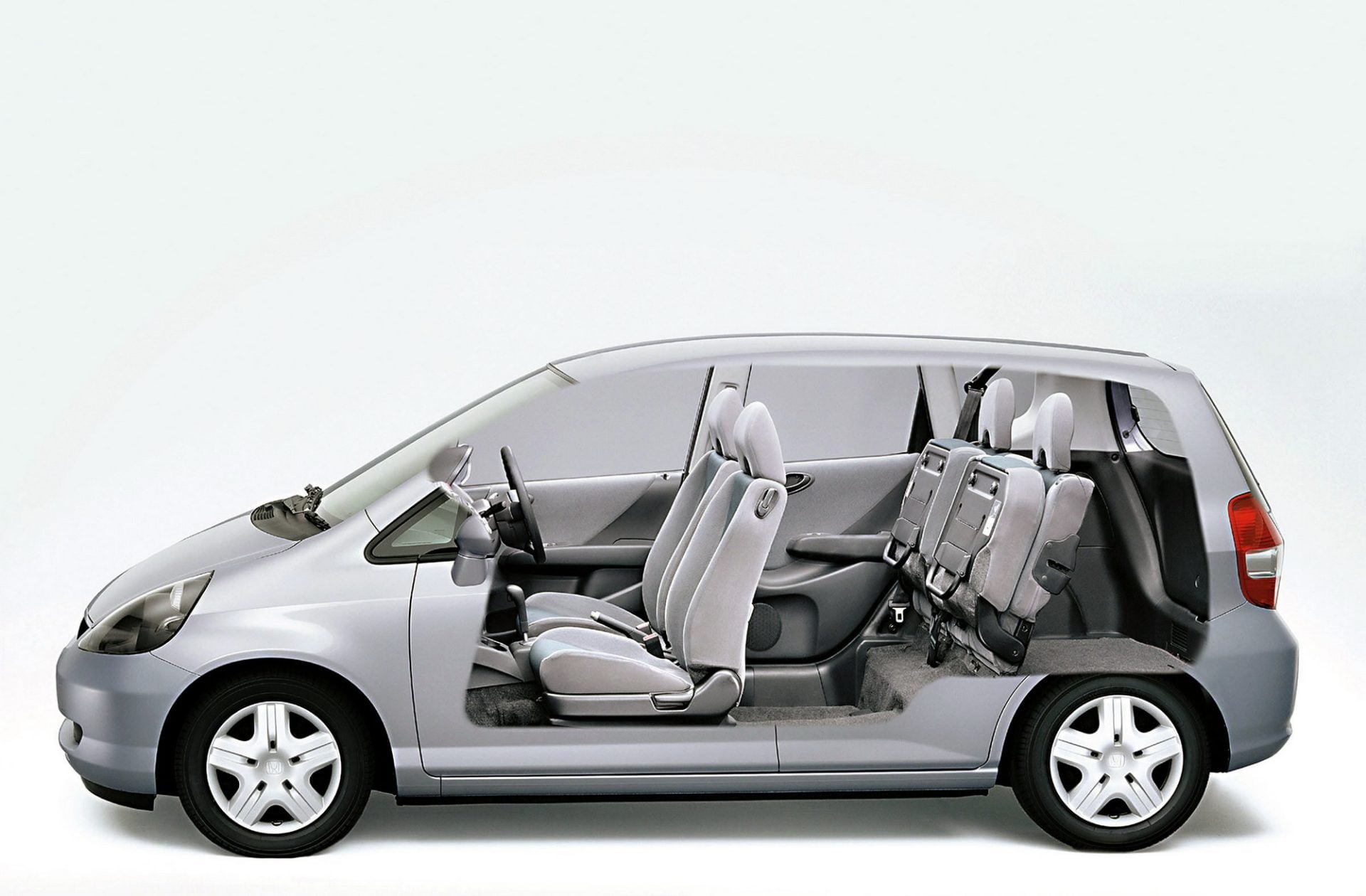
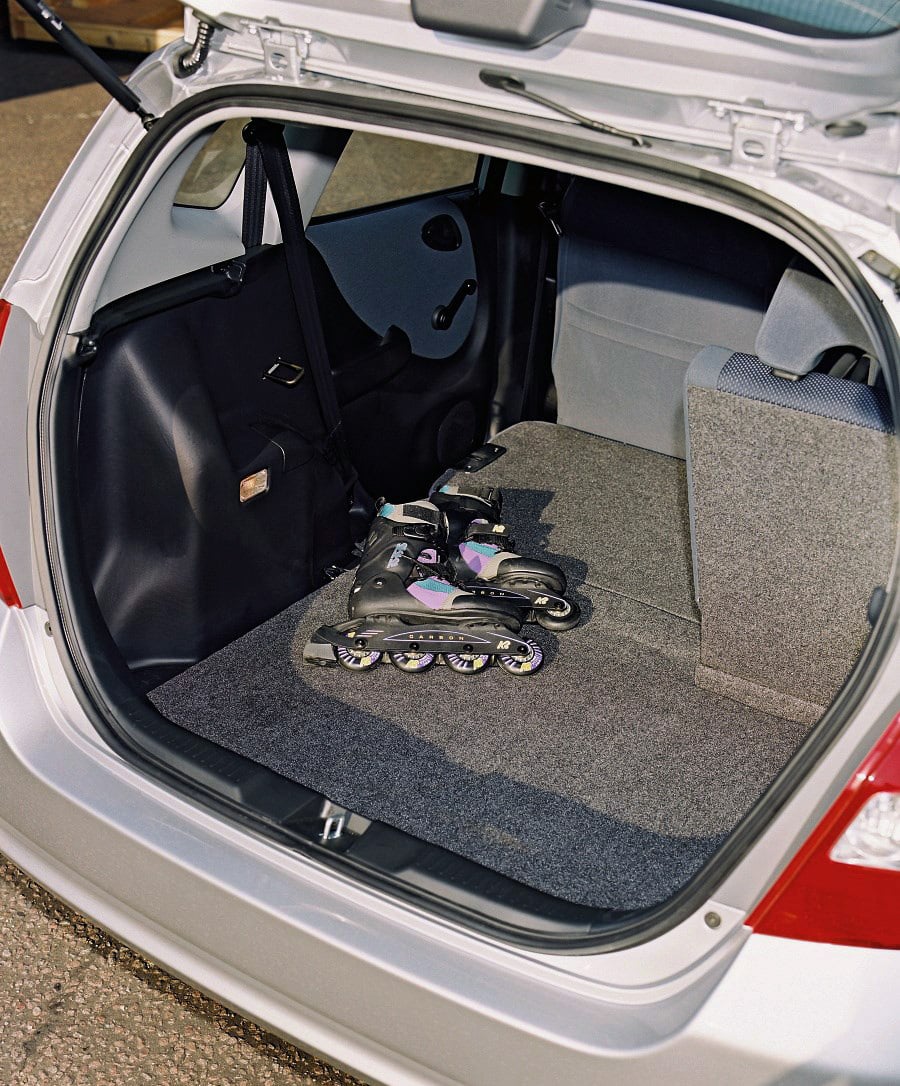
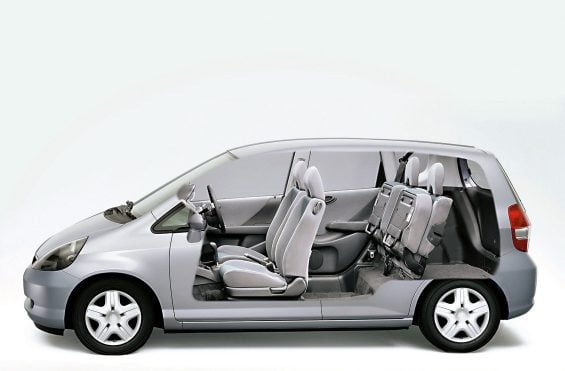
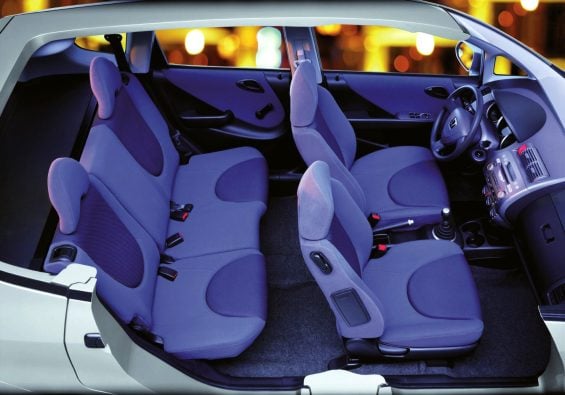
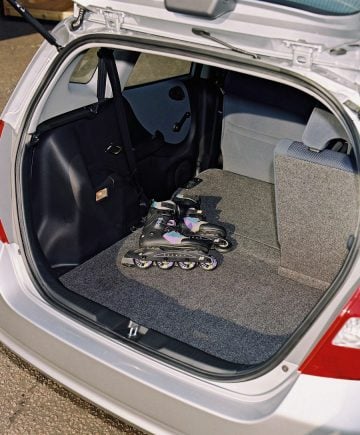
The tank under the front seats allowed for a lower floor, with a height of 1.28 m to the roof Even with a wheelbase of 2.45 m, the same as a Ka, it takes 4 adults without a squeezeThe rear seat when folded down forms a flat loading platformThe load volume is 353 liters
The architecture called Global Small Platform brought an innovation: the fuel tank was located below the front seats. The normal thing is to stay under the back seat. The result of this was a lower, flatter floor for the rear.
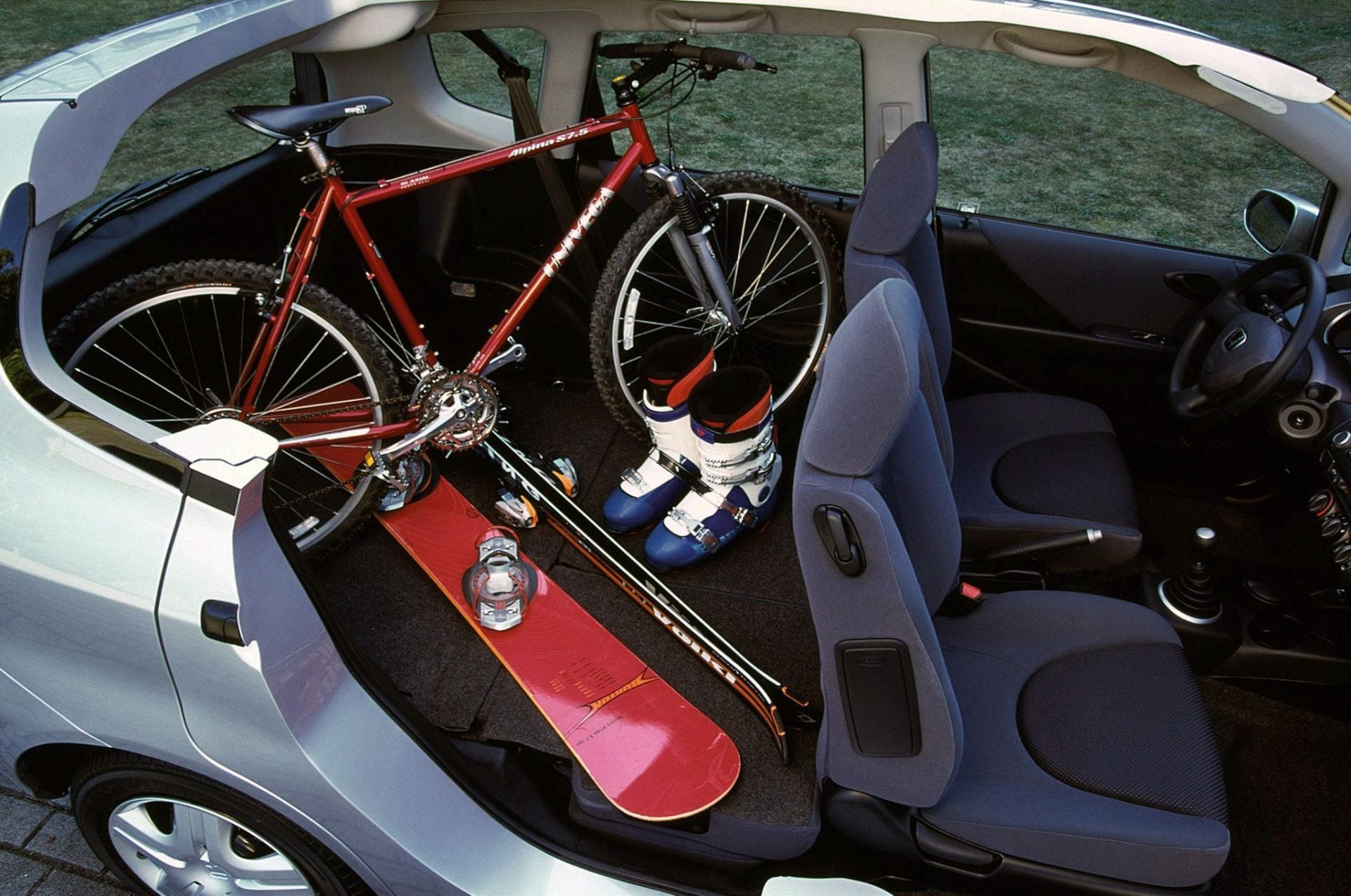
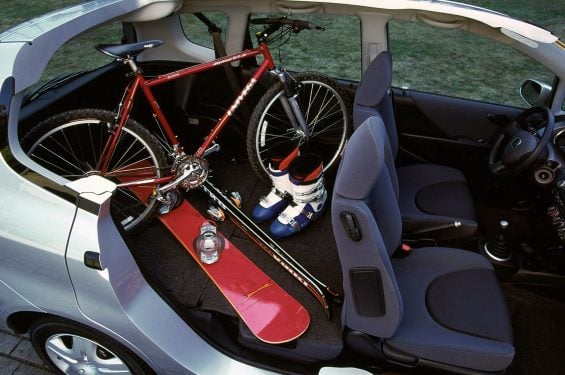
The fashionable cars at the time were minivans, the Fit was inspired by this type of vehicle in the style and practical solutions of the interior. The most famous is the Magic Seat system, which allows you to raise the rear seat seat or fold it down so that it is flat with the trunk floor. It also allows you to lay the front backrest to form a bed.
Engineer Kohei Hitomi said the inspiration for the Magic Seat system came after the design team spent hours observing people in a supermarket and how they stored their stuff. With the seat raised, there is a vertical area of 1.28 meters for cargo; With the rear seat and the front passenger seat folded down, it is possible to carry objects up to 2.4 meters long.
The first Honda Fit measures 3.83 m long, 1.67 m wide, 1.52 m high and 2.45 m wheelbase. By today’s standards it is tiny, only 10 cm longer than a Renault Kwid and 8 cm wider, the wheelbase is the same as a first-generation Ford Ka.
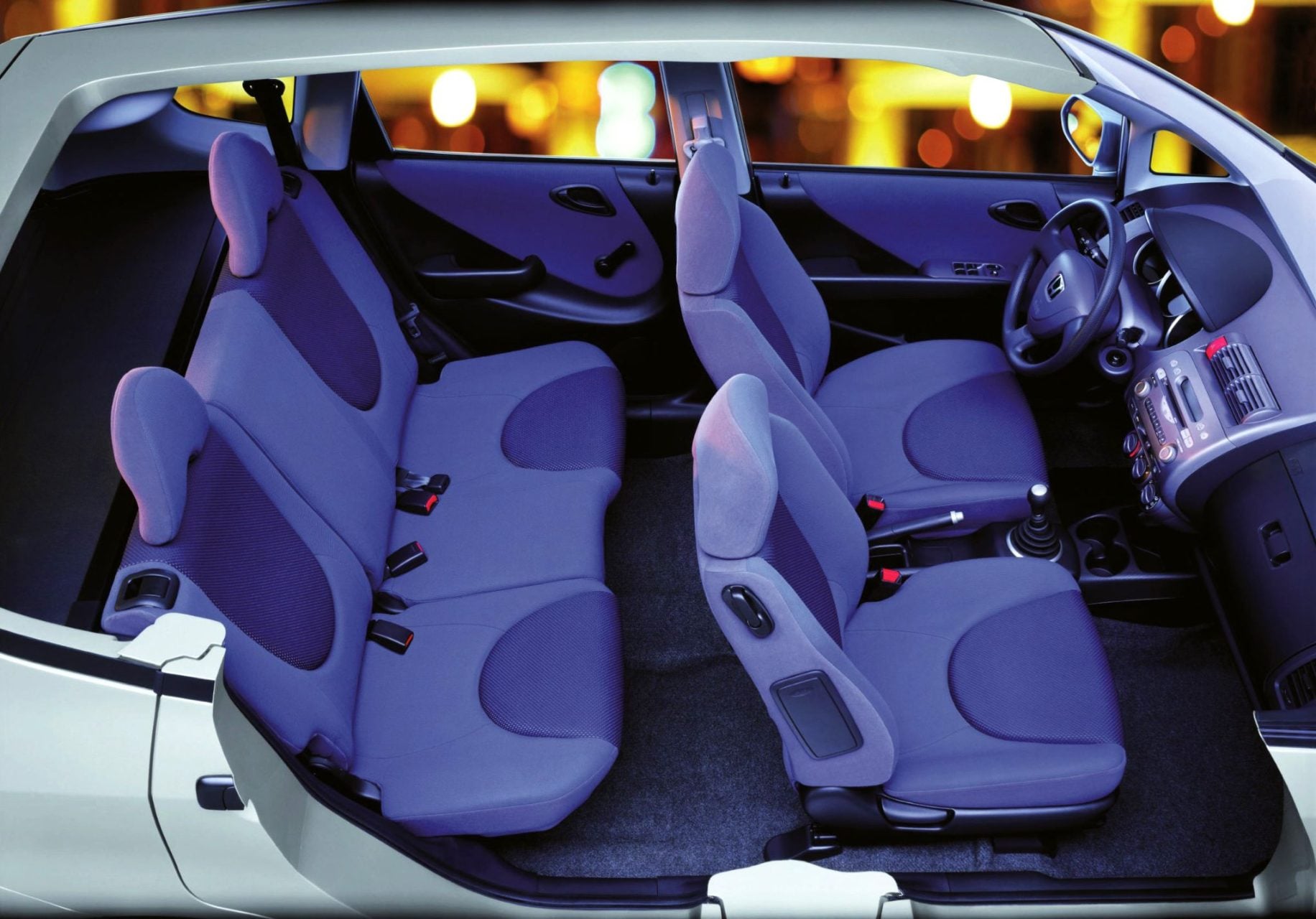
But thanks to the minivan shape and tank position, the Fit holds four adults in comfort, the fifth passenger goes cramped. The trunk takes 353 liters in the VDA method, better than many current SUVs. At the time, it had the second-highest interior cabin height within the Honda, second only to the large Odyssey minivan.
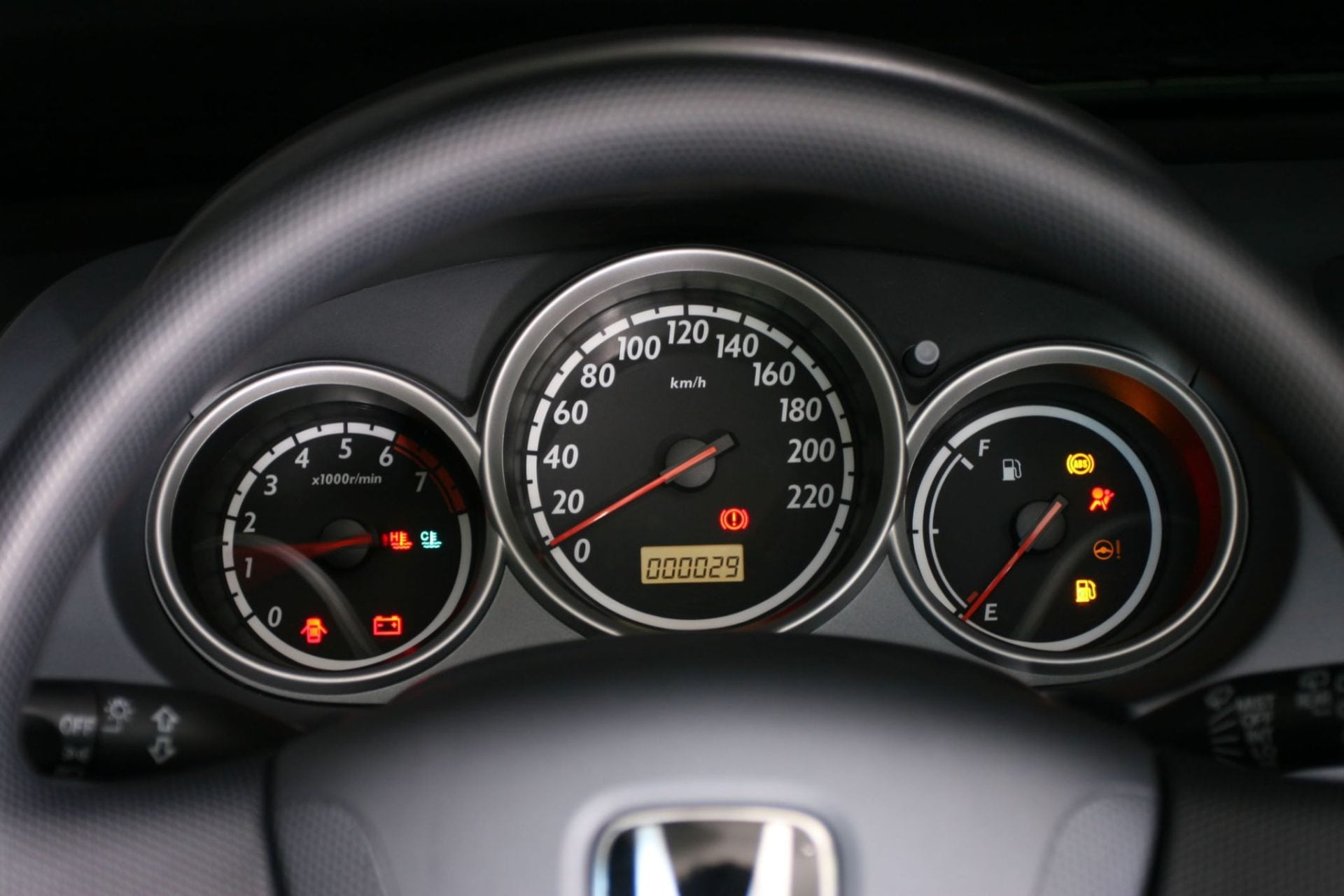
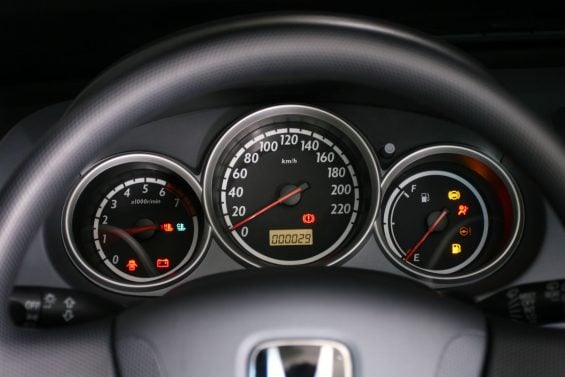
The interior had a youthful appearance, using plastics with various dots in bas-relief and colored fabric; in Brazil, came the blue finish. The instrument panel with three circular dials in different frames was something new for the time.
Honda wanted to maintain a good standard of finish on the Fit, so it had generous fabric lining on all four doors and double sealing on them. As the beltline is low and the ceiling is high, the glazed area is wide. These characteristics were maintained in the compact in the following generations.
Engine as efficient as the cab
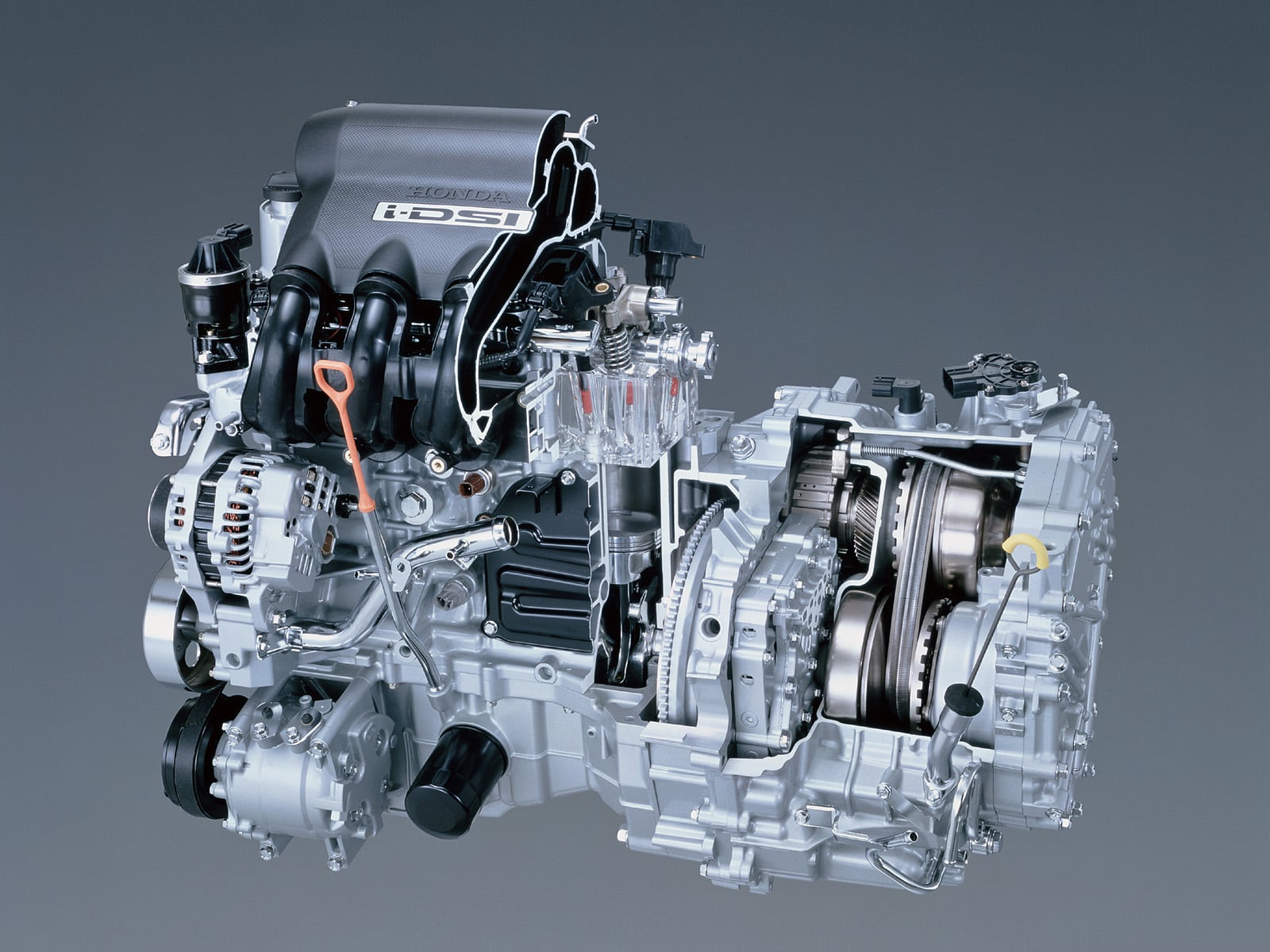
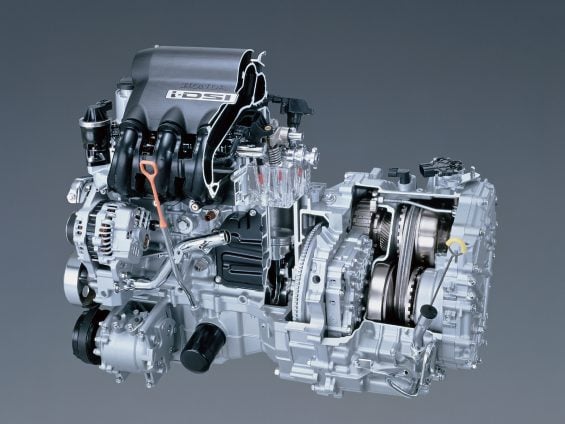
The engine uses two spark plugs per cylinder for efficient fuel burn The 1.4 has 8 valves to prioritize torque at low revs
The entire Honda Fit project was defined by efficiency. Therefore, it brought a whole new mechanical assembly under the hood. The engine of the L family was more compact than that of its predecessor, the D family.
The first version was a 1.3 (1.339 cm³), which in Brazil and Europe was rounded up and called 1.4. The L engine is all made of aluminum, has a shorter distance between the cylinders than the previous ones, has synchronized control by metal chain, uses individual coils and two spark plugs per cylinder.
That’s right: the Honda Fit’s small four-cylinder uses eight spark plugs and, consequently, eight coils. This system is called i-DSI; The spark plugs work sequentially in different patterns according to the rotation, speed and throttle load, to generate a more efficient fuel burn.
Model 1.5 had 16 valves, varied VTEC and only one spark plug per cylinder
Interestingly – for a Honda – the engine has only two valves per cylinder, to prioritize torque at low revs. The 1.3 of the first Fit yields 80 hp at 5.700 rpm and 11,8 kgfm at low 2.800 rpm.
This low torque makes the car smart in starts and in the city, but on the road the 80 hp is similar to that of a current 1.0. For those who wanted more power, there was a 1.5 from the same family, with 16 valves, VTEC variable timing and conventional ignition of one spark plug per cylinder. It delivered 105 hp and 14,2 kgfm.
The transmission could be a five-speed manual or CVT, both gearboxes were new projects. The CVT of the first-generation Fit used clutch coupling, just like scooters. In this way, it steals less power from the engine than a torque converter.
Completing this efficiency package was the electrically assisted steering, which relieves the engine of yet another peripheral and takes up less space in the safe. In Brazil, it was the second national car with this feature, behind only the Fiat Stilo.
The Honda Fit around the world
The Brazilian Fit had a reduced range The national model was the first Honda flex in the worldIn Europe it could even come with a sunroof and curtain airbags In the USA, larger bumpers were used
In Brazil, we know the Honda Fit because it is a car with a lean range. It was launched in the LX and LXL versions, which already came with air conditioning, electric windows on all four doors, electrically adjustable mirrors, power steering, airbag for the driver and split rear seat. The top-of-the-line model only added the passenger airbag, brakes with ABS and EBD, CD-player and alloy wheels.
In 2005, the 1.5 engine came in the EX version, which brought only finishing changes, wheels with a different design and an instrument panel that was always on. The facelift of the 2007 line changed the bumpers, wheels and brought a chrome mask to the headlights of the LXL and EX versions.
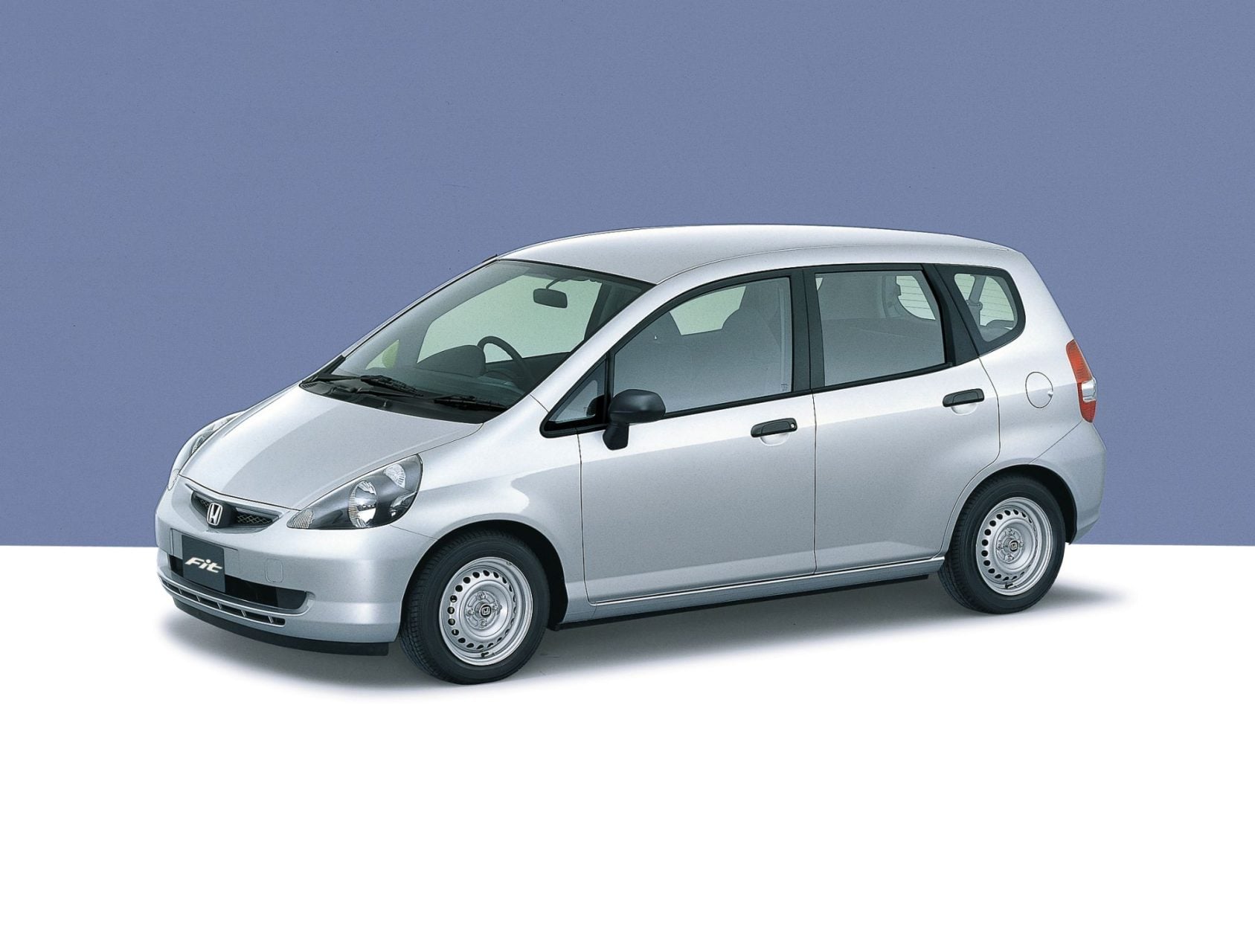
Abroad, the Fit could come in less equipped versions than here or with some luxuries that were far from Brazil. In Japan, there was a version called Y, with steel wheels without hubcaps, without radio, with unpainted door handles and mirrors and with manual windows on all four doors.
Production in Sumaré (SP) began in 2003, in recent years it has been transferred to the new plant in Itirapina (SP)
There were also versions with all-wheel drive, for regions where it snows a lot. It was a simple traction system that was accompanied by a five-speed automatic transmission. The Japanese could also have the Fit with GPS navigator.
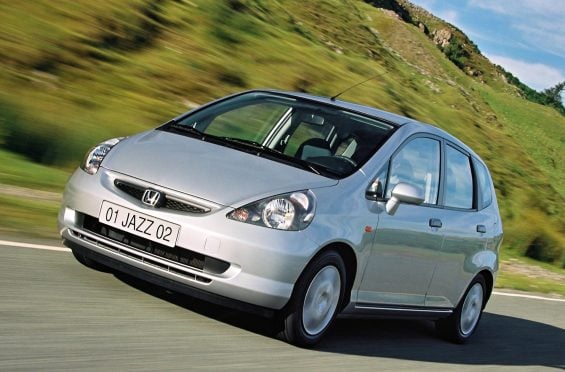
In Europe, the Honda Fit was sold as Jazz and offered some sophisticated equipment: electric folding mirrors, six airbags, sunroof, sound system with tweeter, automatic air conditioning and 7-speed simulation in the CVT transmission.
The last country to receive the compact was the USA, only in 2006. To comply with local legislation, it was necessary to use larger bumpers and redesign the dashboard, losing the practical tray at the bottom. The only engine offered was the 1.5 VTEC, with manual or automatic transmission.
The first Fit achieved Honda’s goal of being a successful global compact car. Today, he continues to have a legion of fans, whether for his efficiency or for his good dynamic behavior.
Comments are the sole responsibility of their authors and do not represent the opinion of this site. Comments containing profanity or offensive language will not be published. If you identify anything that violates the terms of use, please report it.