Germans are famous in the automobile world for engineering excellence, but even they can make mistakes and make cars that fail in the market. Often the mistake was in reading the market or came from bad decisions by executives.
Here we will focus on the German cars that had problems with sales, as the problematic ones in the mechanics have already been addressed on another occasion. Check out five examples.
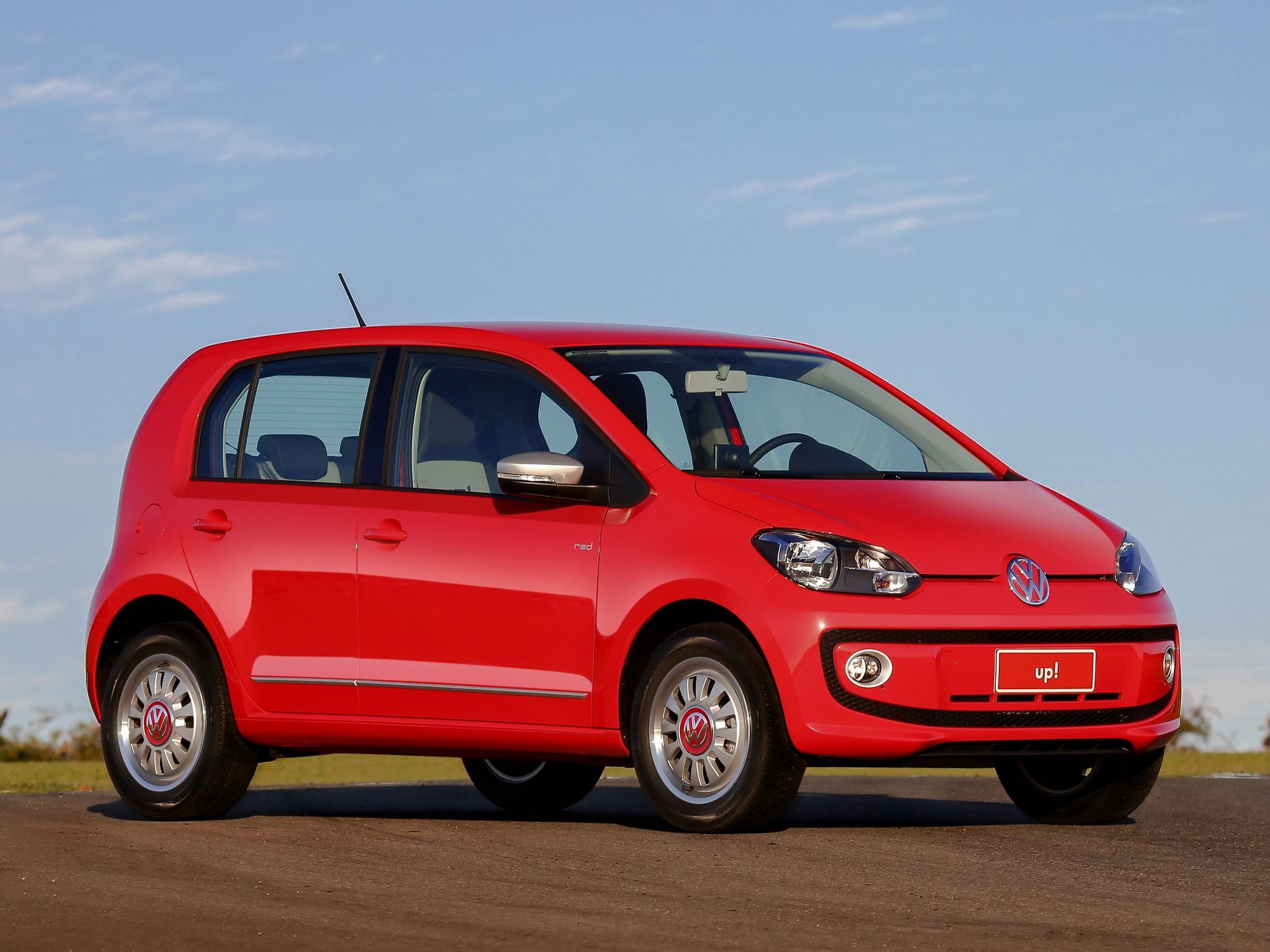
Those who had one loved it, but many turned up their noses because it was expensive for a subcompact (Photo: Volkswagen | Disclosure)
The Volkswagen Up was a success in Europe, but it couldn’t repeat the feat here. The German brand has taken care to prepare the car for our liking, increasing the volume of the trunk and tank, homologating the vehicle to carry five occupants and changing the tailgate so that the window can go down.
The problem of the Up in Brazil was to bet on the concept of a sophisticated urban subcompact. As its architecture was modern, it was more expensive to make than the Gol, even though it was smaller. The aspirated Up pinched the value of rivals with 1.4 or 1.5 engines.
Those who tried the Volkswagen Up and didn’t insist on having a big car loved the model. It was good to drive, fit tall drivers comfortably and gave a feeling of solidity. The TSI engine that came later gave a surprising performance, which combined with the good couplings of the manual transmission.
But in the end the Up was a failure for Volkswagen, as it sold below expectations. Today the brand is back to being the sales leader thanks to the Polo Track, which is popular with a larger Brazilian taste.
2. Mercedes-Benz X-Class
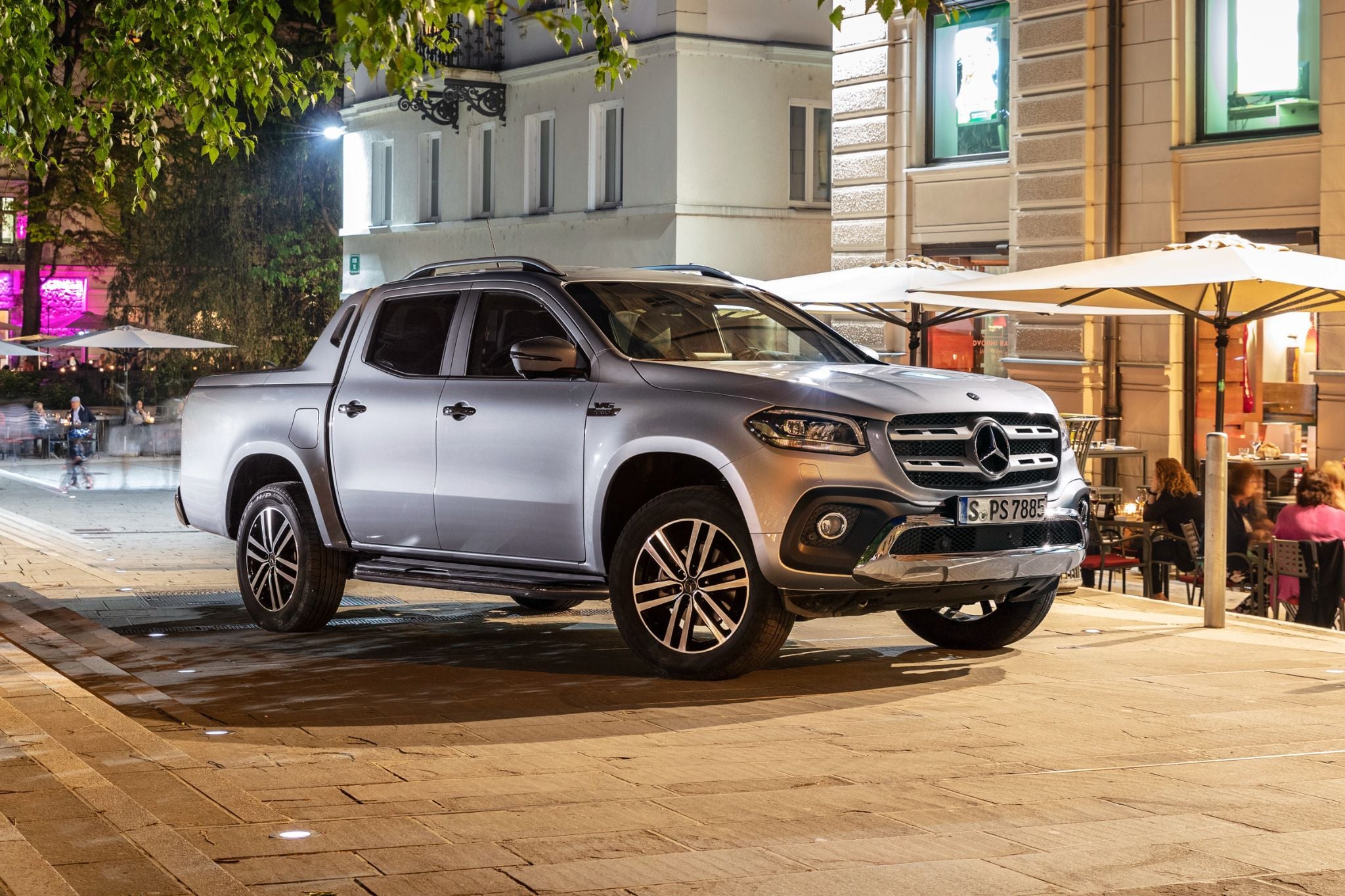
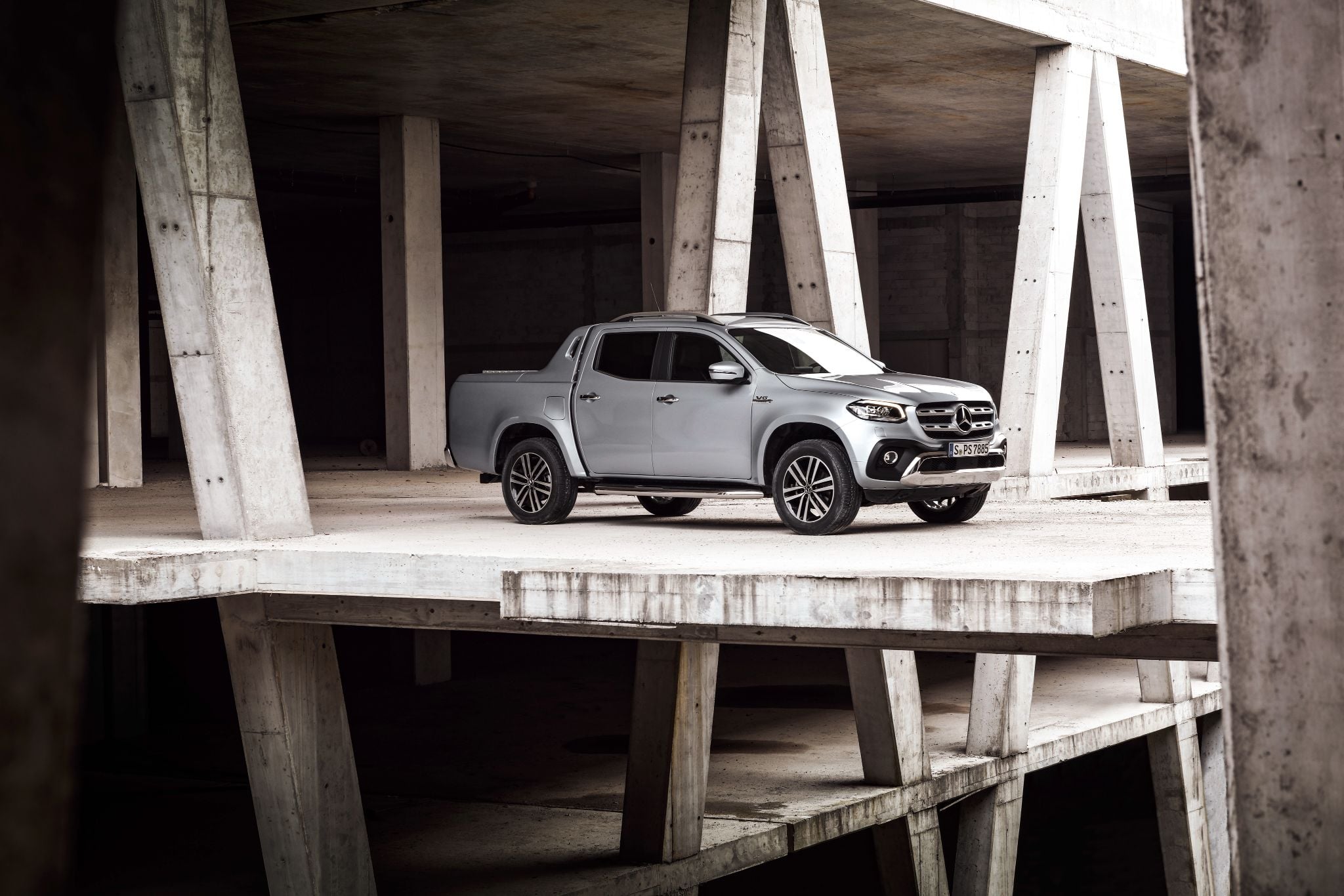
Only one version had a Mercedes engine to justify the high price (Photo: Mercedes-Benz | Disclosure)
Midsize pickup trucks are a bestseller in emerging markets and all brands wanted to have one in the 2000s. While Volkswagen took a chance on making the Amarok on its own, Mercedes-Benz teamed up with Renault to make its pickup truck derived from the Nissan Frontier.
The German brand also makes vans, trucks and the G-Class jeep, having work vehicles is nothing new to it. But it seems that Mercedes-Benz has underestimated the pickup truck market, which does not take luxury very seriously.
The X-Class had a different front, rear and interior from the Frontier, but some buttons were common with the Japanese model. Under the hood was our well-known 2.3 turbodiesel from Renault, which was also used by Nissan. But only in the German brand’s pickup was there the V6 3.0 from Mercedes, with 258 hp.
What made the X-Class fail was precisely the internal competition: the four-cylinder models were too close to the Frontier and the V6 was too expensive for a pickup. There were plans to produce it in Argentina for Latin America, but low sales made Mercedes give up on this segment as soon as possible.
3. BMW 3 Series Compact E46/5
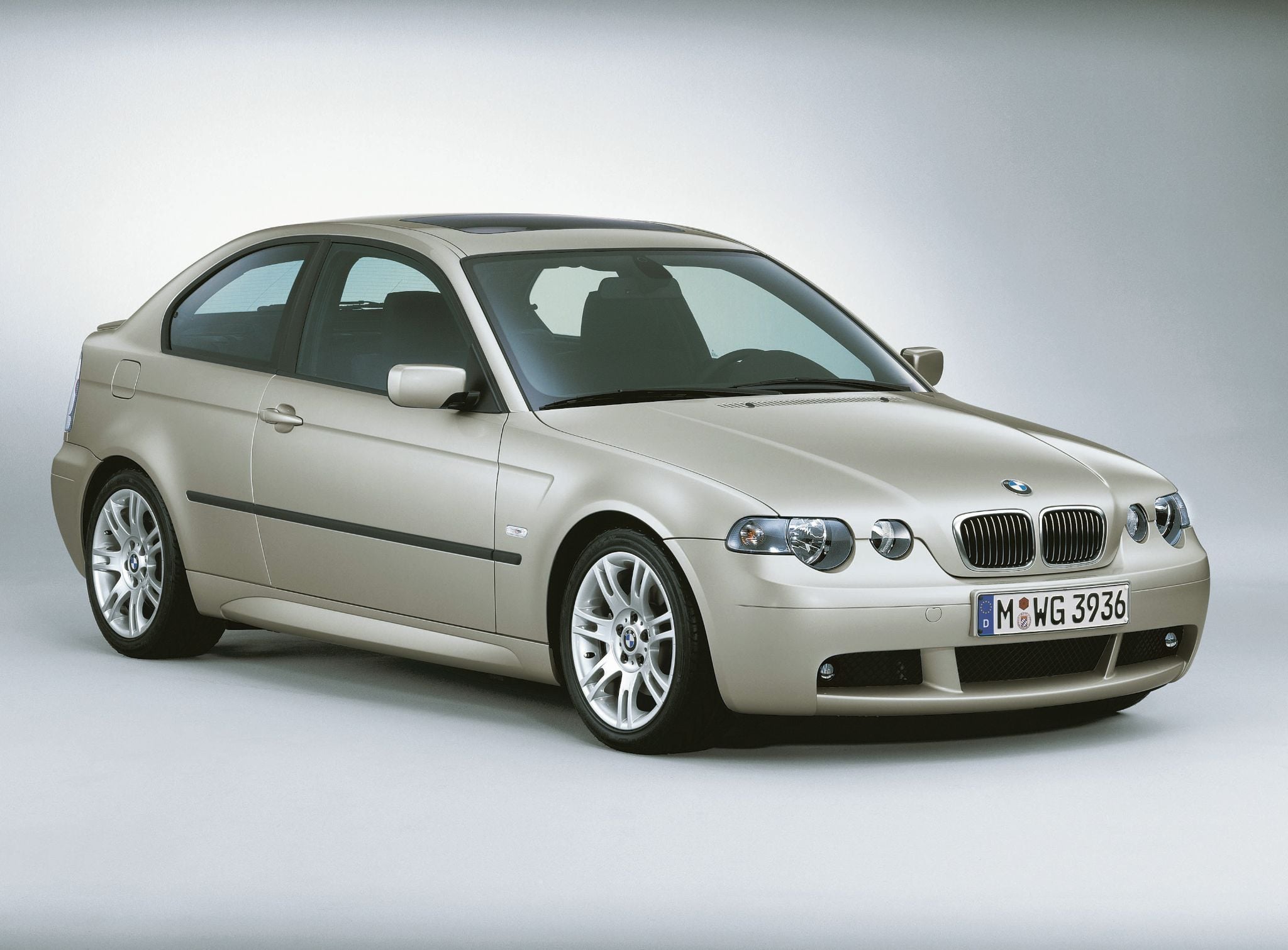
With this little face it was difficult to steal from Golf customers (Photo: BMW | Disclosure)
The medium hatchback segment is one of the most popular in Europe and BMW is tired of seeing the Volkswagen Golf being successful. As it did not want to break its tradition of making rear-wheel drive cars, it created the 3 Series Compact.
The model was basically a 3 Series E36 coupe with a shortened rear, hatch-type trunk lid and simplified rear suspension from the previous generation. The model was a success, as it offered the pleasure of driving a 3 Series for a lower price.
The next generation also had a Compact model, which solved some old criticisms such as headroom in the rear seat. But the reason for this miniature BMW to be a failure was the design.
At this time the Germans were trying to be bold with their cars. The 3 Series Compact gained split headlights with circular elements and a vertical and translucent taillight.
After this failure, BMW stopped cutting the rear of the 3 Series and made a hatch itself with the 1 Series, which maintained rear-wheel drive. Today the German brand’s medium surrendered to front-wheel drive to achieve better sales, the brand realized that a considerable part of the public didn’t even know what the drive wheels were.
4. Audi A2
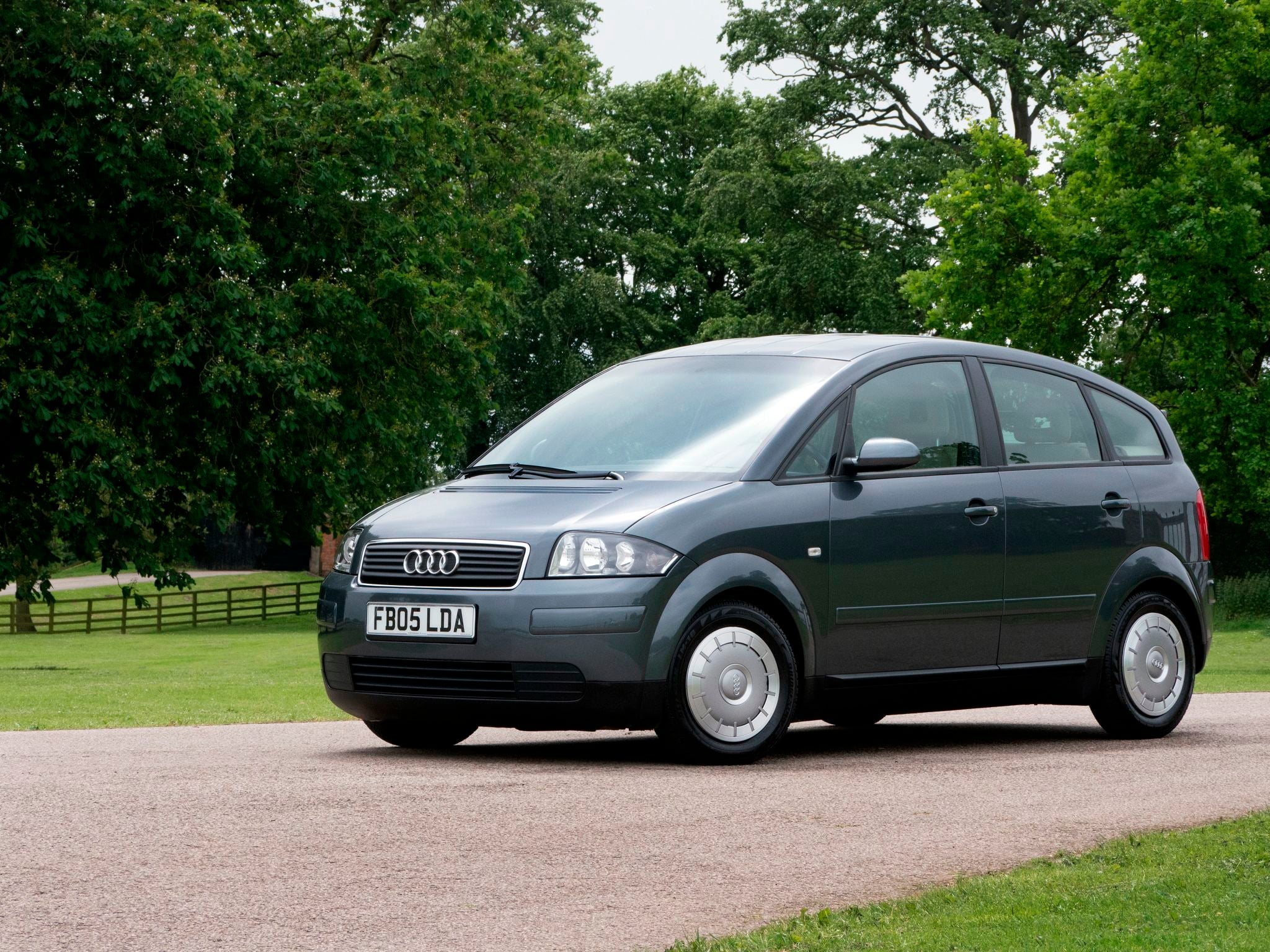
It had the size of a Honda Fit, an aluminum body and a hood that could not be opened (Photo: Audi | Disclosure)
Mercedes-Benz made headlines when it created its first compact car, the A-Class. BMW didn’t stray too far from its traditional formula with the 3 Series Compact. But Audi was bold and at the same time went under the radar with the A2.
Having a small car is nothing new for Audi, the 50 model of the 70s gave rise to the Polo, but in the 2000s it was already consolidated as a luxury brand. The A2 was an experiment that mixed hatch with minivan and sought the highest possible efficiency.
The size was similar to that of a first-generation Honda Fit, with a wheelbase of 2.40 m, 3.86 m long and 1.67 m wide. The design was inspired by the TT and the body was made of aluminum to reduce weight.
An innovation of the Audi A2 was the hood that could not be opened by the owner, he only had access to the oil dipstick and the windshield wiper reservoir. To perform maintenance, it was necessary to unscrew the hood.
It was the target of some experiments, such as the 3L version that used a 1.2 turbodiesel engine with 75 hp and came without air conditioning to be able to reach averages of 33 km/l. The Audi A2 never sold well, it sold only 176,377 units from 2000 to 2006, while the first generation of the A-Class sold more than 1 million units.
5. Volkswagen Phaeton
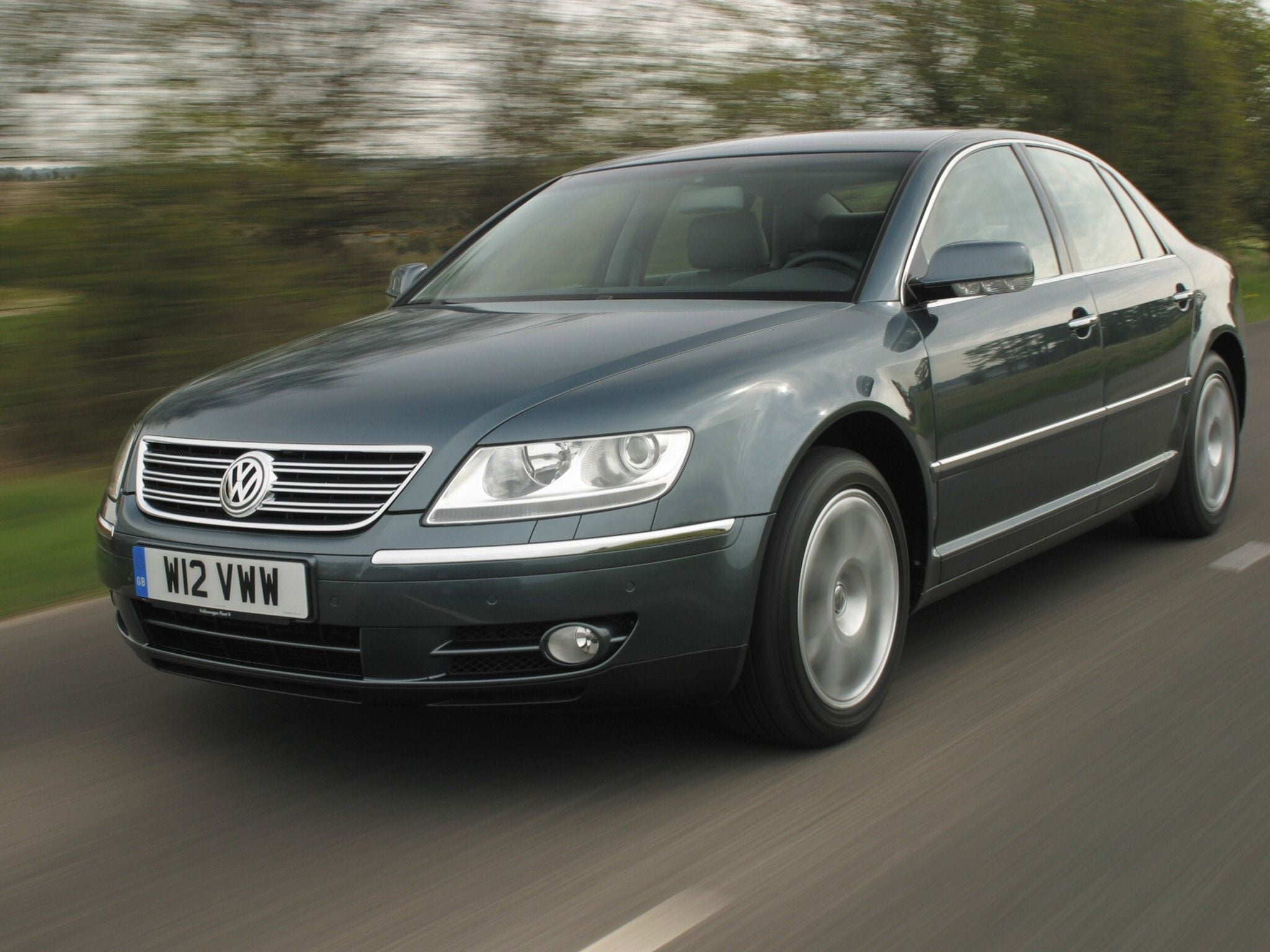
Underneath it had a lot in common with the Bentley Continental GT, but the grille badge did not attract the public (Photo: Volkswagen | Disclosure)
The executive, Ferdinand Piëch, saw Mercedes-Benz entering the compact car segment and thought about responding with a luxury Volkswagen. The German’s idea was to challenge the Mercedes-Benz S-Class, a global reference in luxury and technology.
The Volkswagen group already had something like this with the Audi A8 and still had Bentley under its umbrella, but Piëch was stubborn. The Phaeton was the result of the executive’s whims and needed to achieve specifications that he determined.
Running at 300 km/h constantly at 50° and maintaining 22° in the cabin, having high torsional rigidity and the heater running before the engine warms up are some of Piëch’s requirements. The Phaeton used the Audi A8 platform, but because it had a steel body instead of aluminum, it was closer to the Bentley Continental GT.
As a high-luxury sedan it was an impressive model, but the public in this price range is very attached to the emblem. The Volkswagen Phaeton was a commercial failure, the expectation was to sell 20 thousand cars a year and barely reached 6 thousand.
Production lasted from 2002 to 2016 thanks to China, the only market where sales were decent. A second generation was considered and reached an advanced stage of development, but was canceled.
Comments are the sole responsibility of their authors and do not represent the opinion of this site. Comments containing profanity or offensive language will not be published. If you identify anything that violates the terms of use, please report it.