England got a reputation for making troubled cars and that overshadowed the glories of the past. In the period before World War II, it was the country with the largest number of automotive manufacturers and until the mid-80s its models dominated on the race tracks.
British industry has also created important innovations, such as the Mini’s transverse engine, the Triumph Dolomite’s multi-valve cylinder head and the first luxury SUV, the Range Rover. But here we will focus on those who were successful in racing.
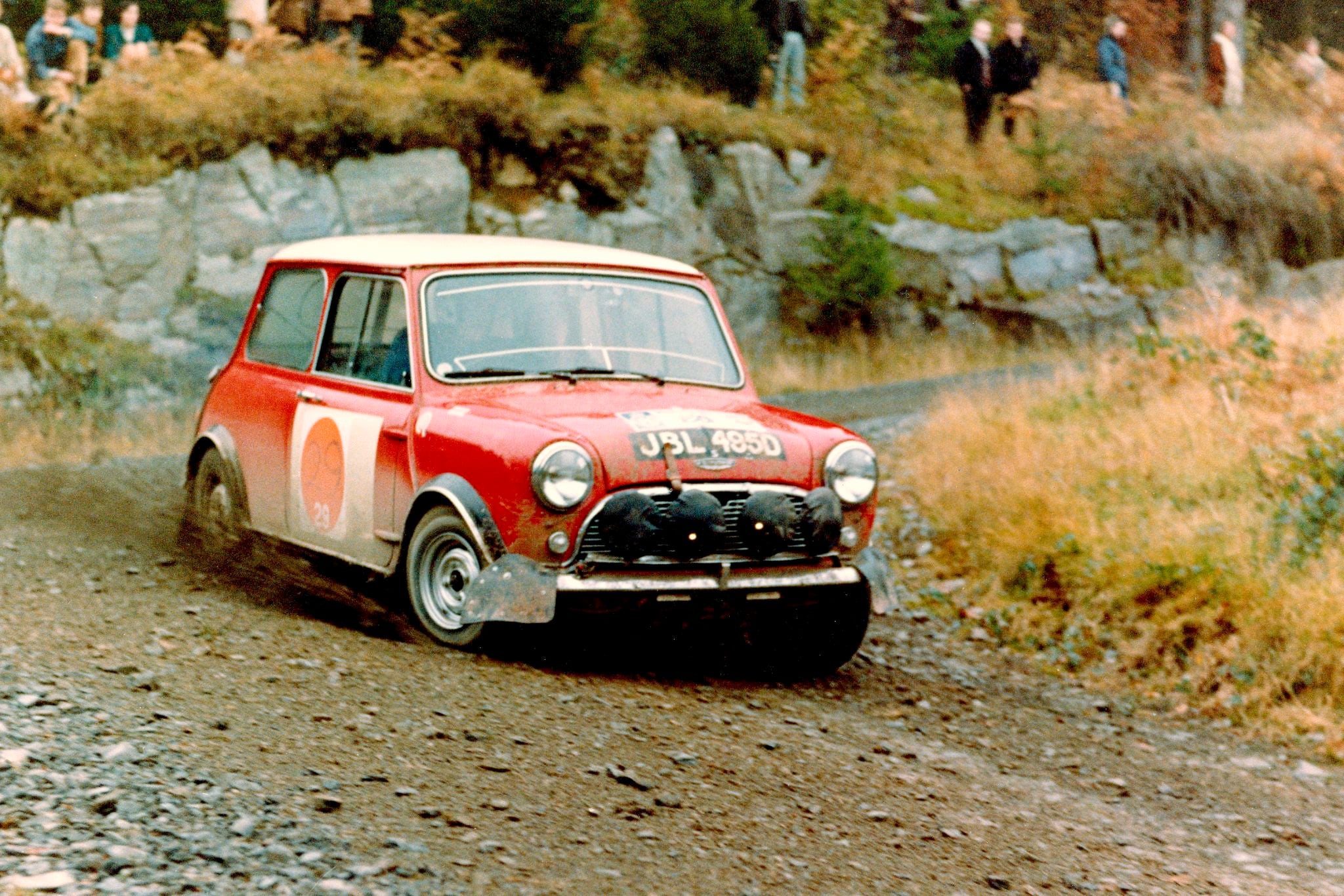
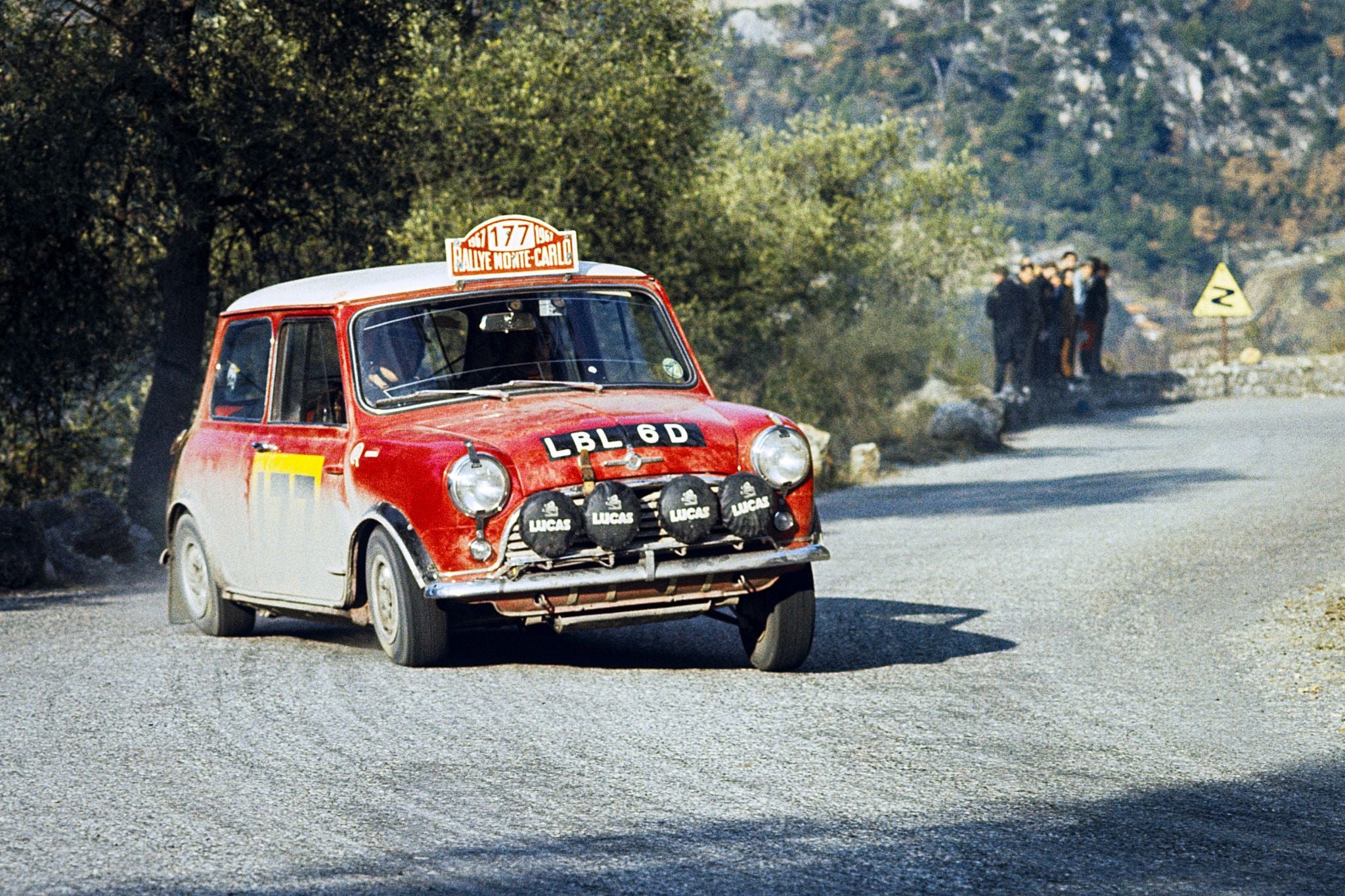
The Mini was not born with sporty pretensions, the talent was discovered by John Cooper (Photo: Morris | Disclosure)
The original Mini was created by the genius Alec Issigonis as an urban family car. The transverse engine layout came to free up more space for the cabin and the low weight was a consequence of its simplicity.
But John Cooper, a race car manufacturer, saw potential in the Mini precisely because it was light and fast. The first Mini Cooper had a 1-liter engine with two SU carburetors, disc brakes at the front and a short-ratio gearbox, 1,000 units were made for homologation of the group and touring.
The Mini Cooper’s fame on the tracks was reinforced with the S model, which used a 1,275 engine with 76 hp. It was with this configuration that the Mini was champion at the 1964 Monte Carlo Rally, under the command of Irishman Paddy Hopkirk.
The Mini Cooper S collected several rally victories during the 60s and 70s. He also did well in the British touring car championships, where he faced bigger and more powerful cars. Even today it is possible to see the model racing in the historic Goodwood races.
2. Bentley 41/2 Litre Blower
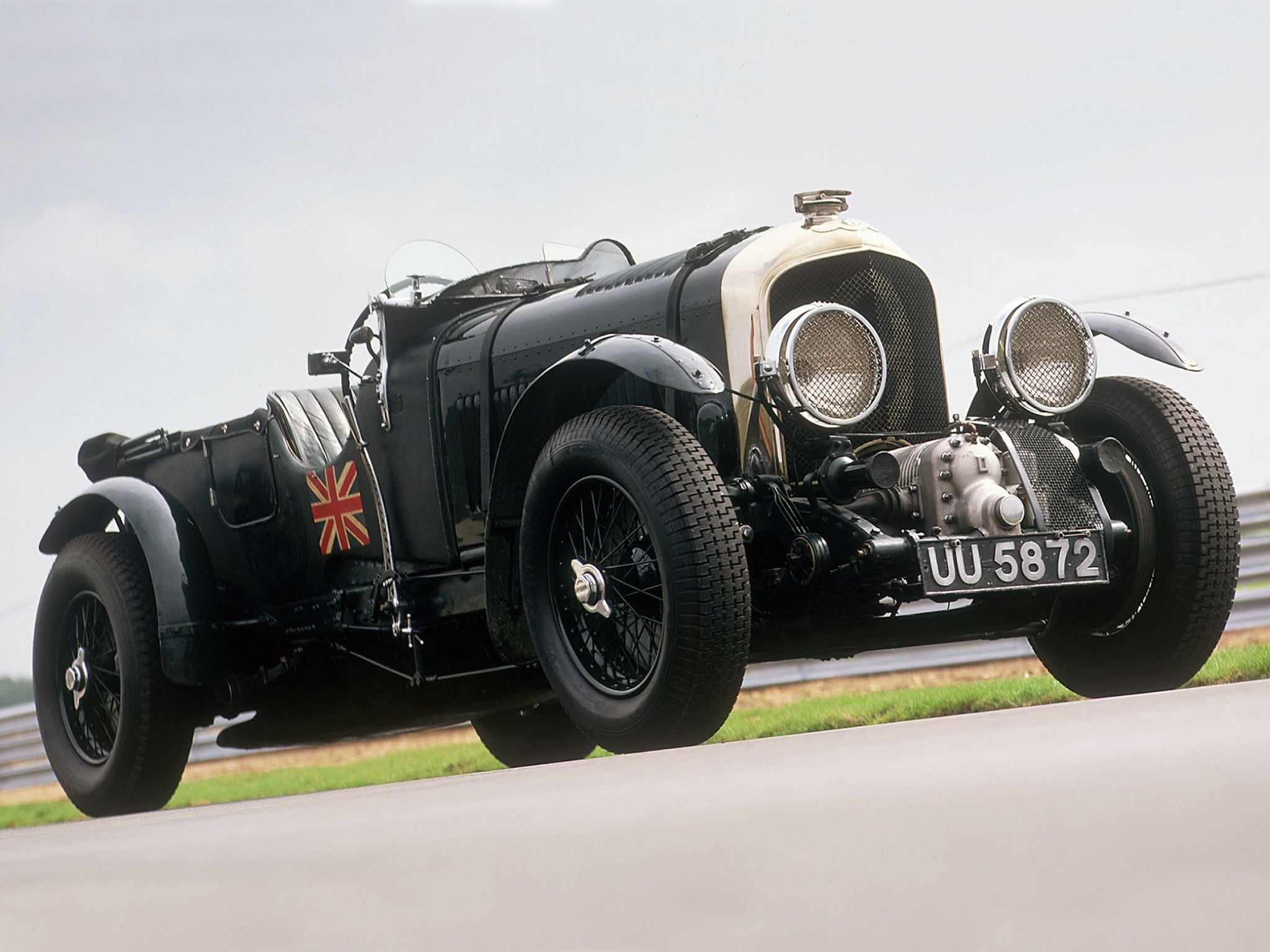
The British car was called a truck by Ettore Bugatti (Photo: Bentley | Disclosure)
Bentley has a tradition of making grand tourers, a term that designates comfortable sports cars ready to make long trips at high speeds. The current Continental GT is a living example of this.
A group of wealthy drivers who used the brand’s cars were nicknamed the “Bentley Boys”. One of them, Woolf Barnato, bought the manufacturer in 1925 to save it from bankruptcy.
The best way to improve the image of a car at the time was to race in the 24 Hours of Le Mans. The Bentley Boys competed with the 41/2 Litre from 1927 to 1931.
They were champions in 1928, with Barnato at the wheel of the car. A stronger version equipped with mechanical compression, baptized as 41/2 Litre Blower also raced, it did not win but broke speed records on the track.
According to Ettore Bugatti, the British brand’s cars were the fastest trucks in the world. This comment was in allusion to the large size of the Bentleys in relation to the slender models of Bugatti.
3. Lotus 72D
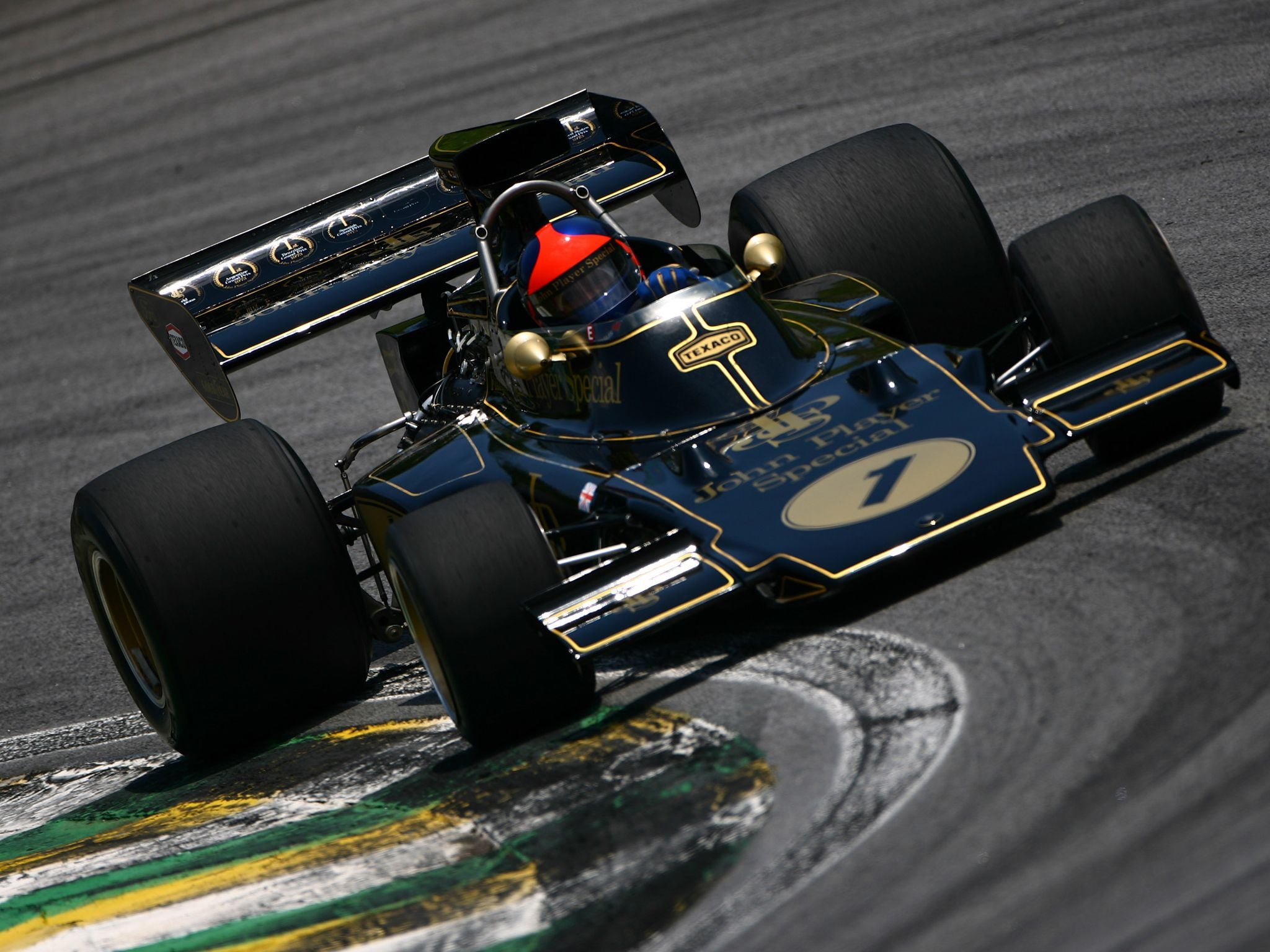
The Lotus 72D became a samba theme after Fittipaldi’s victory at Interlagos (Photo: Lotus | Disclosure)
This British car has already been the theme of samba. The Lotus 72 was a Formula One car designed by Colin Chapman that collected good results from 1970 to 1975 and secured Emerson Fittipaldi’s first championship in the category.
The Lotus 72 maintained the brand’s philosophy of focusing on lightness and brought advances in aerodynamics. The engine used was the famous V8 Ford Cosworth DFV, with 3 liters and power between 445 and 470 hp.
4. Aston Martin DBR1
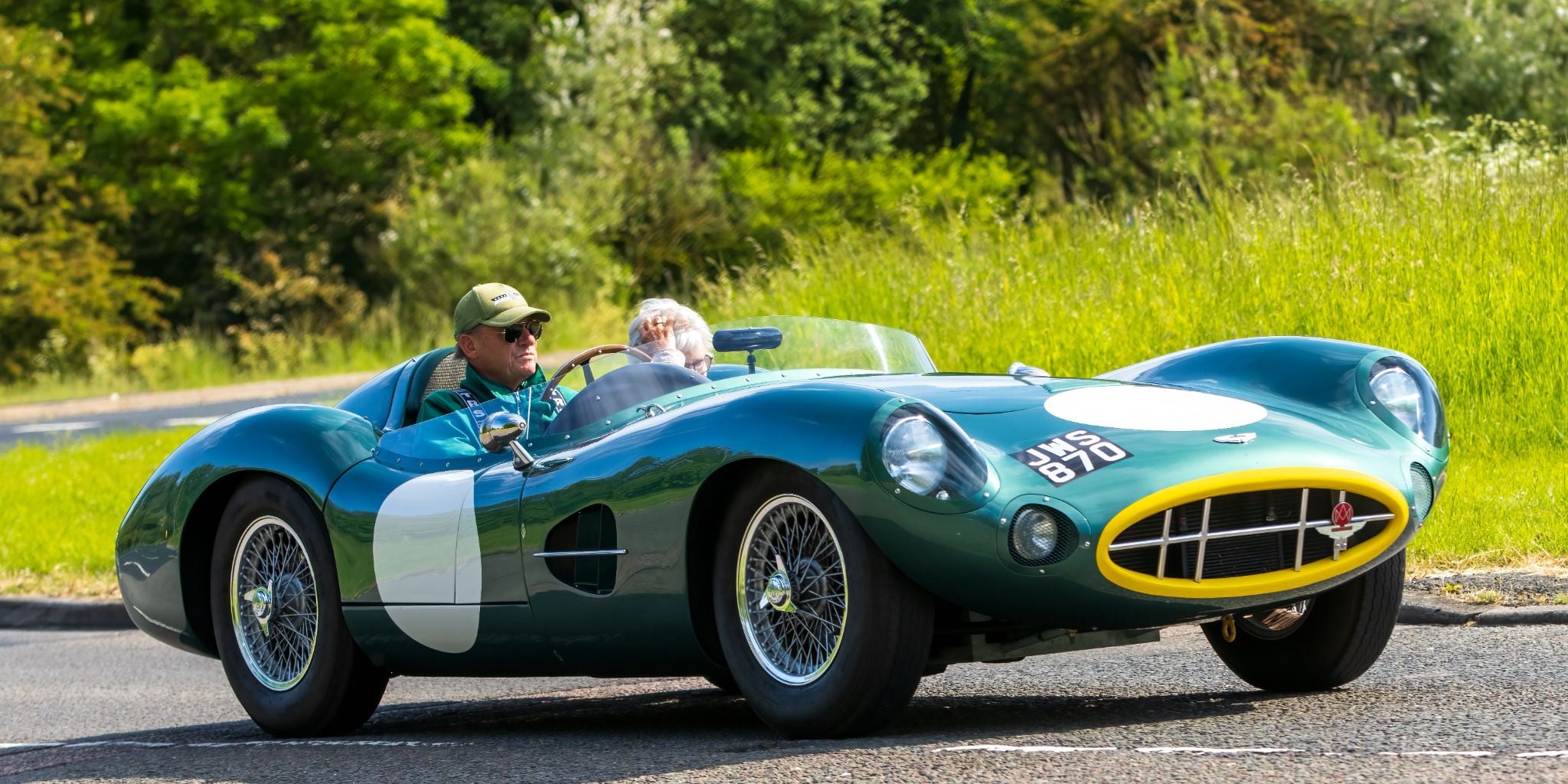
Before preparing cars, Carroll Shelby was a driver and won at Le Mans with an Aston Martin DBR1 (Photo: Shutterstock)
Although Aston Martin is a frequent participant in the 24 hours of Le Mans, the British brand was only champion of the event in 1959 during the classic era. The car responsible for this was the DBR1, which was driven by Carroll Shelby and Roy Salvadori.
This model also managed to take second place in the race, beating four Ferrari cars. The engine used was a 3.0 inline six-cylinder and the car weighed only 801 kg.
DBR1 had a difficult start to his career, having to abandon races such as the Targa Florio and the 12 Hours of Sebring due to mechanical failures. The one-two at Le Mans improved the spirits, Ferrari that was in third place finished 25 laps behind Aston Martin.
The brand only returned to good results in races in the touring car categories, with the DBR9 of 2005 and its successors. The new Valkyrie AMR-LMH is competing in the main category of endurance racing and has already won a podium, but for now it is in 6th position for the 2026 season.
5. Jaguar XJR-9
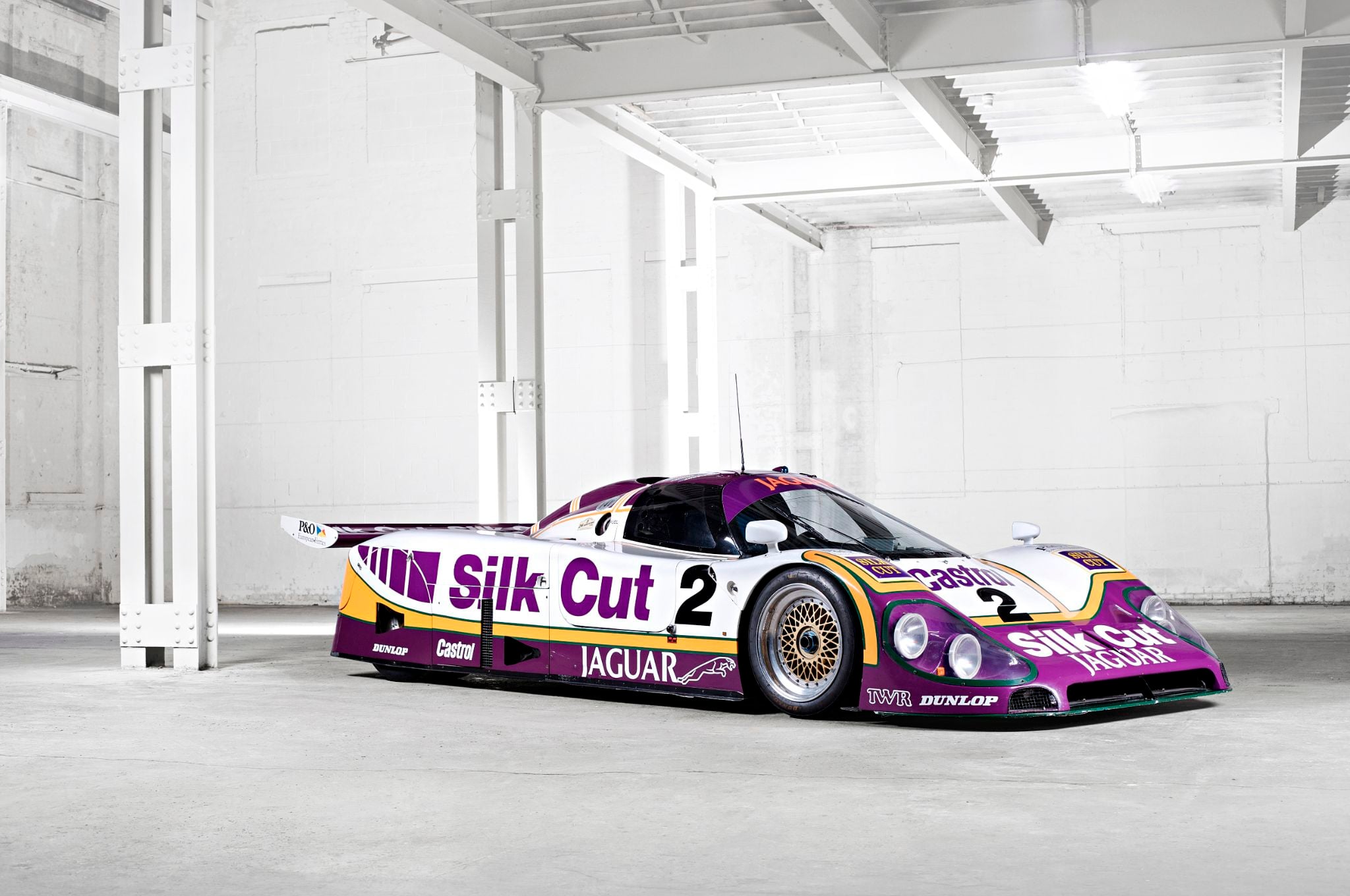
The XJR-9 had a 7.0 V12 and broke some speed records (Photo: Jaguar | Disclosure)
The Tom Walkinshaw Racing team along with Jaguar made a fine pair in competition during the 80s and 90s. They made the XJS into a race car, created the iconic XJ220 and the successful XJR prototype series.
We have chosen to illustrate here the XJR-9, which was champion in the 24 hours of Le Mans and the endurance championship in 1988. He also broke the speed record at La Sarthe, reaching 394 km/h on the Mulsanne straight.
At the time there were no chicanes on this straight, so the Le Mans car needed a different aerodynamic package. The XJR-9 had covered rear wheels and a lower airfoil to reduce drag. The engine used was a 7.0 V12 derived from Jaguar’s street engine, which delivered 760 hp.
Comments are the sole responsibility of their authors and do not represent the opinion of this site. Comments containing profanity or offensive language will not be published. If you identify anything that violates the terms of use, please report it.