The last dance: Yamaha ends production of the YZF-R6 once and for all
Model ends trajectory of almost three decades; Final batches will be destined to the manufacture of units aimed at track day
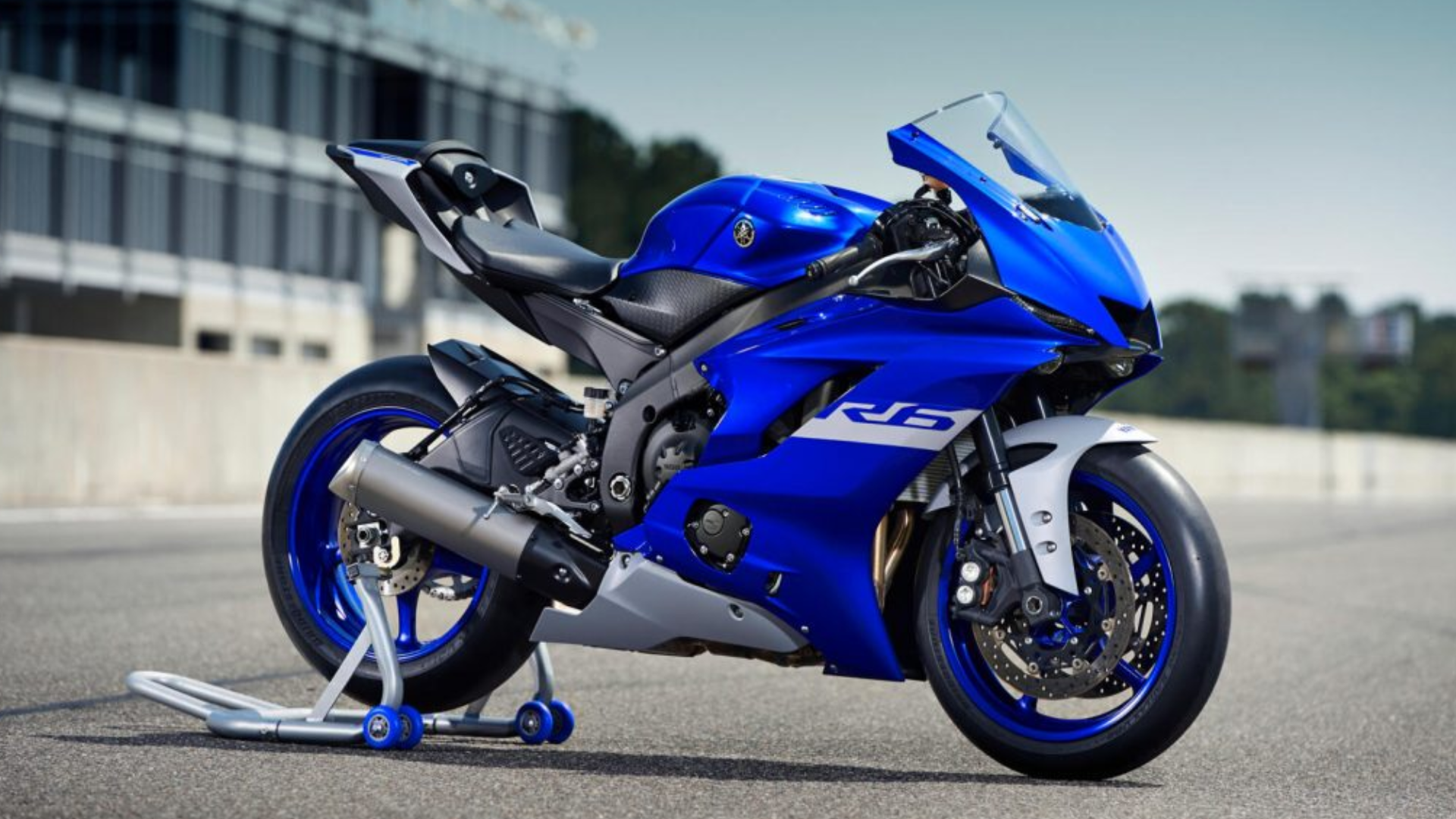
The 2020 European YZF-R6 features a 599 cm³ four-cylinder engine, traction control, quick shifter and components derived from the YZF-R1 Race Base. (Photo: Yamaha | Dissemination)
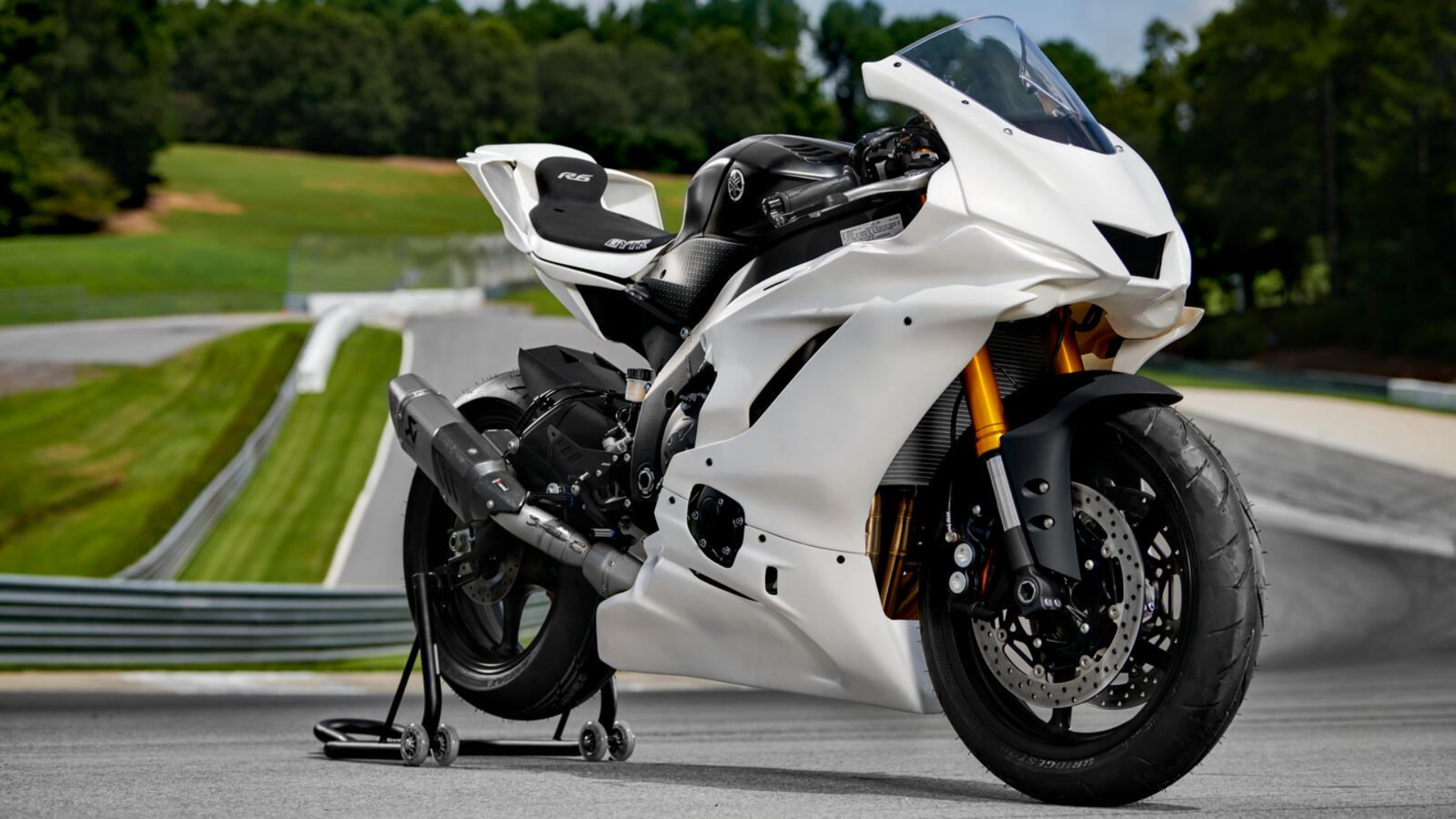
Yamaha has announced that it will permanently end production of the YZF-R6 Race Base, a version intended exclusively for the tracks of the almost thirty-year-old and beloved 599 cm³ sports car. The last batch will be manufactured only to order for the Japanese market, with reservations open between July and August 2026 and deliveries expected in February and April 2027, depending on the period of purchase.
According to the manufacturer, this will be the last production cycle of the model, which will continue to be offered without technical changes compared to the previous version.
Famous for its proposal and four-cylinder engine, it will leave fans missing (Photo: Yamaha | Disclosure)
The Yamaha YZF-R6 had ceased to be homologated for street use in 2021, but continued to be produced exclusively for track use until then.
The latest Yamaha R6
Based on the 2020 European YZF-R6, the motorcycle retains the 599 cm³, liquid-cooled, traction control, quick shifter and components derived from the YZF-R1 Race Base, such as the front suspension and braking system.
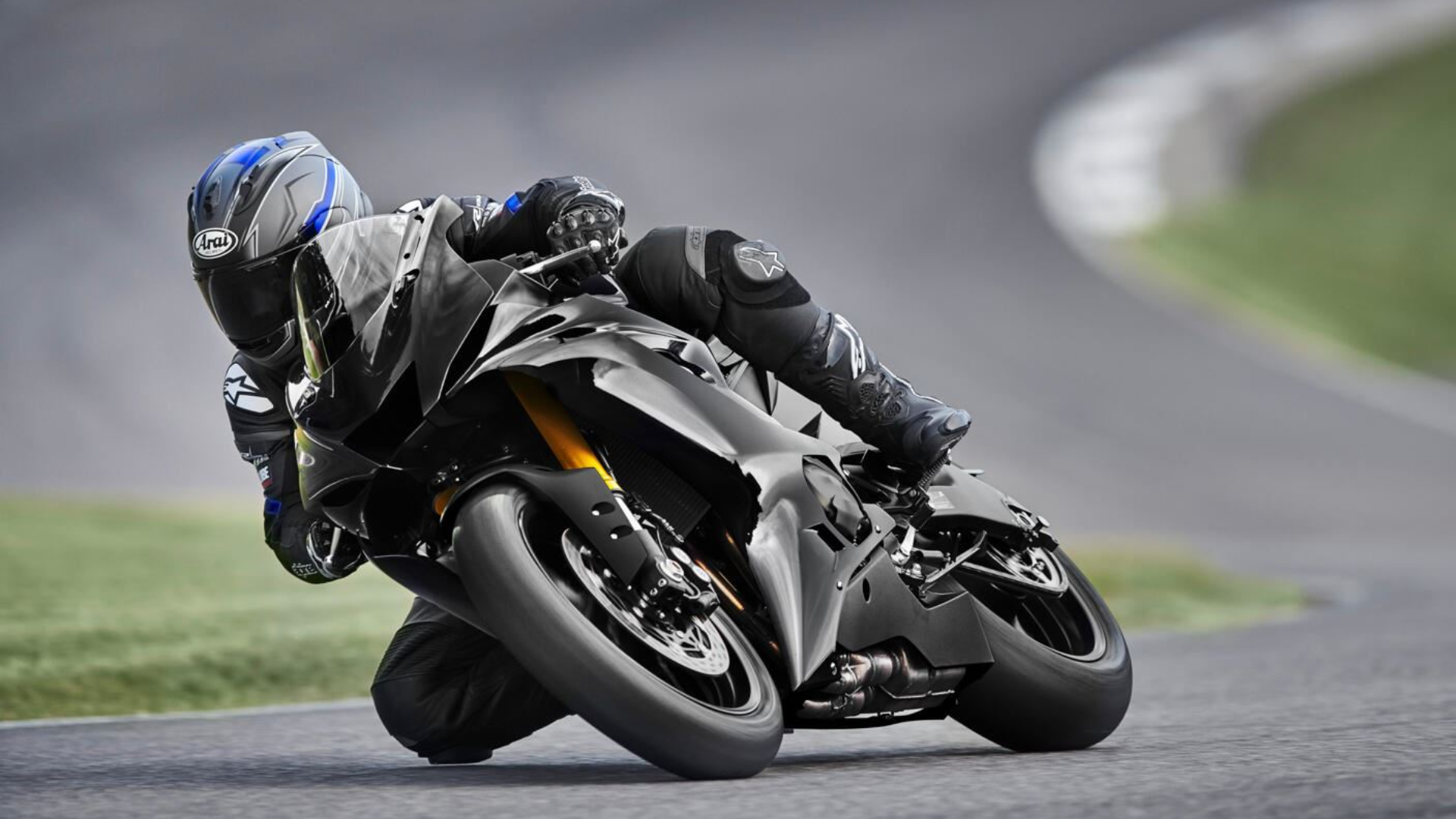
The R6 stood out a lot on the tracks and speed competitions (Photo: Yamaha | Disclosure)
The engine is a 16-valve DOHC capable of delivering approximately 118 hp of power at 14,500 rpm and 6,3 kgfm of torque at 10,500 rpm, working in conjunction with a six-speed gearbox equipped with an assist and slipper clutch (A&S Clutch). At the time, the set was developed to favor high revs, a characteristic that made the R6 a reference among medium-displacement sports bikes.
The chassis is of the Deltabox type in aluminum, while the front suspension uses a fully adjustable 43 mm KYB inverted fork. At the rear, the monoshock also has preload, compression and rebound adjustments. The braking system features dual 320 mm discs at the front, with four-piston radial calipers, and a single 220 mm disc at the rear.
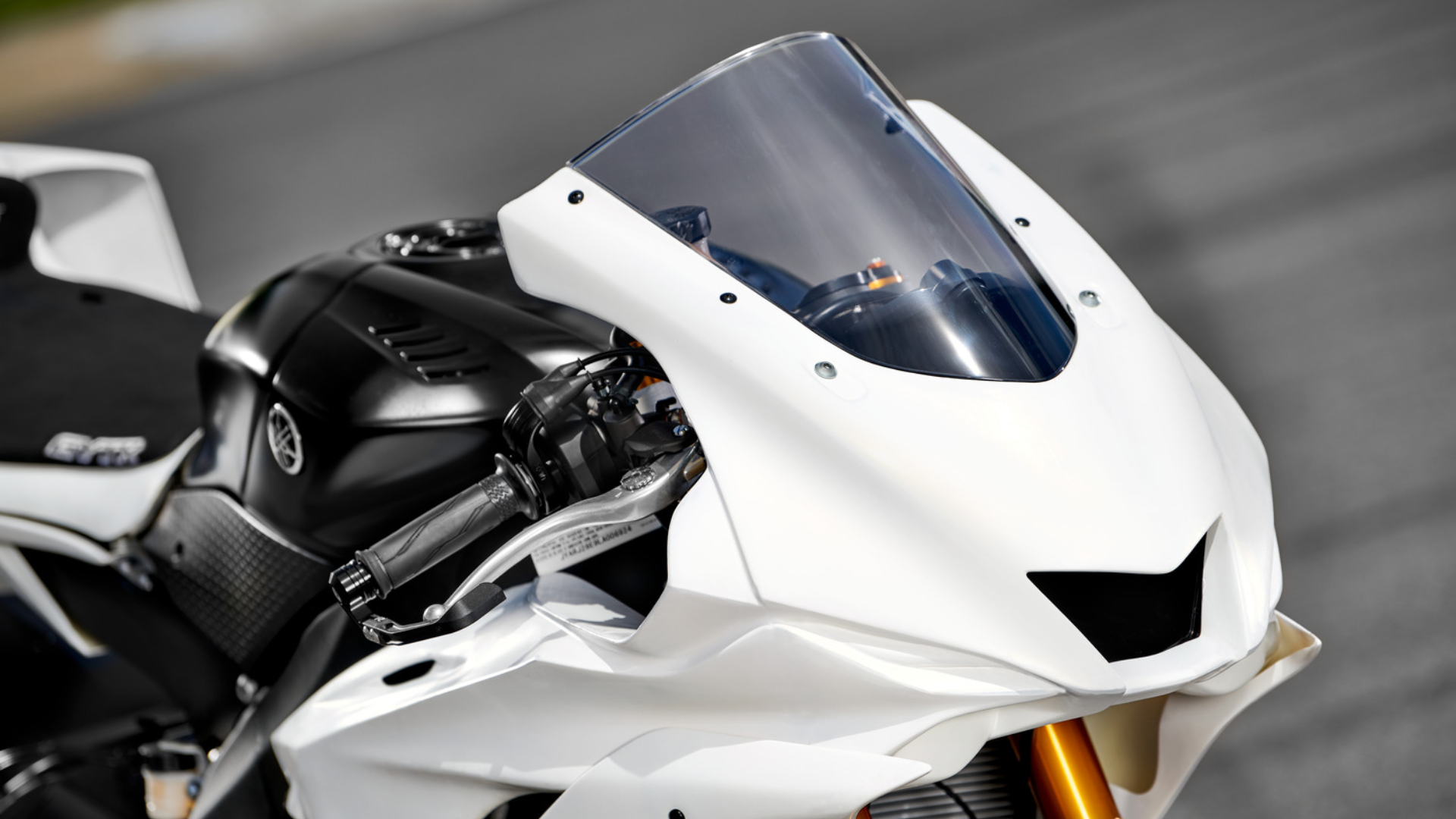
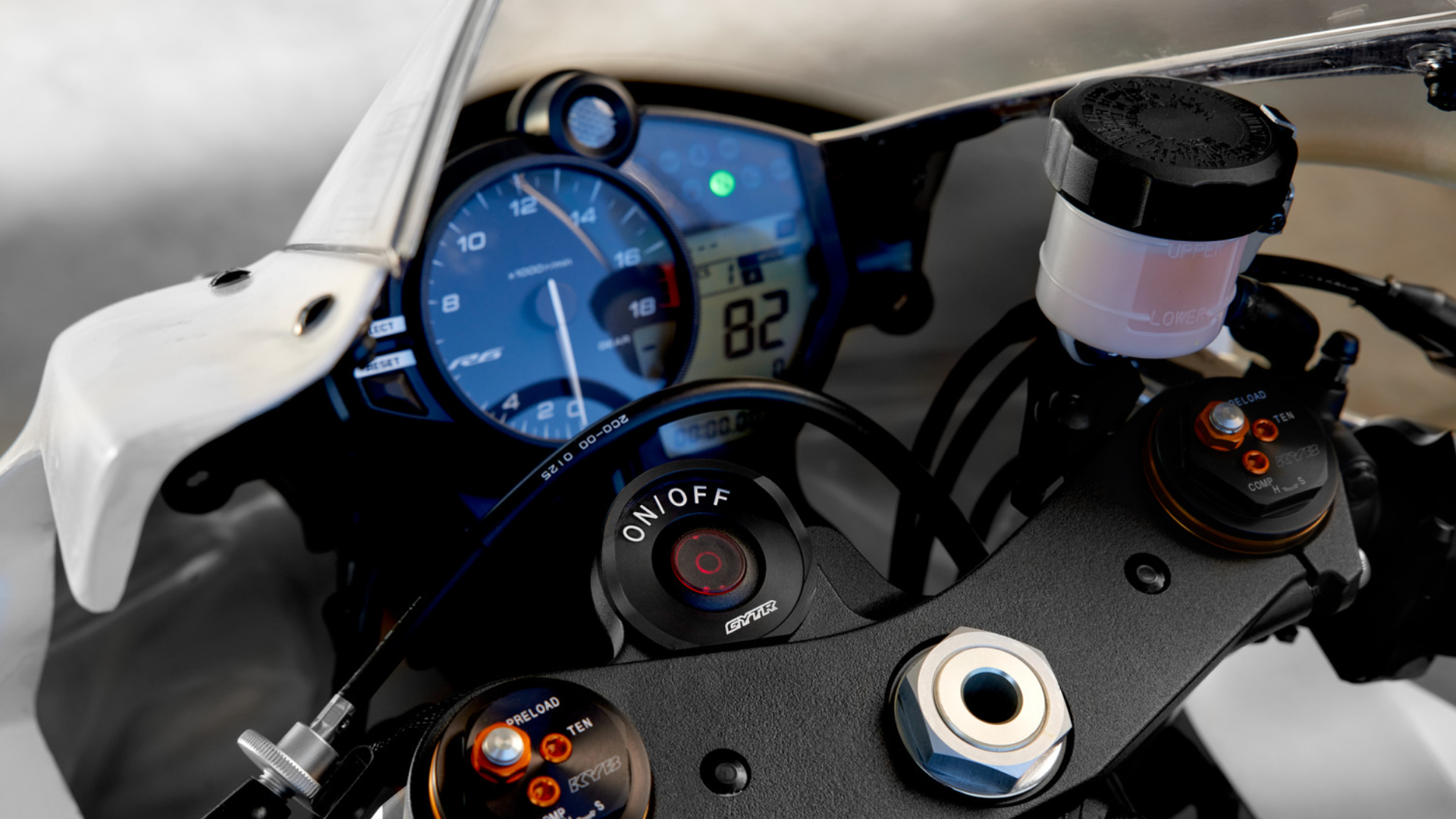
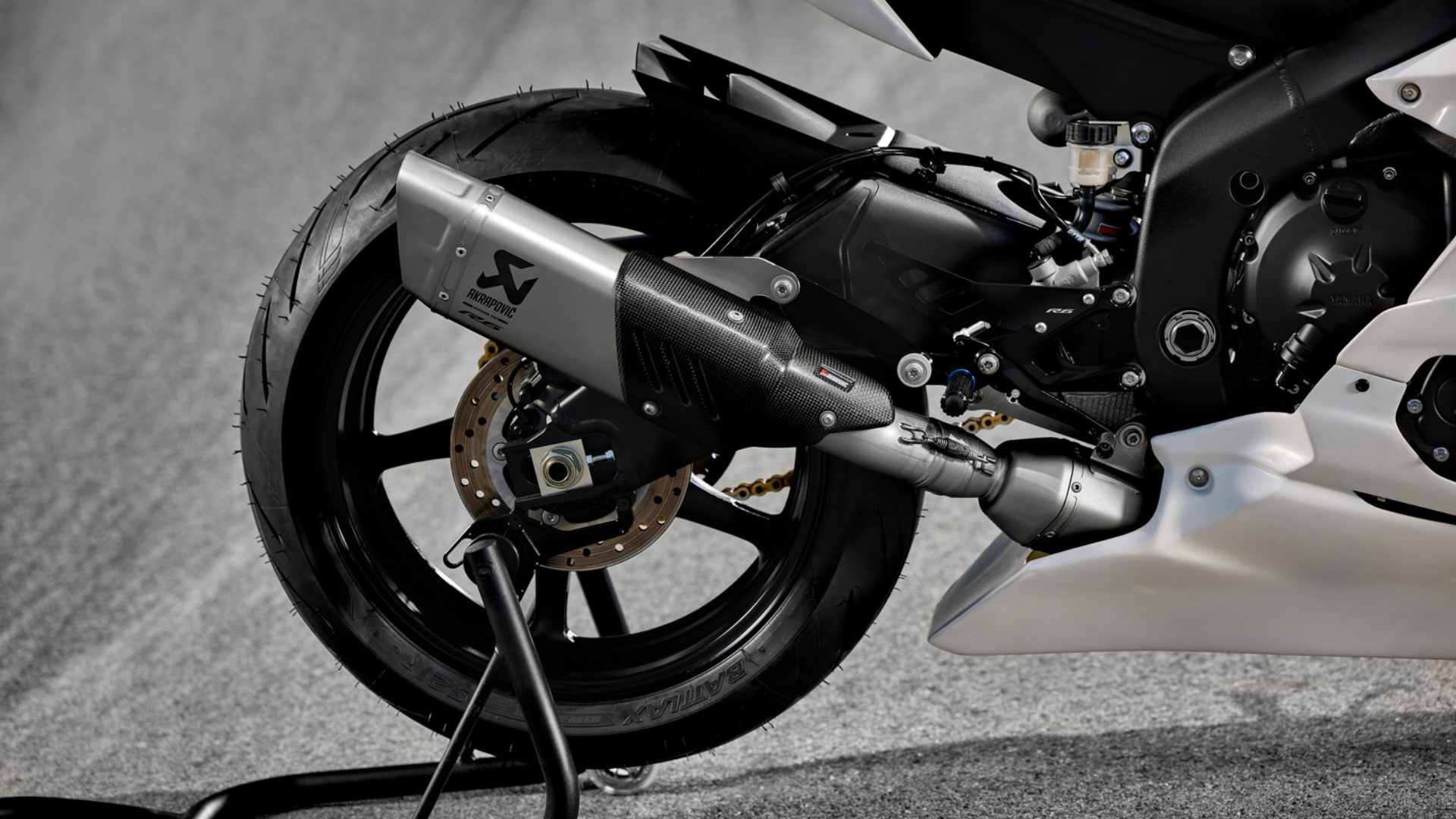
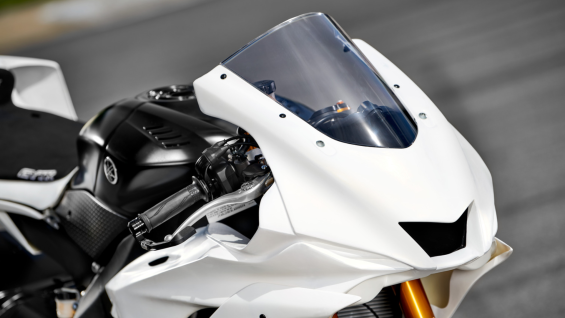
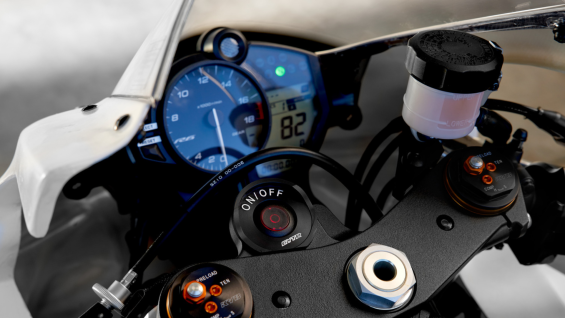
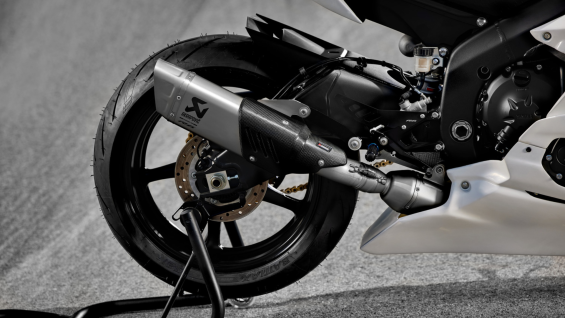
The variant is faired for aerodynamic efficiency (Photo: Yamaha | Disclosure)The panel is still analog (Photo: Yamaha | Disclosure)The Akrapovic exhaust guarantees efficiency from a renowned manufacturer (Photo: Yamaha | Disclosure)
The motorcycle weighs about 190 kg in running order, has a 17-liter fuel tank and adopts 17-inch wheels with 120/70 tires at the front and 180/55 at the rear. The electronics include YCC-T electronic throttle, adjustable traction control modes and quick shifter for upshifting without the use of the clutch, reinforcing its vocation for use on racetracks.
As the R6 Race Base is not homologated for use on public roads in Japan, it is delivered without mandatory equipment for circulation, such as a headlight, mirrors, horn, license plate holder and passenger seat. In addition, Yamaha separately ships a track-specific wiring harness and an exclusive ECU for competition.
One of the most striking sports cars in the category
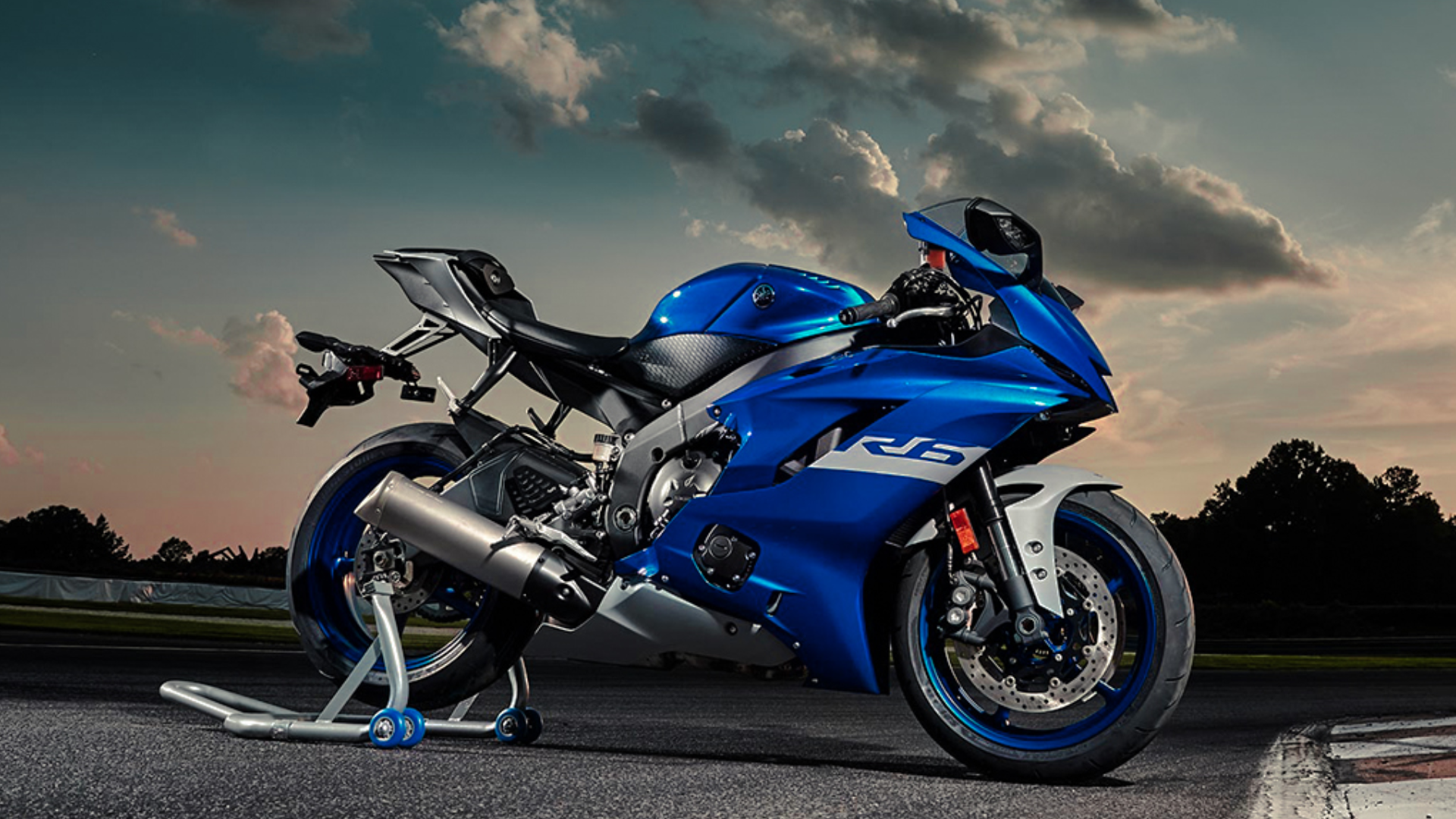
The Yamaha YZF-R6 2020 was the last homologated to run on the street (Photo: Yamaha | Disclosure)
Launched in 1999, the Yamaha YZF-R6 quickly became one of the most iconic motorcycles in the mid-displacement supersport segment. Developed to offer behavior similar to that of competition motorcycles, it combined low weight, high engine speed and refined chassis, characteristics that won over both professional and enthusiastic riders.
Throughout its history, the R6 has received several mechanical and electronic evolutions, becoming a reference among the 600 cm³ sports bikes. The model has accumulated victories in national and international championships, including the 2017 World Supersport Championship (WorldSSP), consolidating its reputation on the track.
Over the years, however, the medium-displacement supersport market has lost ground to other segments, while increasingly stringent emissions standards have driven up development costs.
The replacement
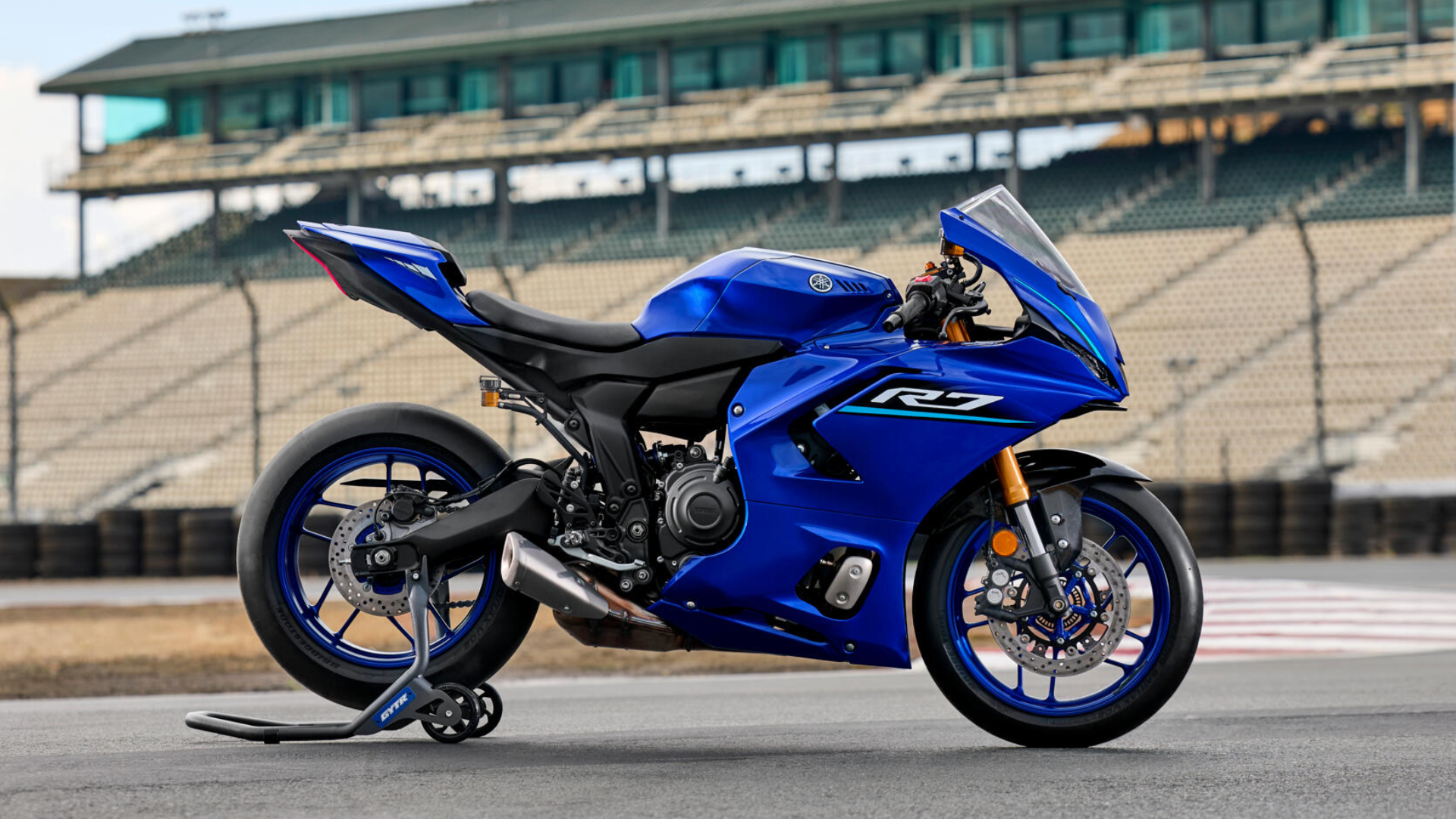
Yamaha R7 (Photo: Yamaha | Disclosure)
Yamaha found in the YZF-R7 the natural replacement for the R6 for the streets. Launched in 2021, the sports car started to occupy the space left by its four-cylinder sister, but with a very different proposal. Instead of prioritizing performance at high revs, the R7 uses the well-known 689 cm³ CP2 twin-cylinder engine, favoring torque at medium revs, lower maintenance costs and compliance with emission standards.
Although it shares the look inspired by the YZF family and offers a chassis aimed at sporty driving, the R7 never had the mission to replace the R6 in performance. While the old supersport was developed practically as a competition motorcycle homologated for the streets, the R7 seeks to meet both sports and everyday use, making it more accessible to a larger audience.
With the end of production of the YZF-R6 Race Base, Yamaha puts an end to the history of one of the most iconic models in the 600 cc category. After almost three decades, the R6 leaves as a legacy a trajectory marked by technology, titles on the tracks and a legion of fans, consolidating itself as one of the most important supersport ever produced by the Japanese manufacturer.
Comments are the sole responsibility of their authors and do not represent the opinion of this site. Comments containing profanity or offensive language will not be published. If you identify anything that violates the terms of use, please report it.