Automatic and automated motorcycles are already a reality in the market. Major manufacturers, such as Honda, Yamaha and BMW, already have these technologies. However, one question still remains amid these advances: are automatic motorcycles here to stay?
The answer is yes, but don’t expect an overnight turnaround. It is a gradual process, similar to what we have already witnessed in the car market. Today there are more automatic cars registered than manual ones.
And to better understand how the “popularization” of the automatic motorcycle will be, we questioned the manufacturers. Today, Honda is the manufacturer that has one of the largest varieties of automatic and automated transmissions on the market, which gave details of how the trend will tend to gain prominence from now on.
According to the Public Relations supervisor of Honda do Brasil, Luiz Gustavo Guereschi, the manufacturer believes that the technologies of transmission automation in motorcycles are a reality that has come to grow and remain in the market. “These new technologies are advances that deliver ease of riding, more comfort and add more safety to the rider”, says Guereschi. “Honda believes that these technologies are a trend in the motorcycle segment around the world and will be present in the future of motorcycles.”
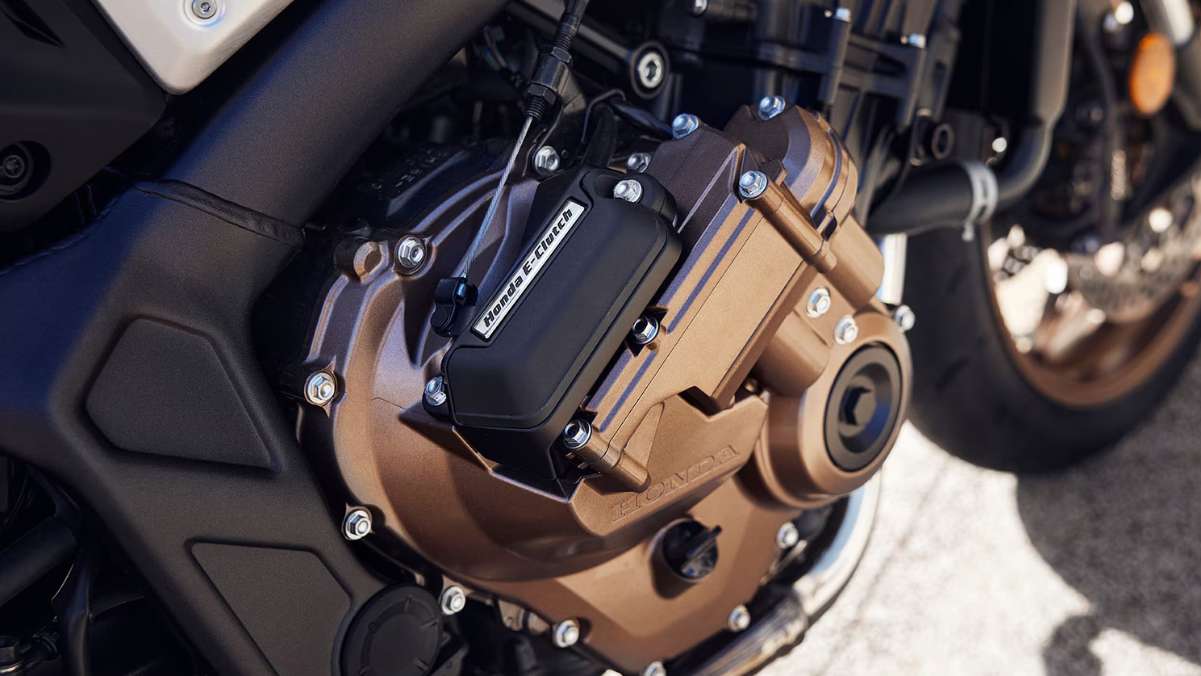
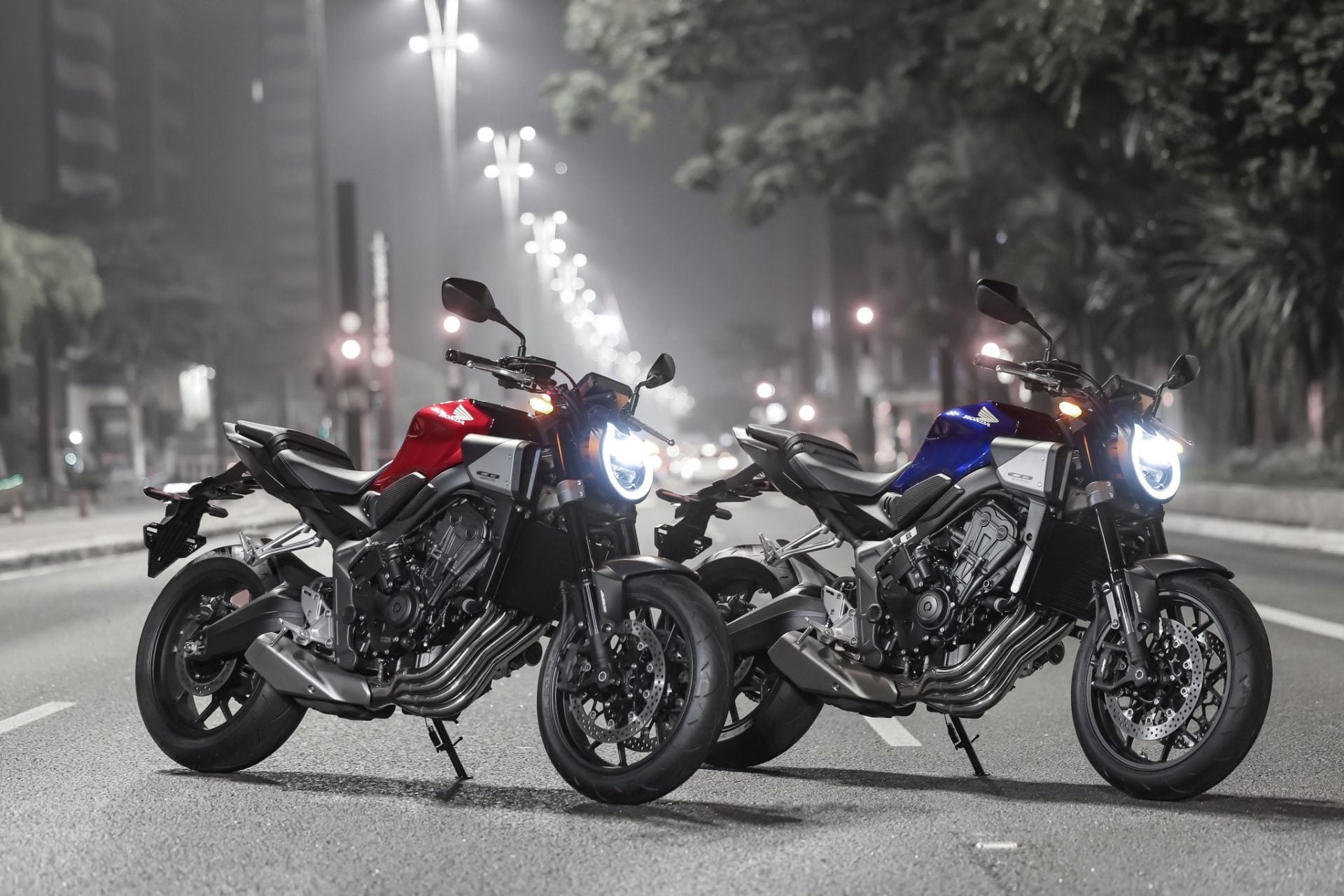
The e-Clutch technology is the latest among those that the Japanese Honda has (Photo: Honda | Disclosure)
According to data from the National Federation of Motor Vehicle Distribution (Fenabrave), in 2025 about 38.98% of two-wheeled vehicles sold in Brazil were scooters or cub-type motorcycles, which have some automation system or gear shift facilitator. This number represents an increase of 15.39% compared to the last five years (2020) and 27.51% compared to 2015.
Types of automated and automatic transmissions on motorcycles
There are different types of automated and automatic transmissions on motorcycles, which vary according to the cost of the project, the model proposal and the type of riding.
Everything may seem the same, but there is a difference. In an automated gearbox, the gear ratios still exist physically and who performs the changes is an automated system, a kind of robot that does the work of the pilot’s foot and hand. Conventional automatic transmissions, on the other hand, use a torque converter or a set of CVT pulleys connected by a belt, taking the model from the lowest to the highest speeds without preexisting gears.
Scooters at the forefront of automatic transmission
As much as Fenabrave’s data prove the demand for automation in scooters and cubs — that is, smaller motorcycles and more urban riding — currently larger motorcycles also receive this type of assistance to the rider. Honda, for example, currently has three technologies:
Semi-automatic system: centrifugal clutch (without lever), with pedal activation for changing gears with the left foot;
e-Clutch System: clutch with electronic activation, keeping the clutch lever available for use at any time, in addition to changing gears with the left foot;
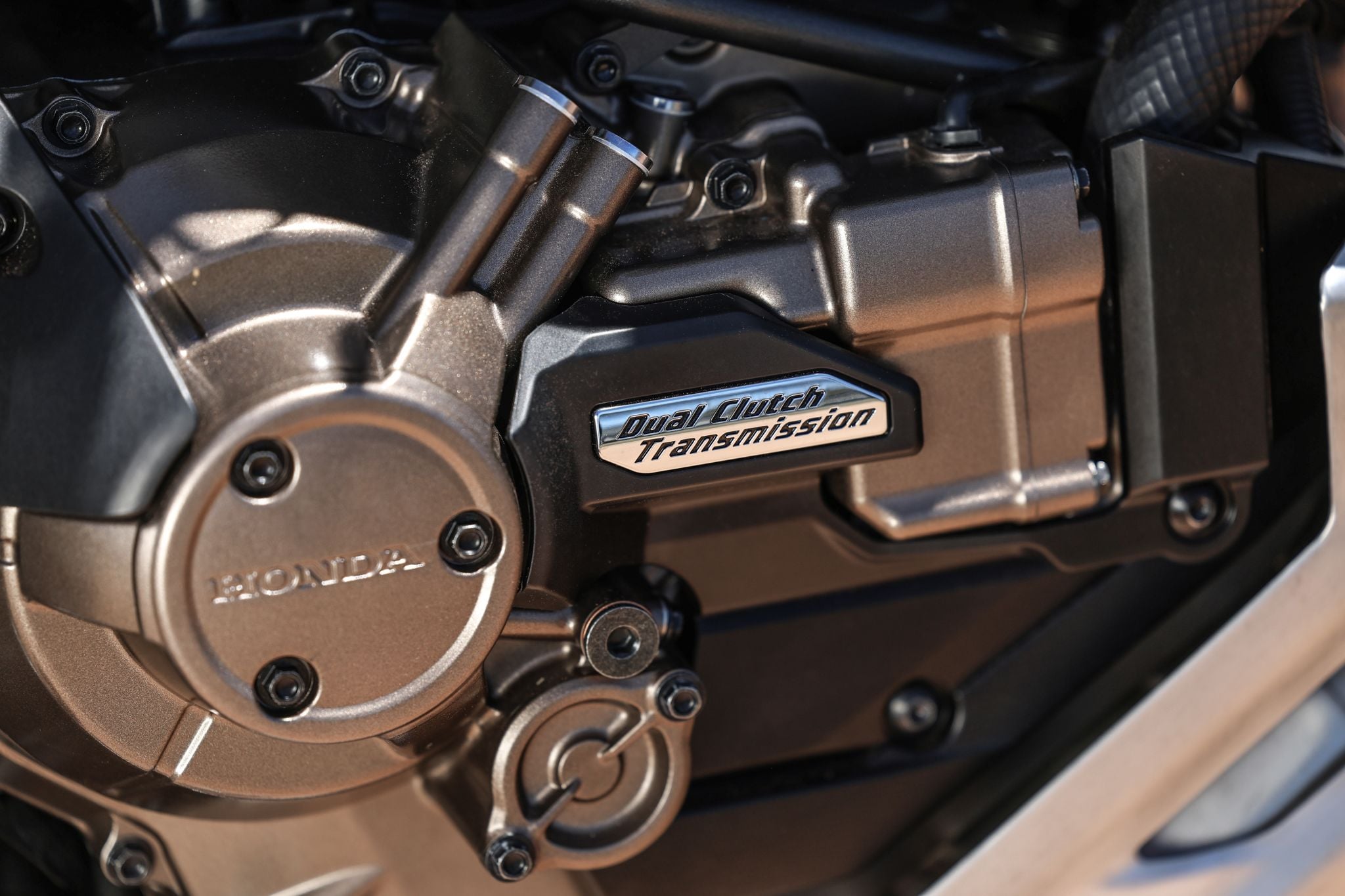
DCT: technology with dual clutch and electro-hydraulic actuation, performing automatic gear changes according to the riding style, and can have a more sporty or comfortable behavior.
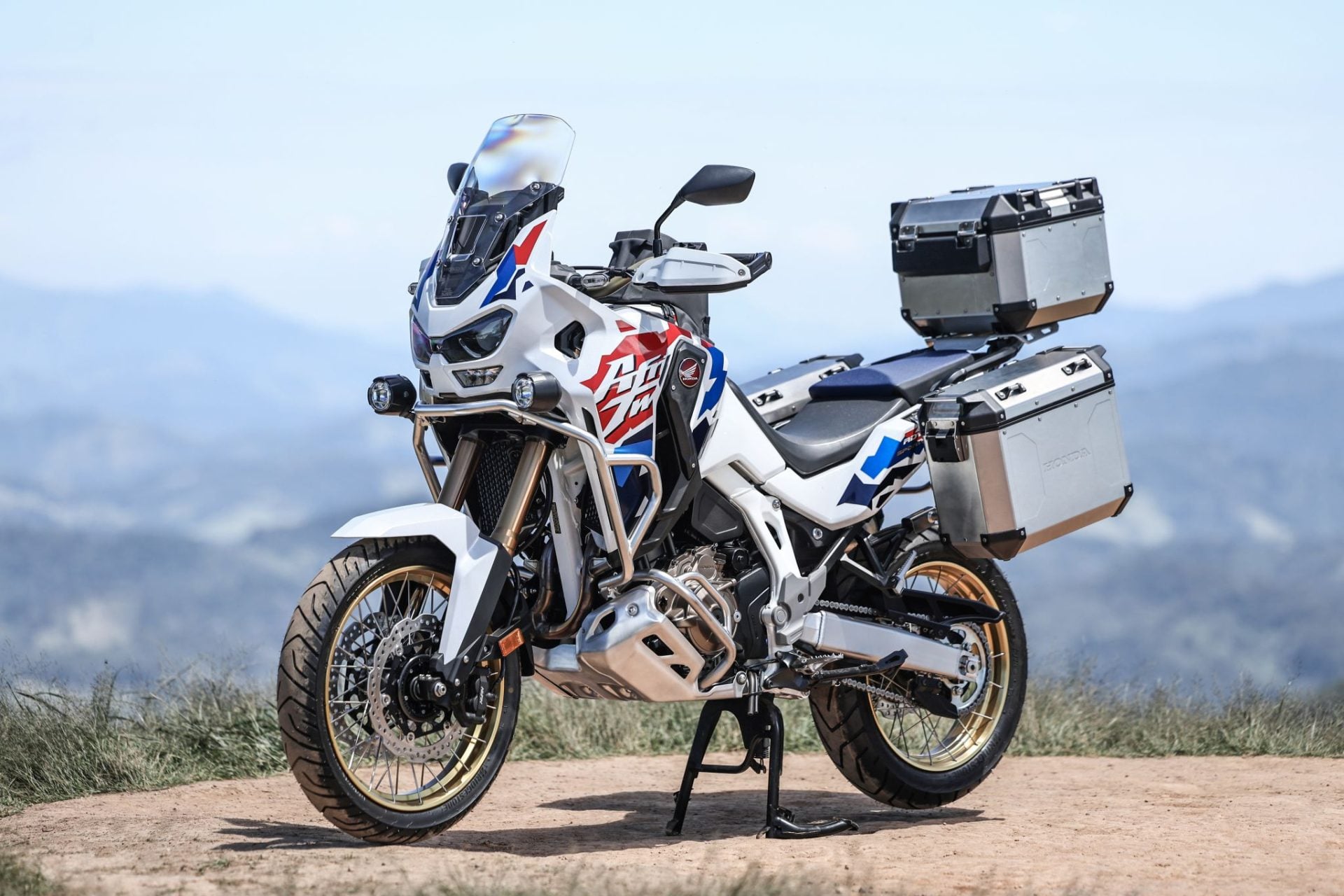
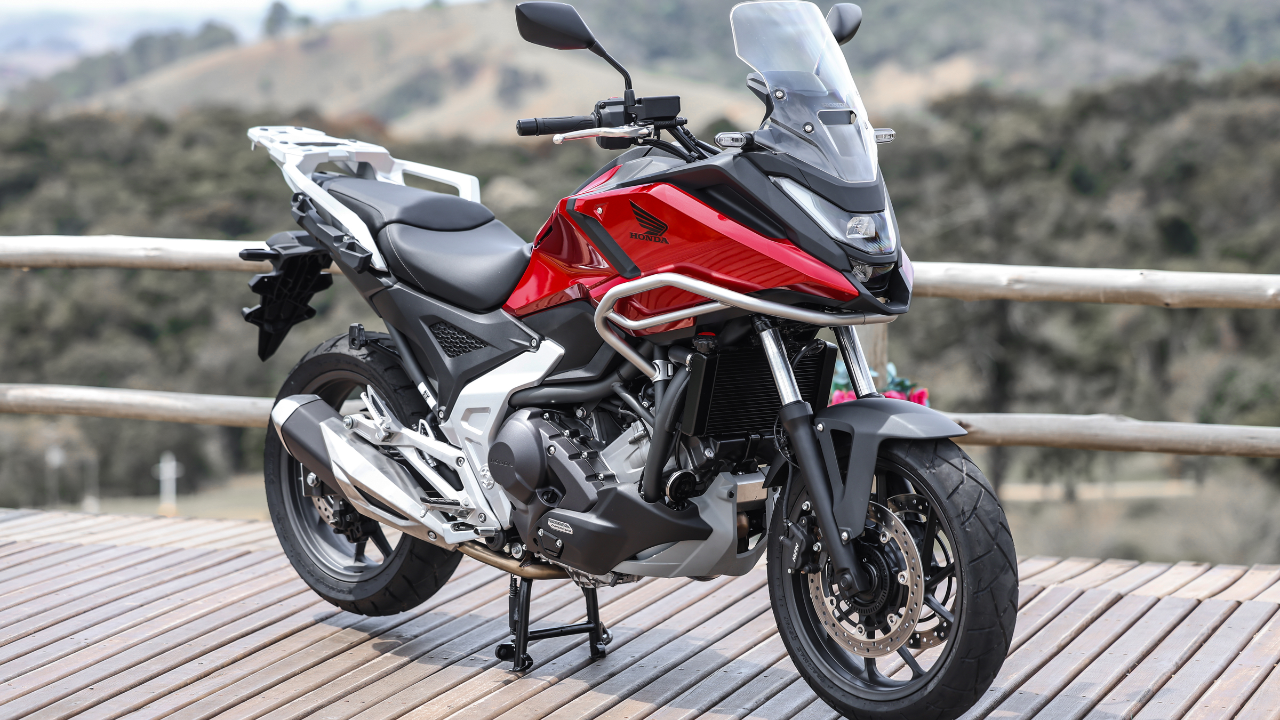
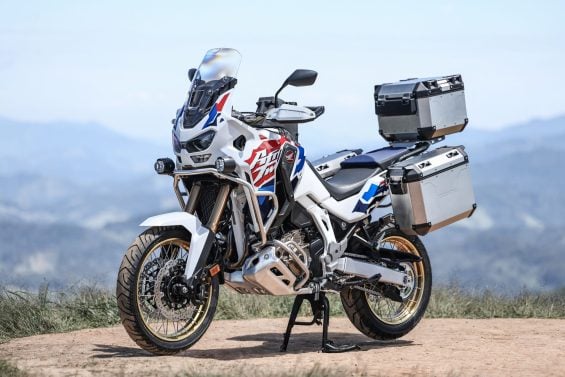
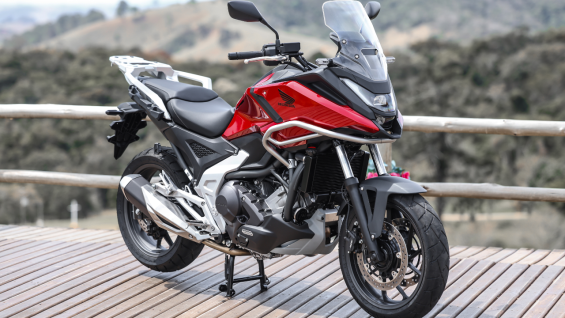
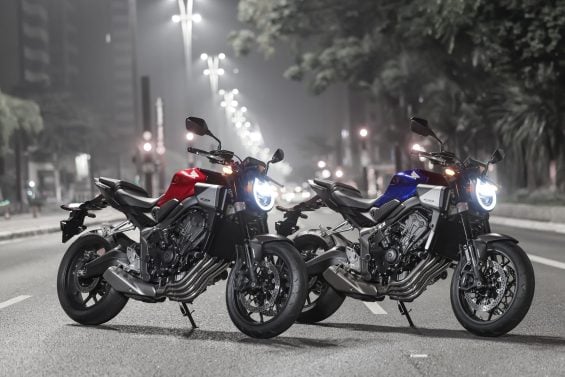
The giants Honda CRF1100L Africa Twin and Honda NC 750X have DCT technology. The e-Clutch debuted in 2025 on the sporty Honda CB 650R.
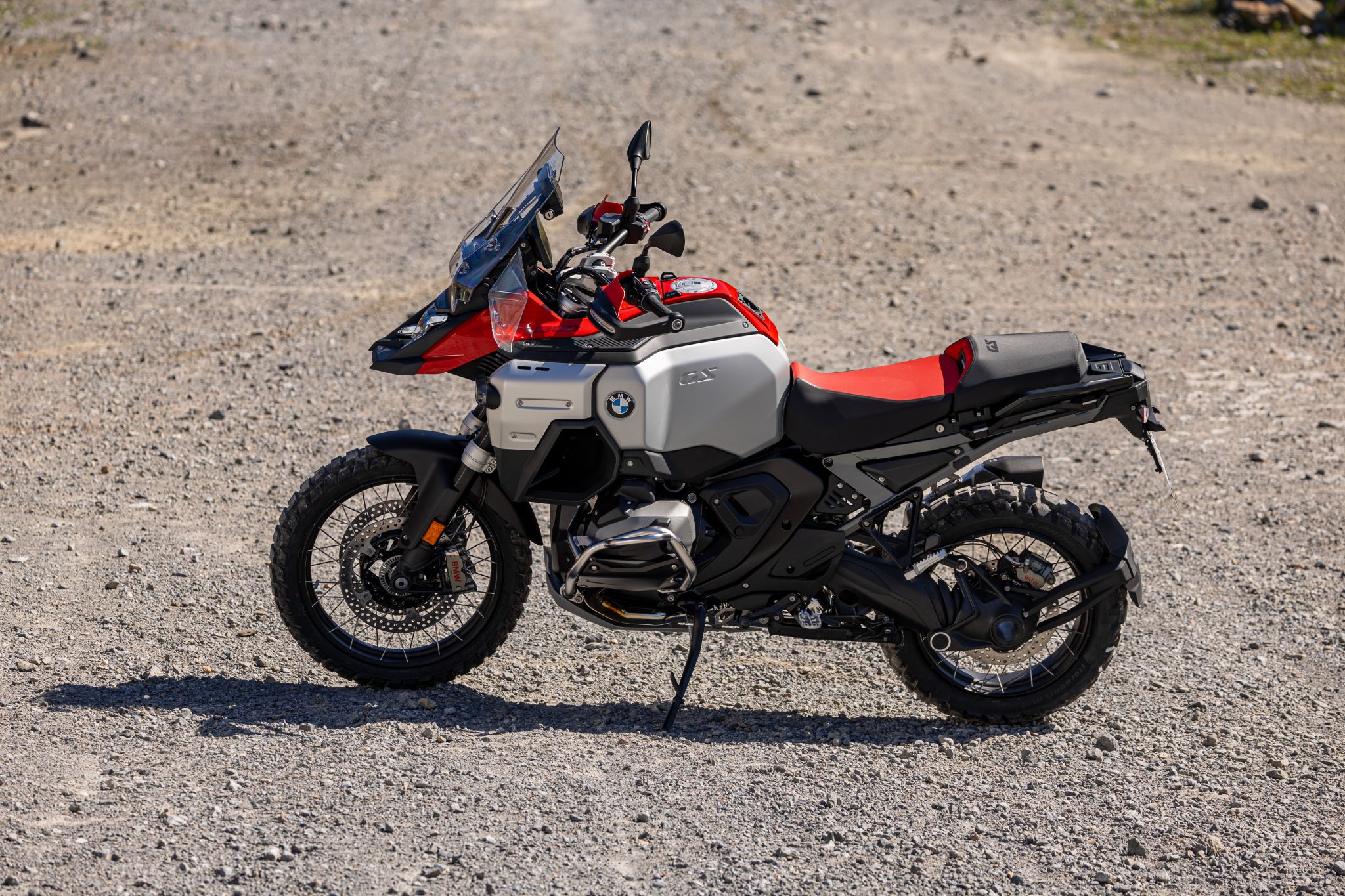
Other brands, such as the German BMW, also have similar technologies in their automatic motorcycles. In addition to the well-known quickshifter, which helps change gears without the use of the clutch, the manufacturer brought to its largest motorcycle, the BMW R 1300 GS Adventure, an automation technology called Automated Shift Assistant (ASA). The system acts similarly to Honda’s DCT and eliminates the clutch lever, using two electromechanical actuators to perform gear changes.
The BMW R1300 Gs Adventure is the most technological of the brand’s motorcycles (Photo: BMW | Disclosure)
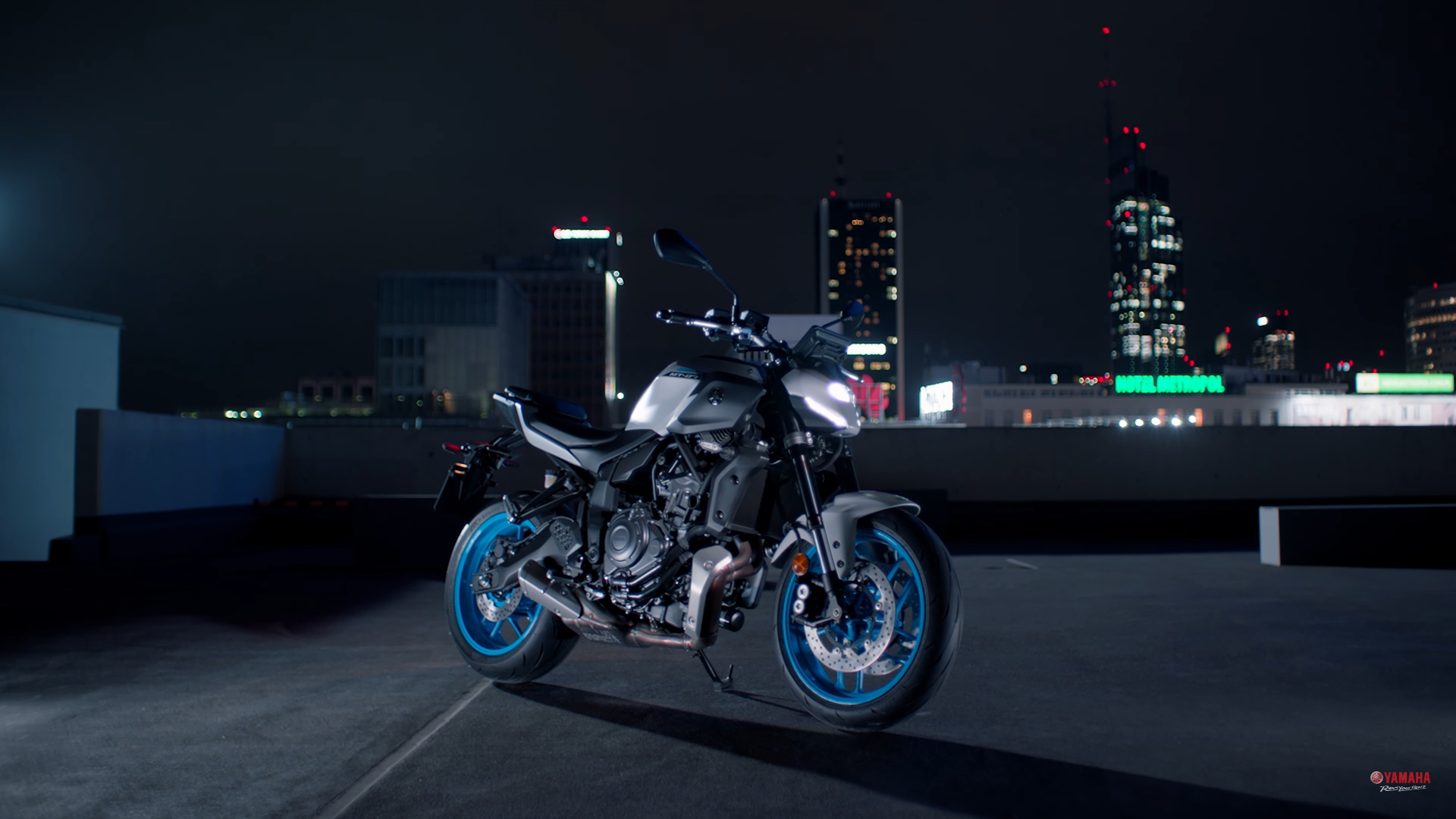
On the same path is Yamaha, which between 2024 and 2025 implemented the Yamaha Automated Manual Transmission (Y-AMT) system on motorcycles from the MT family in Japan. The difference in relation to competitors is perhaps precisely the clutch lever, which remains in the model if the rider wants to use manual shifting.
The Yamaha MT-07 gained the automated transmission in its latest generation update (Photo: Yamaha | Disclosure)
What we can expect about automatic motorcycles
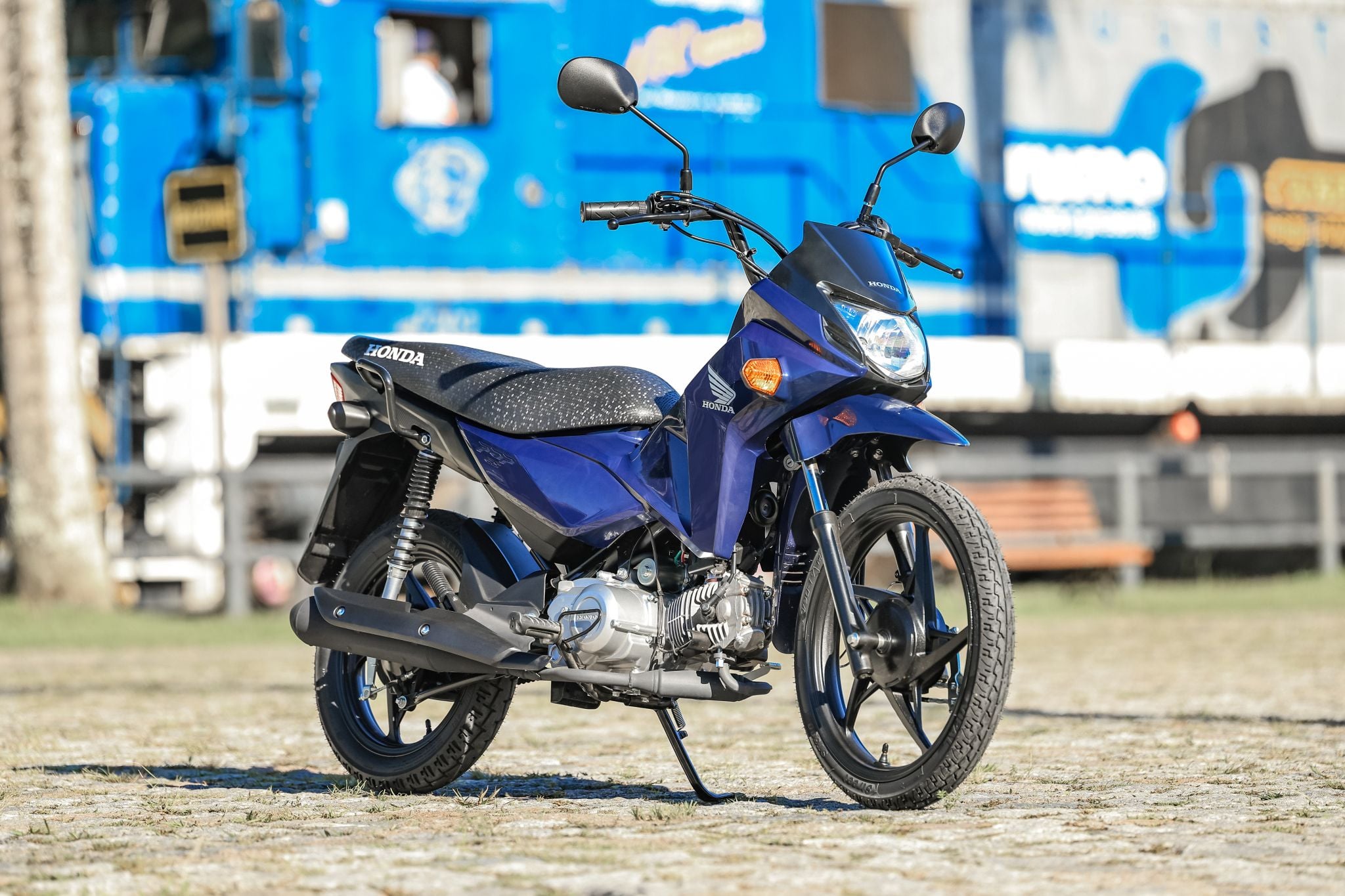
Honda also recalled that the idea of facilitating the use of the motorcycle through clutch and transmission systems began in 1958, with the Honda Super Cub. In Brazil, this proposal arrived a few decades later on the Honda C100 Dream. Currently, these technologies equip models such as Honda Biz and Honda Pop.
The 2027 generation of the Honda Pop 110i ES is already the second to have a rotary gearbox (Photo: Honda | Disclosure)
Automatic motorcycle technology has already reached the most affordable and popular models on the market, which may indicate a future expansion to classic motorcycles, such as the Honda CG. According to the brand itself, this trend should become popular and even occupy the space of the manual transmission, just as it happened in the car market.
However, it will be the market itself that will dictate this pace. “The market has room for all the systems currently used in motorcycles”, concluded Guereschi.
Everything indicates that, in the future, the motorcycle market may follow a path similar to that of automobiles, with a greater presence of automatic motorcycles, while manual models should remain due to rider preference or cost issues.
Comments are the sole responsibility of their authors and do not represent the opinion of this site. Comments containing profanity or offensive language will not be published. If you identify anything that violates the terms of use, please report it.