With each passing year, the classic car movement grows, especially with the advent of the electric car which, for various reasons, ignites the feeling of the driver who likes vintage combustion models. For the motorcycle, a similar movement could be expected, however, it seems that old motorcycles do not have as much spotlight as cars.
According to data from the Brazilian Federation of Old Vehicles (FBVA), there are 256 clubs affiliated with the organization. Of these, we found that less than six seem to cover two-wheeled vehicles and only three (Confraria Vespa Motor Clube; Escaravelhos da Serra – Association of Cars, Motorcycles, Bicycles and Antique Objects; Veteran Motorcycle Club of Brazil) focus on motorcycles.
Although today the appeal of motorcycles is greater than that of cars, since they sell more, why is it that there are fewer classic motorcycles than old cars?
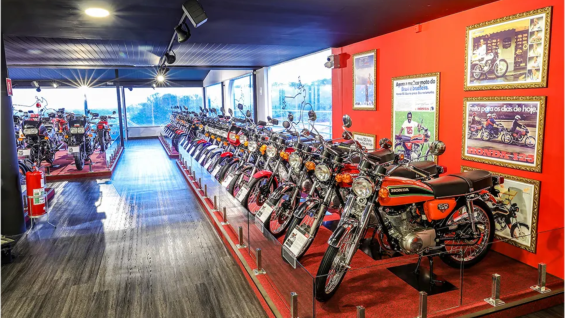
According to the person responsible for the motorcycle collection of the Honda Museum, in Indaiatuba (SP), Alfredo Guedes, the answer may be simpler than it seems and has to do with the arrival of motorcycles in Brazil and their initial proposal.
Guedes explains that, until the 1960s, the existing motorcycles in Brazil were mainly European and American, such as BMW, Harley-Davidson, Indian, Jawa and Norton. They were expensive models and used as a leisure item.
“Nobody used a motorcycle to work. There was no delivery. The motorcycle was associated with freedom, the wind in the face and rebellion,” said the expert.
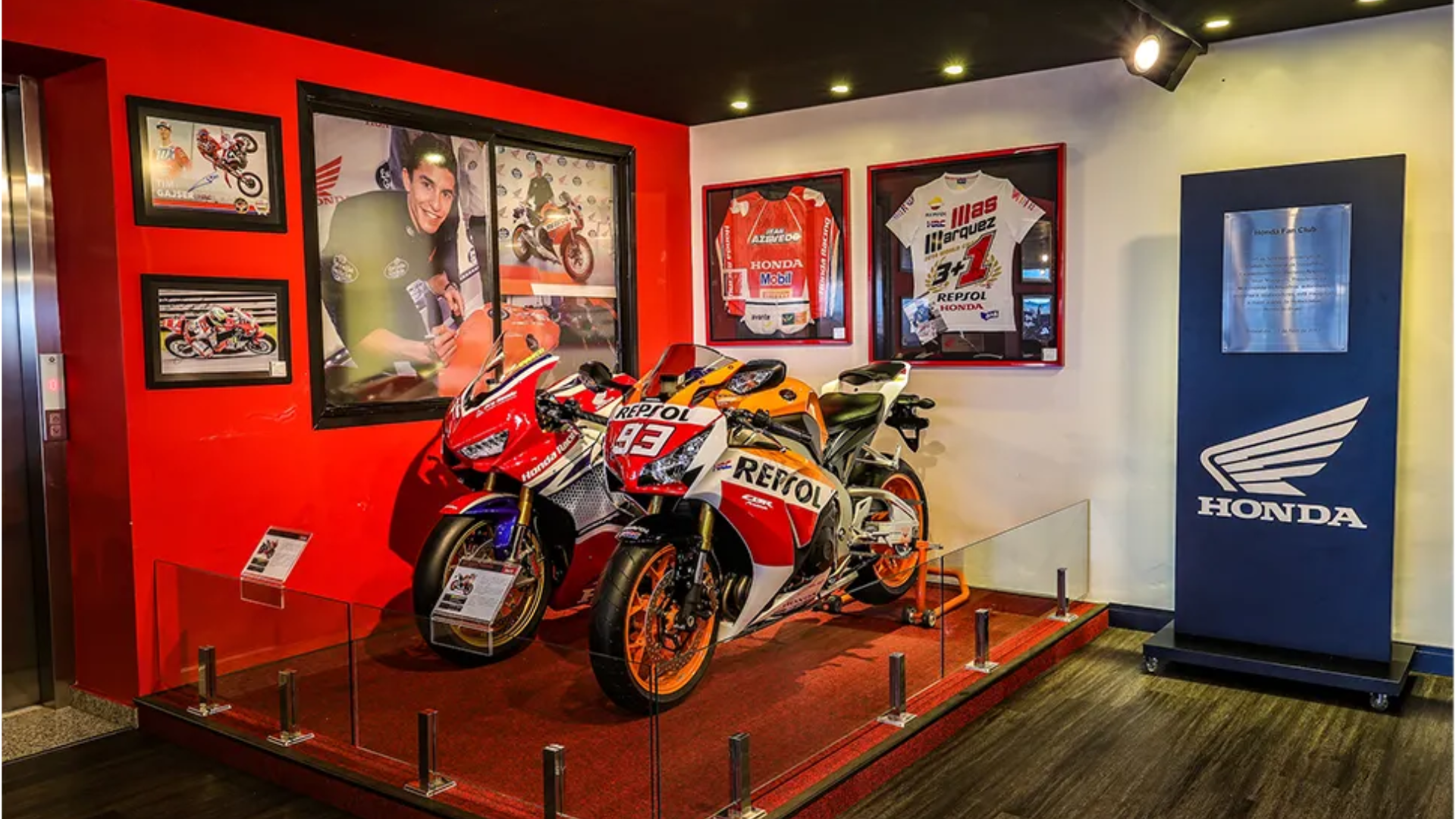
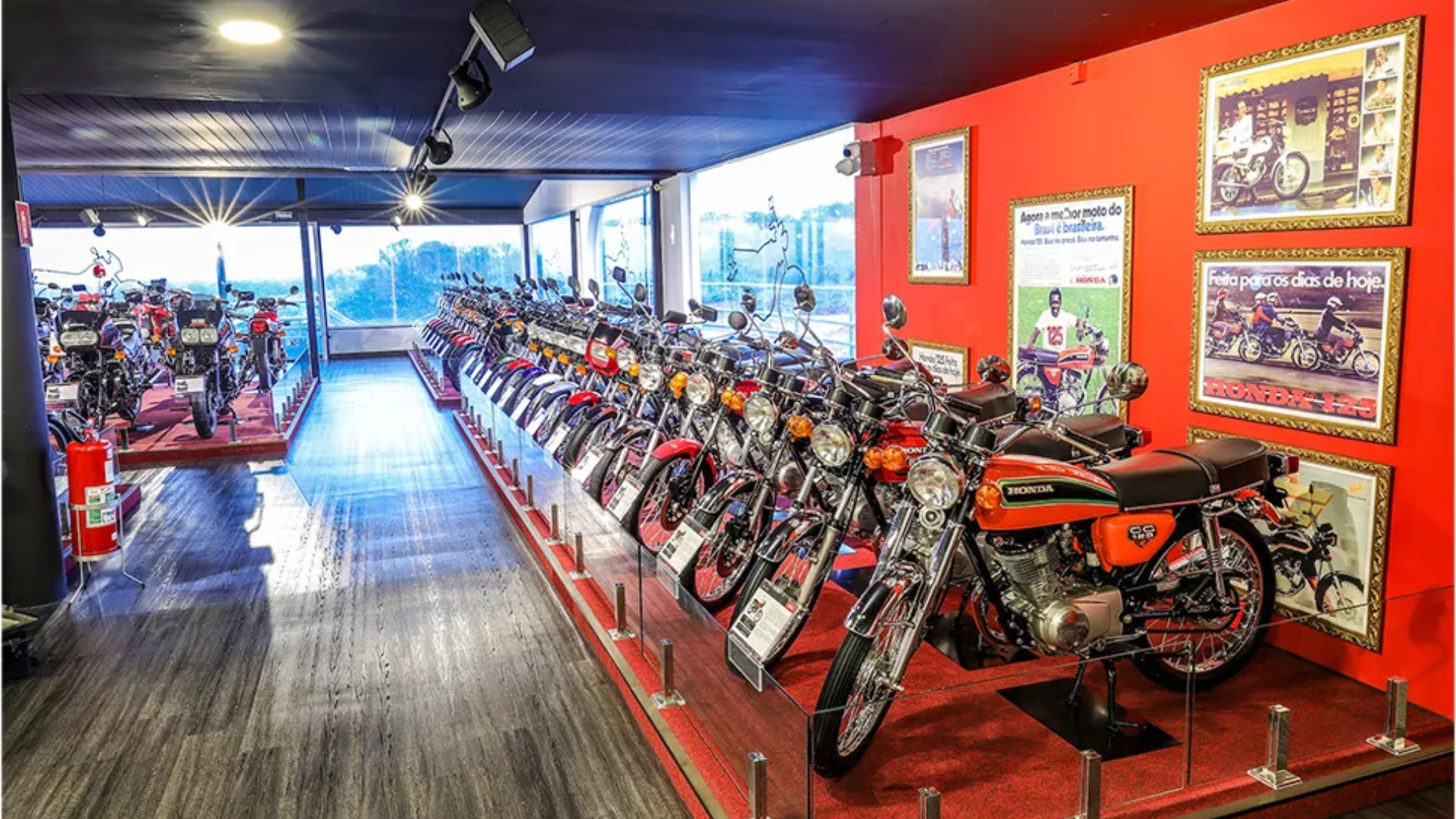
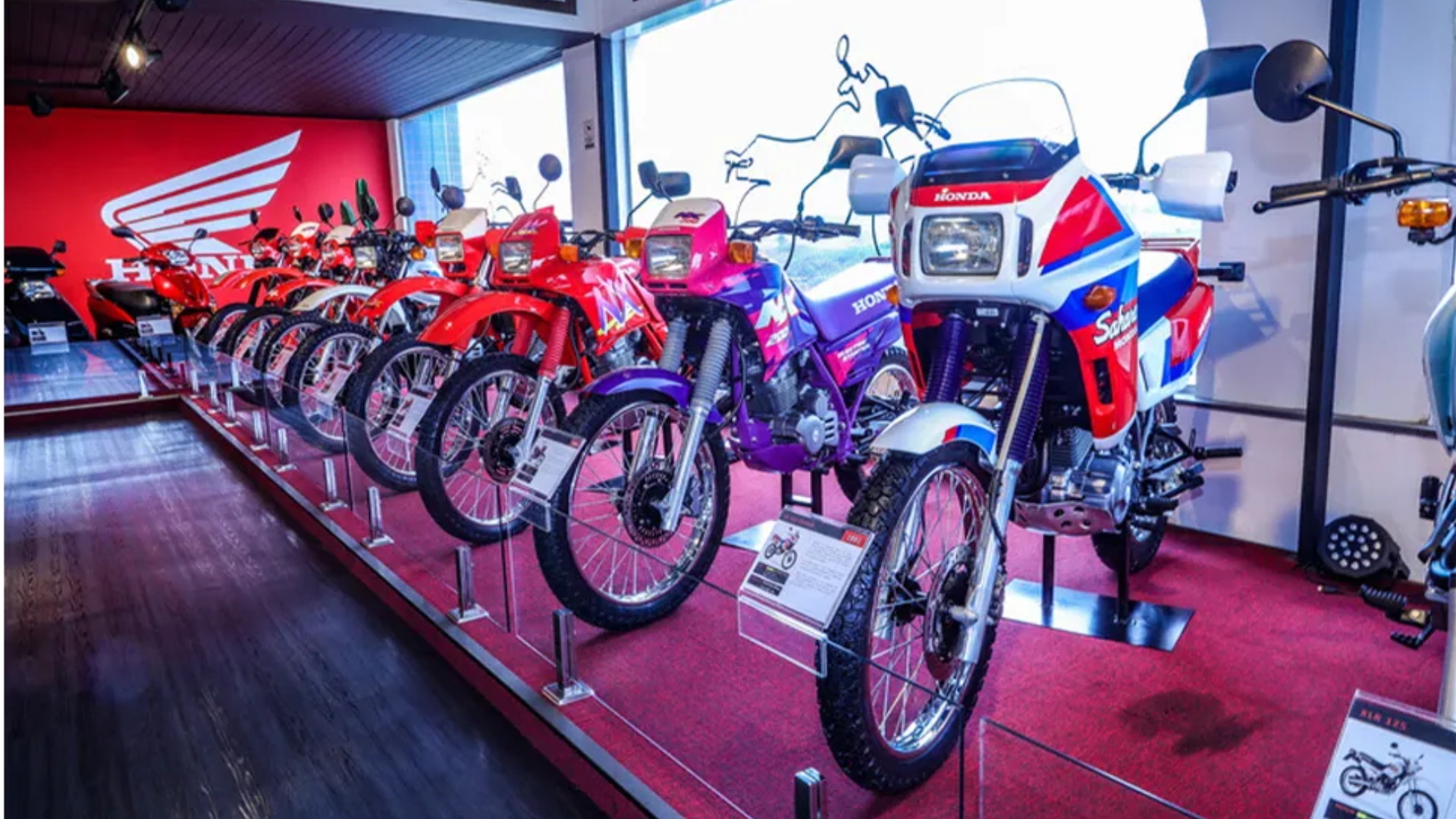
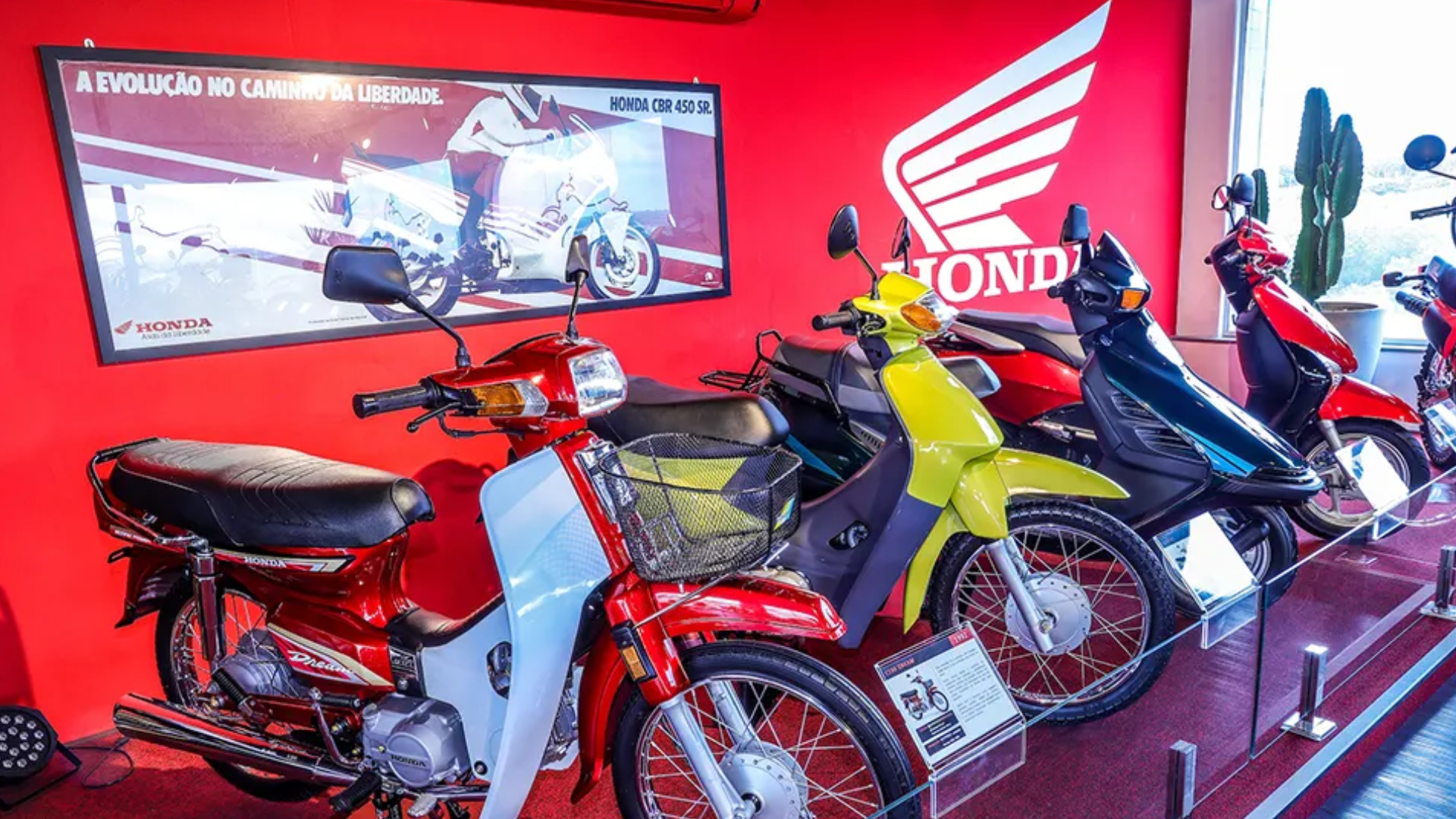
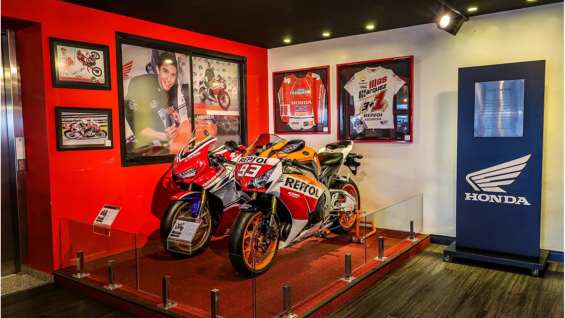
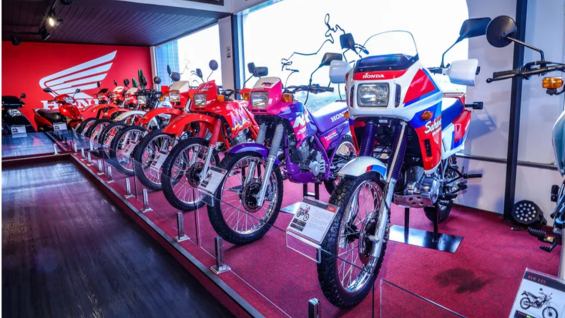
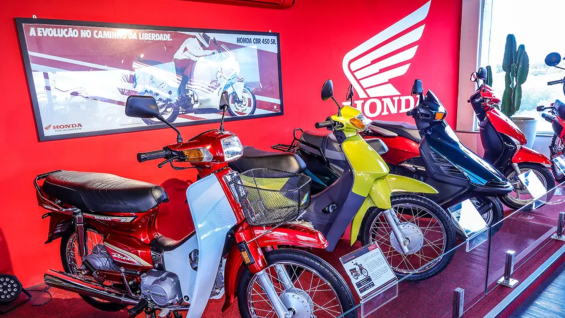
The Honda Museum in Indaiatuba (SP) has almost all the models ever manufactured by the brand in Brazil (Photo: Honda | Disclosure)The CG is the one that is the most exemplary (Photo: Honda | Disclosure)Of giants (Photo: Honda | Disclosure)The urban singles (Photo: Honda | Disclosure)
Expansion of the motorcycle market in Brazil
The motorcycle market we know today in Brazil began in 1976, when Honda began manufacturing motorcycles in the country. The Japanese already existed here, since since 1971 it had officially imported its models.
Who had a similar trajectory was his countryman Yamaha, which began importing to Brazil in 1970 and manufacturing in 1975.
“Sales began to grow in the 1970s and 1980s, and the most classic and iconic motorcycles, such as the CB Four, did not come in large volumes. The market began to really consolidate after the inauguration of the factory in 1976.”
The popularization of motorcycles
Guedes also states to our newsroom, recalling what is nothing new, the fact that the popular Honda CG has been fundamental to change the motorcycle market in Brazil.
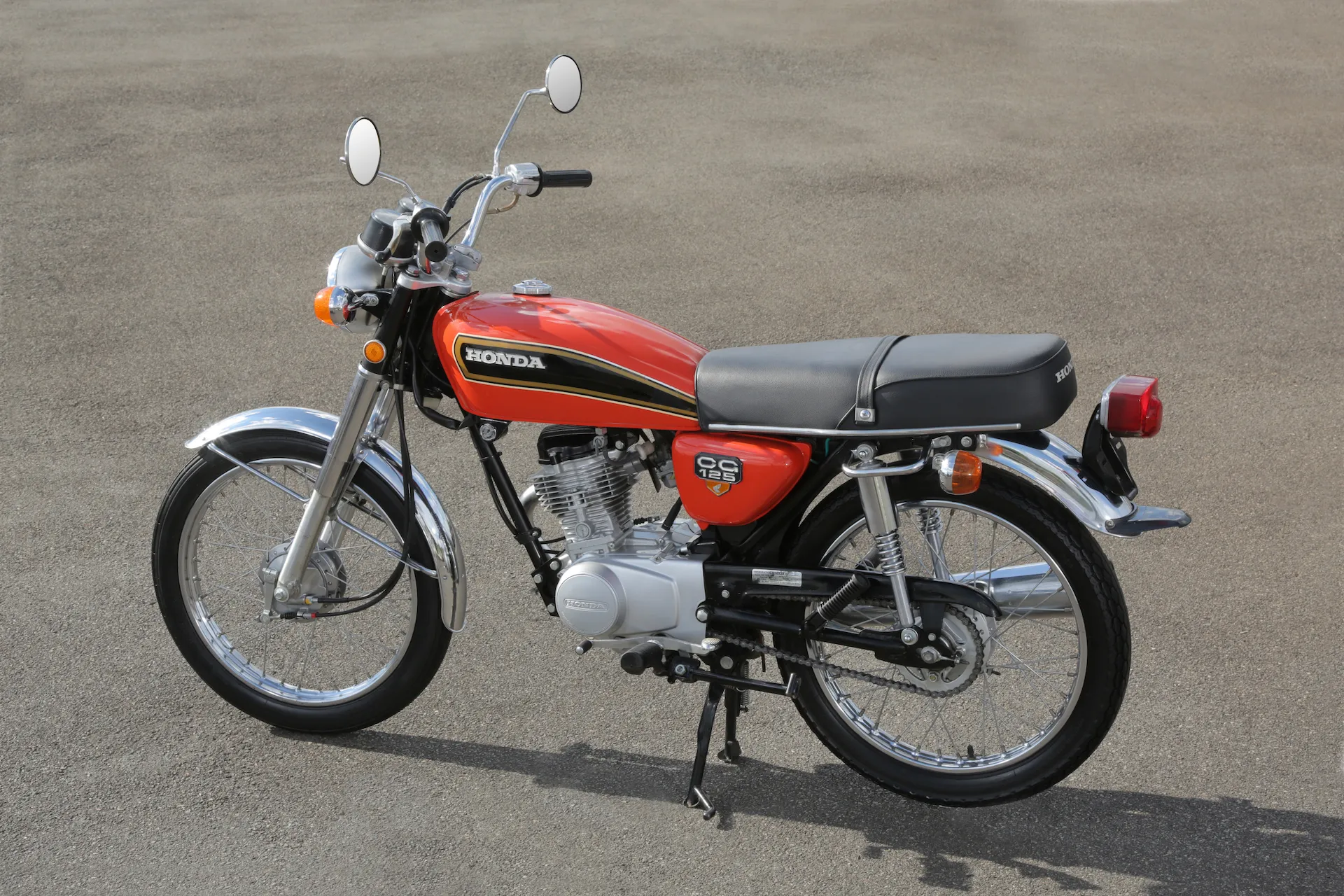
The 1976 Honda CG 125 was the first motorcycle manufactured by the Japanese company in Brazil (Photo: Honda | Disclosure)
“And who made the motorcycle really popular was CG. It was after CG that motorcycles gained volume and, especially in the 1990s, they began to be seen as work tools. So much so that Honda created CG Cargo, in 1988, specifically focused on work. For many years we used the slogan that Brazil learned to ride a motorcycle with the CG. And that’s true.”
The symbol of motorcycles
“Today, the motorcycles that people want to collect are those that refer to a time when the motorcycle was leisure, freedom and coexistence. I accompanied many groups of motorcyclists who met at Ibirapuera. It was a symbol of differentiation of youth.”
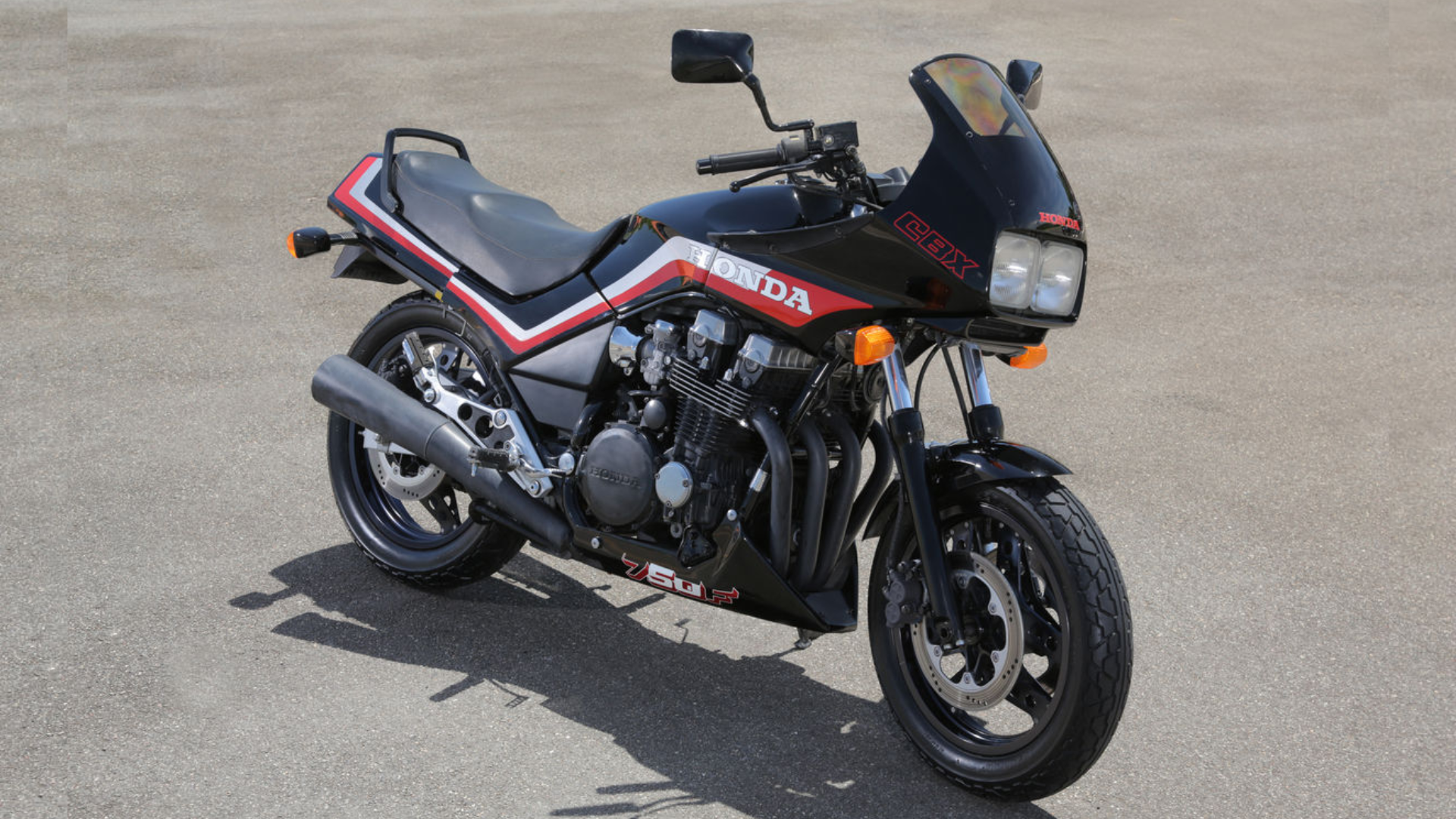
The Honda CBX 750F, known as the 7 Rooster was once considered the bike of the century (Photo: Honda | Disclosure)
Guedes says that this fact, added to the price and the late popularization of the motorcycle, indicates why we have fewer classic motorcycles on the roads. The specialist also compares motorcycles with cars, since they have been on the market as popular vehicles and for work for much longer, which gave them more time to be nostalgic vehicles for Brazilians. Today, citizens make a classic of what was part of their youth.
“When we look at classic cars, many were popular cars. Today we see Gol square, Chevette, Opal and others becoming classics.”
Where are the old motorcycles?
Even with the low volume of models, Guedes says it is possible to find the most classic motorcycles on the market, whether in Brazil or abroad.
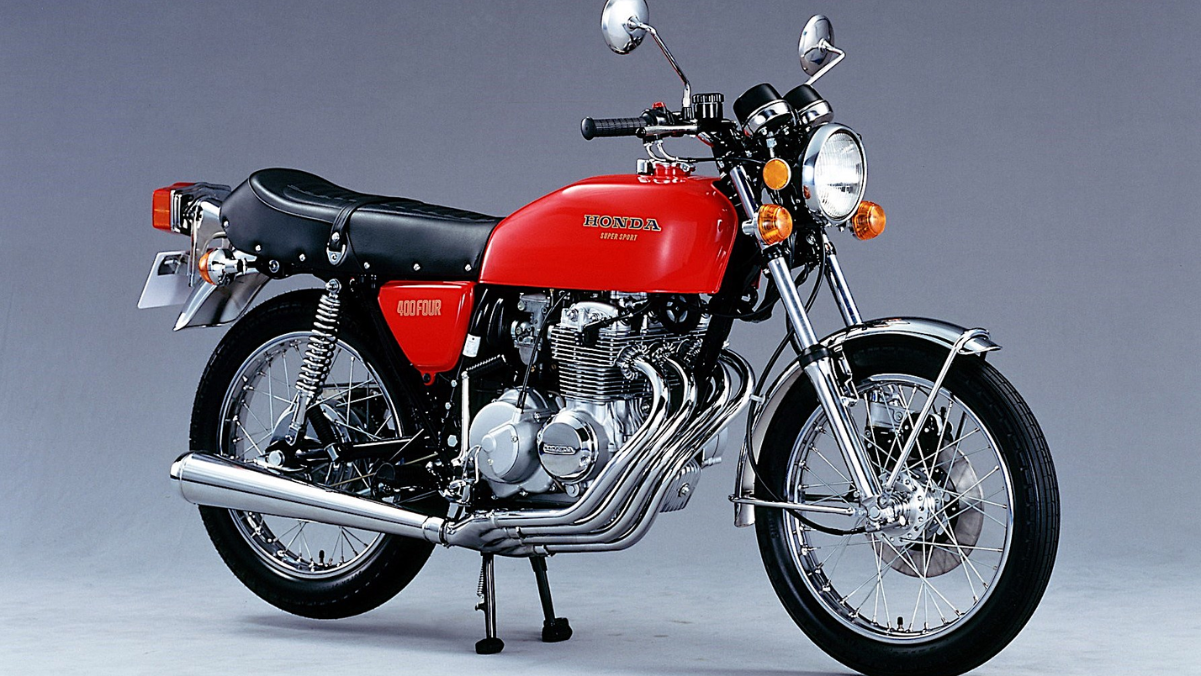
“I even acquired [for Honda] three imported motorcycles from the 1970s: a 1976 CB400 Four, a 1973 CB500 Four and a 1974 CB750 Four. When we bought these bikes, we did a very large scan to find copies with as many original items as possible. A 100% original motorcycle is very difficult. Of the three, two are black plates, they already belonged to collectors”, he explains.
He also details that, even so, they are doing a detailed review and changing some items to make them as close to originality as possible.
The Honda CB 400 Four is one of the brand’s most iconic motorcycles (Photo: Honda | Disclosure)
Many of the classic motorcycles in the museum are from Honda itself, manufactured in Brazil and kept at the factory (or immediately destined for the museum) by the brand, says Guedes. However, some that have not been reserved or imported are sought after by specialists.
Old motorcycle, but at work
Apart from the Honda models, the specialist also says that the most classic motorcycles, sold here in Brazil and which have become a symbol for the citizen, are often found in the interiors, used as that “old motorcycle”, with maintenance sometimes out of date and for simple displacement.
The fact that vintage motorcycles don’t have as much official representation or as much volume as vintage cars doesn’t indicate that they don’t exist, only that there are fewer and that they didn’t generate the same feeling as four-wheeled models back then.
Comments are the sole responsibility of their authors and do not represent the opinion of this site. Comments containing profanity or offensive language will not be published. If you identify anything that violates the terms of use, please report it.