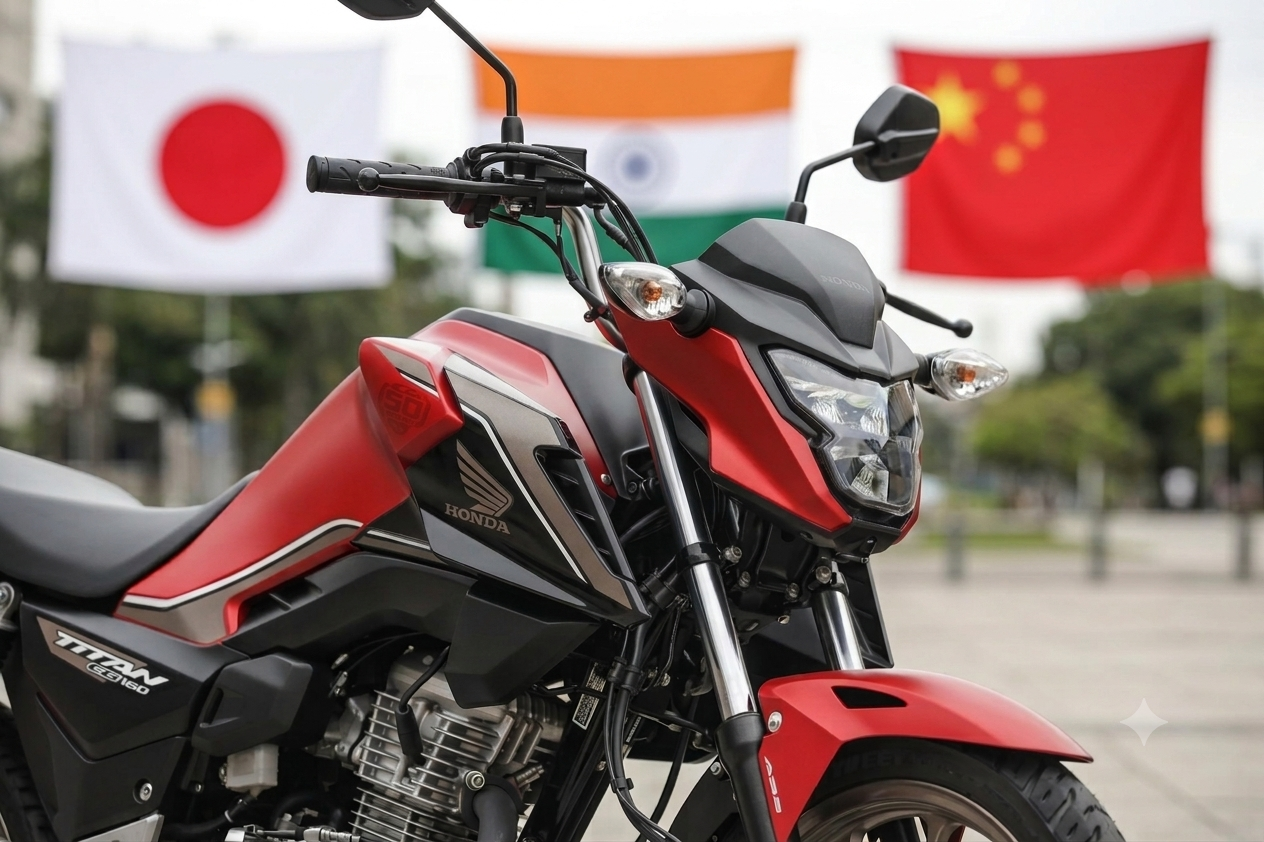
The Brazilian motorcycle market has been experiencing a true proliferation of oriental brands since 2017. Chinese and Indian brands such as Haojue and Royal Enfield landed in Brazil in a pioneering way, but the movement has continued in recent years, with Bajaj (2022), Zontes (2023) and newcomer Cfmoto (2026). This movement naturally brings more competition and, in a way, threatens the traditional Japanese companies that arrived in the country before the 2000s, such as Yamaha (1970), Honda (1971) and Suzuki (1992).
This is exactly what the motorcycle community has been commenting on: “Honda and Yamaha are losing ground to the Chinese and Indians”. But, beyond the fallacy, is this true?
Today, Honda has a 63.73% share, considering the entire national motorcycle registration market, according to records from the National Federation of Motor Vehicle Distribution (Fenabrave). These numbers have been decreasing over the years. After all, the Japanese company has already held more than 85% of all this “slice of pizza”.
Yamaha’s situation is different, since the manufacturer, which currently has 13.70% of the market, has been in this percentage range for decades, having already registered higher and lower rates.
For market expert and content creator Seku Mello, dominant brands are really losing market share, but that’s not a problem at the moment.
“They are losing market share, but they continue to increase sales volume. In other words, they sell more motorcycles today than they did before. The Brazilian market has grown a lot. So, even with a smaller share, the absolute number of motorcycles sold increased,” said Mello.
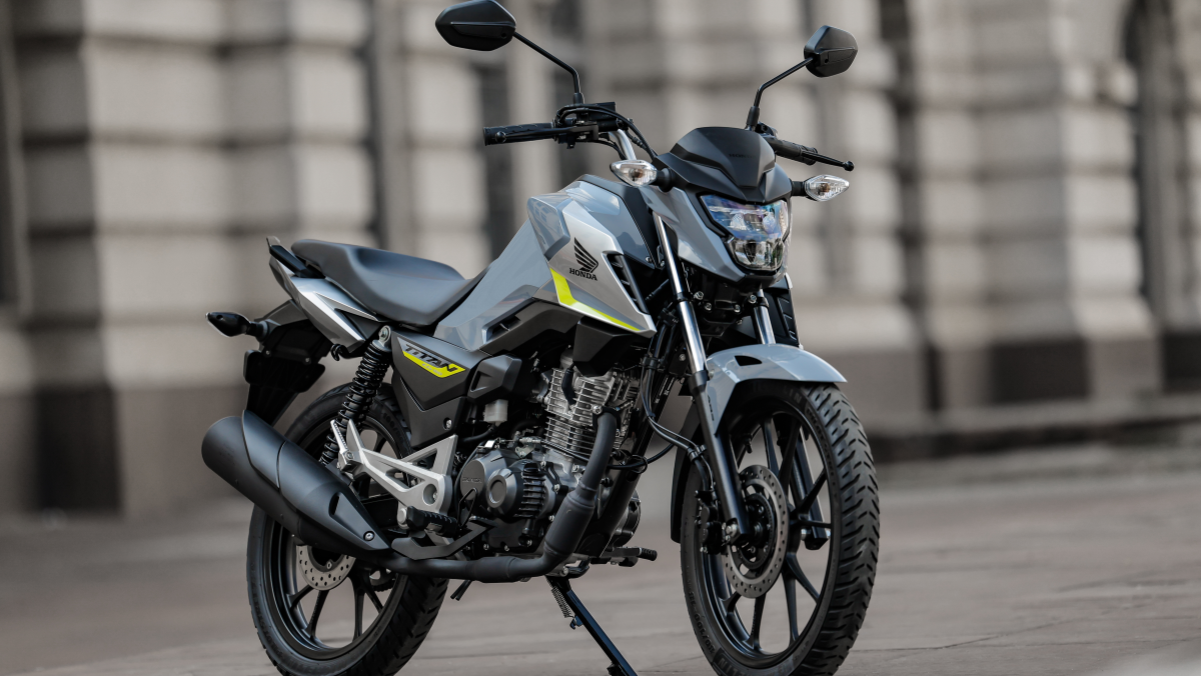
Honda CG 160 has been the best-selling driver in the domestic market since its introduction in 1976 (Photo: Honda | Disclosure)
Market share, or market share, is the percentage that each competitor has within the same segment. In 2003, when Honda closed the year with an 83.73% share, it obtained 717,137 registrations. In 2025, the percentage dropped to 66.82%, but the number of motorcycles registered more than doubled, totaling 1,468,229 units.
Seku Mello also pointed out that this is a natural movement in the market, since more and more manufacturers enter Brazil and the consumer has more options to choose from. “The greater the number of brands in the country, the more companies will ‘share the pizza'”.
In the world market the situation may be different
Although, in Brazil, this movement is natural and the Japanese are selling more and more motorcycles, at a global level the situation may be different.
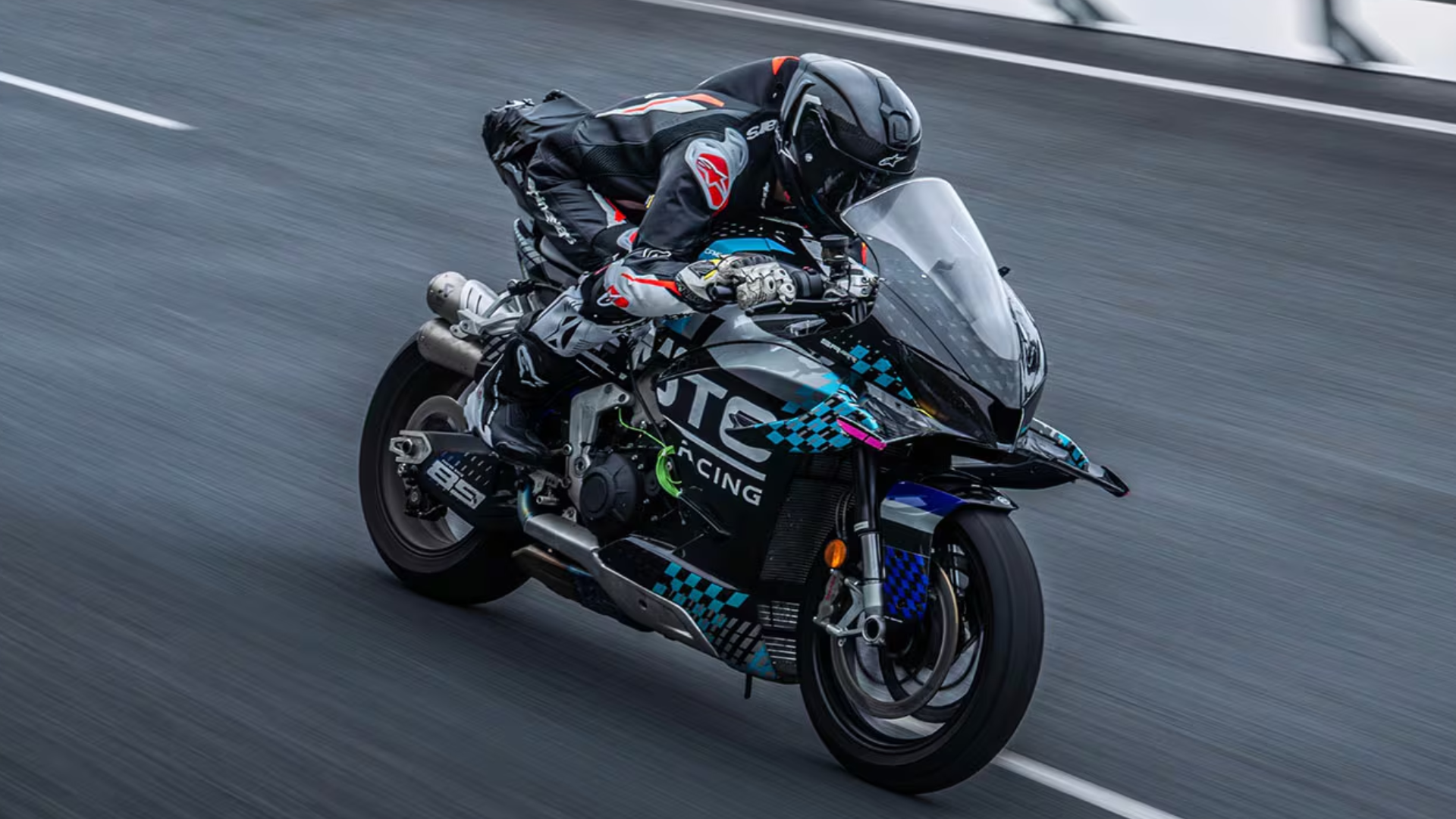
CFMOTO reaches 315.82 km/h and records national speed record (Photo: CFMOTO | Disclosure)
“In the global view, especially Honda, there is a greater concern. A Japanese director of the company recently commented that Japan cannot keep up with the speed of evolution of Chinese industry. It’s not just that China has come a long way; It evolved very quickly. Japanese manufacturers take five or six years to develop a product. The Chinese put a motorcycle on the market, observe the result, remove it from the line if it doesn’t work and quickly launch another. This speed is worrying.”
Seku Mello says he believes that, if this movement continues, “Honda can reach something between 30% and 40% of share, while several other brands will compete for slices between 5% and 15%”.
The speed problem
The point is that this accelerated investment does not necessarily mean a novelty that is here to stay. Honda has already been operating globally for 76 years and has just completed 50 years in Brazil. Here, the manufacturer has more than 1,300 certified points of sale and maintenance, which reinforce its “Japanese quality” and form a consolidated network.
Shineray, for example, has been bringing many different models to test the market. Some bikes have already been discontinued quickly because they realized they didn’t meet expectations. Others received displacement updates and technical changes. It is a very dynamic process, explains the expert.
It is also worth noting that Shineray is at the center of a dispute with Abraciclo, the association of motorcycle manufacturers, which accuses it of cheating emissions tests and selling motorcycles illegally in Brazil.
New Chinese women in Brazil
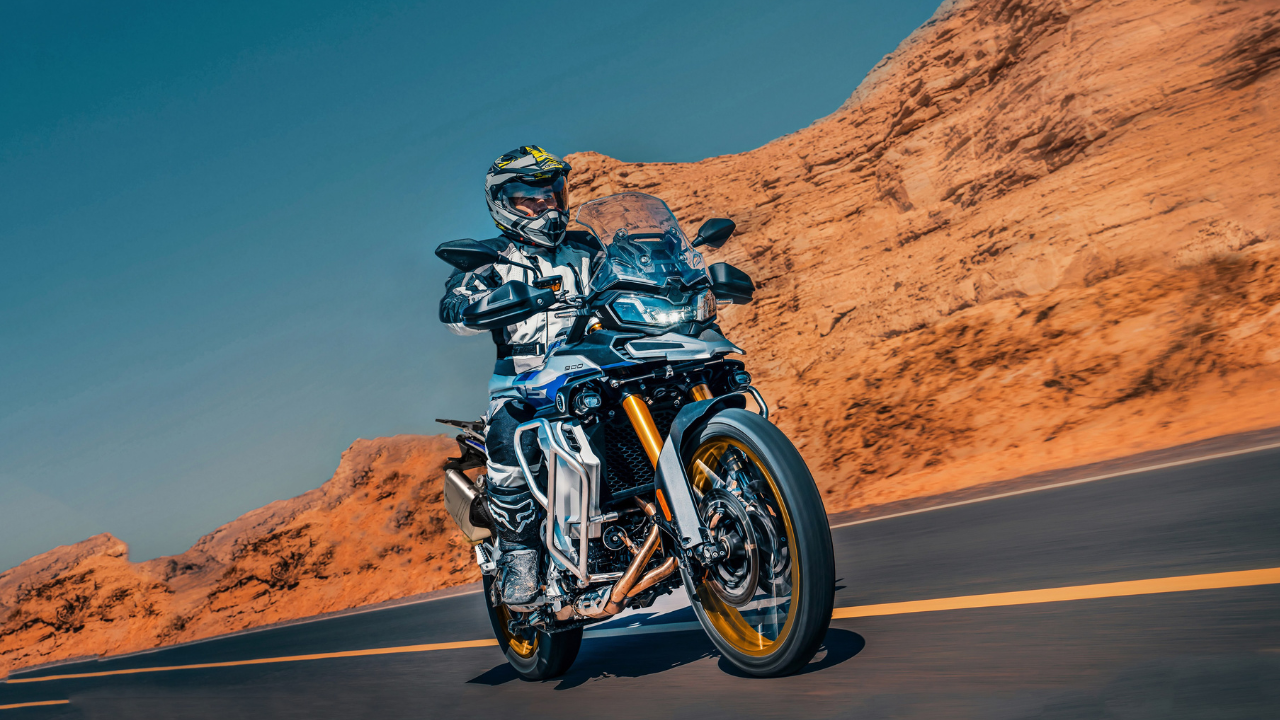
Voge is the newest motorcycle brand in the Brazilian market (Photo: Voge | Disclosure)
In addition to Shineray, another Chinese company that is on the crest of the wave in Brazil is CFMOTO. The brand brought products already known worldwide at competitive prices and is one of the most popular among consumers as a possible “threat” to Japanese women.
Despite this, the manufacturer is still starting its trajectory in the country, and talking about a real concern for Honda and Yamaha may be hasty. In another article, AutoPapo has already addressed this topic.
And the Indian women?
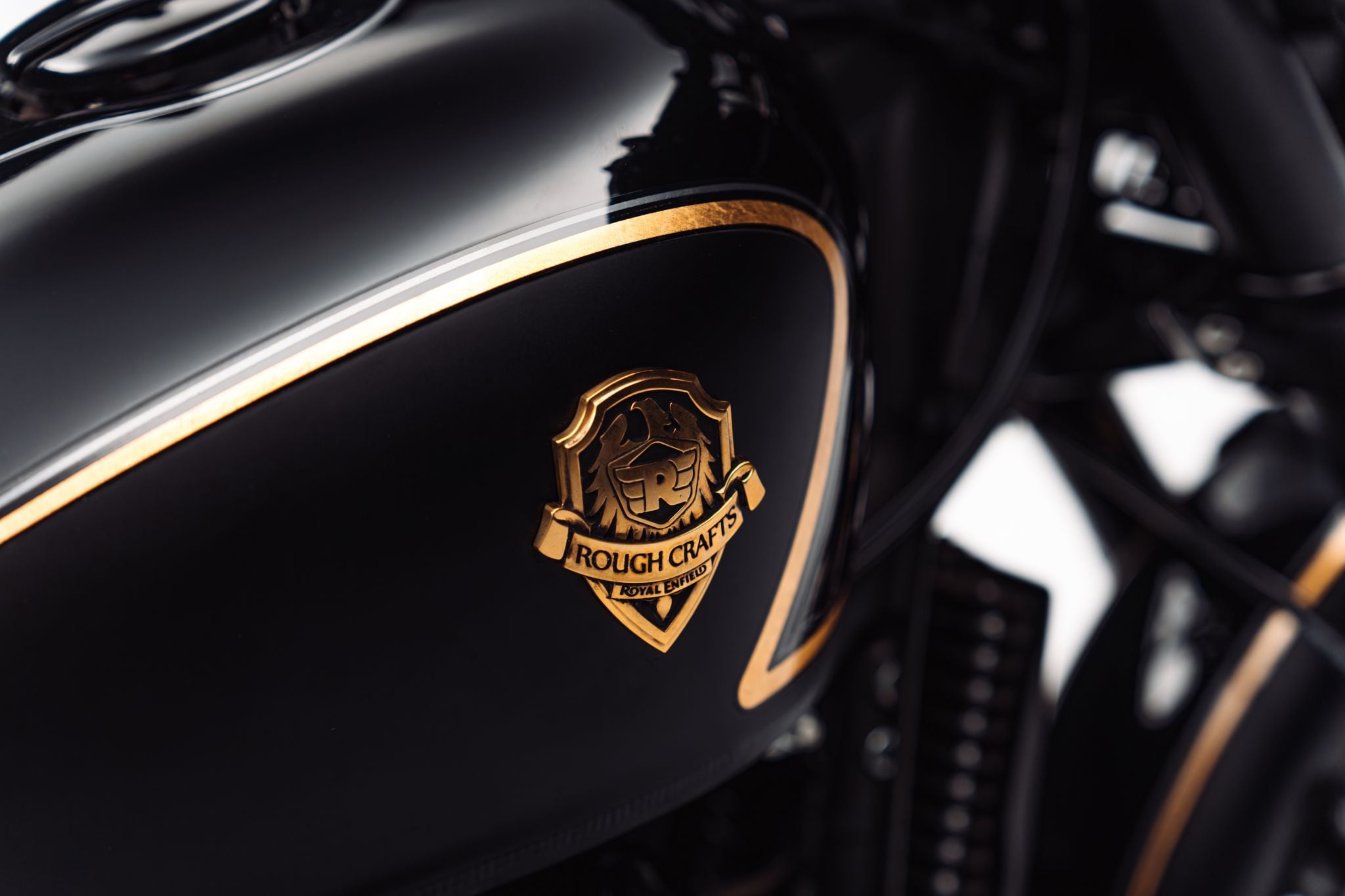
Royal Enfield has been in business since 1901 (Photo: Royal Enfield | Disclosure)
Shineray has been on the market for many years and CFMOTO has just arrived. In the middle of this path there are Indian brands such as Royal Enfield and Bajaj, two strong brands in the East and competing in markets similar to the Japanese.
If, on the one hand, Chinese automakers have speed, on the other hand, Indian automakers, at this moment, have quantity and experience. India is the largest motorcycle market in the world and its manufacturers are already used to building robust low-cost models, even without so much technology for most cases.
Here, as well as for their neighbors, the automakers in India depend on time and investment to beat the fame and structure that Honda and Yamaha have in Brazil.
Comments are the sole responsibility of their authors and do not represent the opinion of this site. Comments containing profanity or offensive language will not be published. If you identify anything that violates the terms of use, please report it.