The best-selling motorcycle is not always the only possible option on the market. In several categories, leading models end up standing out for their tradition, wide dealership network or fame built over the years. However, some competitors try to conquer space by betting precisely on lower prices, extra equipment or similar proposals.
From nakeds and scooters to trails and sports bikes, the Brazilian market offers alternatives for those who want to get away from the most popular models without giving up the original proposal. In some cases, the price differences exceed tens of thousands of reais.
Check out seven motorcycles that can serve as alternatives to the leaders of their segments:
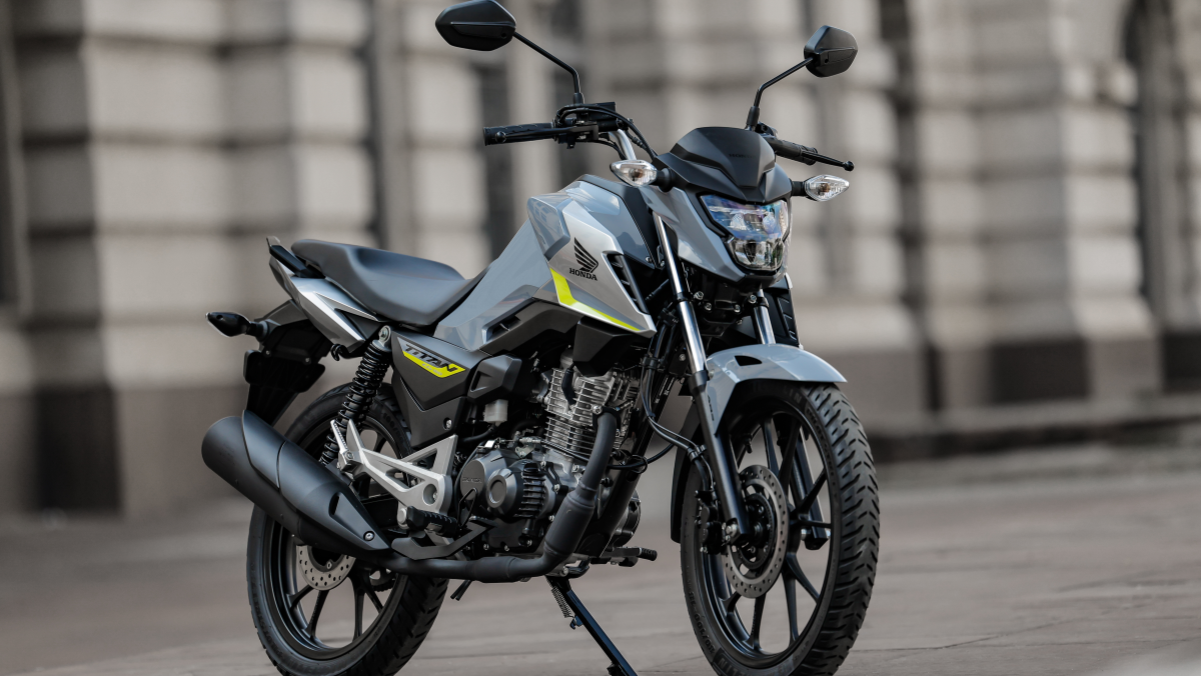
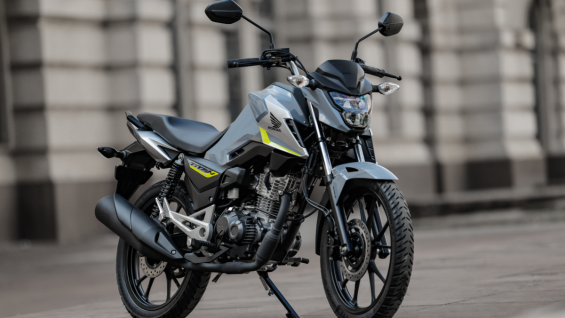
Starting with the Honda CG 160, the best-selling motorcycle in Brazil and which, alone, accounts for more than 20% of all motorcycle registrations in the country. The isolated leader is the most common option for a conventional urban motorcycle on the streets.
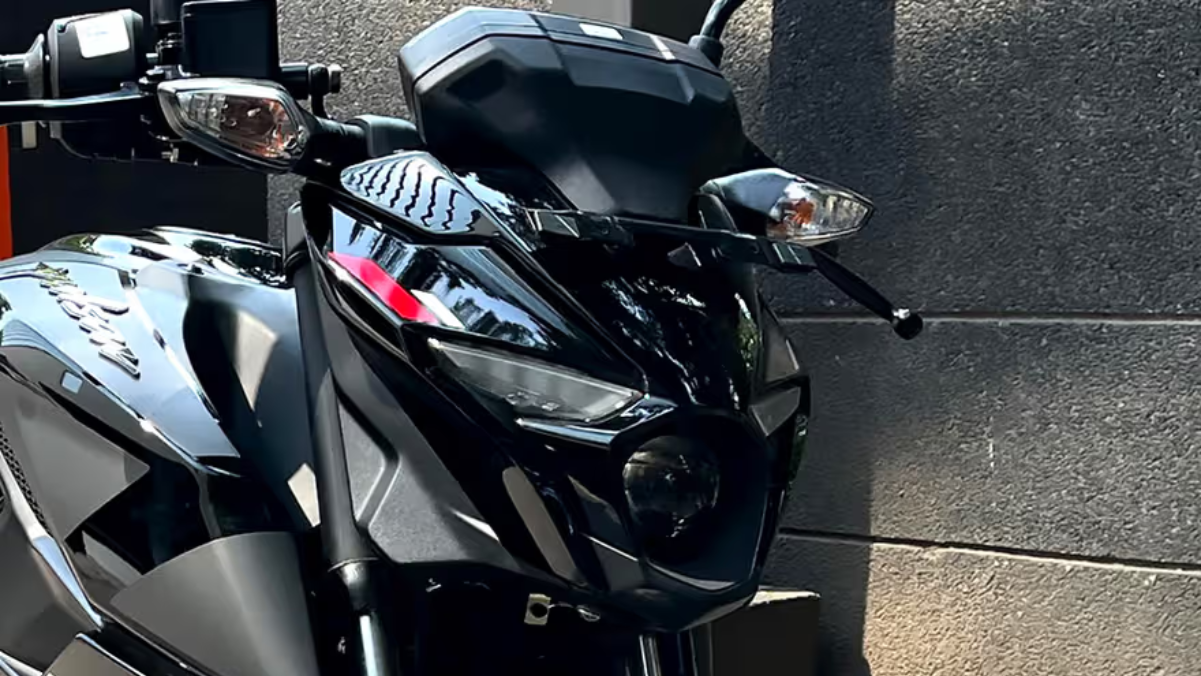
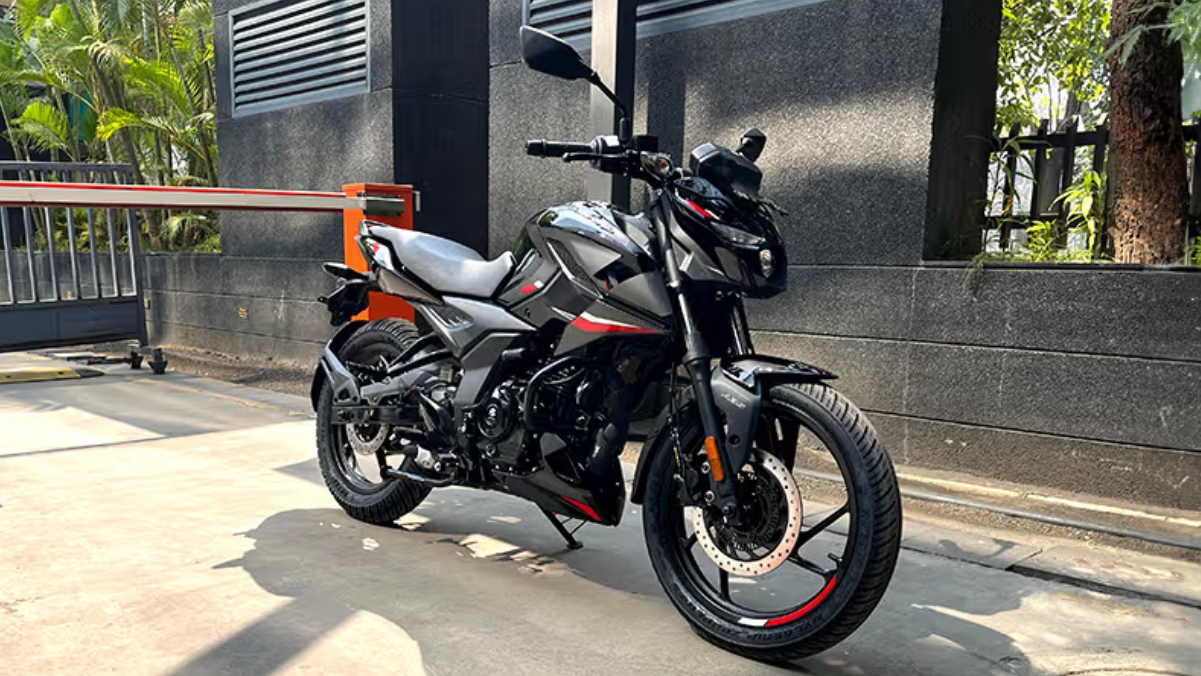
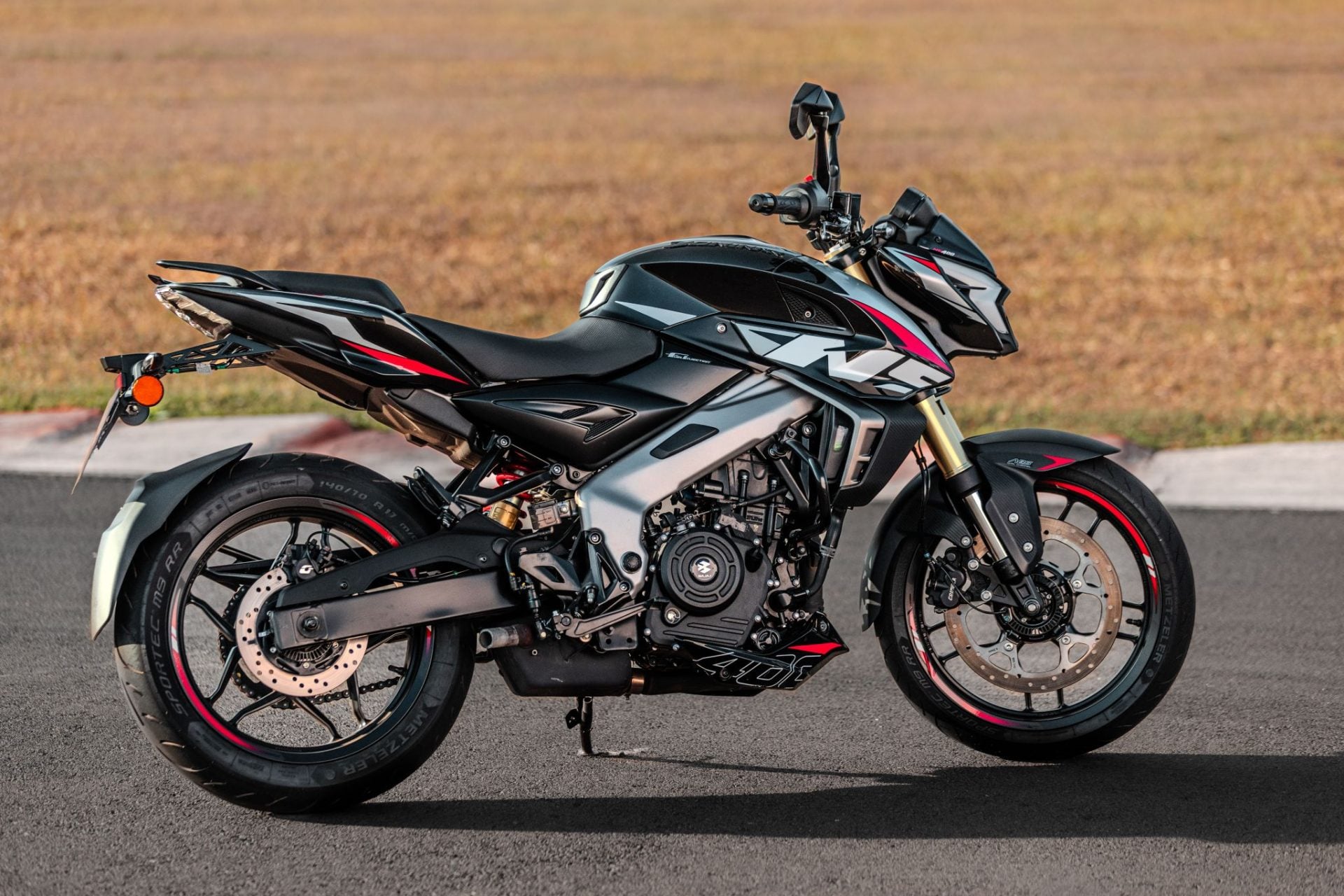
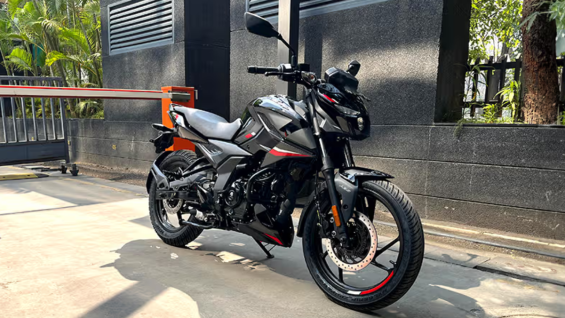
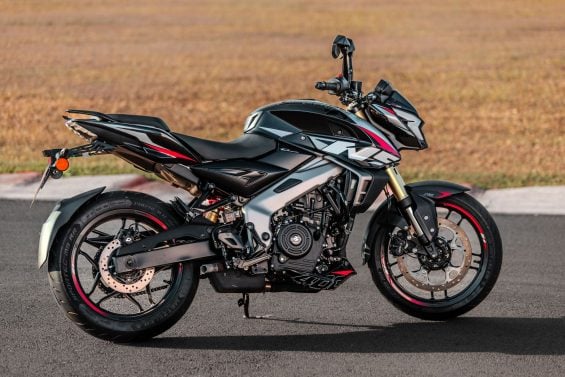
However, those who do not want to face the Japanese can bet on the Indian Bajaj Pulsar N150, a variant launched in the country in 2024 with similar characteristics and a price below that charged by Honda. There are R$ 16.300 fixed price from Bajaj against R$ 18.980 (without shipping and fees) charged by Honda.
In terms of performance, both are very similar, with a single-cylinder engine of about 14 hp of power and a close riding position.
Honda certainly has the advantage in terms of maintenance, as the model is widely disseminated in the country and has a wide variety of parts. However, Bajaj tries to stand out by betting on cell phone connectivity, lighting on the cuff buttons and the extra of the start pedal in addition to the electric button.
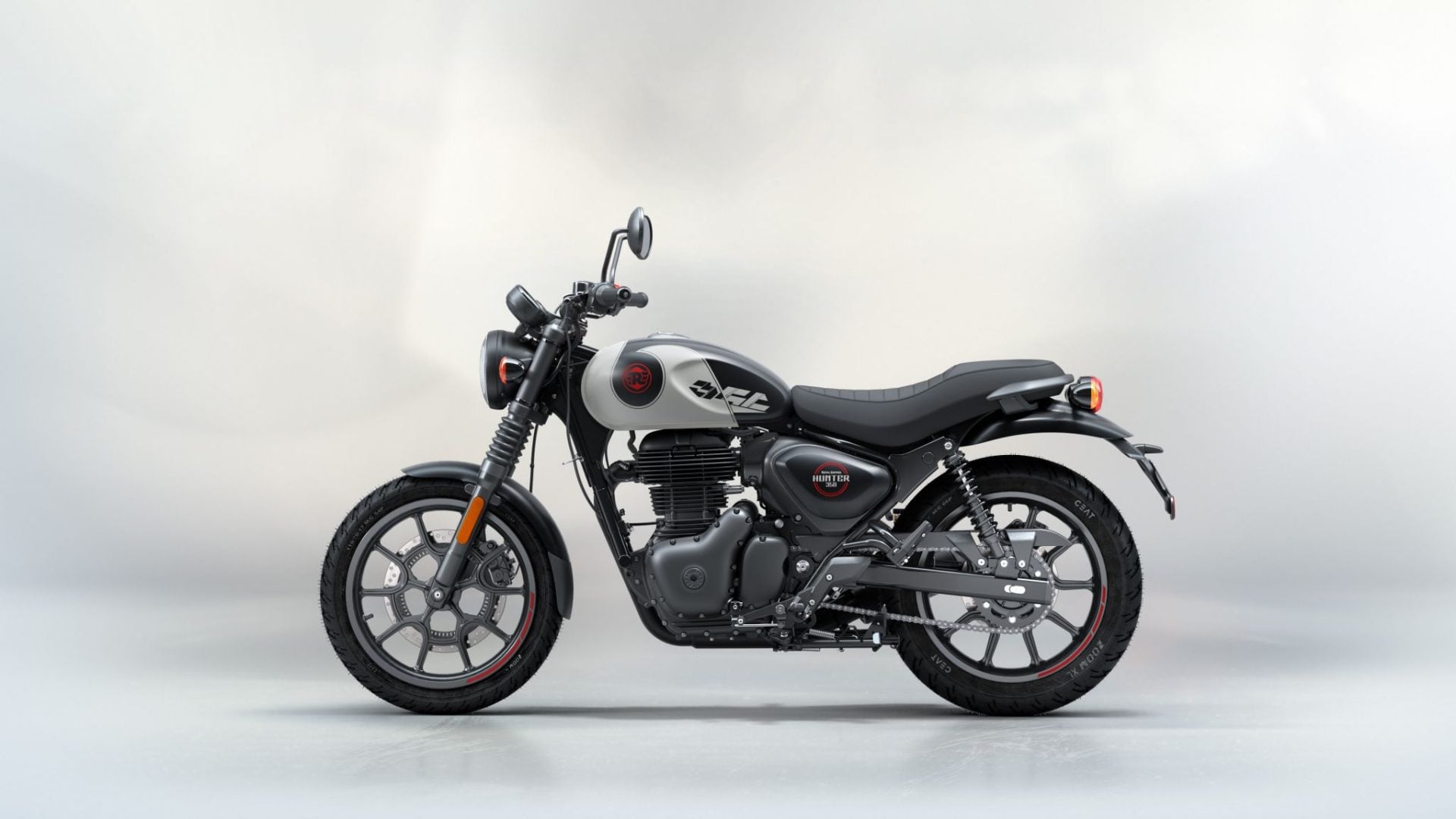
2. Royal Enfield Hunter 350 – Haojue Master Ride 150
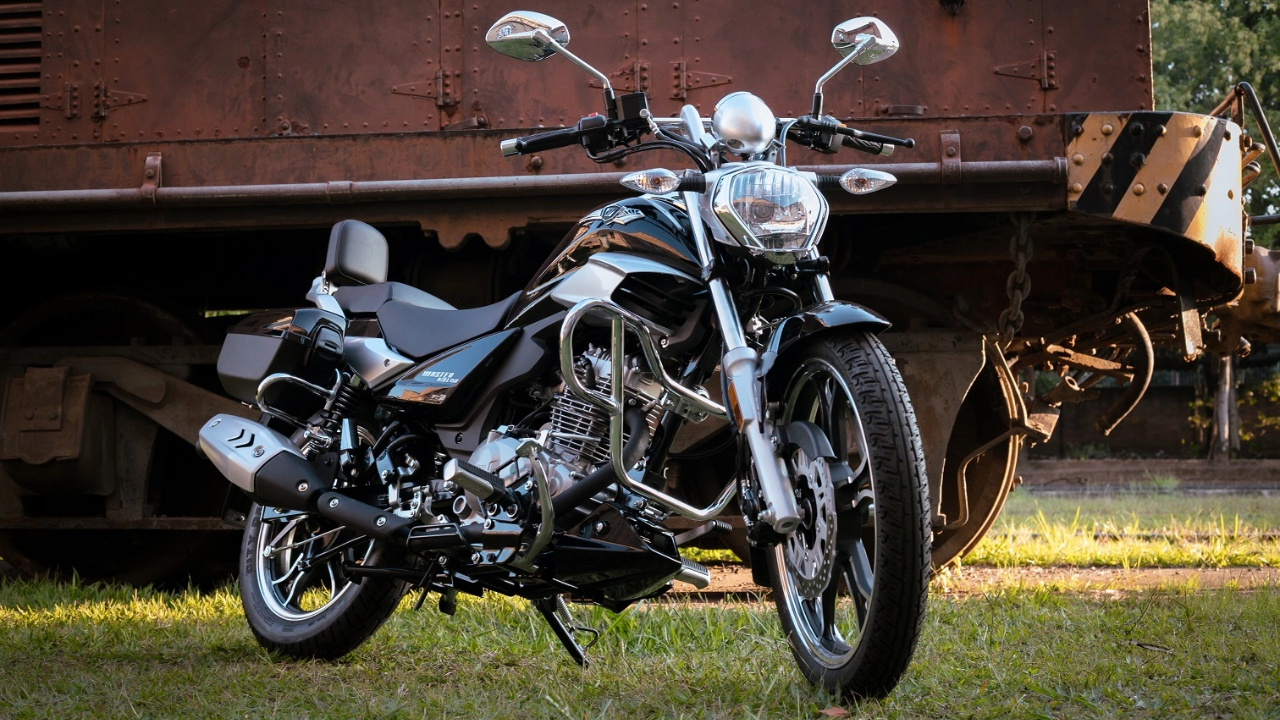
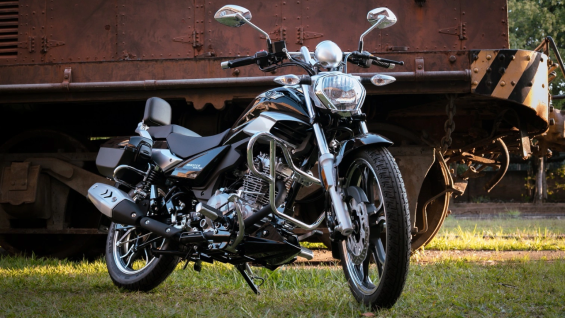
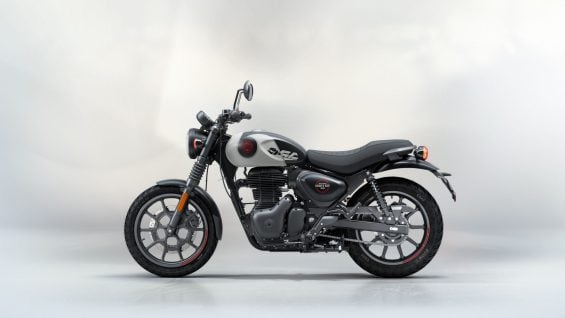
In the custom category, who tries to face the Hunter 350 is precisely one of the few motorcycles cheaper than it in the segment: the Haojue Master Ride 150.
Costing R$ 16.928, about R$ 3 less than the Hunter 350, the Haojue is also simpler. Disc brakes without ABS, conventional lighting and a smaller engine deliver a less full-bodied model, but with a similar proposal aimed at urban commuting.
As much as the advantage of the Royal Enfield is in the superior performance in urban traffic, the Haojue appears as a cheaper and simpler motorcycle to maintain, maintaining the custom proposal.
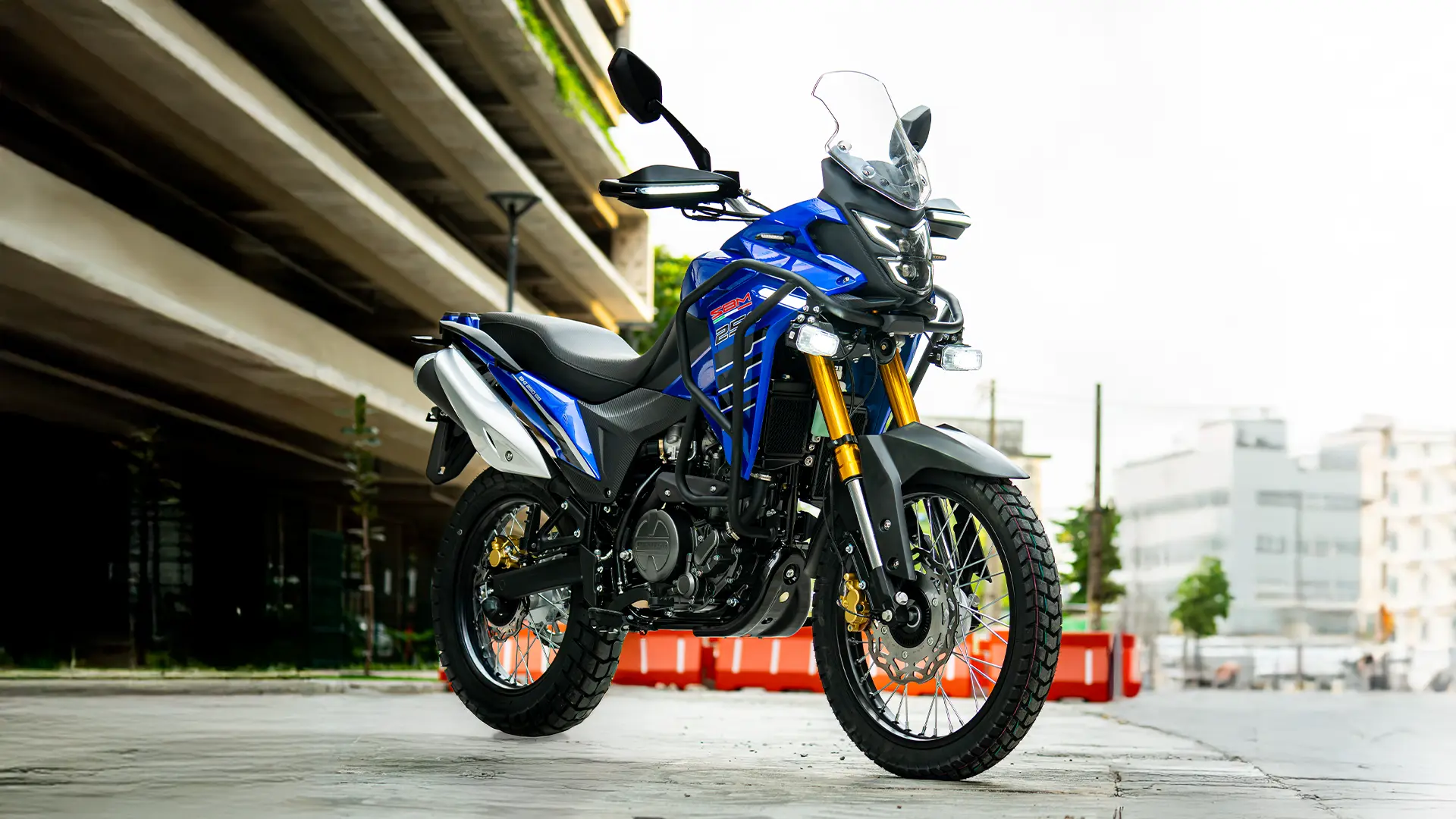
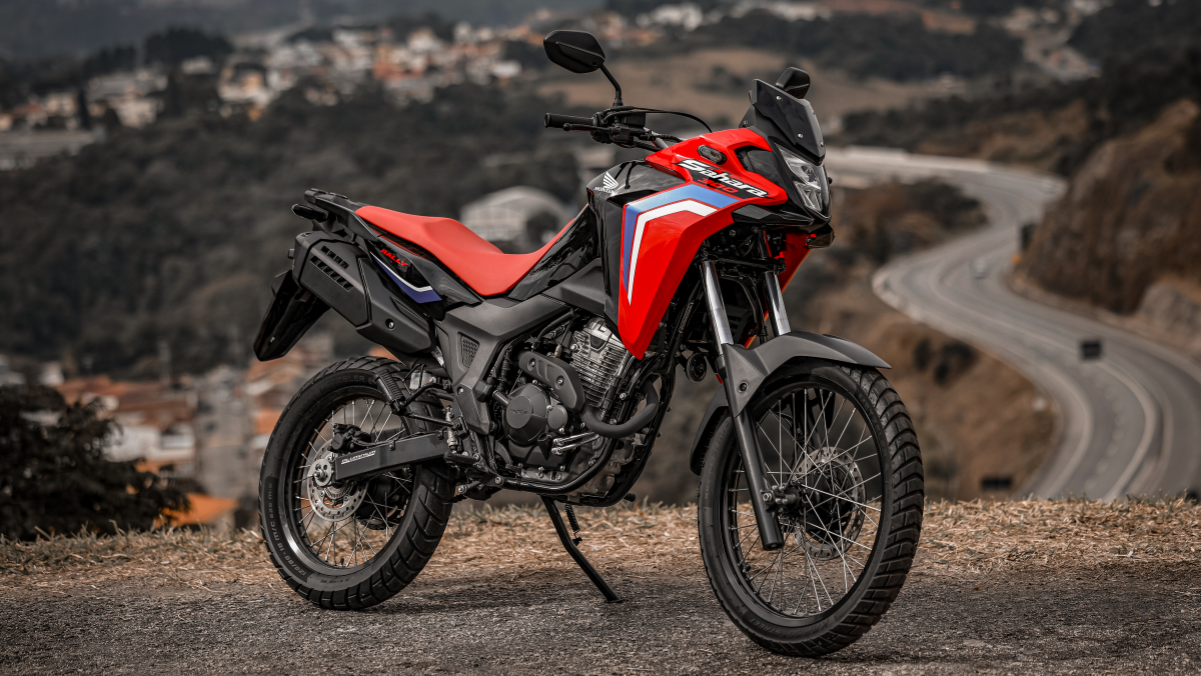
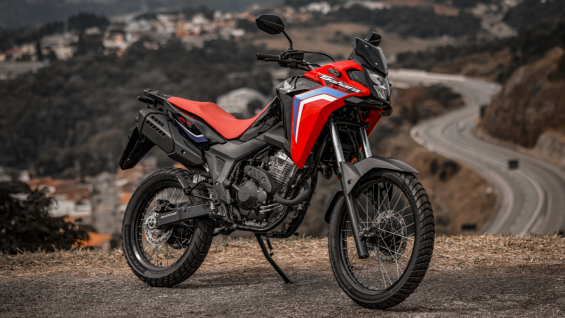
As much as the XRE has not exactly repeated the impact left by the old XRE 300, it maintains the legacy of being one of the best-selling motorcycles among the small trails in Brazil. To face this darling, SBM recently launched a competitor that tries to draw attention for its cost-benefit.
With a 250 cc engine of 30.8 hp, it delivers superior power to the Japanese, in addition to having inverted front suspension, dual-channel ABS, USB-C and USB-A outlets and ground clearance of 290 mm.
In the proposal, the models are very similar, such as almost intermediate mixed-use trails. In addition to the power advantage, the SBM costs R$ 24.990, against R$ 30.990 for Honda (without shipping and taxes).
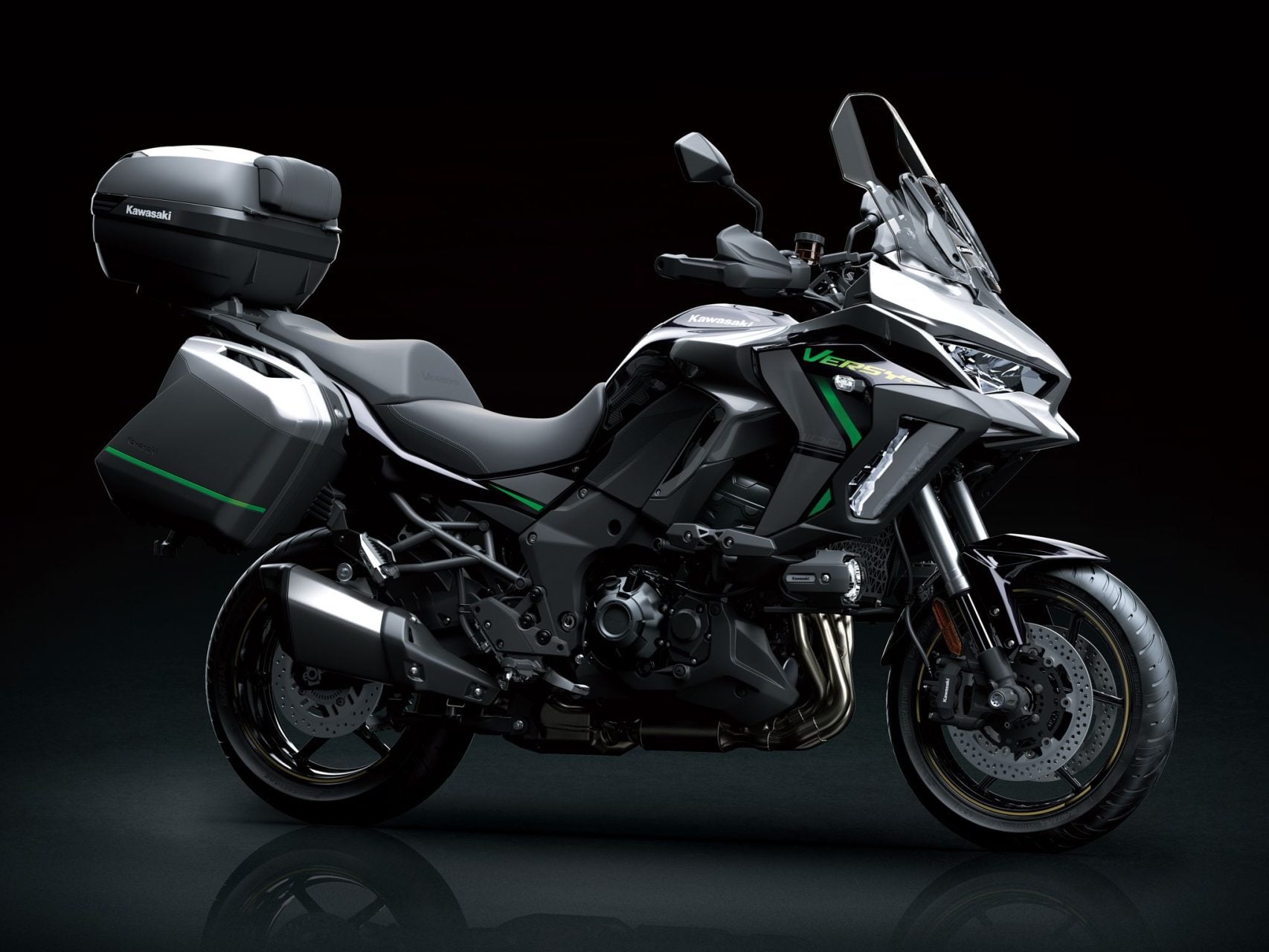
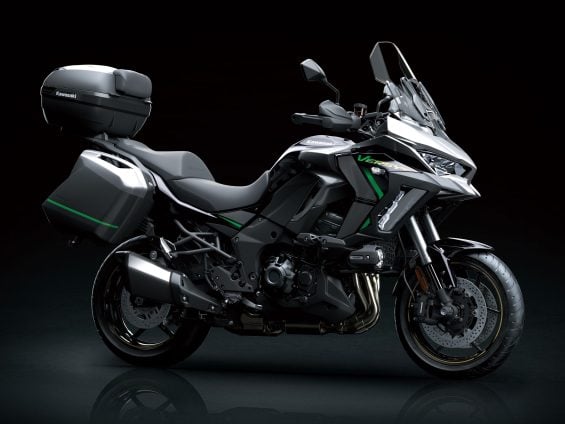
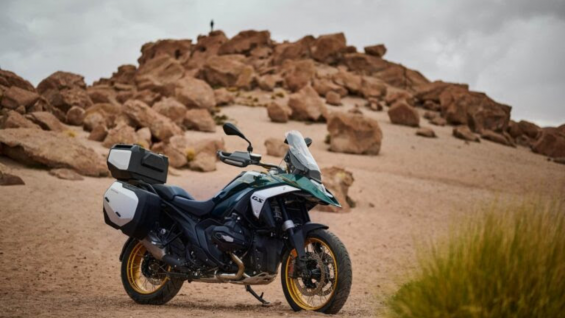
4. BMW R 1300 GS – Kawasaki Versys 1100
Kawasaki Versys 1100 (Photo: Kawasaki | Disclosure) BMW R 1300 GS (Photo: BMW | Disclosure)
The category of big trails, according to Fenabrave, is currently dominated by the Royal Enfield Himalayan 450, a bike that still does not compete for exactly the same space as traditional big trails and has few rivals with a similar cost-benefit proposal.
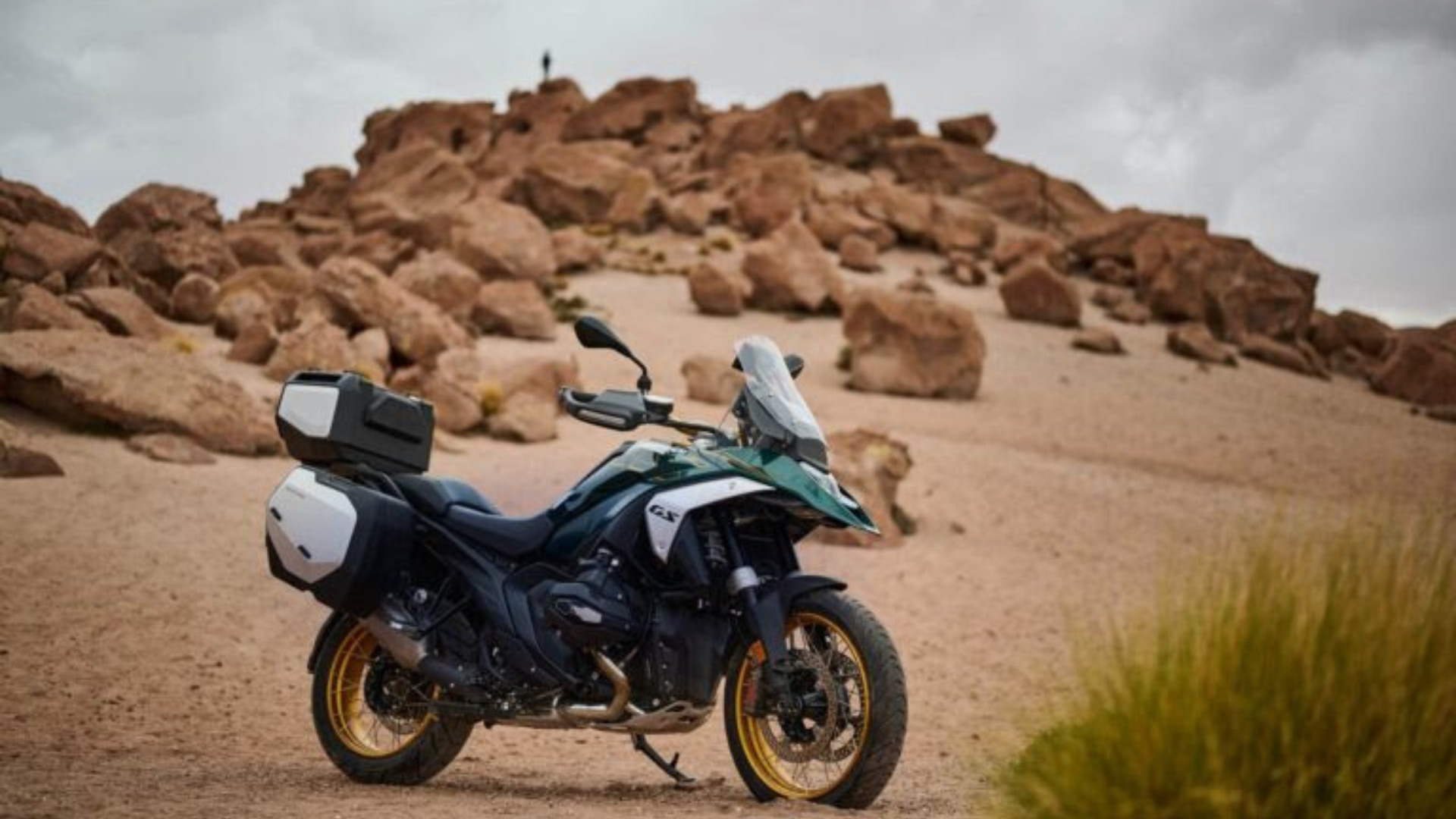
Therefore, the one chosen from the list was the BMW R 1300 GS, one of the most desired big trails on the market. The model is known for its ability to face different types of terrain and for its strong appeal in travel, but the price of R$ 107.990 is a decisive factor.
Even without the same off-road focus as the German, the Kawasaki Versys 1100 appears as a more rational alternative for those who prioritize comfort and road.
Starting at R$ 76.090, the Japanese stands out for its four-cylinder engine with 135 hp and 11,4 kgfm, six-speed gearbox, 21-liter tank and dry weight of 233 kg. In addition, the model is often praised for its comfort on long trips.
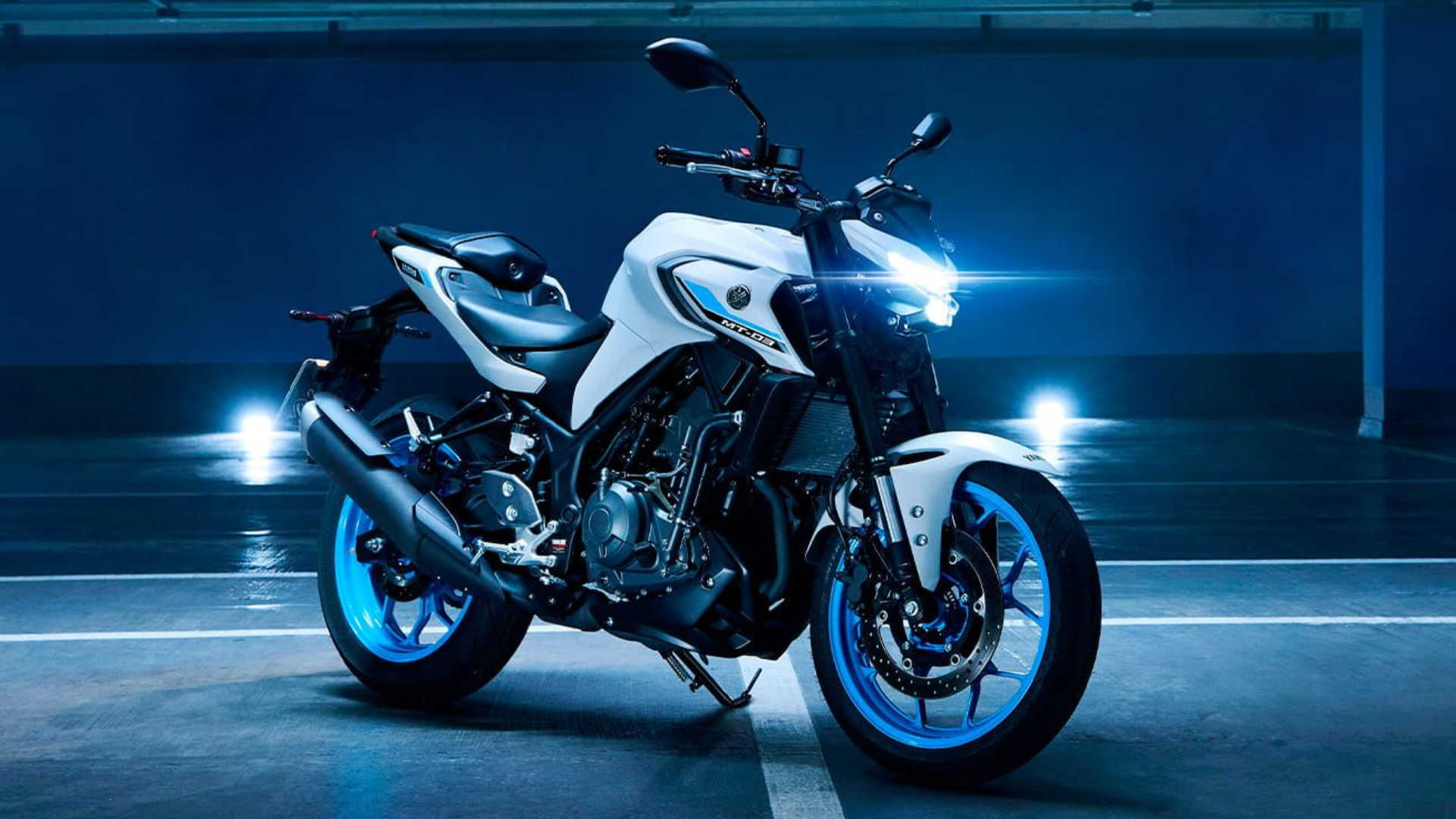
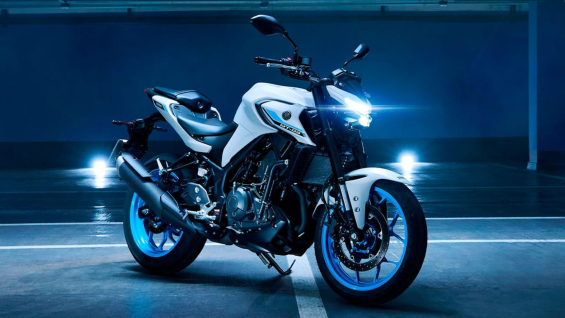
The Yamaha MT-03 leads among the mid-displacement nakeds, but is constantly threatened by the Bajaj Dominar D400. Still, the Dominar NS400Z ends up being the most compared option to the Japanese one because of the closer proposal.
Equipped with a 40 hp engine, six-speed gearbox, ABS brakes and USB connectivity, the Indian delivers characteristics similar to those of the MT-03.
Even with inferior chassis and sportiness, the NS400Z is close to the Japanese mainly for its price. There are R$ 26.990 tabulated against R$ 32.190 charged by Yamaha (without shipping and fees).
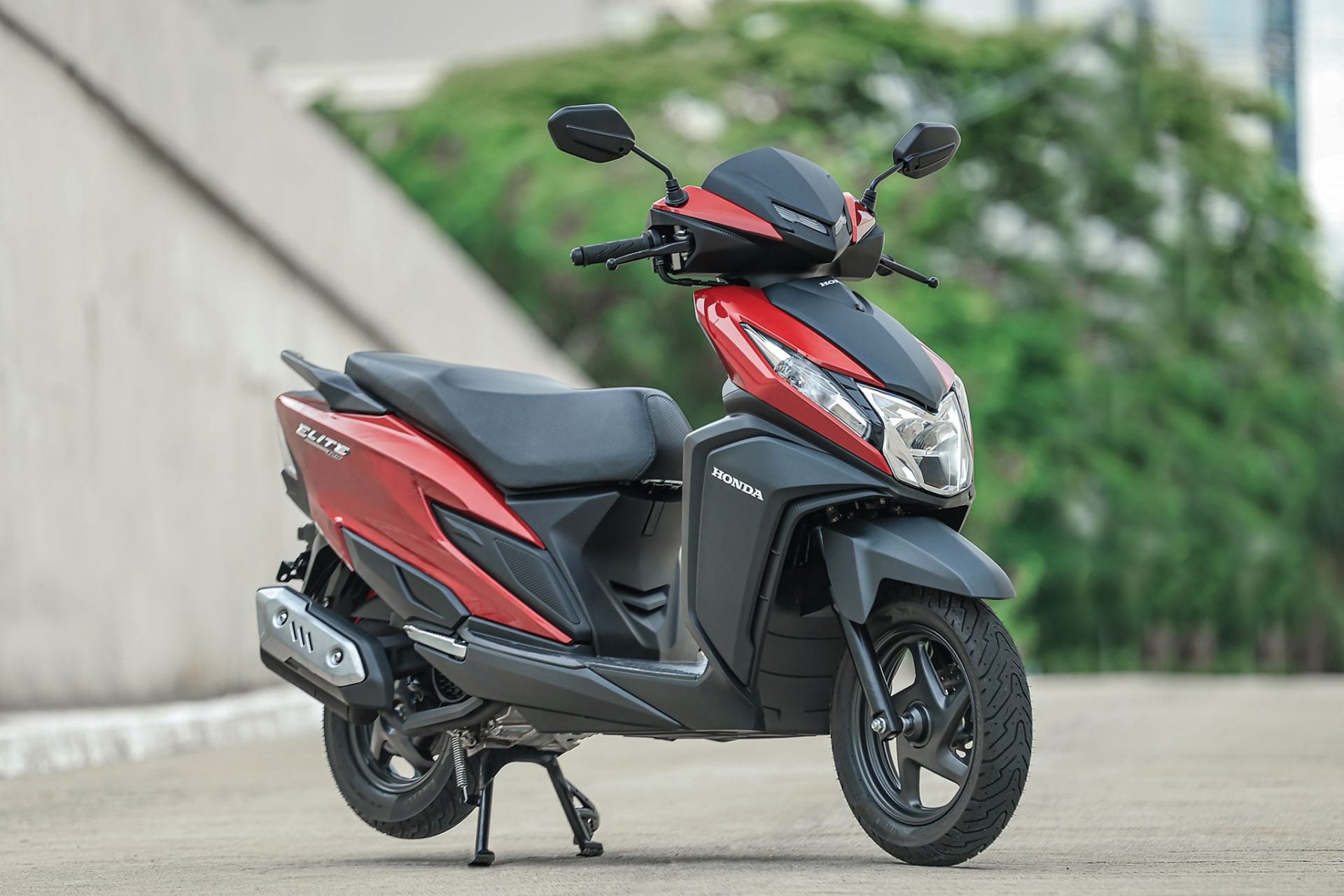
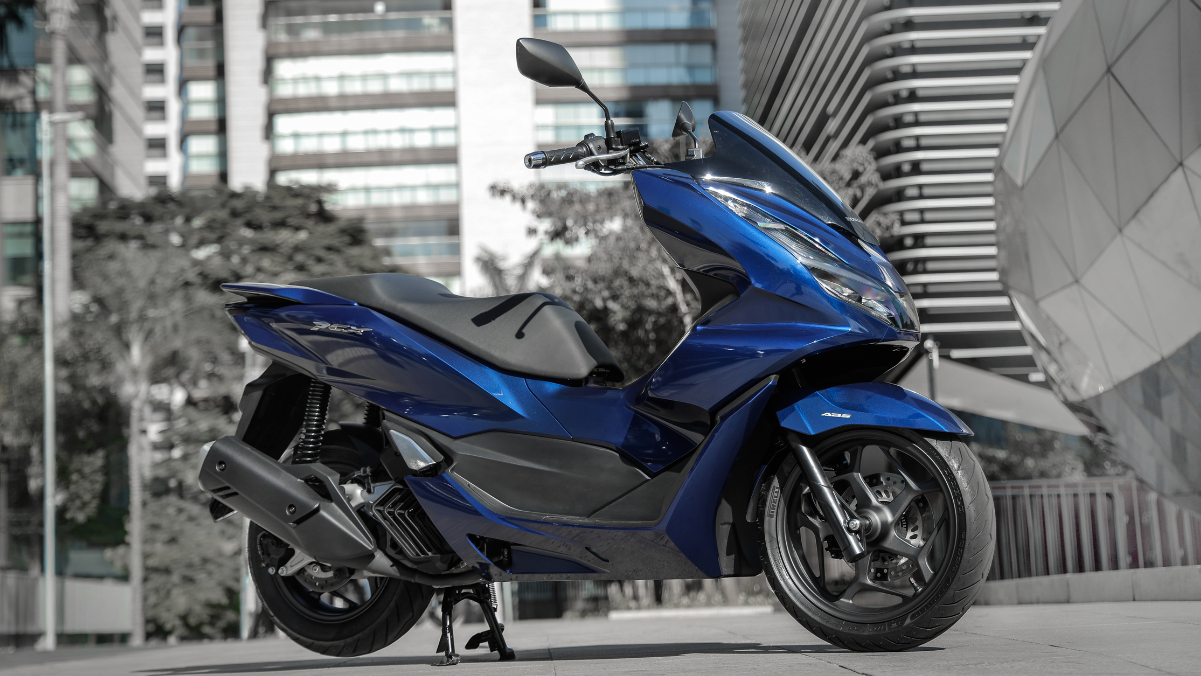
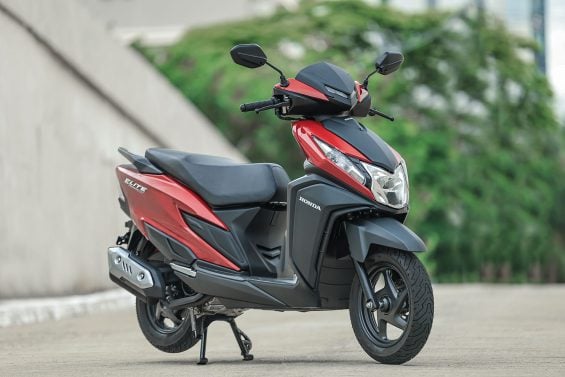
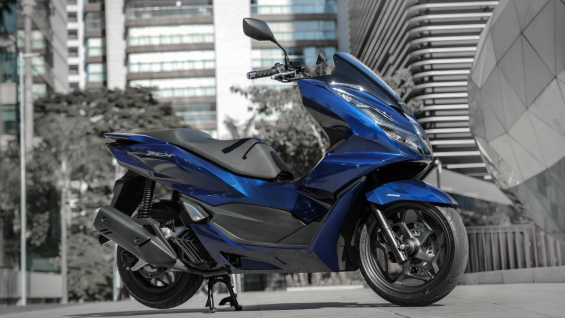
In this category, Hondas compete against each other. The PCX 160, the best-selling scooter on the market, can be replaced by the smaller Elite 125 for those who prioritize economy.
As much as there is no direct comparison in performance — after all, the PCX is more powerful and equipped — the Elite appears as a more affordable option. The model costs R$ 14.300 against R$ 18.710 for the PCX 160.
Still, the Elite maintains the urban proposal, in addition to having simple mechanics and the traditional reliability of the brand.
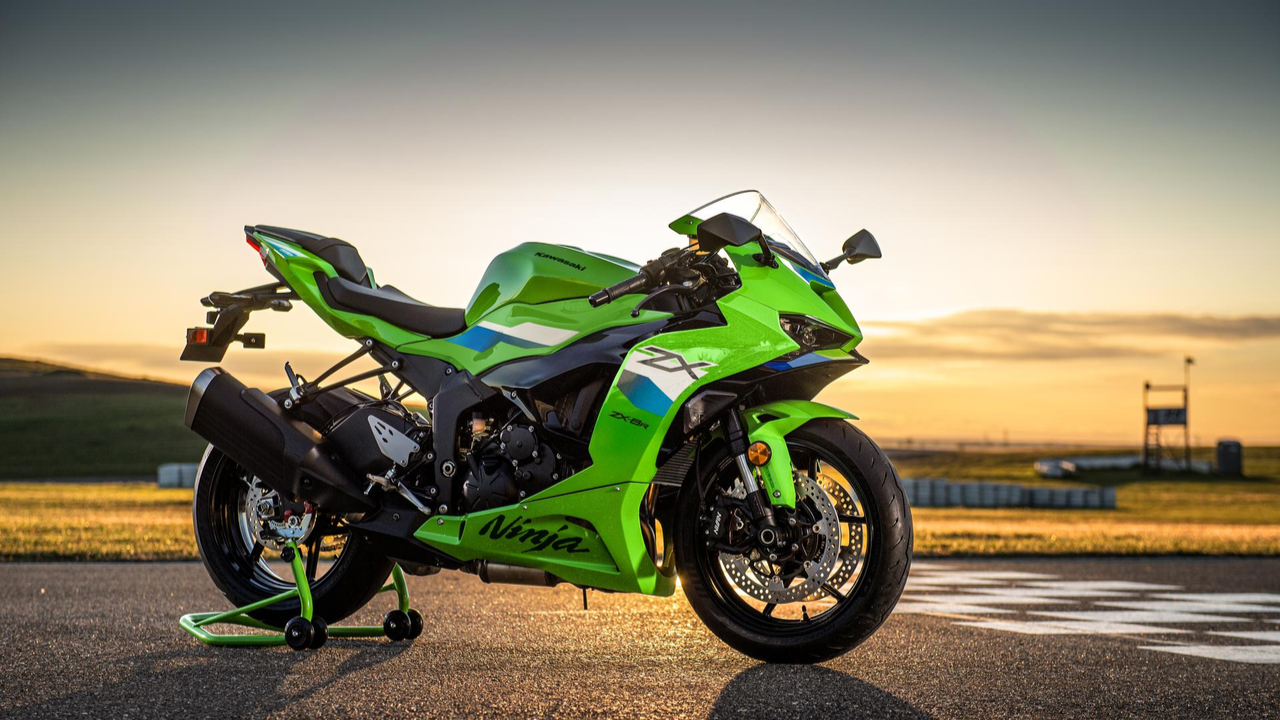
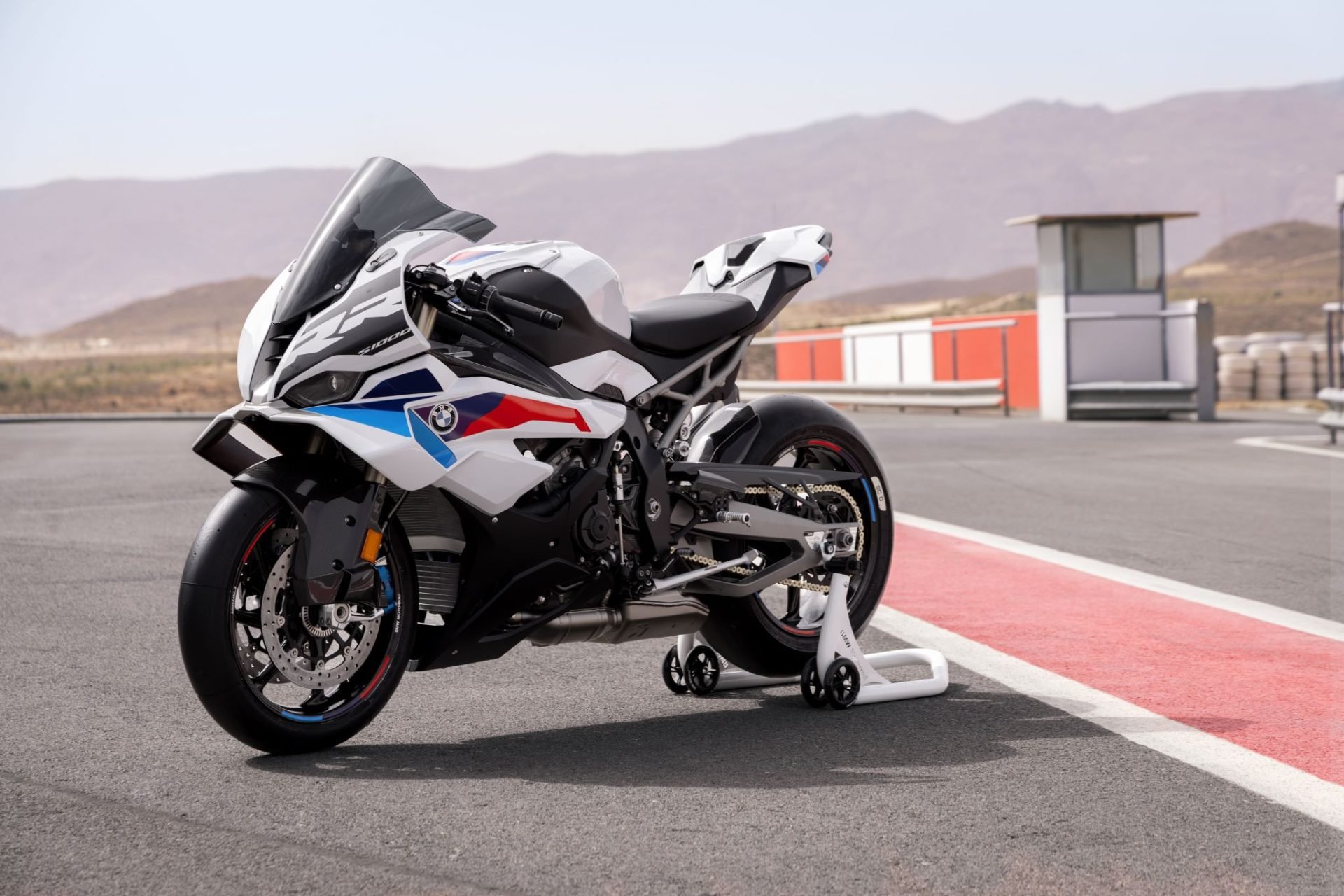
7. BMW S 1000 RR – Kawasaki Ninja ZX-6R
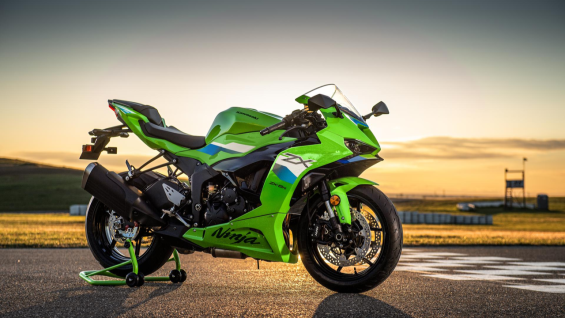
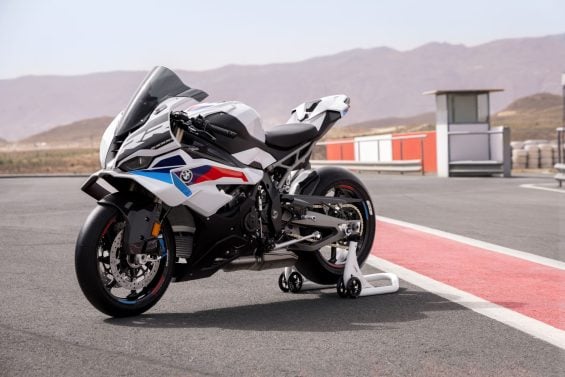
Kawasaki Ninja ZX-6R (Photo: Kawasaki | Disclosure)BMW S 1000 RR (Photo: BMW S 1000 RR | Disclosure)
Coming to the end of the list, the comparison may seem strange at first glance. After all, putting a 1,000cc super sports car in front of a 600cc doesn’t exactly seem fair. However, the relationship makes sense when proposal and price are taken into account.
The Kawasaki ZX-6R costs about R$ 68 thousand less than the BMW. While the Japanese starts at R$ 71.990, the German costs R$ 139.990, enough difference to buy another smaller motorcycle. In addition, Kawasaki maintenance tends to be more affordable.
In performance, however, the ZX-6R deviates from the traditional 600 standard. The model has a four-cylinder engine capable of delivering 129 hp and 7 kgfm of torque, in addition to traction control (KTRC), selectable power modes, intelligent ABS brakes (KIBS) and bidirectional quick-shifter.
Even though BMW is more complete and powerful, the Ninja manages to deliver a sporty experience at a considerably lower cost.
Comments are the sole responsibility of their authors and do not represent the opinion of this site. Comments containing profanity or offensive language will not be published. If you identify anything that violates the terms of use, please report it.