The helmet is the most important PPE (Personal Protective Equipment) for motorcyclists and drivers, so much so that it is the only one that requires certification during everyday urban conditions. Therefore, investment in this item should not be a “health limiter”. However, the driver must pay attention, since the high price is not always linked to performance. At least in terms of safety.
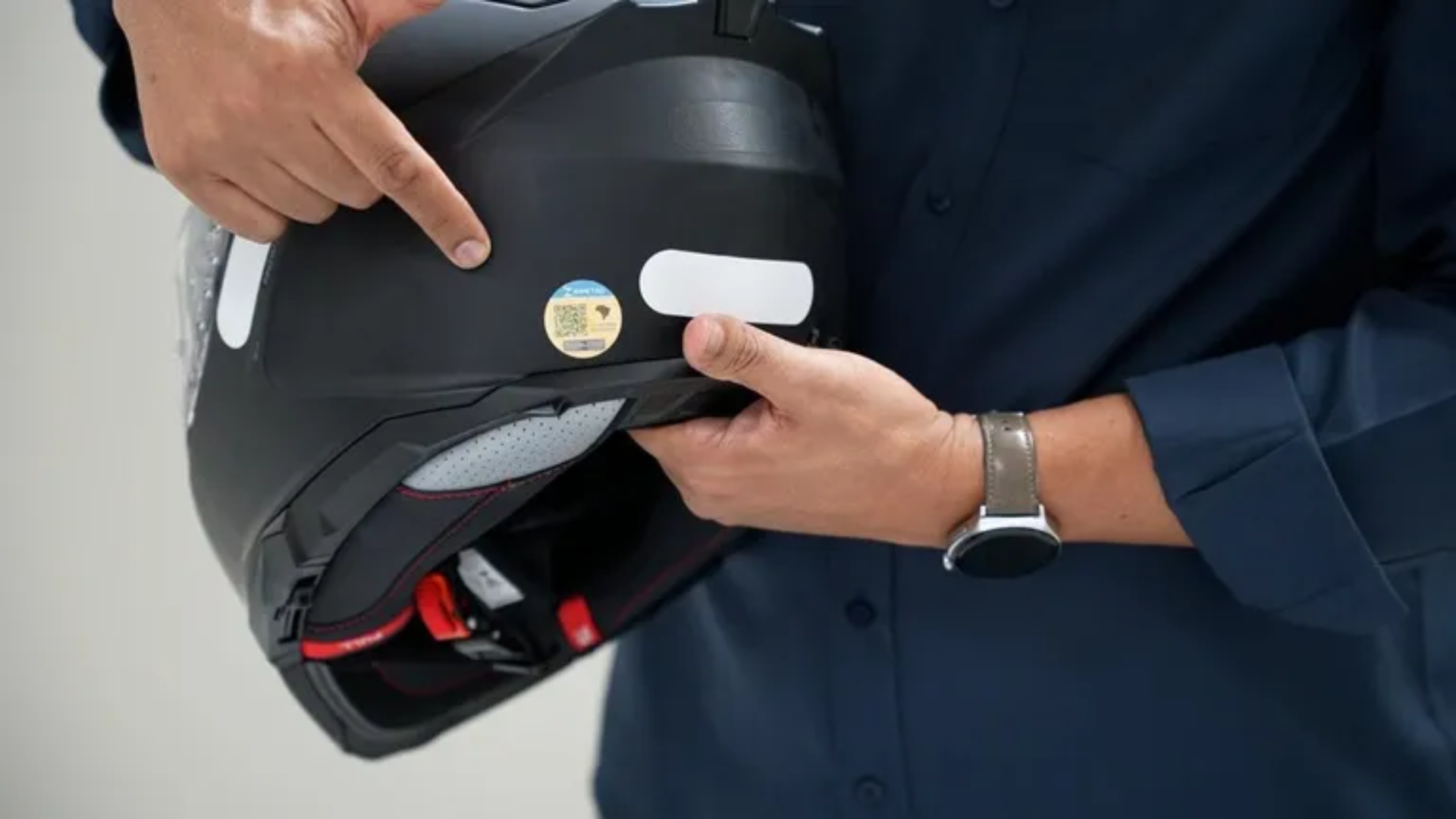
The Inmetro seal is mandatory in Brazil (Photo: Inmetro | Disclosure)
In an interview, Grupo Motociclo – one of the largest distributors and importers of parts, accessories and equipment for motorcycles in Brazil and the brand behind Helt Capacetes – said that several factors can influence the price of a helmet, but the high cost does not determine quality or safety.
A more expensive helmet will not always necessarily be safer, but usually the higher value-added models offer a more complete set of technologies, comfort, finish and additional features”, said the brand. “The price can influence why premium models usually use lighter and more resistant materials, have more advanced aerodynamic designs and go through more sophisticated development processes. In addition, they usually offer more thermal and acoustic comfort, which also contributes to safer riding over long periods.”
The price of a helmet
Modern helmets have a very important and expressive factor in addition to safety and comfort quality: onboard technology.
The Internet of Things has integrated vehicles, smartphones, and, in the case of motorcycles (and a few others), helmets. Now, PPE often leaves the factory with technologies that allow intercommunication, either with the vehicle itself, other motorcyclists or even with smartphones, thus making it possible to listen to music and listen to the GPS.
More advanced projects, such as the GT-Air 3 Smart, from the Japanese Shoei, a reference in motorcycling safety, can also display on the visor data from the motorcycle’s dashboard, such as speed, GPS navigation instructions and phone calls.
While a conventional helmet can start at around R$ 200, one that already comes with an intercom starts at least at around R$ 600.
In addition, other characteristics of the helmet, such as the quality of materials, aerodynamics and design, can make the model exceed R$ 10.000.
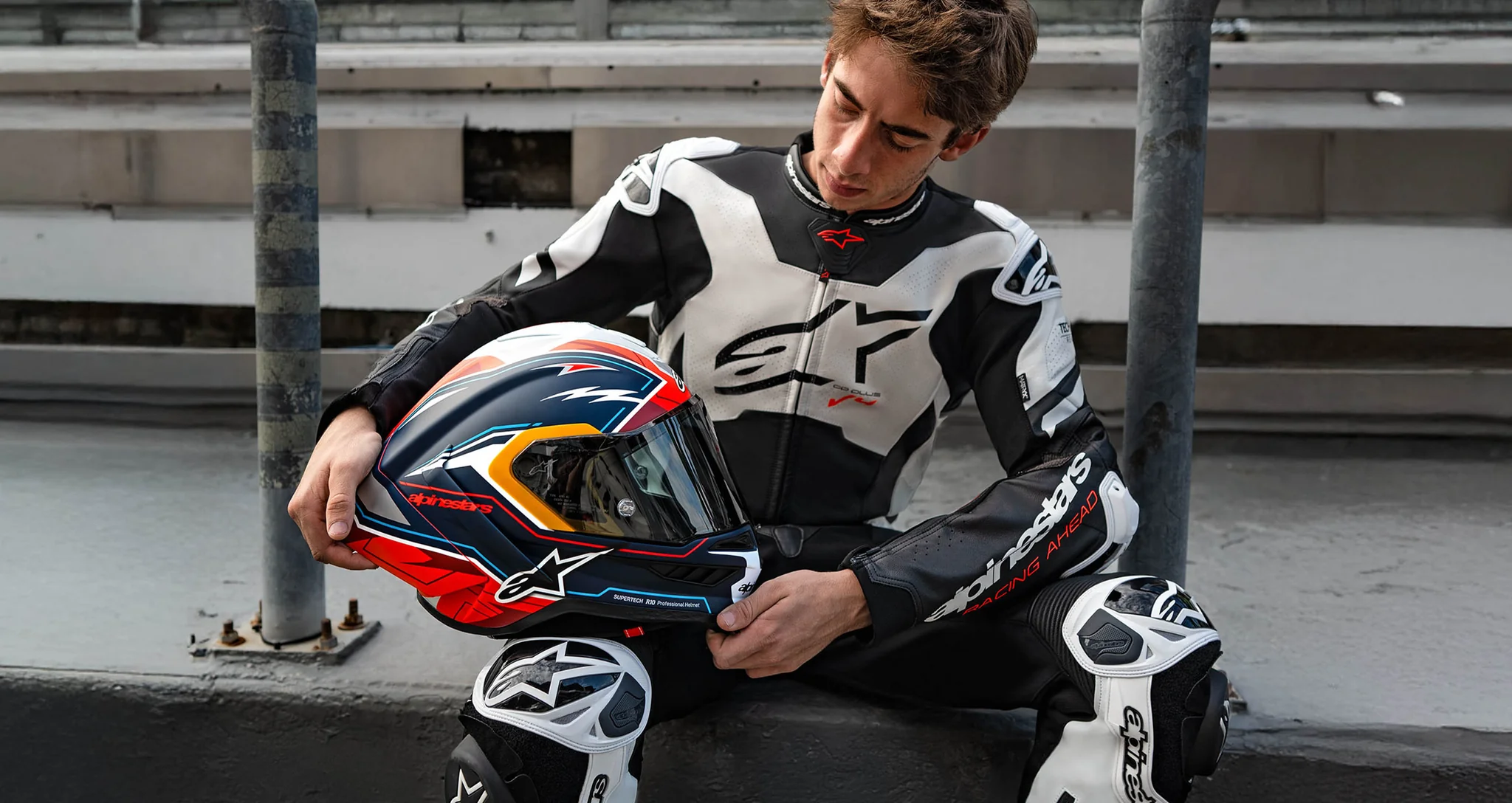
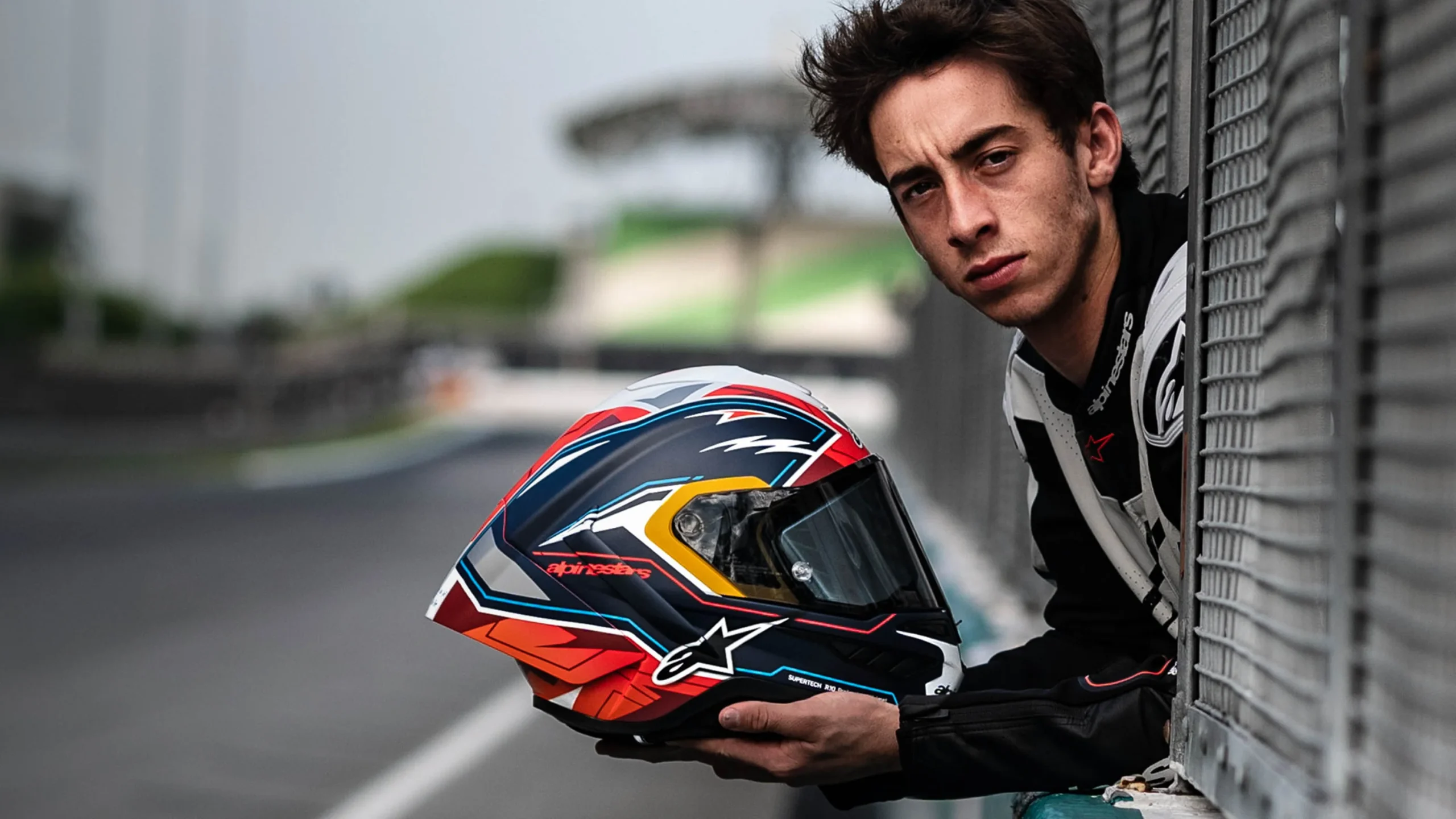
The Alpinestars Supertech R10 is used in the most important competition in the segment (Photo: Alpinestars | Disclosure)
On the website of Alpinestars, one of the most renowned brands of motorcycling equipment in the world, the same helmet used by MotoGP riders, the Alpinestars Supertech R10, costs R$ 10,990.49. The model represents the highest technology in terms of safety and performance.
The cost-benefit ratio
Motociclo made it clear that, as much as there are these high-cost models, the cost-benefit ratio can be the way out for riders who, although they do not want to pay a high price, are still concerned about safety.
“There are helmets with an excellent cost-benefit ratio, which deliver a good level of protection within the standards required by Inmetro. The most important thing is to choose a certified helmet, from a reliable brand and that fits perfectly on the motorcyclist’s head, as a poorly fitting helmet loses much of its protection efficiency.”
The motorcycle helmet must, by law, have the Inmetro identification seal, proving that it is a quality product, be in good condition and have all four reflective stripes.
In addition, it is essential that the motorcyclist wears a new helmet, which has never suffered a fall (which compromises the internal structure) and of the appropriate size, avoiding coming loose or spinning in adverse circumstances.
The size of the helmet is also essential for the safety of the crew member. The helmet size numbering is the same as the circumference of the person’s skull, in centimeters. To measure is also simple: just place a tape measure in the middle of the forehead and go around the entire head until the two ends come together.
PPE measurements vary greatly, the most common are between 56 cm and 62 cm, and the motorcycle helmet is expected to tighten the rider’s cheeks, as the new foam is still rigid. What cannot happen is discomfort in the skull. In these situations, it is better to take a larger number.
The helmet expert warns
“The price can influence, but it should not be analyzed in isolation.”
In the end, the most important thing is to choose the most suitable helmet for the use in question, respecting the legislation and safety standards.
Comments are the sole responsibility of their authors and do not represent the opinion of this site. Comments containing profanity or offensive language will not be published. If you identify anything that violates the terms of use, please report it.