

Would you accept R$ 145 thousand to stay 5 years without driving? A European country is offering just that to young people
Pilot program aims to reduce congestion, but requires participants to start the qualification process from scratch after the period
By
Júlia Haddad
Published on 2026-05-20 at 08:00 PM
Updated on 2026-05-20 at 08:38 PM
Published on 2026-05-20 at 08:00 PM
Updated on 2026-05-20 at 08:38 PM
Be the first to comment.
Summarize with:
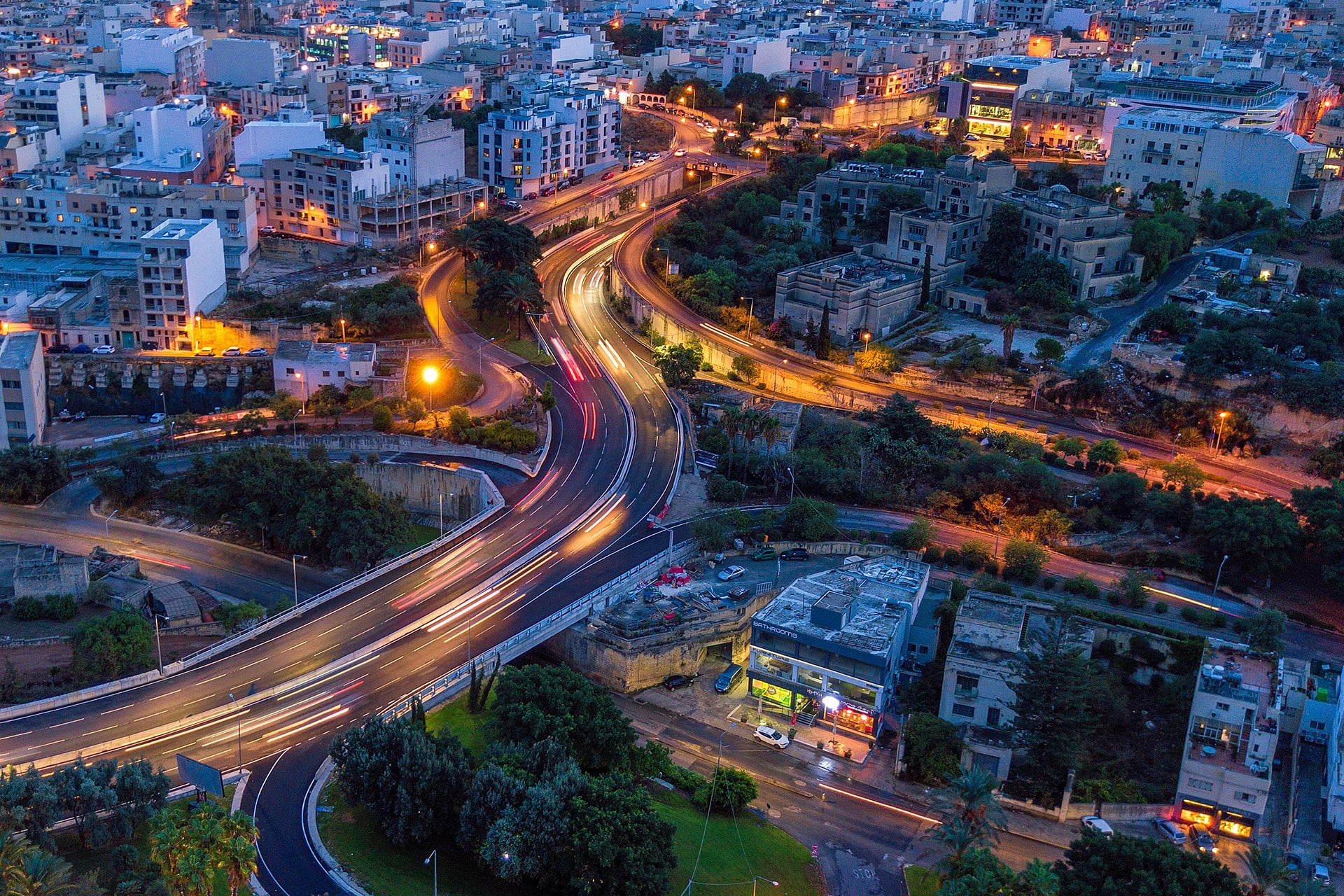
Amid worsening urban congestion, Malta has resorted to a drastic solution to reduce the number of vehicles on the streets: the government has decided to pay for citizens to stop driving. The pilot program, launched this year, offers up to 25,000 euros (about R$145,000) to drivers under 30 who agree to surrender their driver’s license for five years.
The initiative proposes annual transfers of 5,000 euros to those who make a commitment not to drive any motor vehicle — a restriction that is not limited to cars and includes motorcycles and mopeds. It is a waiver with international validity.
The rigor of the project goes beyond the suspension period. After the deadline, the participant who wishes to drive again will not have the license returned immediately. It will be necessary to start the qualification process practically from scratch, which includes at least 15 hours of practical classes.
SEE ALSO:
- A Logan competed in the 24 Hours of Nürburgring against Max Verstappen
- Stellantis confirms popular electric car to stop Chinese advance in Europe
- Blue Belt advances in the Federal District, but security of the measure still divides experts
Managed by Transport Malta, the project has a budget of 5 million euros per year, limiting membership to about a thousand interested parties annually. To enter, the candidate must be under 30 years old, have lived in the country for at least seven years and have been in category B for at least 12 months. Professionals who depend on the steering wheel to work are excluded.
The inspection promises to be severe. Anyone caught driving will lose the benefit immediately. In addition to responding to the penalties of driving without a license, the offender will be required to return all amounts received and pay an extra fine of 5,000 euros.
So far, the Maltese government has not detailed why the measure was restricted to young people, nor has it confirmed whether the model can be expanded in the long term. There is also no clarity on the choice of direct payment over conventional mobility solutions such as urban tolls, low-emission zones, or parking restrictions.
SEE MORE ABOUT

0 Comments
Comments are the sole responsibility of their authors and do not represent the opinion of this site. Comments containing profanity or offensive language will not be published. If you identify anything that violates the terms of use, please report it.