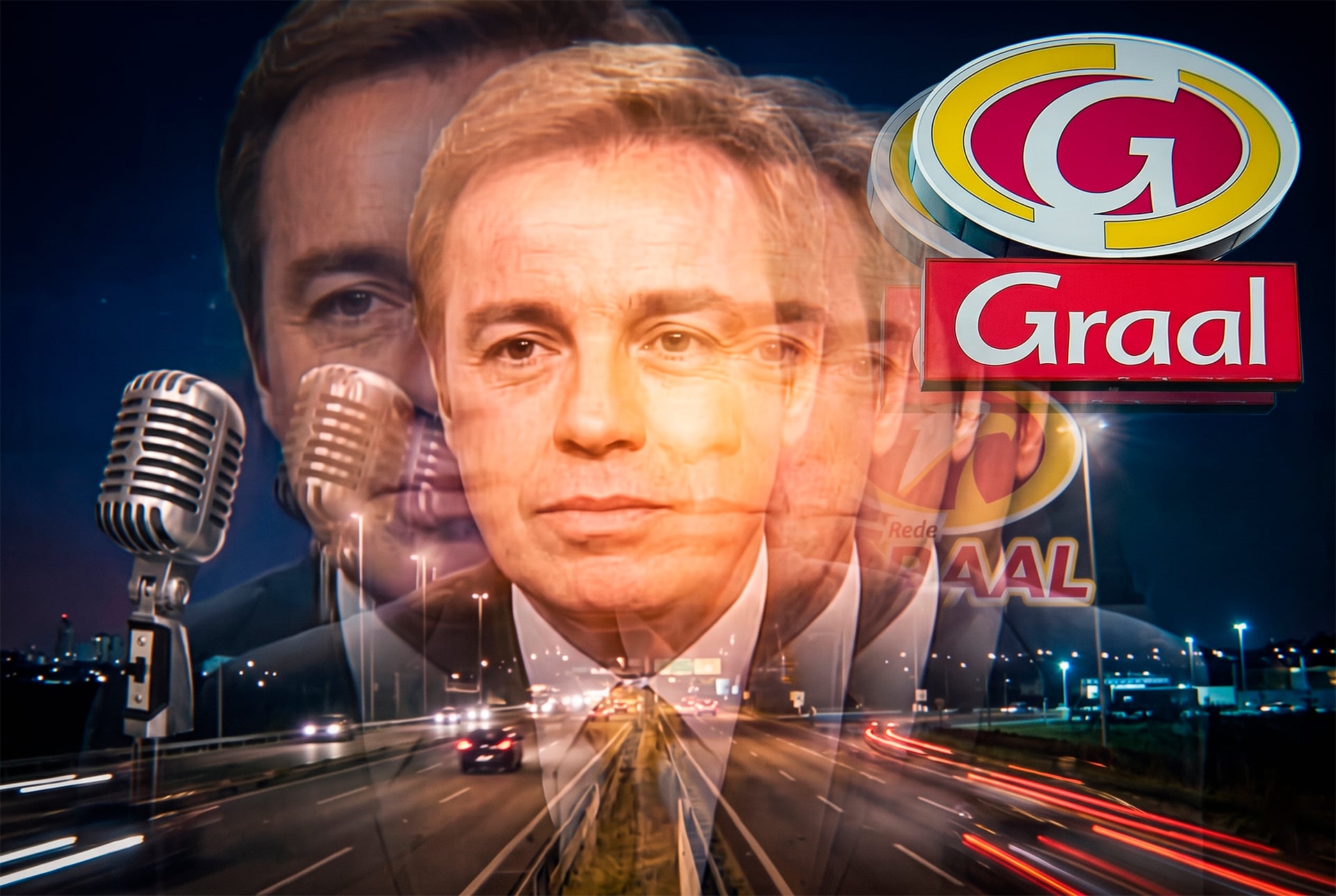
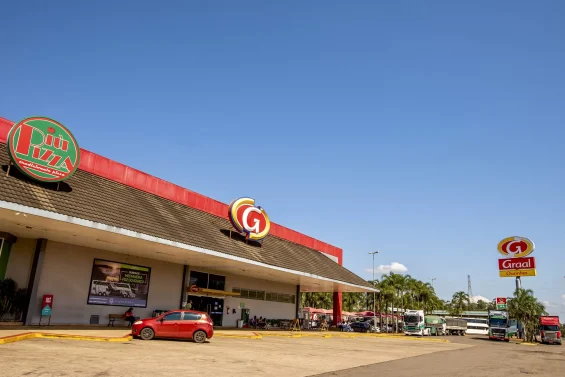
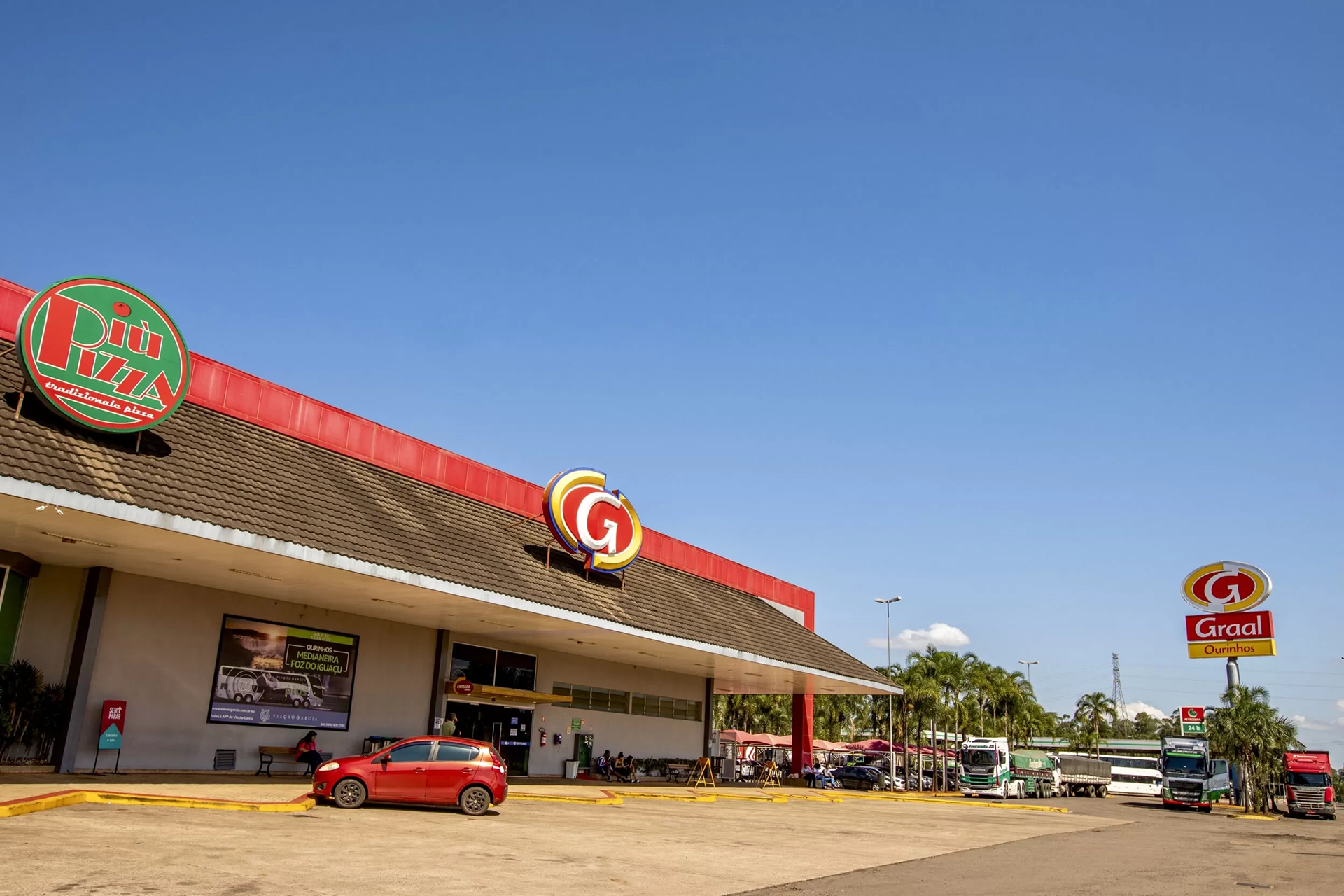
Anyone who has crossed the Southeast of Brazil by car knows the scene. After hours of asphalt and a landscape that repeats itself, the unmistakable sign of a Graal gas station appears on the side of the road — fuel, a clean bathroom, an expensive restaurant and, almost always, a question in the back seat: wasn’t this Gugu’s? The story has haunted the network for decades, and resurfaces with each new mention of the presenter. It is worth following this clue until the end.
The legend who hit the road
Gugu had a minority stake in only one unit of Rede Graal (Photo: Disclosure)
The rumor has always had the elegance of good theories: it offered a complete explanation. It was enough to decipher the word. “Graal” would be the acronym for Grupo Alimentar Augusto Liberato — or, in other versions that circulated on the internet, Grupo Rodoviário Alimentar Augusto Liberato and Grupo Antônio Augusto Liberato. As the presenter’s baptismal name was Antônio Augusto de Moraes Liberato, the initials seemed to fit with the precision of a key in the lock.
The urban legend gained strength in the 1990s and 2000s, just when Gugu Liberato was at his peak on television and Rede Graal spread along the highways with an above-average structure by the standards of the time. Added to this was the discreet profile of the presenter off camera: a businessman in fact, with investments in real estate, media and licensing, he rarely talked about his own businesses. Silence is the best fertilizer of any myth.
After all, what does “Grail” mean?
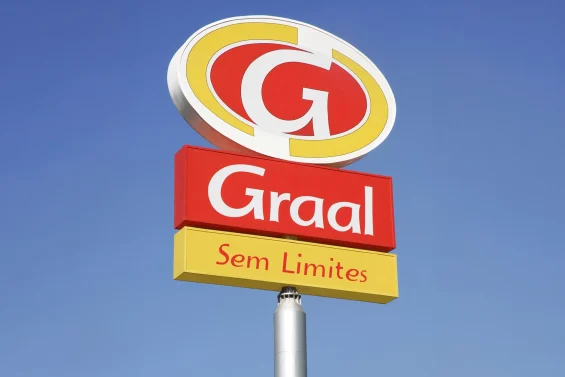
Contrary to popular belief, there is no acronym in the name of the Grail (Photo: Disclosure)
Here lies the first twist: “Grail” is not an acronym for anything. The word is the noun itself, in Portuguese, for the holy grail of medieval legends — the Holy Grail, the cup associated with the Last Supper and pursued by King Arthur’s knights in one of the most famous narratives in the Western imagination. To seek the Grail, in tradition, is to pursue something precious and almost unattainable at the end of a long journey. It is difficult to imagine a more appropriate baptism for a stop in the middle of the road.
The choice is not the interpretation of those who tell the story later: one of the founders, in a rare public appearance, attributed the name directly to the legend of the Holy Grail. The involuntary genius of the brand was to leave the word loose, without explanation, free for each traveler to project the meaning they wanted onto it — including a television presenter.
The real owners of the road
The Grail Network was born from a history of immigration, not an auditorium. It was founded by the Portuguese brothers Antônio Eduardo and Manuel da Rocha Alves, who landed in Brazil in the 1940s and, like so many countrymen, started running a bakery in São Paulo. On a trip to Europe in the 1970s, they visited the large service stations of the highways — something then non-existent here. They brought the concept in their luggage.
In 1974, they opened the first unit at kilometer 461 of the Régis Bittencourt highway, on the stretch of BR-116 between São Paulo and Curitiba. It was a new model: not just fuel, but restaurant, comfort and standardization — the embryonic idea of a “McDonald’s of the roads”. The business prospered. Today, Rede Graal is a privately held company, controlled by the family, with more than 60 units and revenues that exceeded R$ 2 billion in 2023, ranking among the largest restaurant chains in the country. The same brothers have built a small gastronomic empire that includes brands such as Barbacoa, América and Pinguim. Averse to advertising and interviews, the Alves unwittingly fed the information vacuum where legends like Gugu’s thrive.
The red herring: the 25% of a single station
Every good legend has a grain of truth, and this is the case. Gugu did have an equity interest in Rede Graal — but in a single position. According to the records of his assets, the presenter owned 25% of one of the units, located in the first kilometers of the Presidente Castello Branco highway, in Greater São Paulo. It is the so-called “false track” of the plot: a minority quota in an isolated station, confused with the ownership of the entire network.
Gugu himself tried to clarify while still alive. In an appearance on the Porchat Program, on TV Record, he denied being the owner of the network and explained that the name referred to the Holy Grail, not to him — admitting only the partnership in a unit. Years later, after the presenter’s death in 2019, his son João Augusto Liberato reinforced the version on SBT’s The Noite: his father was a partner in a single Graal, Castello Branco. This post even entered the estate valued at around R$ 1 billion that motivated the family’s long inheritance dispute – which reignited the rumor with each new headline.
The verdict
The account, then, closes like this. The name comes from the medieval chalice, not an artist’s initials. The network belongs to the Alves brothers, not the presenter. And the only real connection between Gugu Liberato and the Grail fit in a room of a gas station in Castello Branco. The rest was the work of a coincidence of letters, a low-key billionaire, and a roadside icon—the exact recipe for a legend that, like the Holy Grail itself, many people spent years chasing without ever reaching.
Comments are the sole responsibility of their authors and do not represent the opinion of this site. Comments containing profanity or offensive language will not be published. If you identify anything that violates the terms of use, please report it.