Volkswagen’s design chief criticizes aggressive cars and defends friendlier look
Andreas Mindt says that the industry's obsession with intimidating fronts is meaningless and criticizes the design of the brand's first electric cars
Volkswagen is betting on a cleaner and friendlier design for its new line of electric cars, as shown by the ID. Cross compact SUV, which is already an example of this trend of "temperament" of the brand's cars. (Photo: Ford | Disclosure)
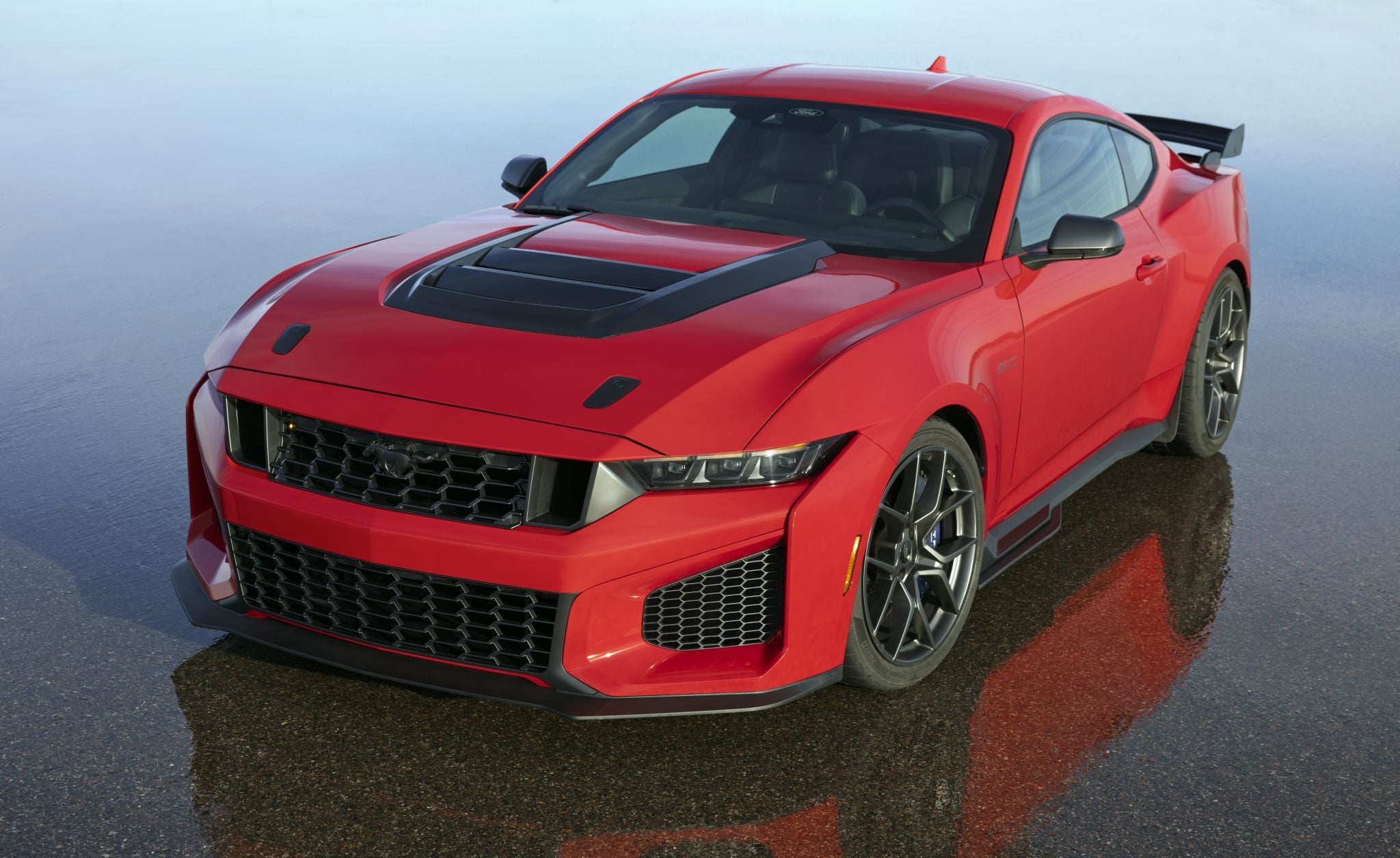
The Volkswagen Group’s global head of design summed up in one sentence what he thinks of the fashion for aggressive fronts in cars: he doesn’t want to live in a world with cars that look like they were designed to kill zombies.
Andreas Mindt called the trend “meaningless” in an interview with the Dutch magazine AutoWeek. And he identified a calculation behind the huge grilles and narrow headlights: drivers move out of the way when they see something threatening in the rearview mirror. Brands would do this, he said, just to look cool. “You may think you’re the strongest, but if you’re not, that’s meaningless,” he said.
The example he gave does not come from a giant pickup. It is the Audi A1: in the rearview mirror, the tense design of the compact suggests that something is coming very fast behind, the driver releases the left lane and only then realizes the real size of the car.
The harshest criticism was at home
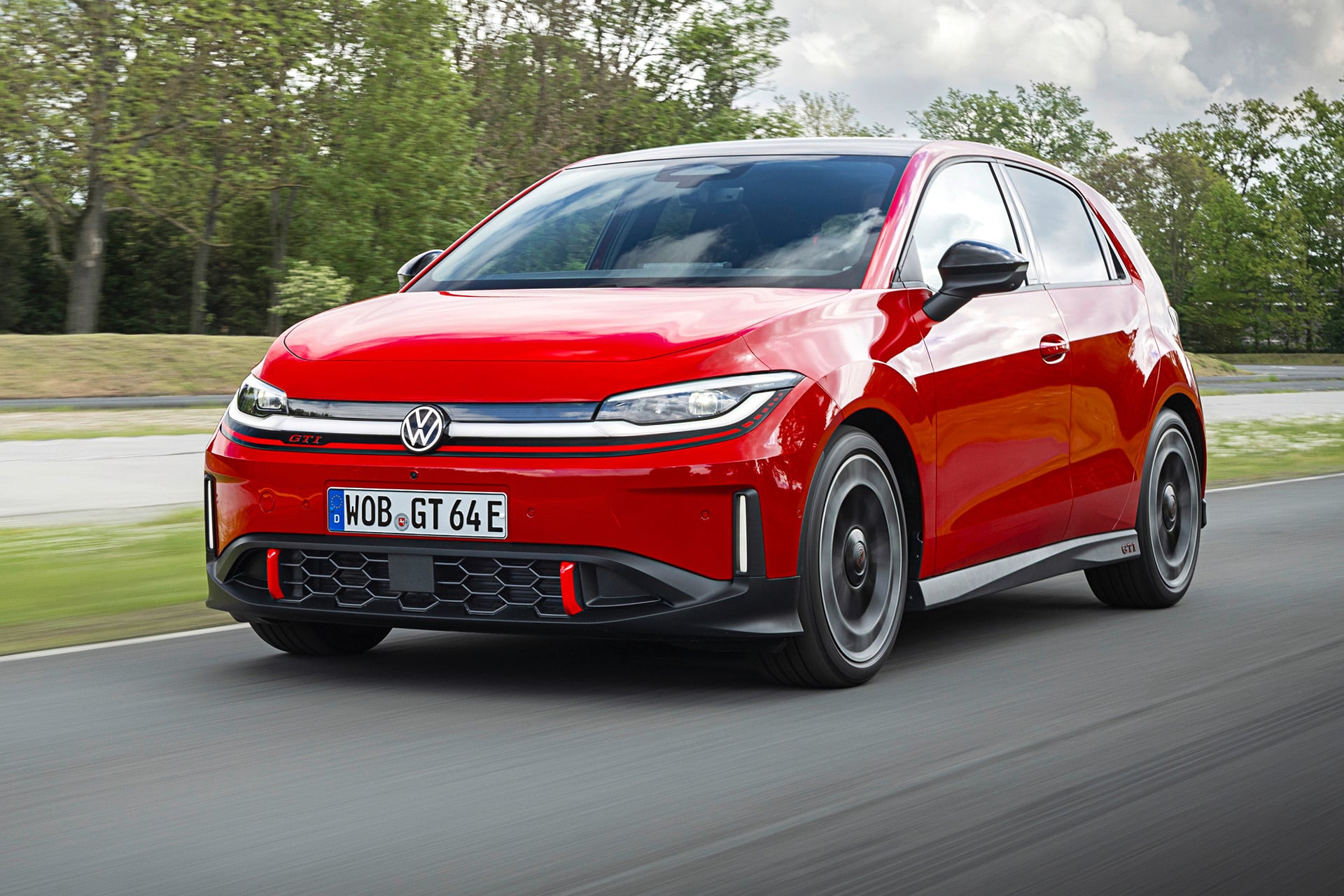
New electric VW Polo already brings the friendly ‘face’ defended by the executive (Photo: Volkswagen | Disclosure)
Mindt did not spare the company itself. About the ID.3 before the facelift, he said that the car does not look like a real Volkswagen, that you do not see the brand’s DNA in it and that it could perfectly well be from another manufacturer. The first models of the ID. family were deliberately futuristic to mark a break with the past — and, in the designer’s current assessment, they went too far.
The recently launched ID.3 Neo and the ID. Polo are the course correction. Neither screams that it is electric. Both also recover physical controls and abandon touch-sensitive bars, after years of customer complaints. The ID. Polo is the first Volkswagen designed entirely under the brand’s new language, called Pure Positive.
The historical reference is familiar to Brazilians. Mindt has already described the Beetle as an optimistic and friendly car, which did not give the impression of wanting to devour the street. In the ID. Polo, the bubble over the front wheel arches repeats the design of the Beetle, and the taillights are complete circles, with no loose ends.
Not the whole group will be sympathetic
The guideline does not apply to the conglomerate’s eleven brands. Mindt acknowledged that Lamborghini and Cupra need to maintain their own personality, and that in them the aggressive design continues to make sense.
The designer also connects the more welcoming look to the electric transition, and here the argument is less obvious than it seems: for him, the battery-powered car does not need to advertise itself as different, and the combustion driver should not be treated as a villain. What should drive people to electric, in Mindt’s reading, is the price of fuel — not the moral pressure of those who have already switched.
Comments are the sole responsibility of their authors and do not represent the opinion of this site. Comments containing profanity or offensive language will not be published. If you identify anything that violates the terms of use, please report it.