Understand why Ford’s CEO praises and criticizes his own company on the same day
Ford's CEO celebrated the brand's evolution in a prestigious quality ranking, but acknowledged that there is much to be done to correct a wave of problems
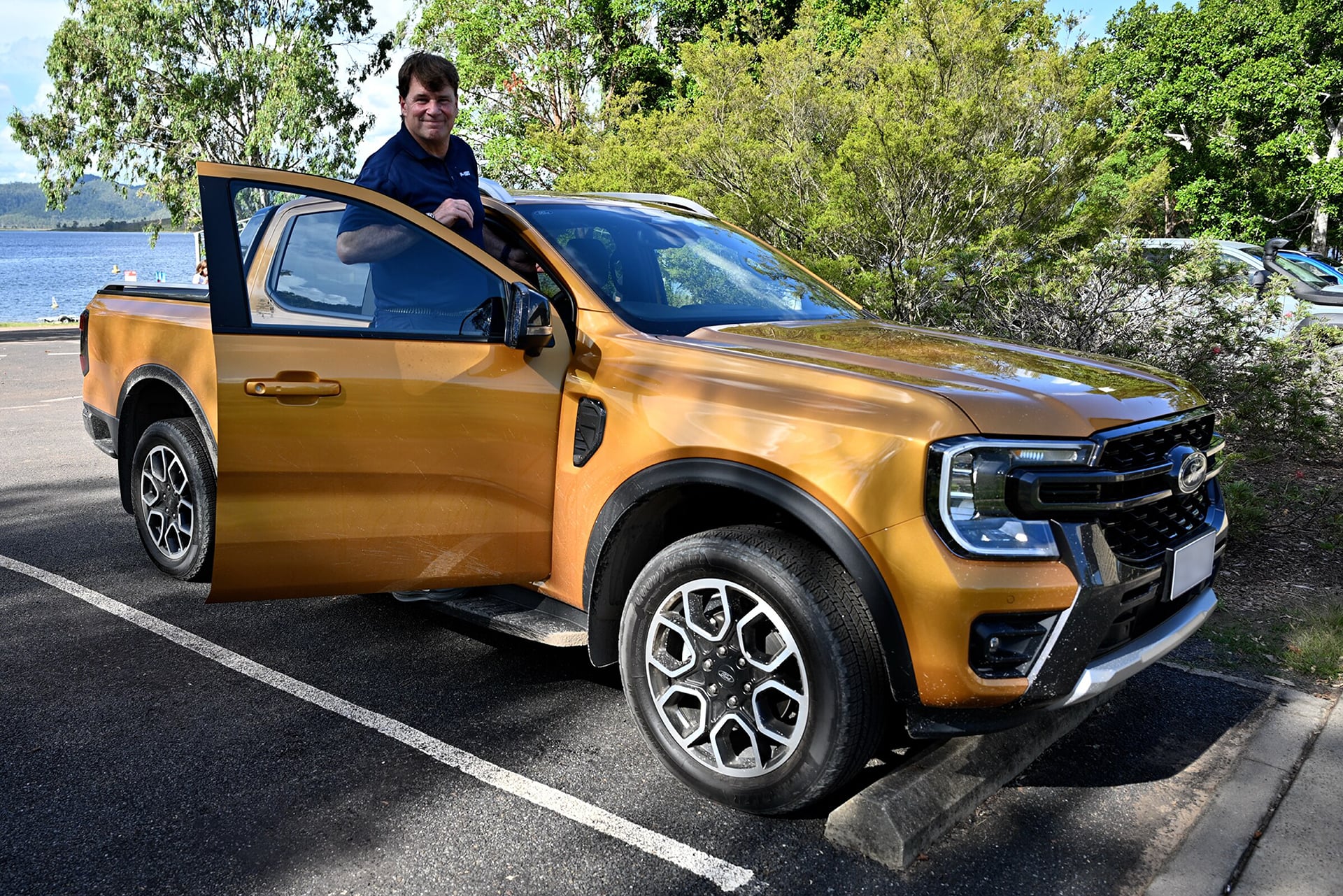
Ford CEO Jim Farley is known for his unusual honesty in handling the company's business (Photo: Ford | Disclosure)
It is not common for an automotive executive to point out his own failures in public. That’s what Jim Farley, president of Ford, did when commenting on a result that, at first glance, would be cause for unrestricted celebration: the brand led the 2026 J.D. Power Initial Quality Study among conventional manufacturers. In an interview with CNBC, Farley said he was “very proud” of an American company surpassing global rivals in initial quality, but added that no one within the company is satisfied and that there is still a lot to do to become a reference in all aspects.
The J.D. Power survey measures the problems reported by owners in the first 90 days of use. Ford reported 152 problems per 100 vehicles, the best among high-volume brands, ahead of Nissan (156) and Buick (162), and below the industry average of 175. It was the largest year-on-year evolution of the study since 1997.
The recognition, however, coexists with an uncomfortable history. Ford continues to lead the industry in recalls: in 2026 alone, there were 56 campaigns, which reached about 12.1 million vehicles — the highest volume in the market in the period. By 2025, the automaker had broken the industry record, with 153 recalls and almost 13 million cars involved.
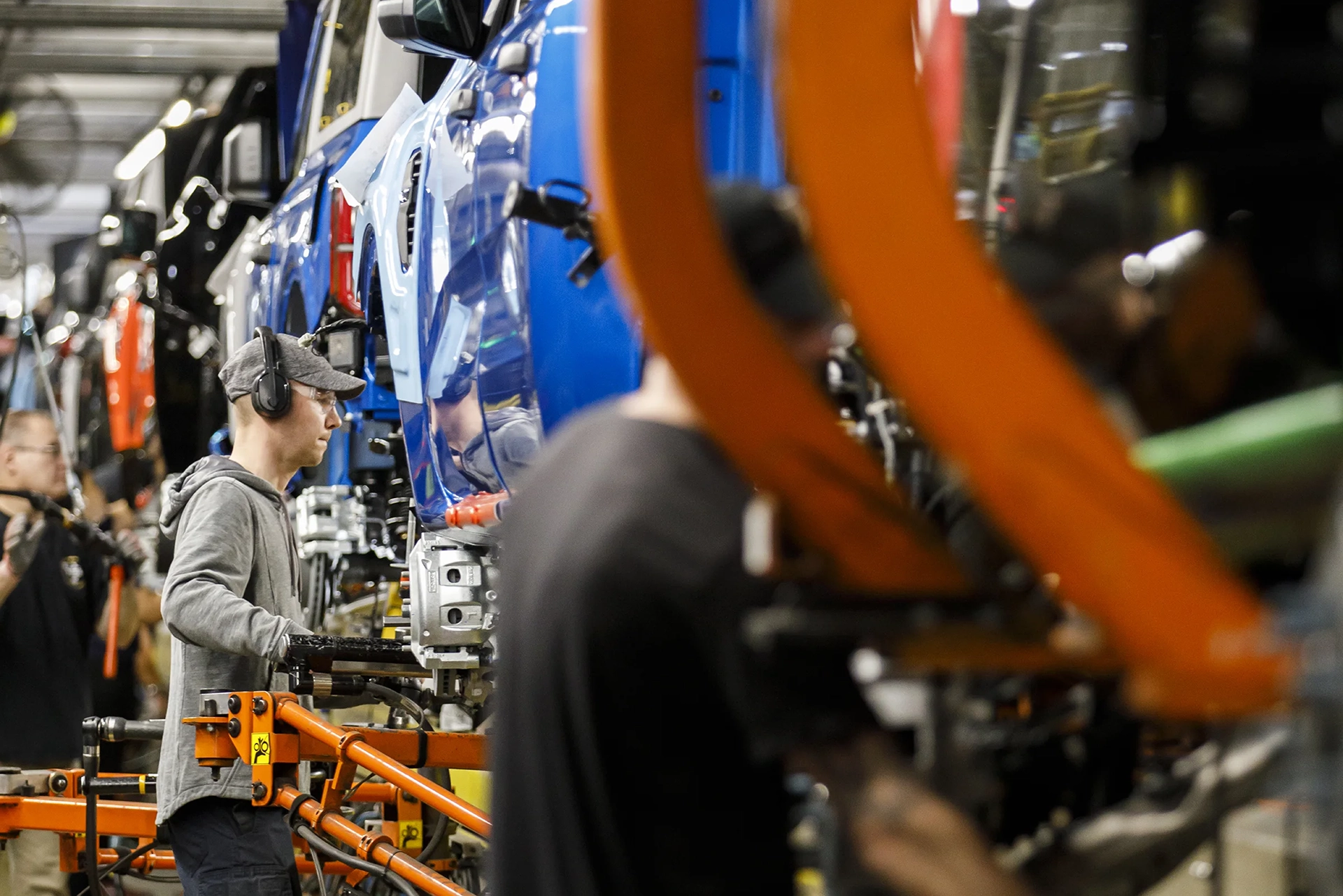
Ford has been suffering damage and reputational stains caused by excessive recalls in the US
Quality problems have accompanied Farley’s management since he took charge in October 2020. In 2023, warranty costs caused a loss of US$ 4.8 billion, the largest in the company’s history. The following year, Ford agreed to pay a $165 million fine to the National Highway Traffic Safety Administration (NHTSA) — the second-largest civil penalty in the agency’s history — for failing to conduct a recall of defective reversing cameras in its fleet on time. The agreement also provided for the review of the campaigns of the previous three years.
Without mincing words
Farley’s outspokenness is not limited to internal problems: the executive has already admitted to having imported a Chinese electric sedan from Xiaomi, the SU7, brought from Shanghai to Chicago, and said he drove it for six months without wanting to return it. For him, the embedded technology of Chinese cars is superior to that of the West – a rare assessment coming from someone who runs one of the largest American manufacturers.
According to Farley, reducing the number of recalls and warranty costs remains among the company’s priorities, and the changes underway since 2023 — with stricter development processes and greater integration between areas — should lead to a significant drop in future campaigns.
Comments are the sole responsibility of their authors and do not represent the opinion of this site. Comments containing profanity or offensive language will not be published. If you identify anything that violates the terms of use, please report it.