


Thief uses Waymo self-driving car as getaway vehicle in San Francisco
Suspect arrived and left the crime scene in an autonomous vehicle, but failures in accessing the data made the investigation difficult
By
Júlia Haddad
Published on 2026-06-12 at 10:00 PM
Published on 2026-06-12 at 10:00 PM
Be the first to comment.
Summarize with:
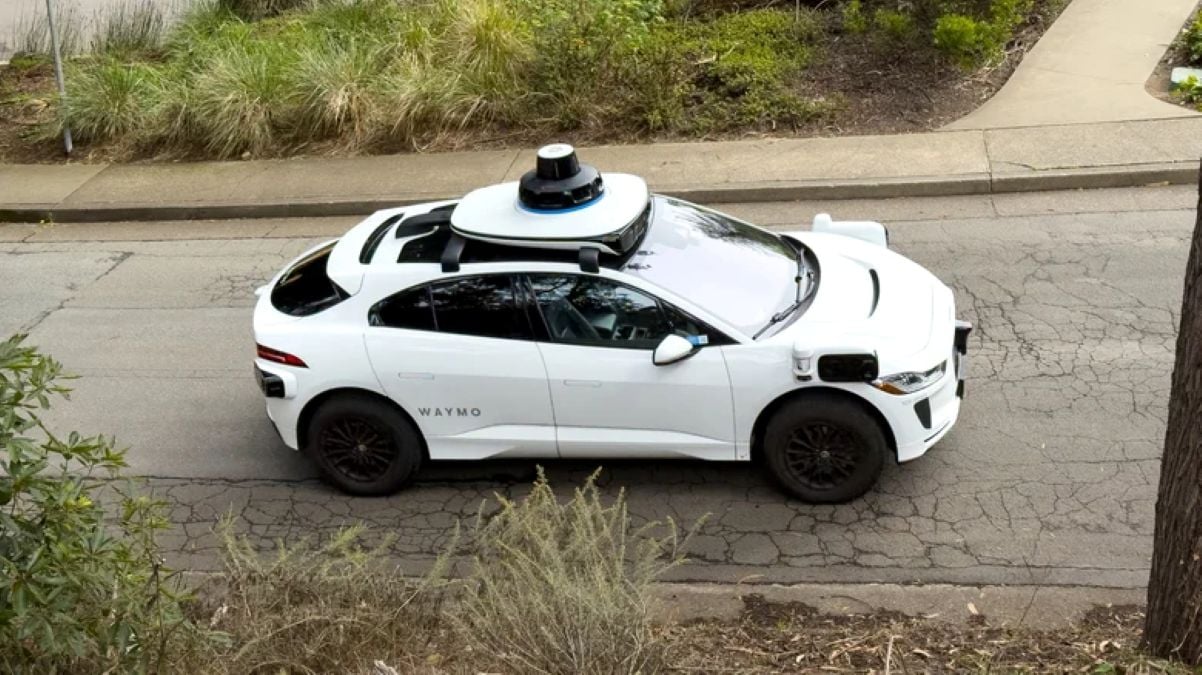
A man used a Waymo robotaxi to get to a yoga studio in San Francisco, commit a theft and flee in the same autonomous vehicle. The episode drew attention less for the choice of means of transport and more for the outcome: even surrounded by cameras, the car did not help the police to identify the perpetrator.
According to the San Francisco Chronicle, the crime happened on a January night and lasted a few minutes. The suspect took an armful of men’s shorts and left the place in the same robotaxi that had transported him to the address.
SEE ALSO:
- Ora 7 is GWM’s new electric car that mixes Beetle front and Porsche lines
- Geely EX5 gets new door handles to avoid problems in accidents, in addition to other details
- Renault Boreal gets a version with hybrid mechanics and 4×4 traction — which will soon arrive in Brazil
Waymo’s self-driving cars, based on the Jaguar I-Pace, are equipped with 29 cameras that cover the interior and the entire surroundings of the vehicle. Since the police already treat these models as surveillance cameras on wheels, obtaining the images should have been simple. It wasn’t.
The warrant to access the ride data was only requested in April, four months after the theft. By the time the authorization came out, Waymo had already deleted the internal recordings. The company handed over the data of the account used to call the car, but they did not take it to anyone — the profile may have been fake or stolen. External images were still available, but with the faces blurred for privacy reasons.
The low priority of the case also weighed. The studio was apparently closed during the theft, with no risk to employees or students, and the material taken had little value — which helps explain the delay in the request for breach of confidentiality. Without internal images and with little evidence, the investigation remains open.
The contrast with an episode from January 2025 is evident. At the time, another thief fled a market in a Waymo robotaxi, but the police located the vehicle on the spot: it was enough to activate the emergency lights for the car to pull over, with the suspect still inside.
SEE MORE ABOUT

0 Comments
Comments are the sole responsibility of their authors and do not represent the opinion of this site. Comments containing profanity or offensive language will not be published. If you identify anything that violates the terms of use, please report it.