

The country’s most expensive toll gets even saltier in July — but soon he will lose his post
Fare rises R$ 1.90 on July 1 and keeps the complex as the most expensive in the country; electronic collection that would divide the amount was left for later
By
Júlia Haddad
Published on 2026-06-26 at 09:00 PM
Published on 2026-06-26 at 09:00 PM
Be the first to comment.
Summarize with:
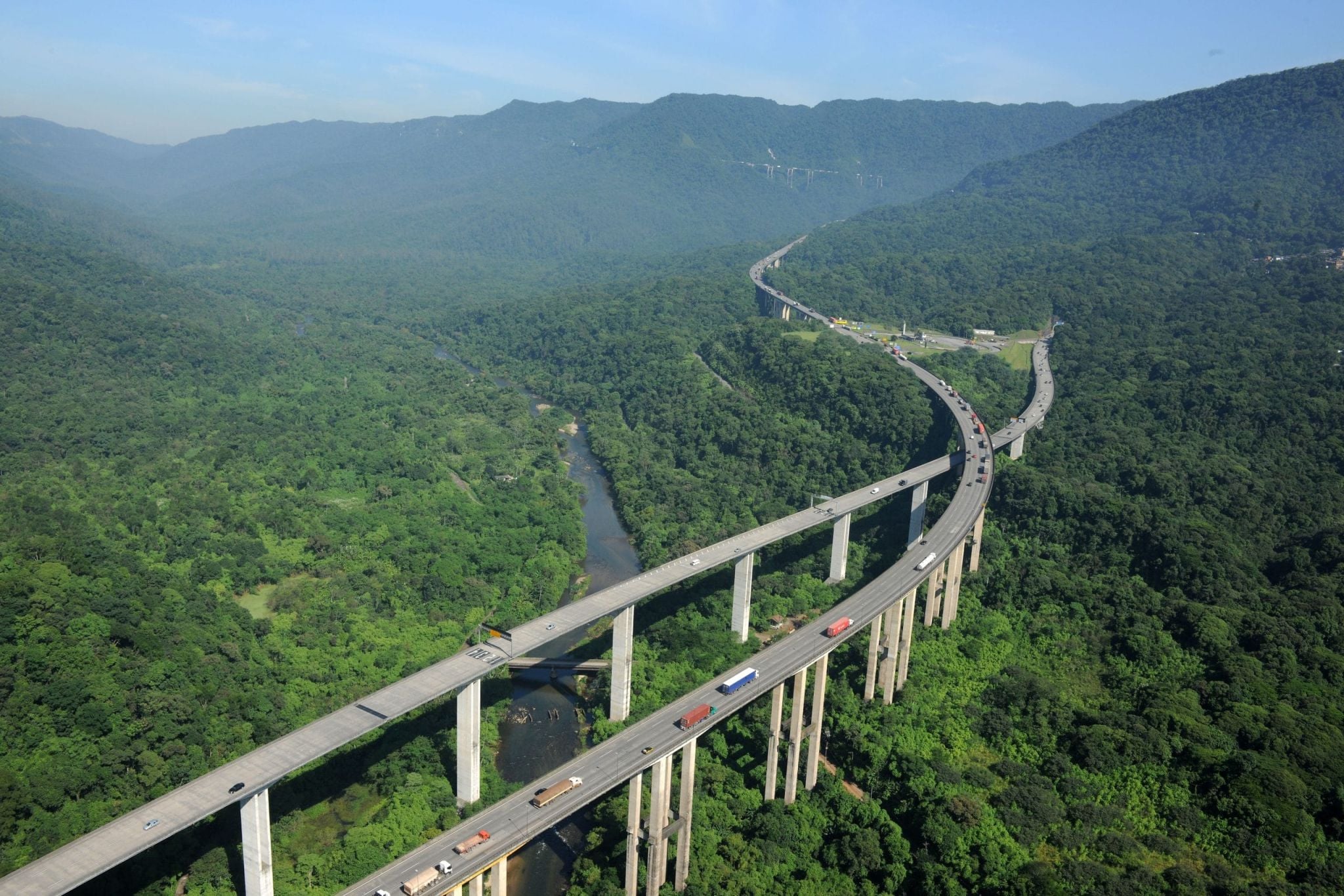
Drivers of the Anchieta-Imigrantes System (SAI) will pay more as of July 1st. Artesp (São Paulo State Transportation Agency) approved a 4.91% increase in the fare, which rises from R$ 38.70 to R$ 40.60 — an increase of R$ 1.90 that keeps the complex as the most expensive toll in Brazil.
Published in the Official State Gazette, the new value makes the main connection between the capital of São Paulo and Baixada Santista more expensive, a 65 km stretch through which about 120 thousand vehicles pass per day. The adjustment is not limited to the SAI: on the Cônego Domênico Rangoni highway, in Santos, the fare rises from R$ 18.30 to R$ 19.20.
The new fare, however, comes before the most awaited change in the system. The debut of the free flow electronic collection, initially scheduled for the same July 1st, was postponed by Ecovias Imigrantes, the concessionaire that manages the highways. In a statement, the company said that it is still carrying out operational tests — which began on June 11 — and that it is waiting for approval and authorization from Artesp to start operating, with no new date set.
When it goes into operation, free flow will replace toll plazas with gantries equipped with cameras and sensors, capable of reading license plates and tags without the need for a stop. The charge, currently made only on the way down to the coast, will be divided between the two directions: R$ 20.30 on the way out and R$ 20.30 on the way back. Even so, part of the physical structures must be maintained temporarily for Operation Convoy, activated by the Military Highway Police on days of intense fog in Serra do Mar.
The model tends to benefit those who use only one section of the system, such as drivers who go down the mountain and return by other routes – including Mogi-Bertioga and Régis Bittencourt – paying only for the direction traveled. Artesp’s expectation is that the technology will reduce the queues recorded on long holidays and in the high season, and the model may be extended to other highways in São Paulo with a lot of movement.
There is also a symbolic effect. With the shared fare, the SAI will no longer be the most expensive toll in the country as soon as the free flow begins: the station would move to the Cujubim portico, on BR-364, in Rondônia, which charges R$ 37 per ticket. Until then, the charge remains concentrated in a single direction, and the full amount of R$ 40.60 continues to be valid for those who go down to the coast.
SEE MORE ABOUT

0 Comments
Comments are the sole responsibility of their authors and do not represent the opinion of this site. Comments containing profanity or offensive language will not be published. If you identify anything that violates the terms of use, please report it.