Mazda, historically one of the biggest proponents of physical buttons on the dashboard, staged a positioning turnaround with the new CX-5 2026. The Japanese automaker, which for years has criticized touchscreens as a source of distraction, now maintains that the technology may actually be safer for the driver.
The justification came from CX-5 program manager Koichiro Yamaguchi. According to him, the traditional arrangement, with lower panels that can bring together 15 switches of similar appearance, forces the driver to look away from the road for a longer time to locate the desired function.
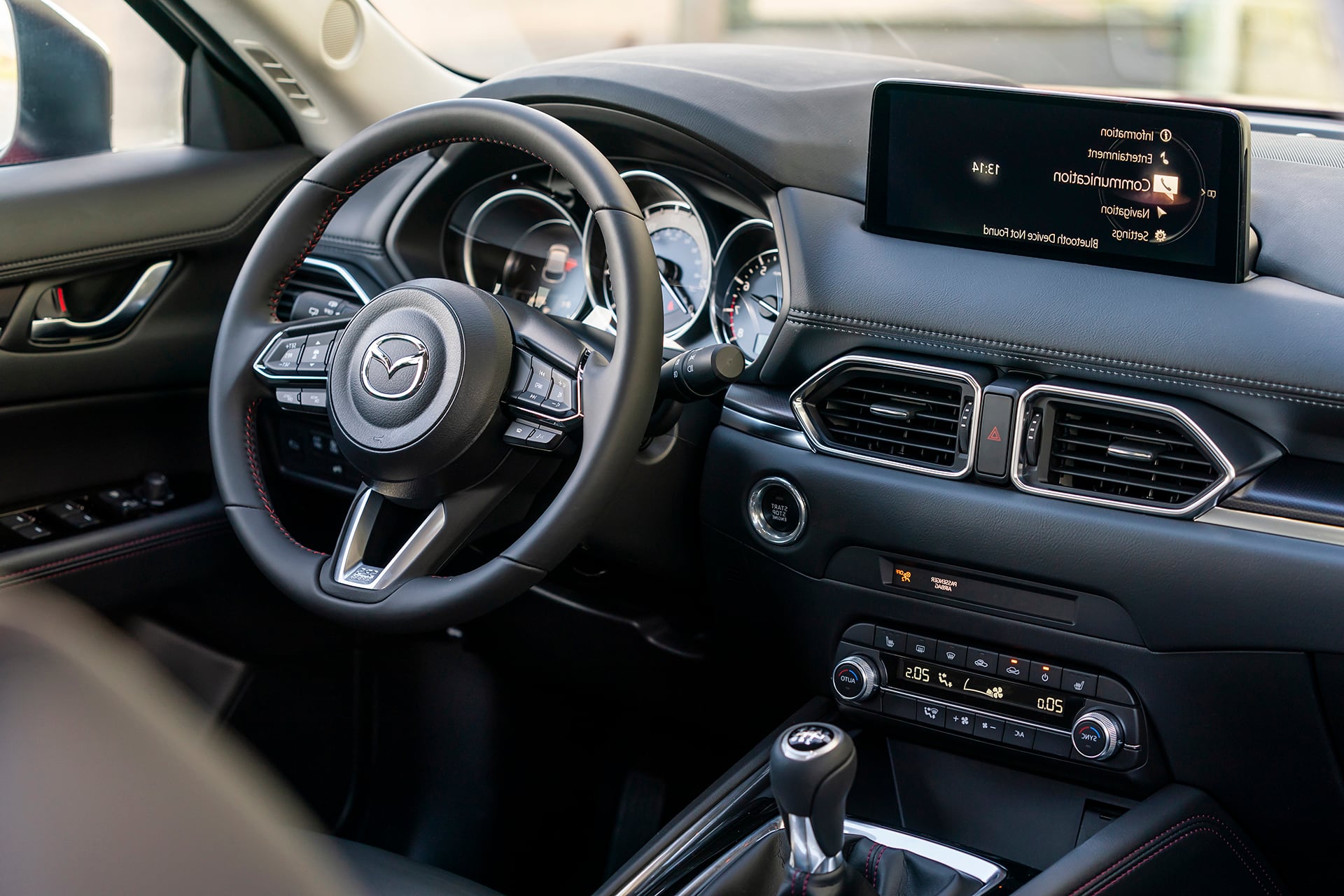
Old generation Mazda CX-5 bets on smaller screens and more accessible buttonsThe turn draws attention because Mazda resisted the giant screen fever for longer than almost any competitor. While much of the industry moved towards glass-dominated panels, the brand insisted on modestly sized power stations controlled by a rotary controller on the console. Not by chance, as soon as the new CX-5 was revealed, much of the repercussion focused precisely on the disappearance of the buttons. With the model, this resistance comes to an end.
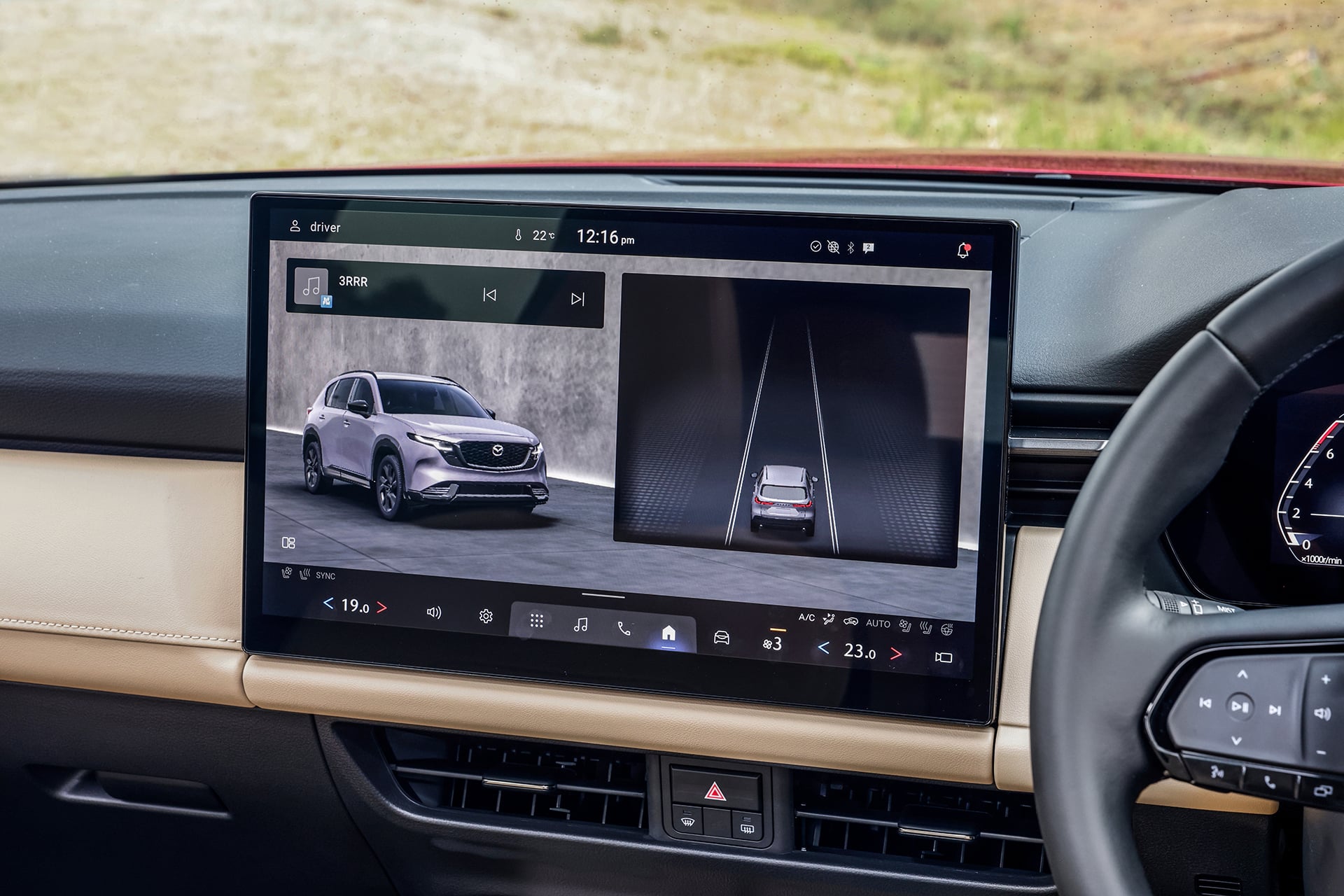
In practice, the brand replaced the old 10.25″ control unit, operated by the rotary controller, with a much larger screen: 12.9″ as standard and 15.6″ in the top-of-the-line version. The set features the integrated Google system, in addition to Apple CarPlay and Android Auto. To reduce the time of eyes off the track, the automaker kept the most frequently used commands on the steering column, such as volume, and started to concentrate the climate control on the display itself.
Yamaguchi’s reasoning is that the higher position of the screen allows the driver to check the functions with a much smaller gaze movement than that required by low buttons, which would reduce cognitive load and attention deviation.
Despite the bet, Mazda adopts a cautious tone. Yamaguchi said the company is willing to listen to customers and does not rule out backtracking, reintroducing buttons, if the public shows a preference or difficulty with the new interface. “We first need the feedback of consumers,” he declared. For now, the strategy is to balance the modernity of the screens with the requirement for safety behind the wheel, at a time when part of the industry, on the other hand, has returned to recovering physical controls.
Comments are the sole responsibility of their authors and do not represent the opinion of this site. Comments containing profanity or offensive language will not be published. If you identify anything that violates the terms of use, please report it.