Getting into a car that has spent hours in the bright sun can feel like opening the door of an oven. To mitigate this effect, many drivers resort to traditional windshield sunscreens. But do they really cool the interior of the vehicle?
A test by the ADAC, Germany’s largest automotive club, shows that the answer is less simple than it seems. The accessory helps, but its main merit is not in “freezing” the cabin. It is more efficient to protect surfaces exposed to the sun, such as the steering wheel, dashboard and gear lever.
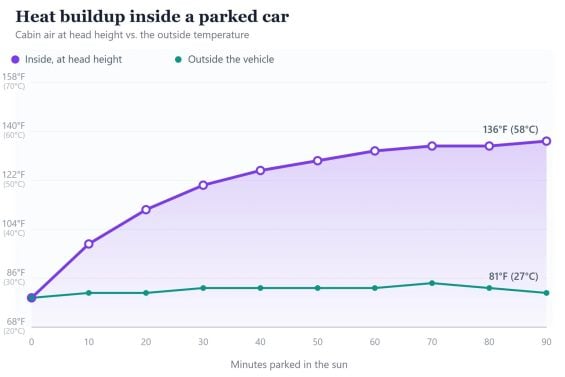
In the test, a car without any protection reached 50°C after 30 minutes of exposure to the sun. After 90 minutes, the internal temperature reached 60°C. Surfaces that receive direct radiation, such as the dashboard, steering wheel and gearbox, can exceed 70°C, at a level sufficient to cause burns in contact with the skin.
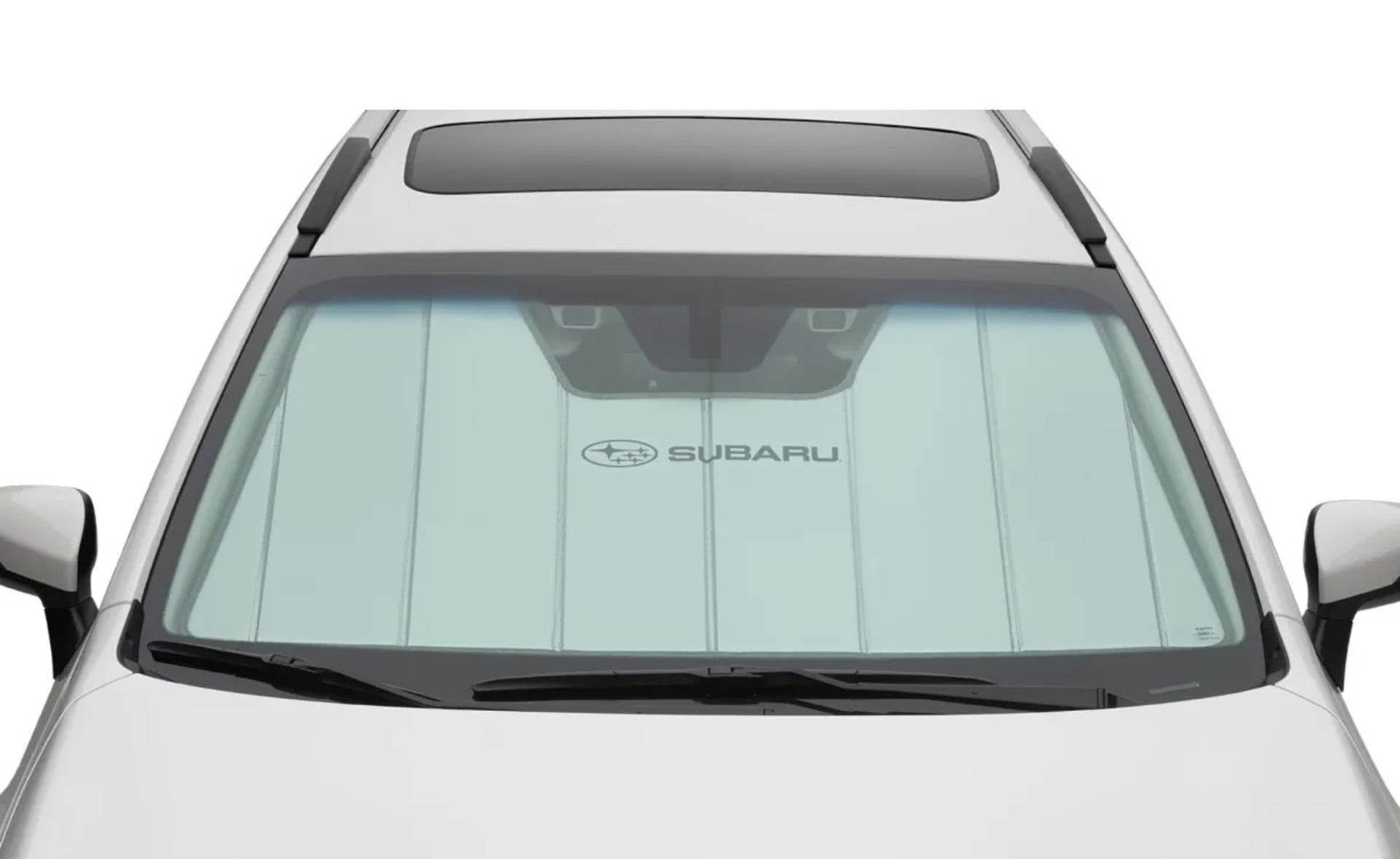
The internal windshield protector, of the accordion or reflective type, reduced the ambient temperature of the cabin by only 4°C. In practice, the result shows that the accessory is far from transforming the interior of the car into a comfortable environment, especially on very hot days.
The most important function appears elsewhere. According to the study, a steering wheel protected from the direct incidence of the sun can be up to 26°C colder than an exposed steering wheel. This difference can separate a car that allows you to drive right after entering from another in which touching the steering wheel becomes an uncomfortable – or even dangerous – experience.
Photo: Mazda | Disclosure
To more effectively reduce the heat inside the car, the ADAC points out that external solutions work best. The explanation is simple: they block radiation before it passes through the glass and is trapped in the cabin. An external covering over the glazed area and part of the ceiling reduced the internal temperature by up to 10°C in the test.
A reflective film positioned on the outside of the windshield also outperformed the interior protector, with an 8°C drop in cabin temperature. A white towel on the dashboard was the least efficient alternative among those evaluated.
The survey also measured the effect of body color. In identical cars, the black model reached 53°C inside, while the white one marked 48°C. Outside, the difference was even greater: the black bodywork reached 65°C, against 44°C in the white bodywork.
Films on the rear windows also help, although they have little effect on the overall temperature of the front of the cabin. The clearest gain is in the rear surfaces: in the test, the back seat reached 57°C without film and stayed at 48°C in the car with tinted windows.
In practice, the best result comes from the combination of measures: use protection on the windshield, give preference to external solutions when possible, keep good quality films on the windows allowed by law and ventilate the car for a few moments before turning on the air conditioning.
Comments are the sole responsibility of their authors and do not represent the opinion of this site. Comments containing profanity or offensive language will not be published. If you identify anything that violates the terms of use, please report it.