Since the popularization of electronic injection, those looking to ‘poison’ their car have options that include, or not, physical modifications to the engines. To organize the complexity of the interventions, the tuning market has agreed to divide it into stages — the so-called stages 1, 2 and 3 — which serve as a guide for the owner on the depth of the changes. Although there is no global technical standardization, the logic follows the progression from electronics to heavy mechanics.
Stage 1
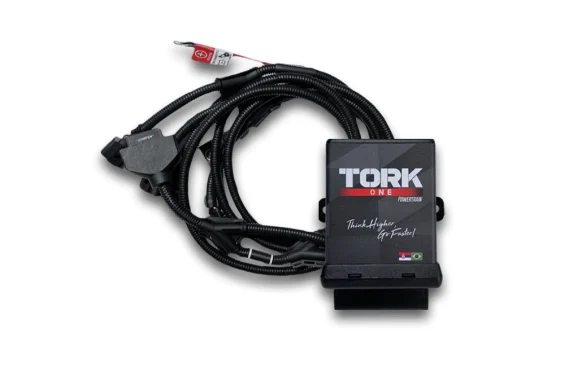
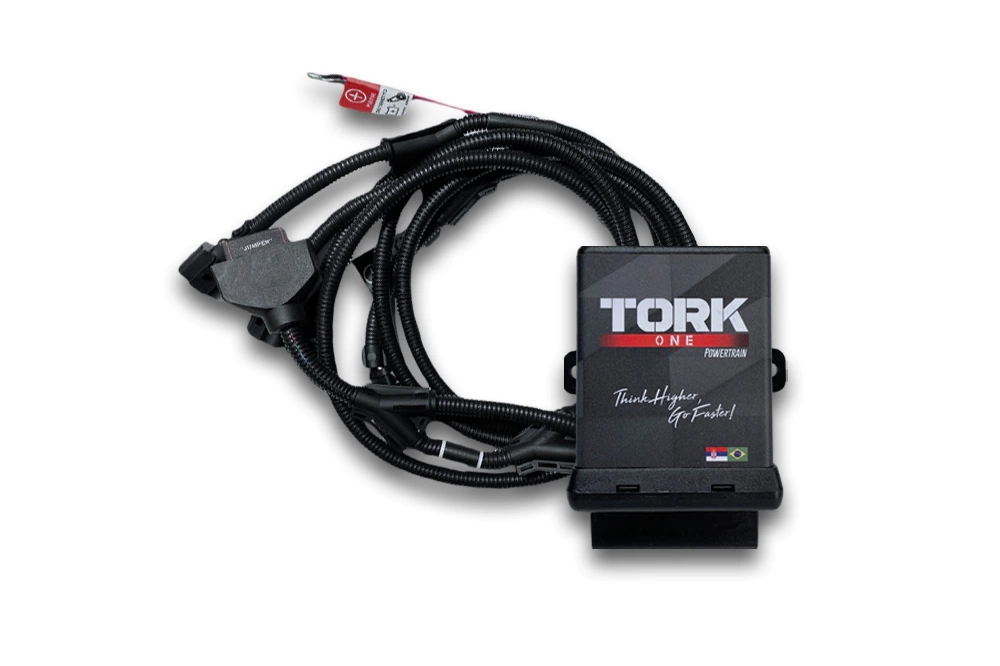
Chips that “unlock” the car’s engine are the most common form of stage 1
Stage 1 is the gateway and focuses essentially on the reprogramming of the Engine Control Unit, the ECU, which commands, via computer, the operation of the propeller. Through the “remap“, ignition, point and fuel pressure parameters are changed, aiming to extract performance reserves left by manufacturers to ensure wide safety margins or compliance with pollutant emission targets. At this level, there is no replacement of physical components, keeping the vehicle with its original appearance and handling, but with gains that can reach 20% in turbocharged engines.
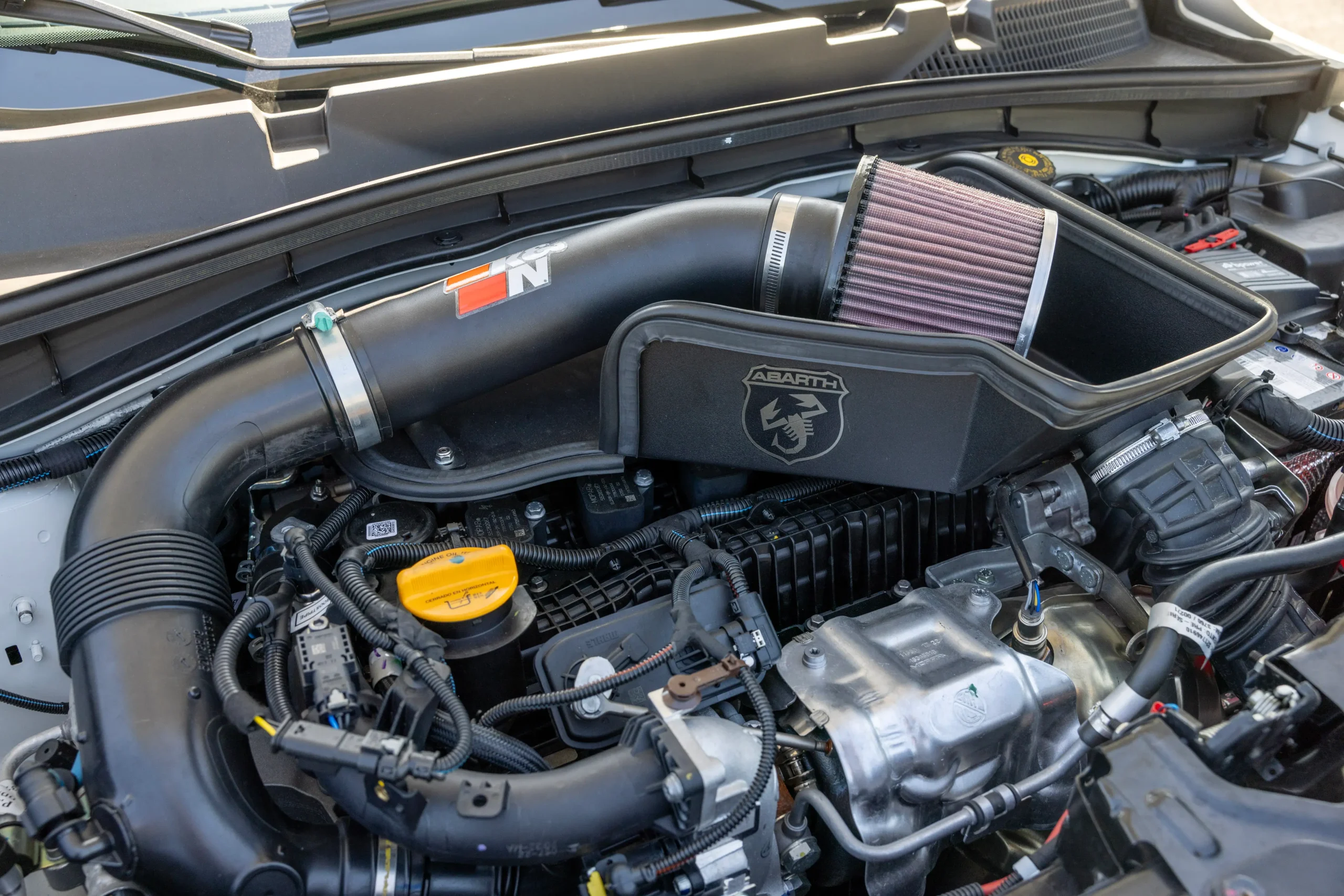
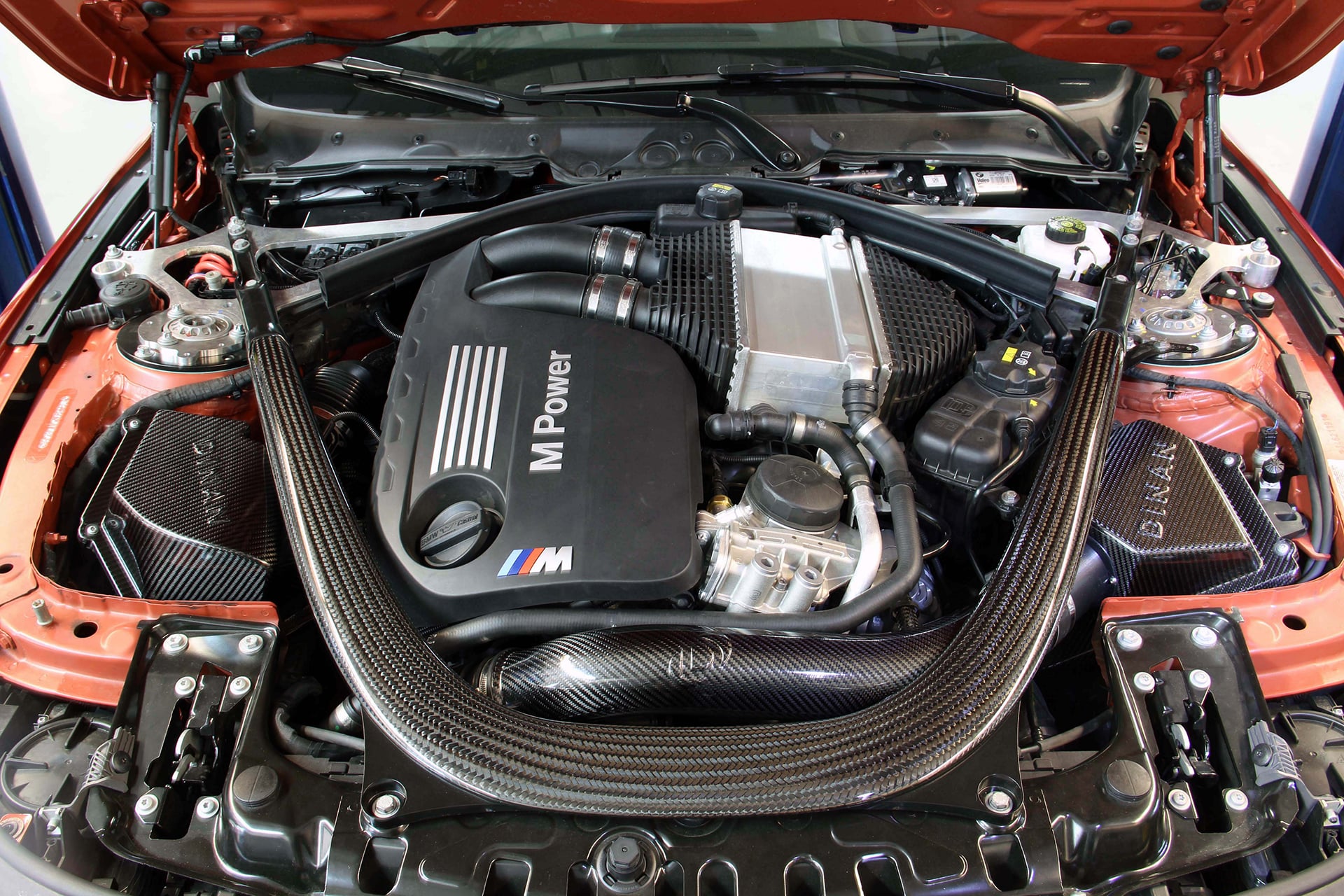
In stage 2, changes under the hood are visible to the naked eye
In stage 2, the goal is to improve airflow and exhaust to sustain electronic gain. The modifications involve the installation of high-flow air filters, less restrictive exhaust systems (such as the “downpipe“) and larger intercoolers in turbo cars. These changes reduce back pressure and intake temperature, allowing the engine to “breathe” better. It is the phase where the balance between reliability and performance begins to require more rigorous maintenance.
Stage 3
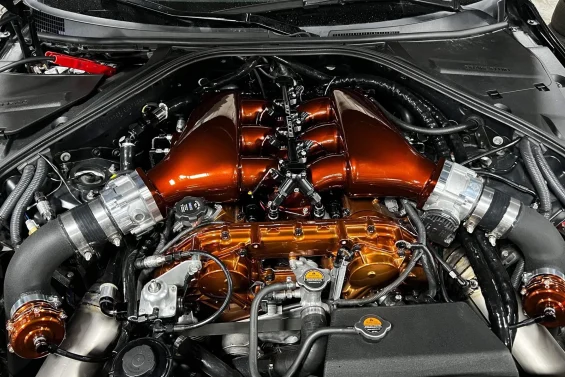
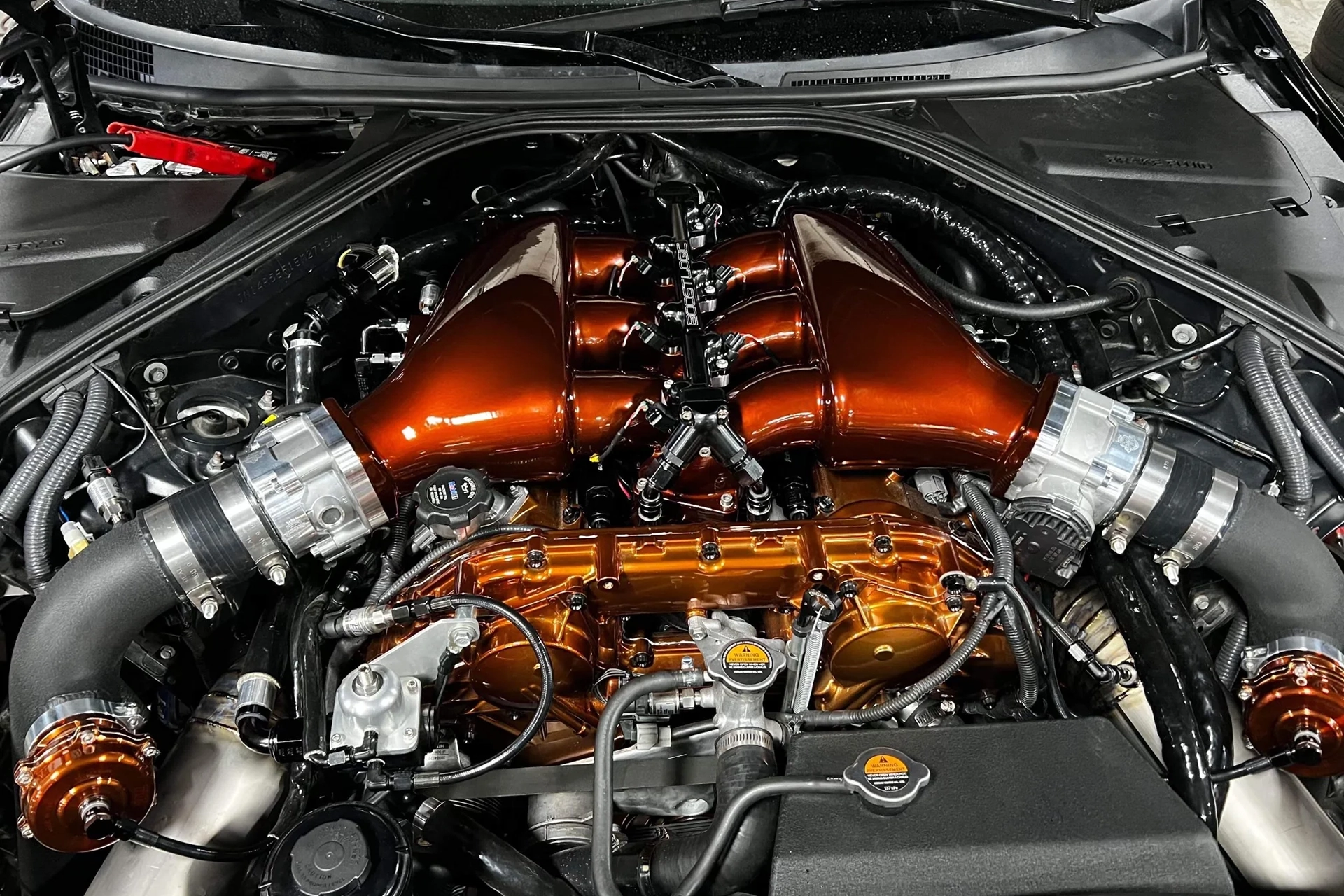
In stage 3, modifications are profound and even include changing pistons and connecting rods
Stage 3, on the other hand, represents deep preparation. Here, the limits of factory components are exceeded, requiring the exchange of turbochargers for larger units, higher flow injector nozzles and, in many cases, the internal reinforcement of pistons and connecting rods. The result is a significant leap in performance, but which often compromises comfort for daily use. It is worth mentioning that any change impacts the factory warranty and must consider the reinforcement of auxiliary systems, such as brakes and suspension.
Comments are the sole responsibility of their authors and do not represent the opinion of this site. Comments containing profanity or offensive language will not be published. If you identify anything that violates the terms of use, please report it.