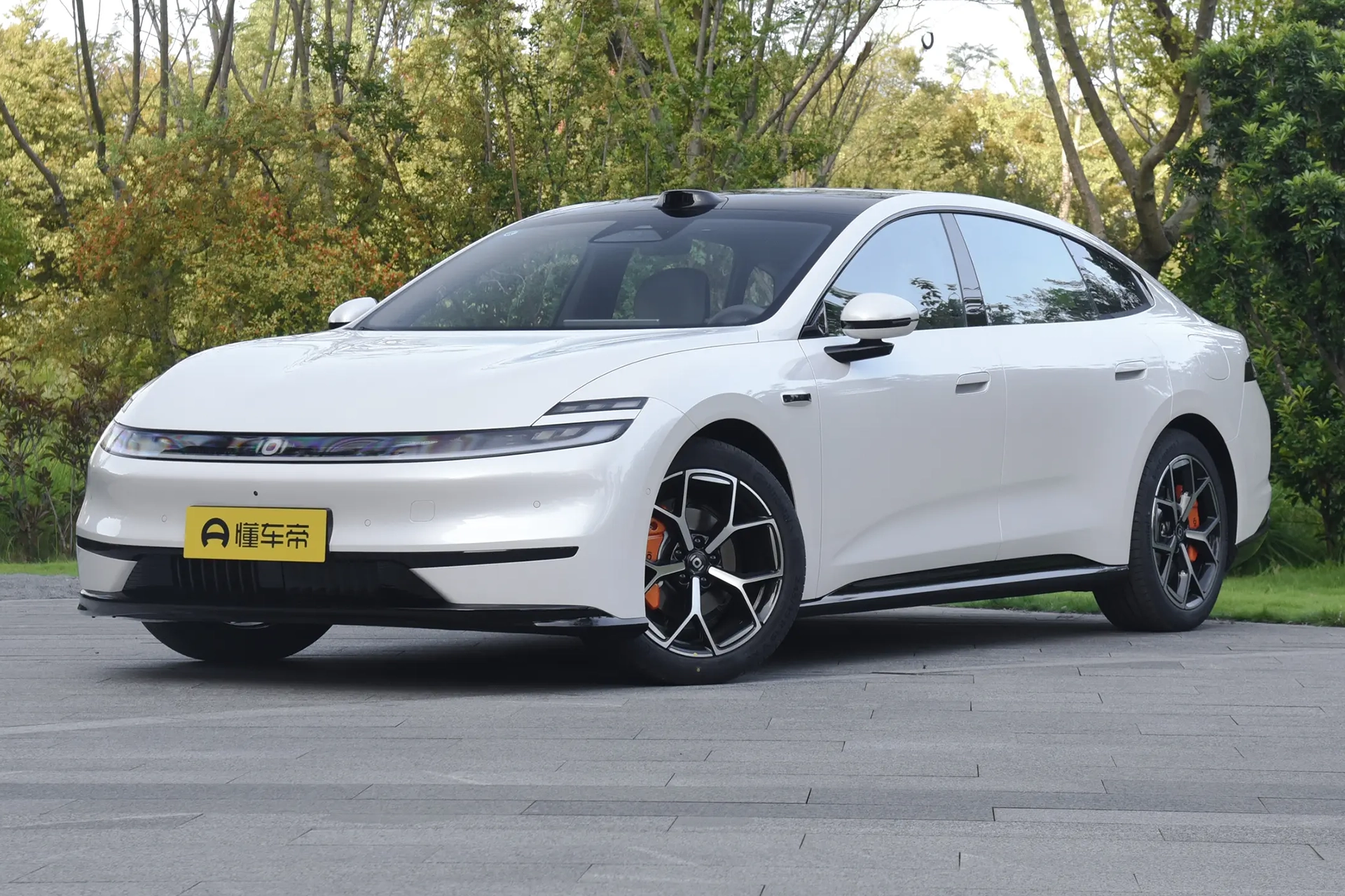
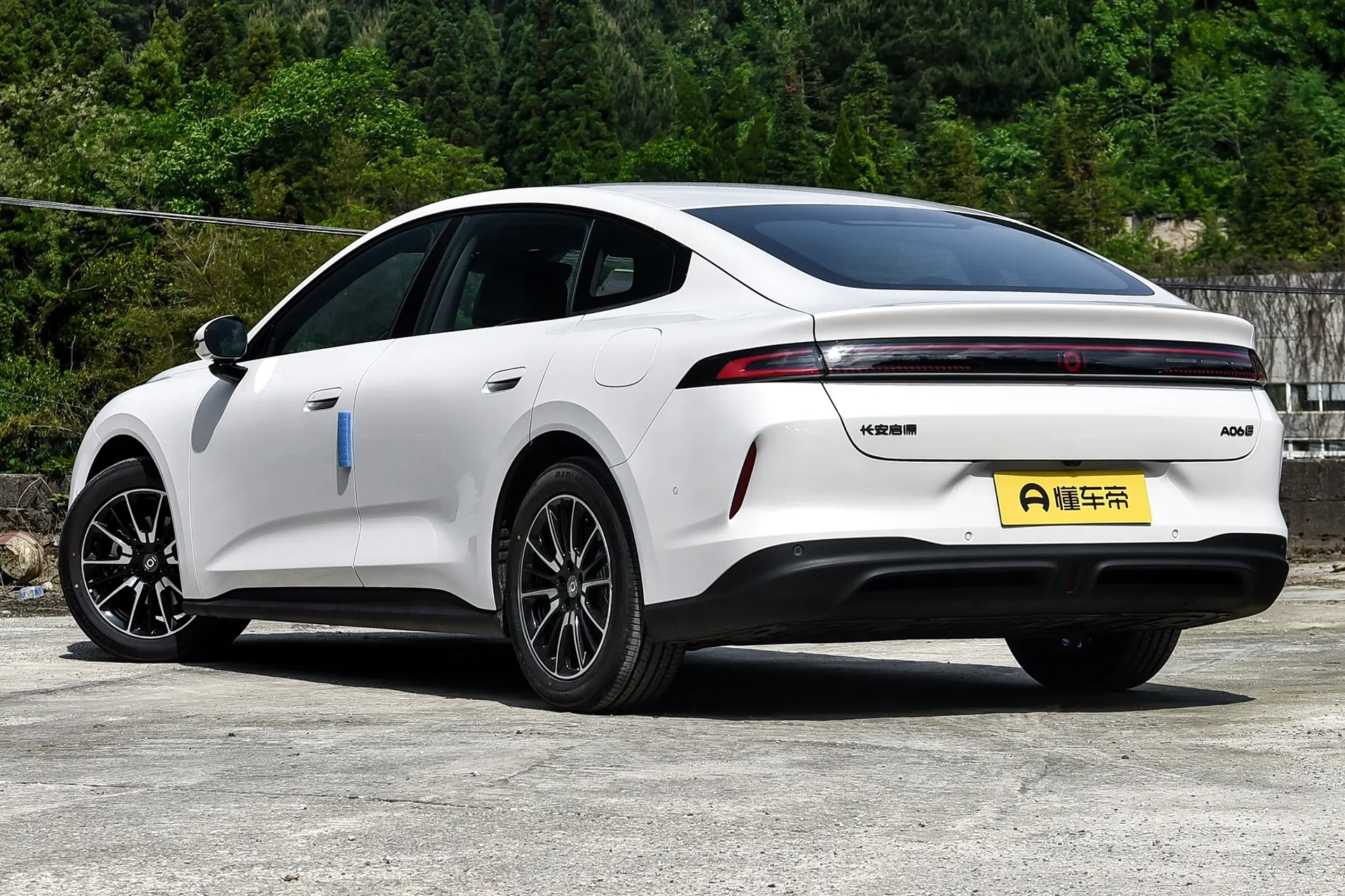
Every time winter hits hard, electric car owners around the world suffer from the same drama: the vehicle’s autonomy plummets in the cold. It is with this in mind that the world’s first production electric car with a sodium-ion battery arrived on the market: the technology’s great asset is precisely that it can withstand extreme temperatures almost without losing charge.
The debut is the Changan Nevo A06, a sedan that will be sold in China with the Naxtra battery, from CATL, the largest battery manufacturer in the world. The package has 45 kWh and yields about 400 km in the Chinese CLTC cycle, in a number similar to that of entry-level electric vehicles. The difference appears in the cold: in tests in Inner Mongolia, the battery maintained more than 90% of its capacity at -40°C, charged at -30°C and continued to operate at up to -50°C. In conventional batteries, the loss of charge reaches 50% in similar situations.
(Photo: Dongchedi | Disclosure)
Advantages and disadvantages of sodium
Sodium has clear strengths: it is about a thousand times more abundant than lithium and can be extracted in various regions of the planet, which reduces dependence on a few suppliers. The cells dispense lithium, cobalt, and nickel, tend to be safer (lower risk of fire), and of course, do much better in the cold.
The weak point is the energy density: sodium batteries store less energy per kilogram (somewhere between 100 and 175 Wh/kg, compared to 150 to 350 Wh/kg for lithium). In practice, this means less range or larger, heavier packages in EVs. Therefore, the technology should shine first in urban and shorter-range cars.
The price, however, may be another highlight: as it uses cheap and abundant raw material, sodium promises to lower the price of electric batteries although, for now, the cost is practically tied with that of the most affordable lithium batteries. CATL projects to reach this parity in 2026, but industry analysts differ on the pace. Medium-term estimates point to values in the range of US$ 40 to US$ 50 per kWh as production scales up.
Comments are the sole responsibility of their authors and do not represent the opinion of this site. Comments containing profanity or offensive language will not be published. If you identify anything that violates the terms of use, please report it.