New Sandero hybrid delivers sports car power and consumption of 30 km/l
Dacia's European model debuts together with 158 hp and impressive efficiency. Technology, however, should move away from Brazil and Renault Kardian
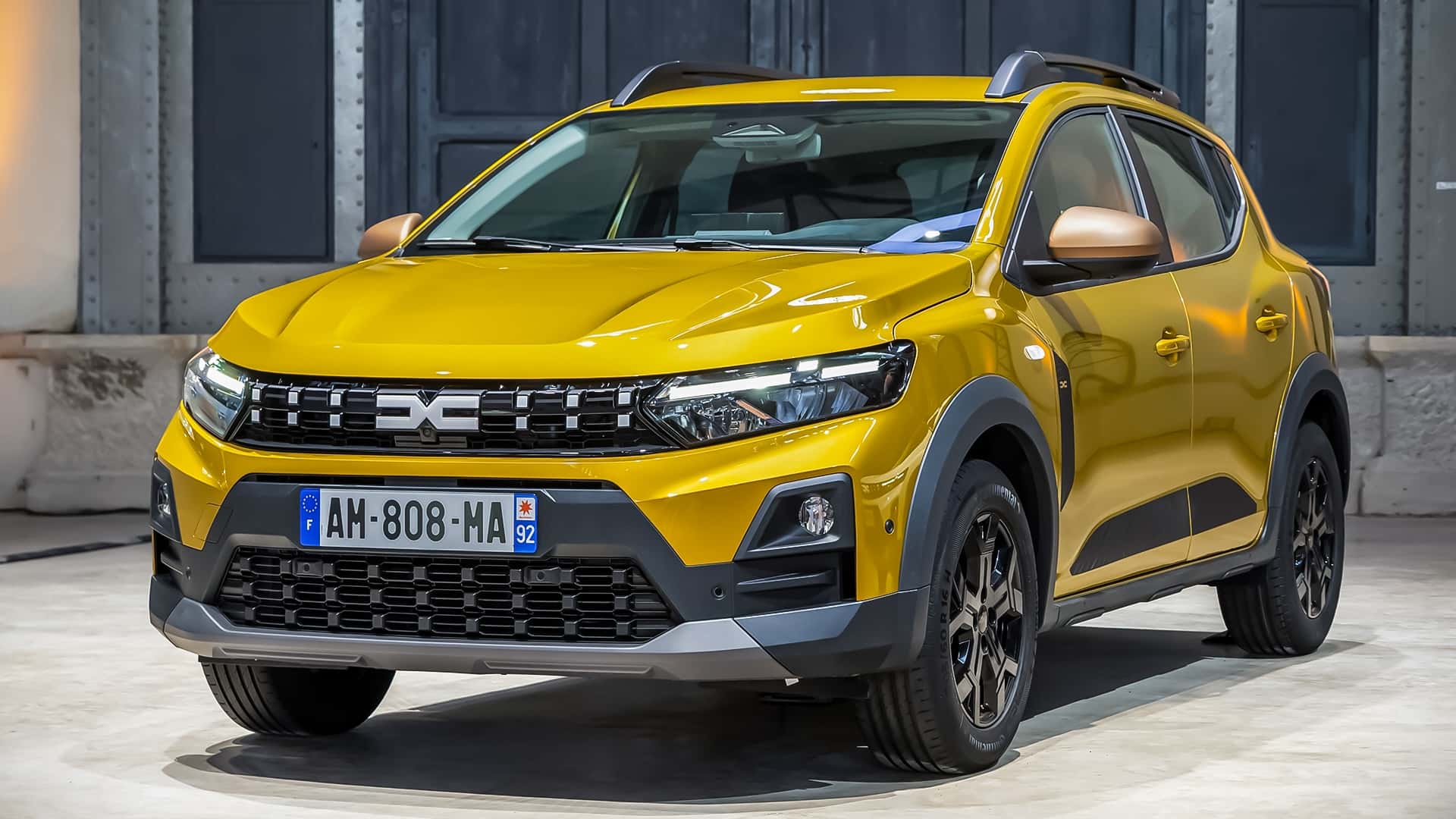
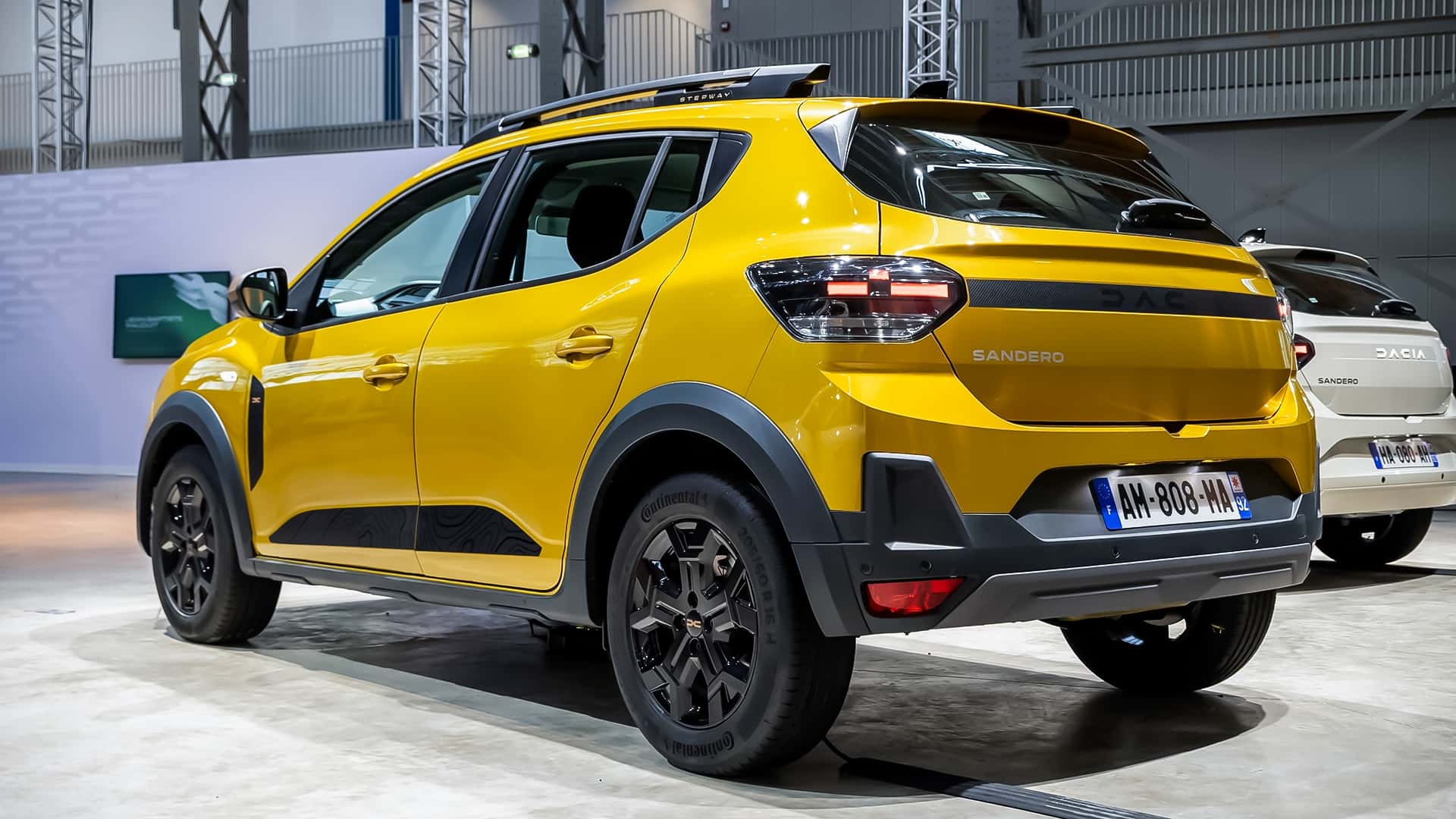
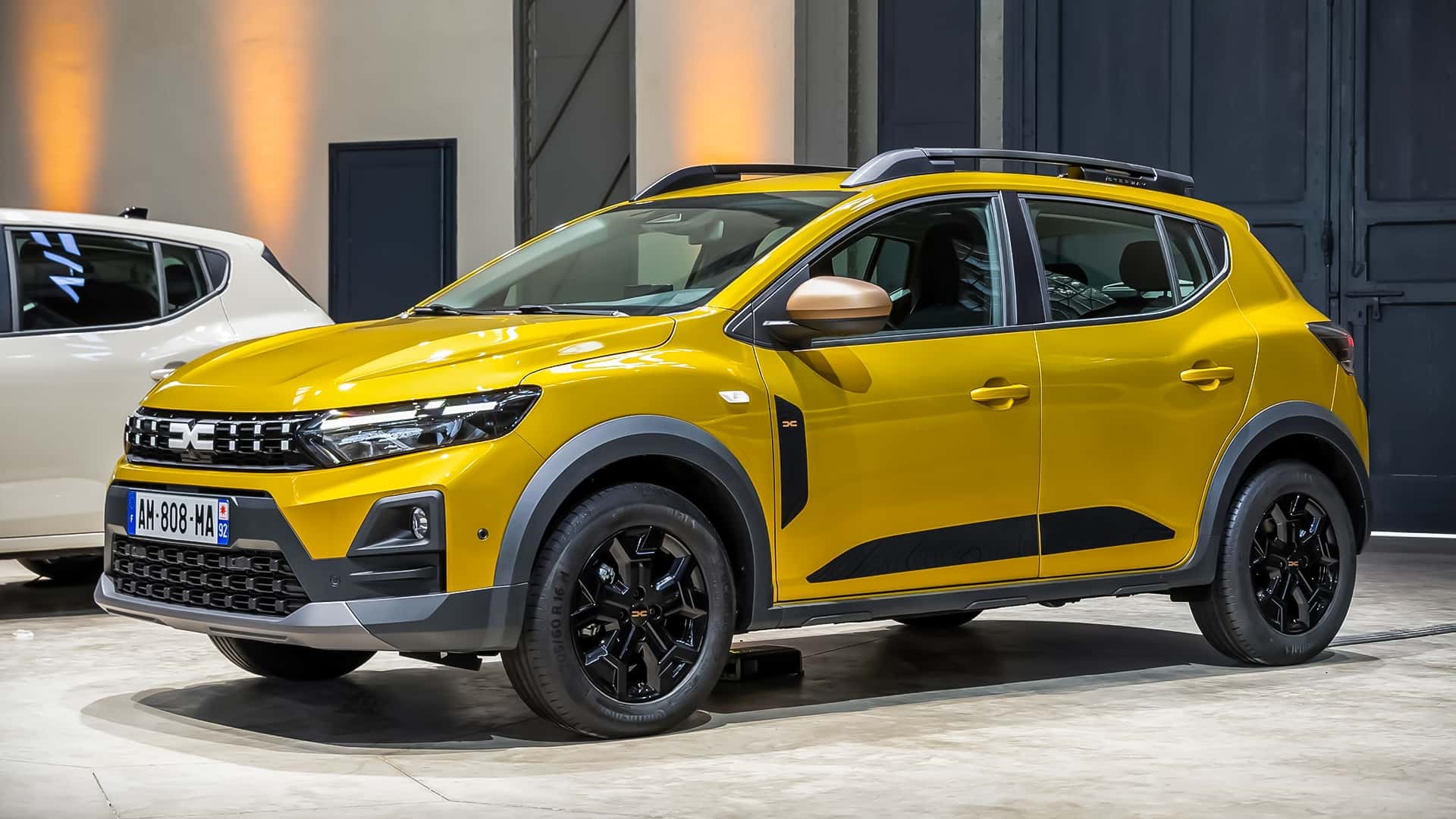
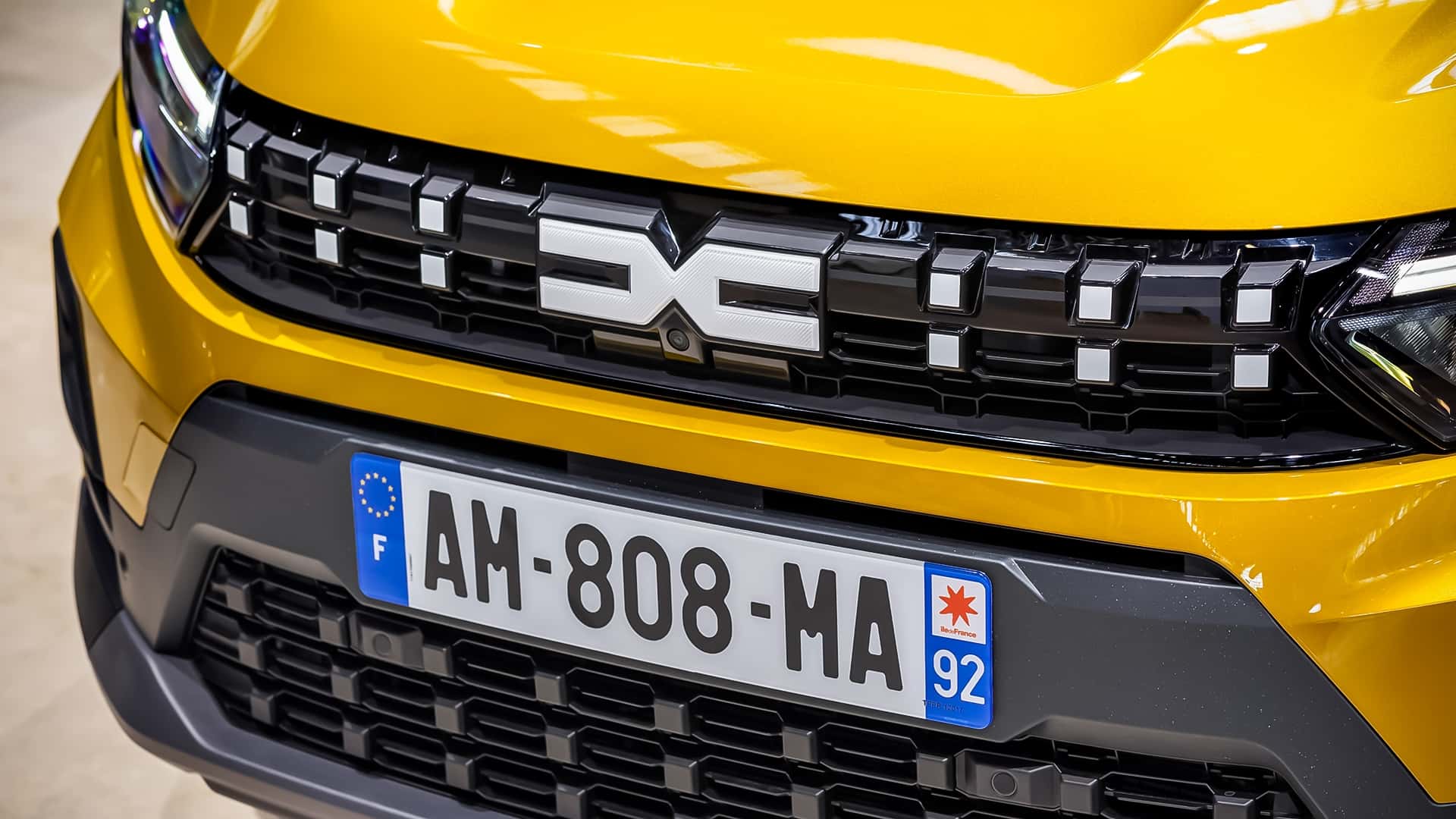
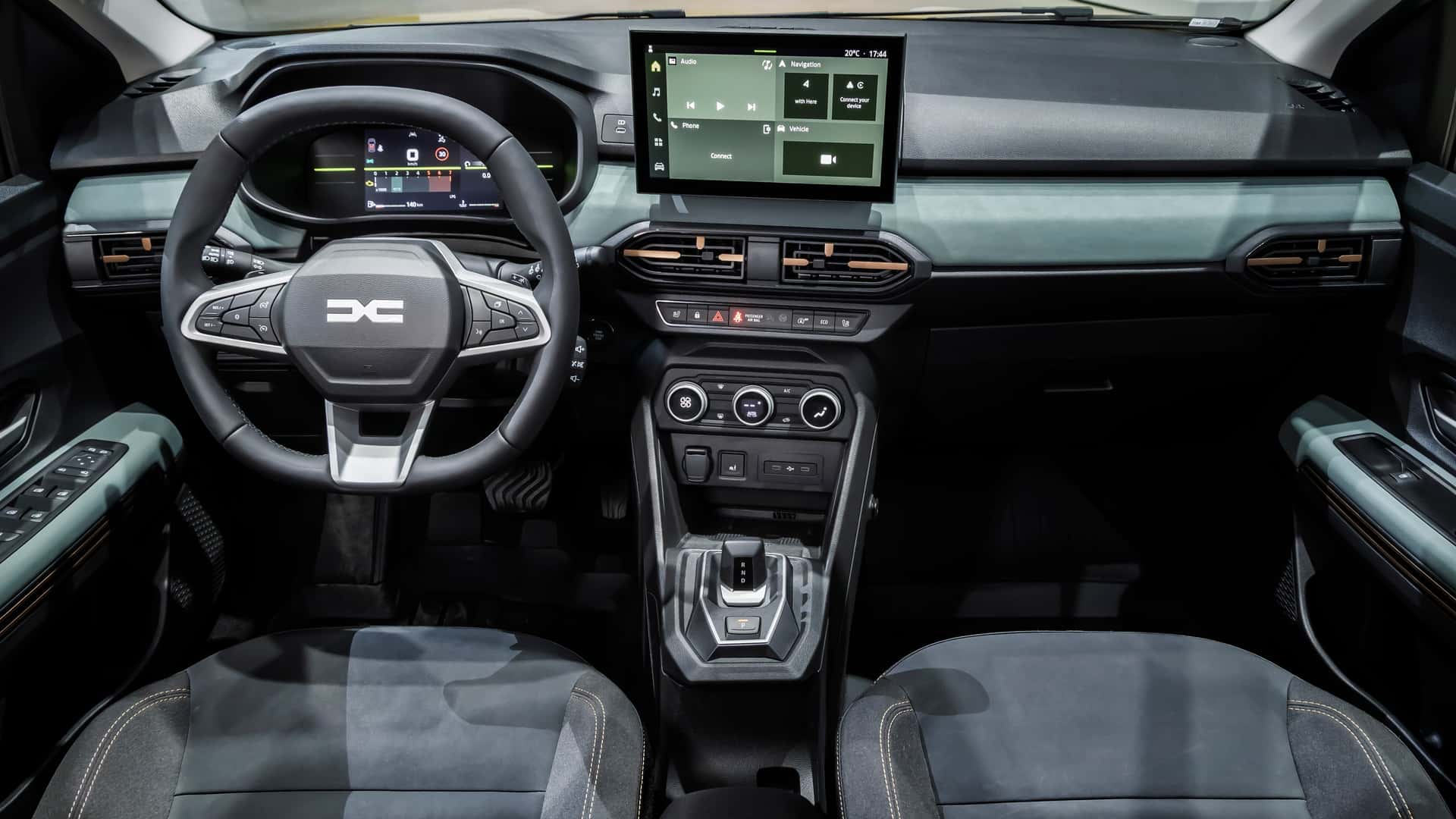
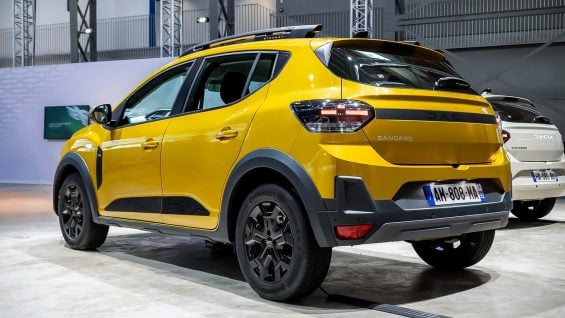
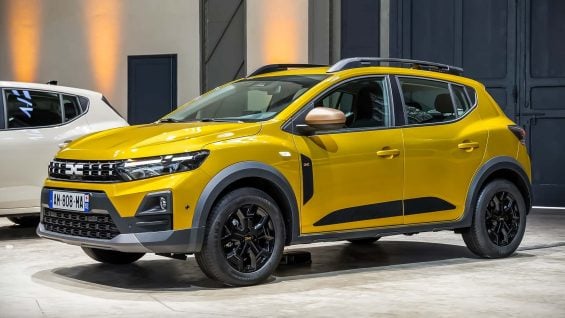
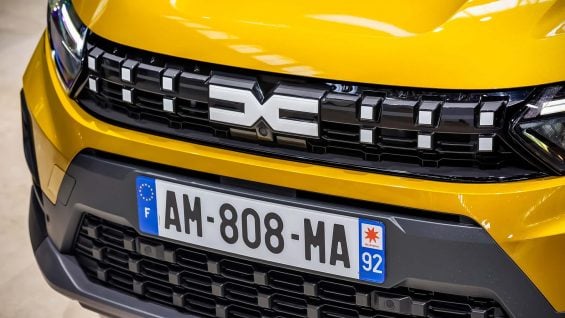
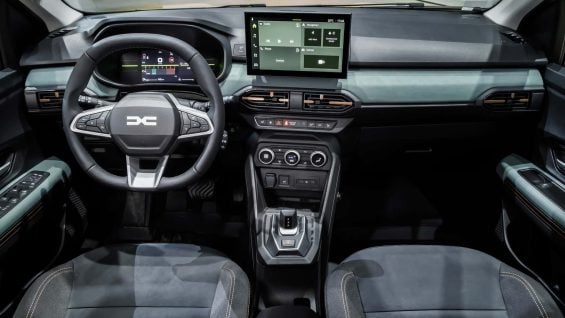
With Dacia's new visual identity, the Sandero Stepway displays a robust look and "pixel" headlights in the electrified version that will not come to Brazil. (Photos: Dacia | Disclosure)
Out of the Brazilian market since the farewell of the Stepway in 2025, the Sandero remains firm in its current generation in Europe — and has just debuted its first electrified engine there. After a facelift that aligned the hatch with Dacia’s new visual identity, the compact gained the Hybrid 155 version, whose set yields 155 hp of combined power and puts the model at an unprecedented level of performance for the line, above the 150 hp of the late Sandero RS that made history here.
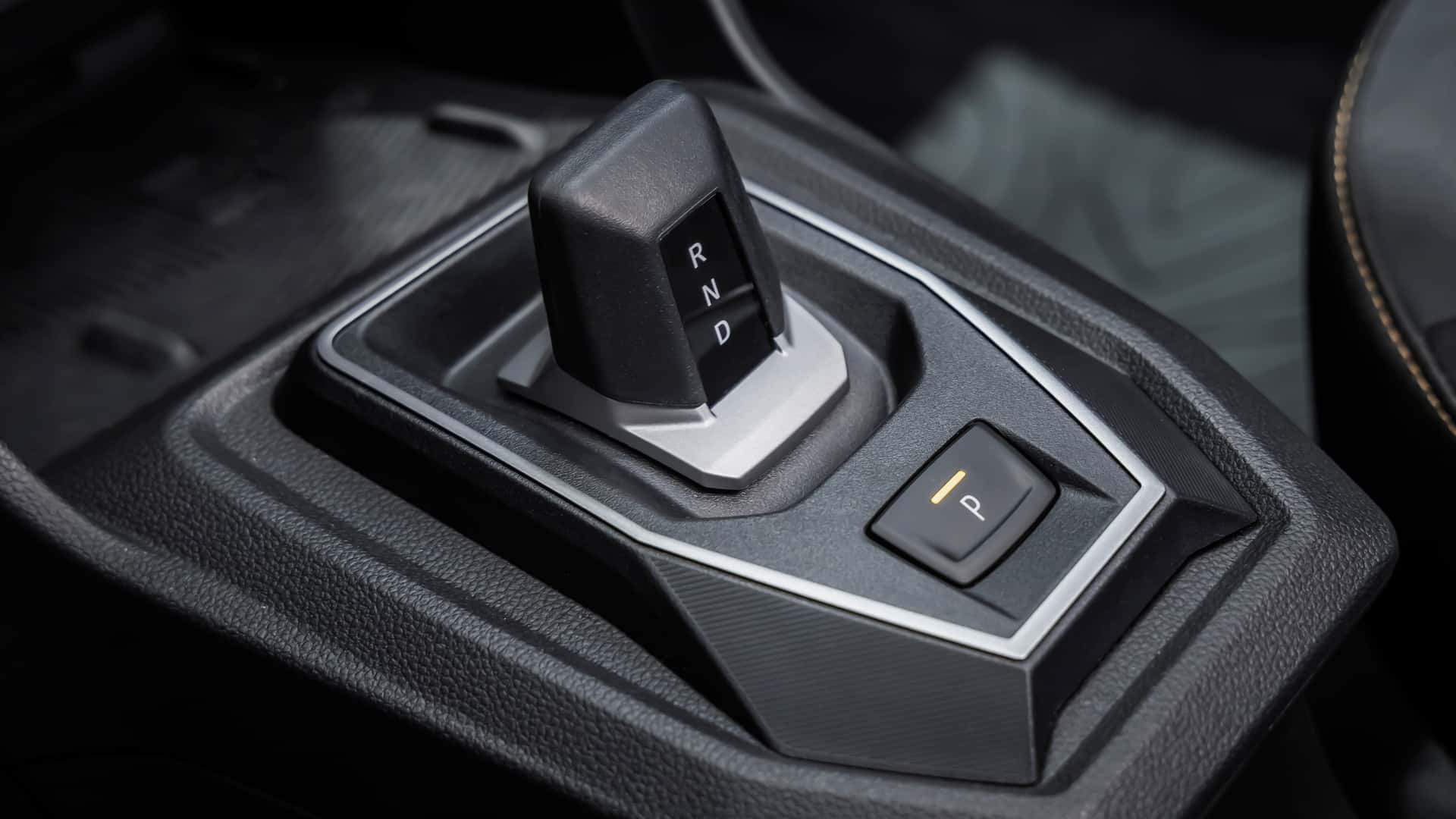
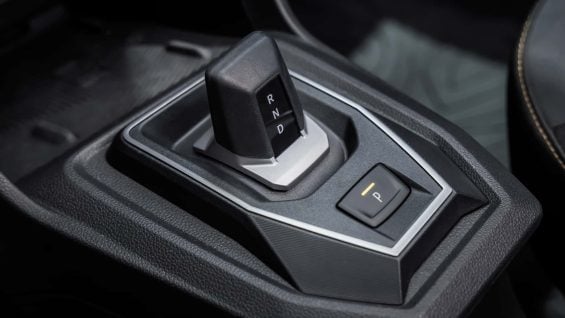
The system unites a 1.8-liter aspirated four-cylinder engine, with Atkinson cycle and 109 hp, with two electric propulsions — one main, responsible for traction, and another that acts as a generator and starter motor — powered by a 1.4 kWh battery. The transmission is multimode automatic, without conventional clutch. Developed by Horse, the engine arm of the Renault Group, the same architecture already equips Duster, Jogger and Bigster. The result allows it to accelerate from 0 to 100 km/h in 8.3 seconds.
More than performance, however, the real trump card of the version is in efficiency. As the hybrid always starts in electric mode and can run most of the time on battery alone in urban commutes, consumption in the city reaches an astonishing 30.3 km/l by the European WLTP cycle. In the combined average, the homologated index is 4.2 l/100 km — about 23.8 km/l — with emissions of 96 g/km of CO₂, enough to guarantee the ECO environmental seal in Europe. Prices start at 19,890 euros.
The chances of seeing this hybrid Sandero circulating on Brazilian streets, however, are practically nil. Renault, which replaced its entry-level range with the Kardian, adopts a different strategy for South America. While the Europeans are betting on Dacia’s full hybrid, the French manufacturer is preparing for Brazil a 48-volt electrification aimed at all-wheel drive on demand, called e-4WD — an arrangement in which an electric motor installed on the rear axle dispenses with the cardan and reduces consumption in the city.
The solution, scheduled to debut around 2027, arrives first at the Boreal SUV and, secondly, at the Niagara pickup, both supported by the 1.3 turbo flex engine. For Kardian, the expectation is for an even simpler package. Thus, although the European Sandero impresses with its technology and numbers, it ends up serving as a mirror of the technical distance that today separates the brand’s portfolio in the Old Continent from solutions designed exclusively for the South American market.
Comments are the sole responsibility of their authors and do not represent the opinion of this site. Comments containing profanity or offensive language will not be published. If you identify anything that violates the terms of use, please report it.