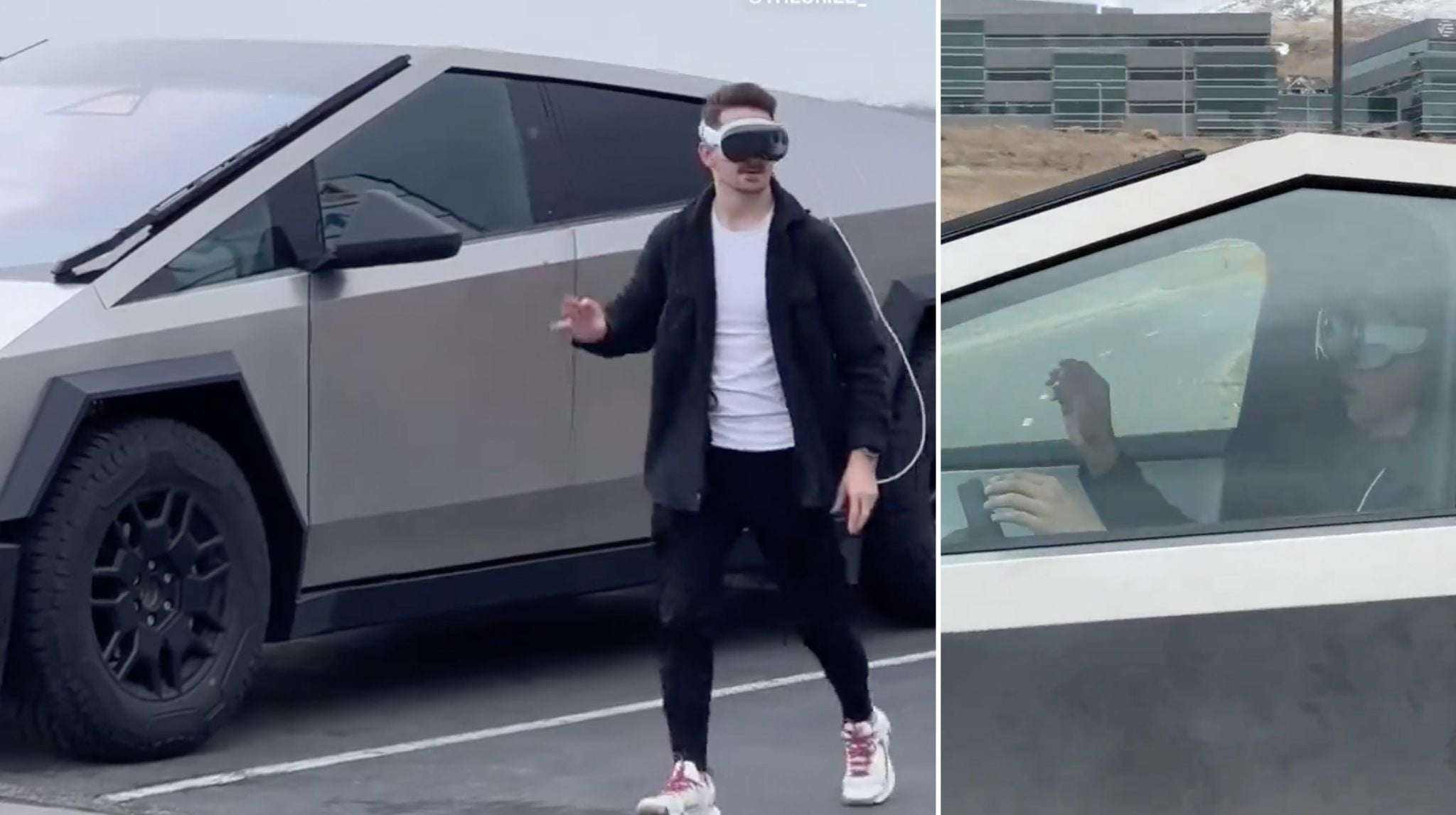
The Commission on Traffic and Transport (CVT) of the Chamber of Deputies approved, on Thursday (25), the bill that creates rules for the sale and use of smart glasses equipped with artificial intelligence – including behind the wheel. According to the approved text, the driver will only be able to use the device while driving in a “driving mode”, restricted to navigation, driving assistance or assistive technology features. Irregular use will be framed as a very serious infraction, with suspension of the license and a fine multiplied by three.
PL 19/2026, by Deputy Carlos Zarattini (PT-SP), was approved with an amendment by the rapporteur, Deputy Gilberto Abramo (Republicanos-MG). The approved version changes the original project, which provided for the total prohibition of these devices behind the wheel.
In the initial proposal, the use of AI glasses while driving would be completely prohibited, with the creation of specific articles in the Traffic Code (252-A to 252-C). The driver caught would have the vehicle retained until the irregularity ceased, a fine multiplied by five and, in case of recurrence in 12 months, the revocation of the license. The rapporteur softened the punishments and reversed the logic: instead of banning the device, he chose to veto the effect – the obstruction of the field of vision.
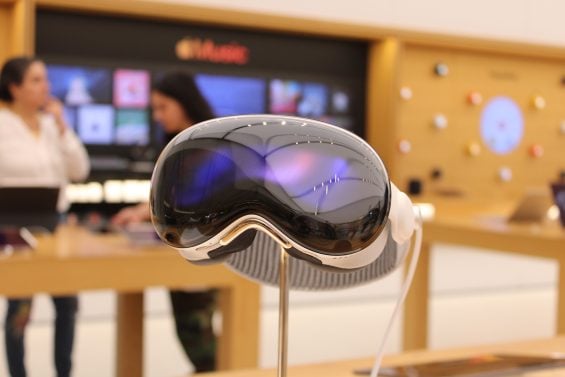
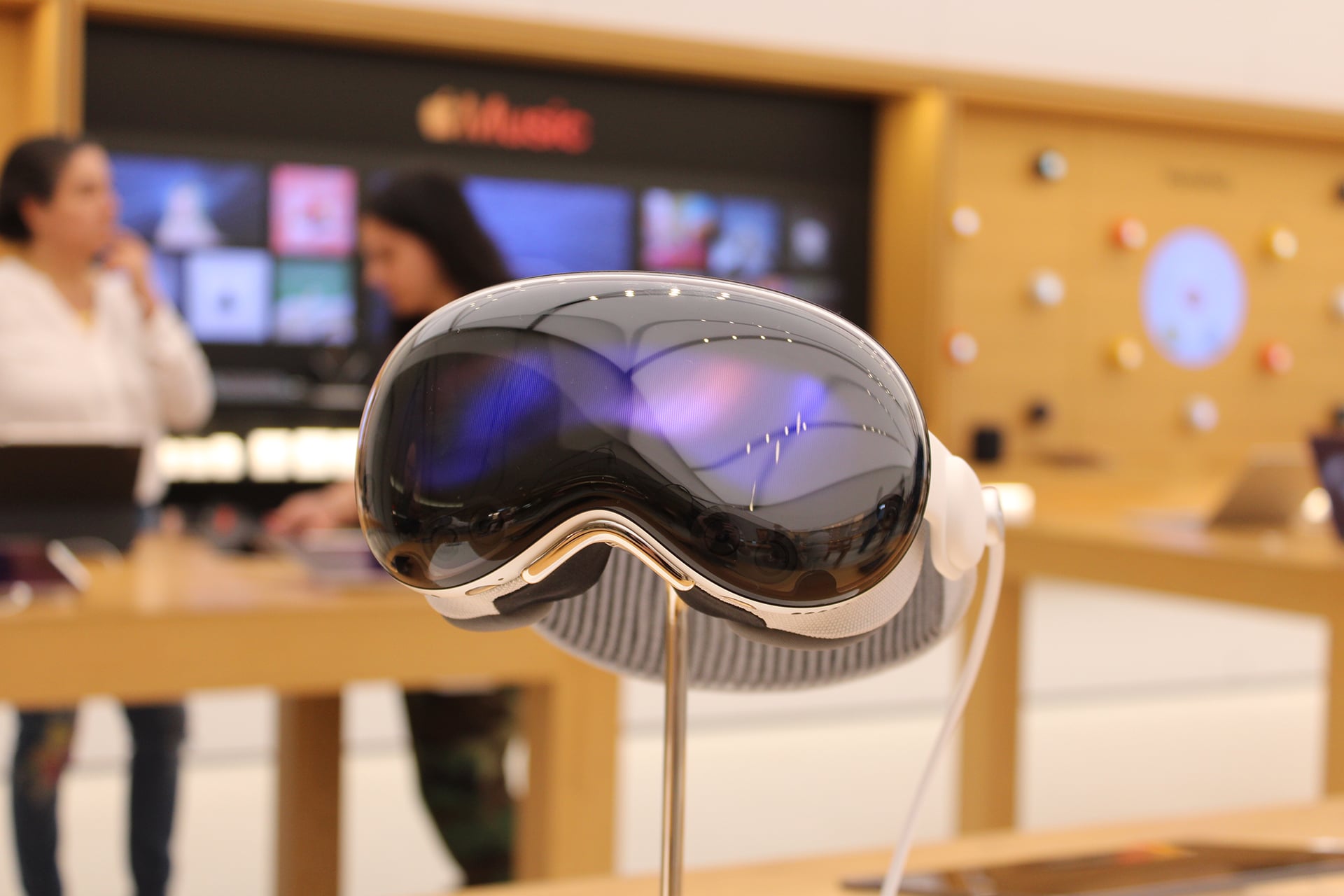
Glasses like the Apple Vision Pro, only in specific mode (Photo: Wikimedia)
“We understand that the normative solution must consider the concrete effect on driving – notably the obstruction of the driver’s field of vision – and the effective damage to traffic safety,” said Abramo. In practice, the amendment includes in article 252 of the CTB the prohibition on the use of any wearable or portable device that obstructs, totally or partially, the driver’s vision in relation to the road – a criterion that applies to current and future technologies.
The prohibition, however, is not absolute. Navigation, driving assistance and assistive technology devices are allowed — the latter especially relevant for people with disabilities — as long as they operate in such a driving mode, without displaying content unrelated to driving and without impairing traffic perception. The regulation will be in charge of the National Traffic Council (Contran).
Outside of traffic, the project also aims at privacy. Manufacturers will have to permanently flag when audio or video recording is active, block third-party facial recognition by default, and carry out a data protection impact assessment before marketing the product, under the supervision of the National Data Protection Authority (ANPD). The use is prohibited in environments with an expectation of privacy, such as bathrooms, locker rooms, hospitals, classrooms and temples, as well as public exams and tests.
The text also inserts crimes in the Penal Code, with imprisonment of two to four years for those who use technology to facilitate crimes or practice illicit surveillance, with a greater penalty if the victim is a child, elderly or disabled person. These points, linked to data and the criminal sphere, were left out of the CVT’s analysis and will be examined by the Science, Technology and Innovation and Constitution and Justice committees before the project goes to the Plenary. To become law, it needs to be approved by the House and Senate; If approved, manufacturers would have 12 months to adapt.
Comments are the sole responsibility of their authors and do not represent the opinion of this site. Comments containing profanity or offensive language will not be published. If you identify anything that violates the terms of use, please report it.