New Hyundai Kona appears without camouflage and gets a look inspired by the electric Ioniq
Leaked images show larger and squarer SUV; unification with the Creta can still yield the basis of the next Chevrolet Tracker
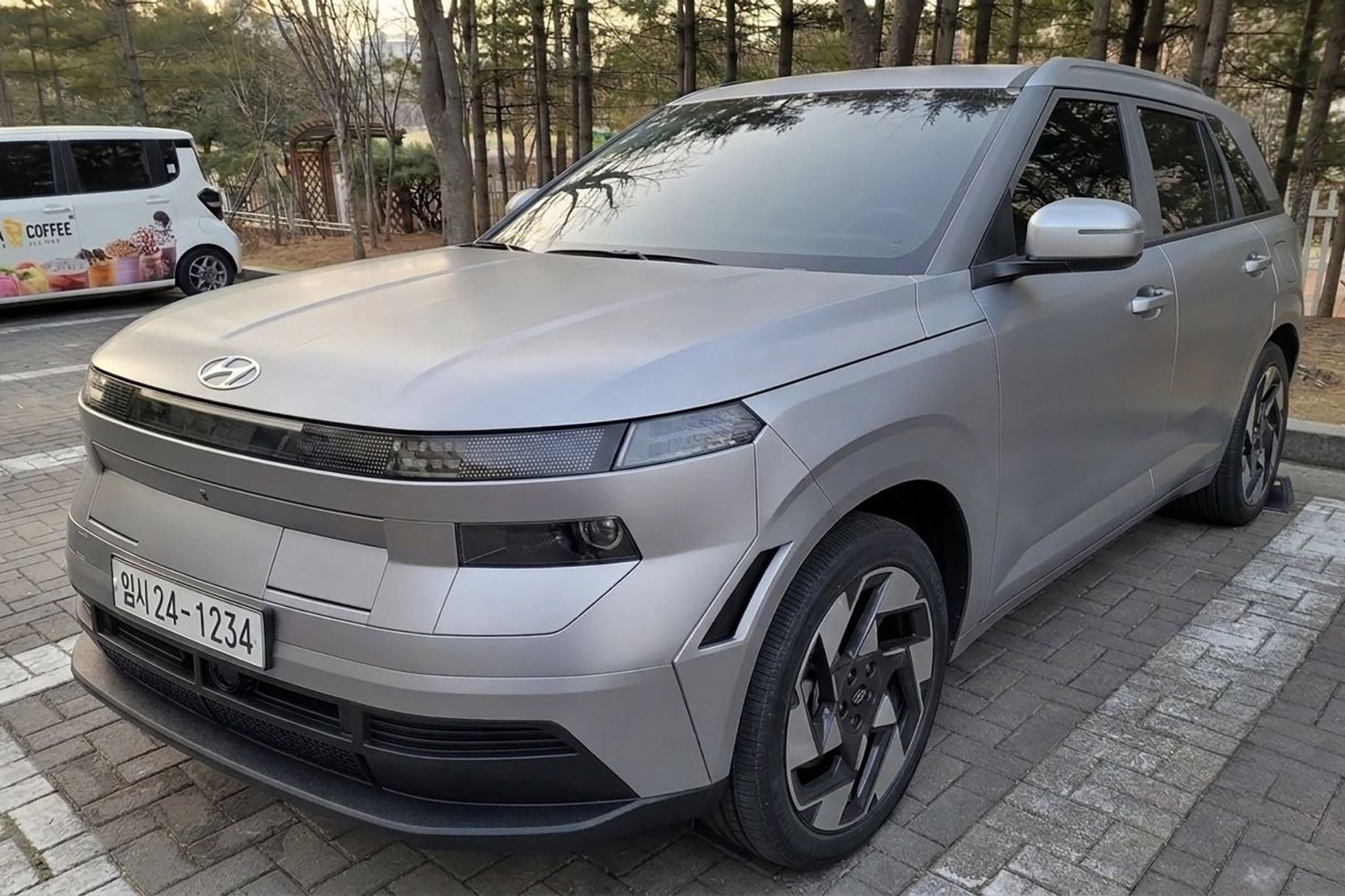
Prototype of the new generation of the Hyundai Kona runs without camouflage and revealed lines that refer to the brand's electric models (Foto: Reprodução)
The next-generation Hyundai Kona appeared completely uncamouflaged in South Korea, in images that circulated on social media and anticipated a much deeper redesign than the usual mid-career restyling. The pre-series prototype displays a taller and more vertical posture, with a design that abandons the fluid lines of the current generation and brings the SUV closer to the identity of the electric cars of the Ioniq family.
At the front, the model preserves the concept of a split optical set, a trademark of the first two generations, but with much smaller main headlights and a thicker upper LED strip, which crosses the front from end to end. Below, the sculpted bumper features reduced air intakes and what appears to be a closed grille.
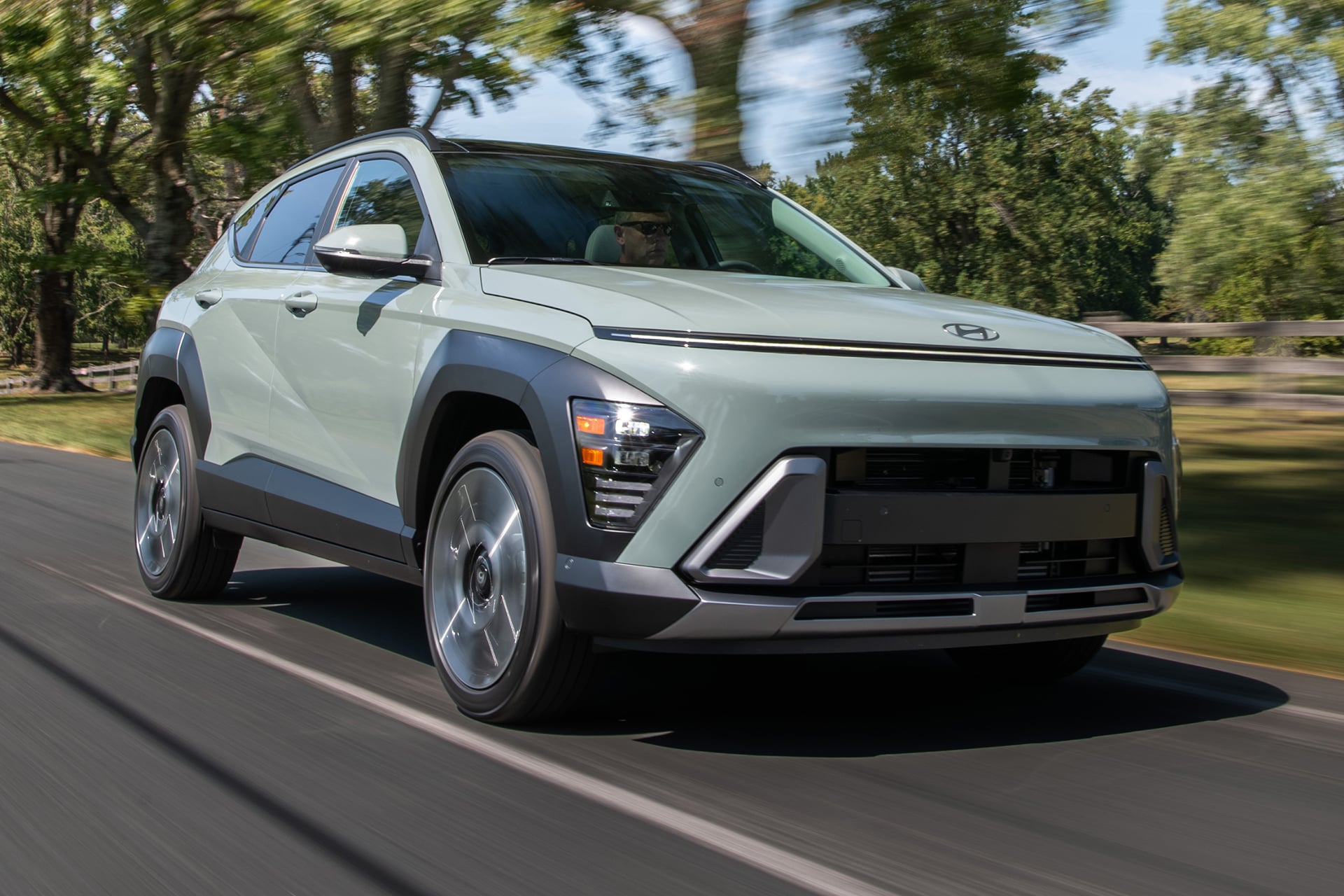
The profile draws attention precisely for what has disappeared: the unpainted plastic appliqués on the wheel arches, which gave the current Kona a more rustic look. Instead, clean surfaces, without the diagonal creases of the output generation, and a discreet two-tone treatment, which contrasts gray columns with the matte silver bodywork. The straight beltline follows to a redesigned and more upright rear.
Current generation of the Hyundai Kona (Photo: Hyundai | Disclosure)
The dimensions have not been confirmed, but the SUV should grow. The current Kona measures 4.35 m in length and the Creta, 4.33 m — while the new-generation Kia Seltos, mechanically related, reaches 4.43 m. A larger size would help the model to establish itself on the border between the subcompact and compact segments in Europe, where it would occupy the space between the Bayon and the Tucson and would face Volkswagen T-Roc, Toyota C-HR, Honda HR-V and Mazda CX-30.
The most relevant point, however, is outside the bodywork. International publications point out that Hyundai intends to merge the Kona and Creta lines into a single global product, a move consistent with the similar size of the two SUVs. The shapes of the prototype refer to the Crater concept, presented in 2025, pointed out as the aesthetic basis of the project.
For Brazil, the decision has extra weight. The Creta is one of the best-selling cars in the country and its third generation, code SX3b, should be born precisely from this unification. There is also the expectation that the structure will be used by General Motors: according to the agreement announced by the two automakers in August 2025, which provides for five models developed together, the next Chevrolet Tracker should derive from Hyundai’s SUV. The first product of the partnership is expected in 2028.
Inside, the expectation is for a digital cockpit with larger screens, in the path already opened by the Ioniq 3, running the new Pleos Connect system, built on Google’s Android. Hyundai should not abandon the buttons, keeping physical commands for frequently used functions.
The engine line should vary according to the market and include a 2.0 aspirated, a 1.6 turbo and a 1.6 self-charging hybrid, with front-wheel drive or all-wheel drive. The all-electric version can be maintained, with the possibility of a system with a range extender. The official debut is expected in the coming months, as the 2027 line.
Comments are the sole responsibility of their authors and do not represent the opinion of this site. Comments containing profanity or offensive language will not be published. If you identify anything that violates the terms of use, please report it.