

Musk may merge SpaceX and Tesla into a $4 trillion conglomerate
Investors and analysts project that the electric car manufacturer will be merged with the owner of the rockets, forming an empire of Elon Musk
By
Eduardo Passos
Published on 2026-06-17 at 03:00 PM
Published on 2026-06-17 at 03:00 PM
Be the first to comment.
Summarize with:
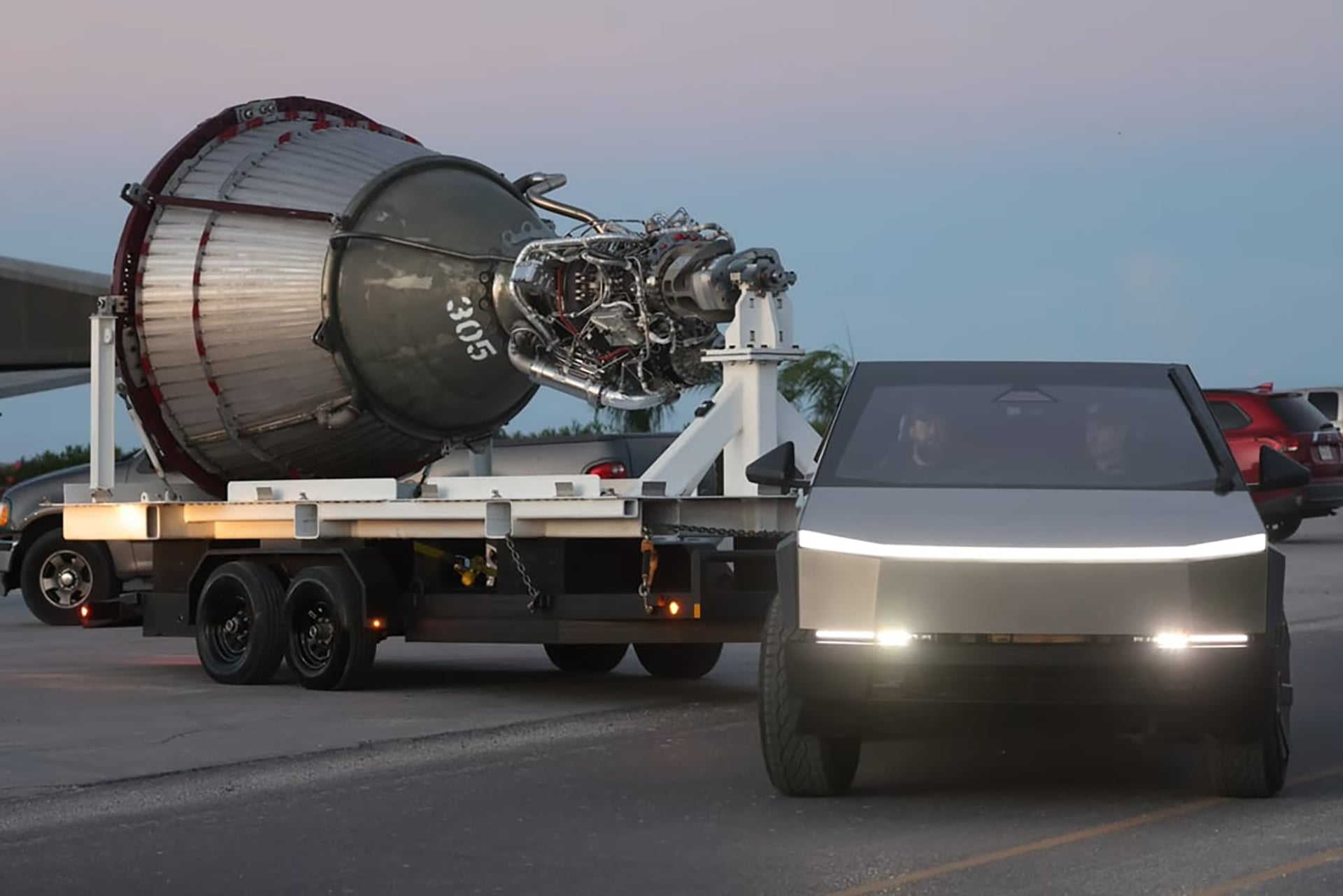
Elon Musk’s next big move may be to merge SpaceX with Tesla, his electric car maker, bringing together most of his business into a single technology conglomerate valued at around $4 trillion — a kind of Elon, Inc. The operation is not confirmed, but, according to The New York Times, it became the bet of much of Wall Street after SpaceX starred in the largest IPO in history.
As Musk controls SpaceX and is Tesla’s largest shareholder, he would be, in practice, negotiating with himself — which tends to generate shares from dissatisfied investors. But there is little they can do, say jurists heard by the newspaper. Both companies are based in Texas, whose legislation makes it difficult to challenge management decisions: to sue the company, it is necessary to hold at least 3% of the shares, something like US$ 45 billion compared to Tesla’s market value of US$ 1.5 trillion.
SEE ALSO:
- China creates regulations that prohibit electric car batteries from catching fire or exploding
- Nissan will have to return the R$ 12.969 charged to the customer for an electrical tape
- Dodge returns to Europe after 14 years and takes the electric Charger and combustion
Under Texas law, two-thirds of Tesla’s shareholders would have to approve the merger. But Musk already controls about 20% of the vote and has a loyal base, which recently endorsed a compensation package of almost US$ 1 trillion for him. At SpaceX, the deal would depend on the endorsement of a single person: Musk himself, owner of more than 82% of the votes. The expectation is that the space company, larger in market value, will exchange its shares for Tesla’s.
The companies already share executives and resources and run billion-dollar projects together, such as the Terafab chip factory and the artificial intelligence software Macrohard. Tesla sold batteries and cars to SpaceX and invested in xAI, which the space company merged into this year. Together, they would form an empire ranging from rockets, Starlink satellite internet and solar energy to electric cars, humanoid robots and data centers in space. For SpaceX president Gwynne Shotwell, the union would make Musk’s life easier. Managers that hold shares in the two, such as ARK, see synergy, but prefer that the merger comes after Tesla takes off in the robotaxi business.
Lawyers, politicians and part of the shareholders should try to stop the deal, even if with small chances. Regulators could raise antitrust or national security objections, since both work in AI, but they are unlikely to act under the Trump administration, to which Musk is a major donor. The biggest risk to the plan, experts say, would be a sharp drop in stocks.
SEE MORE ABOUT

0 Comments
Comments are the sole responsibility of their authors and do not represent the opinion of this site. Comments containing profanity or offensive language will not be published. If you identify anything that violates the terms of use, please report it.