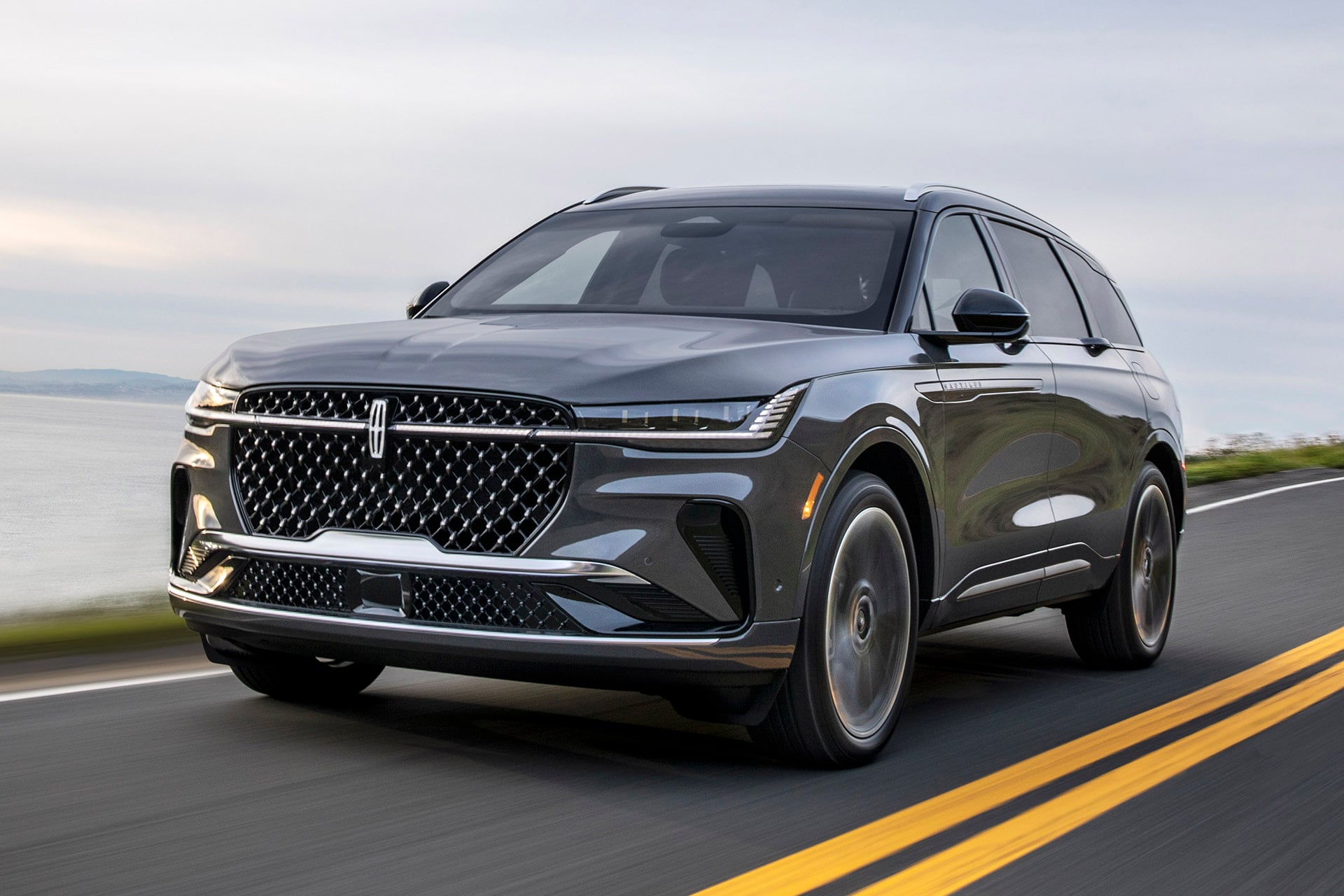
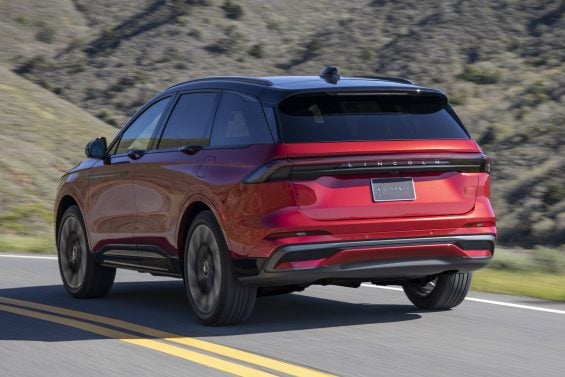
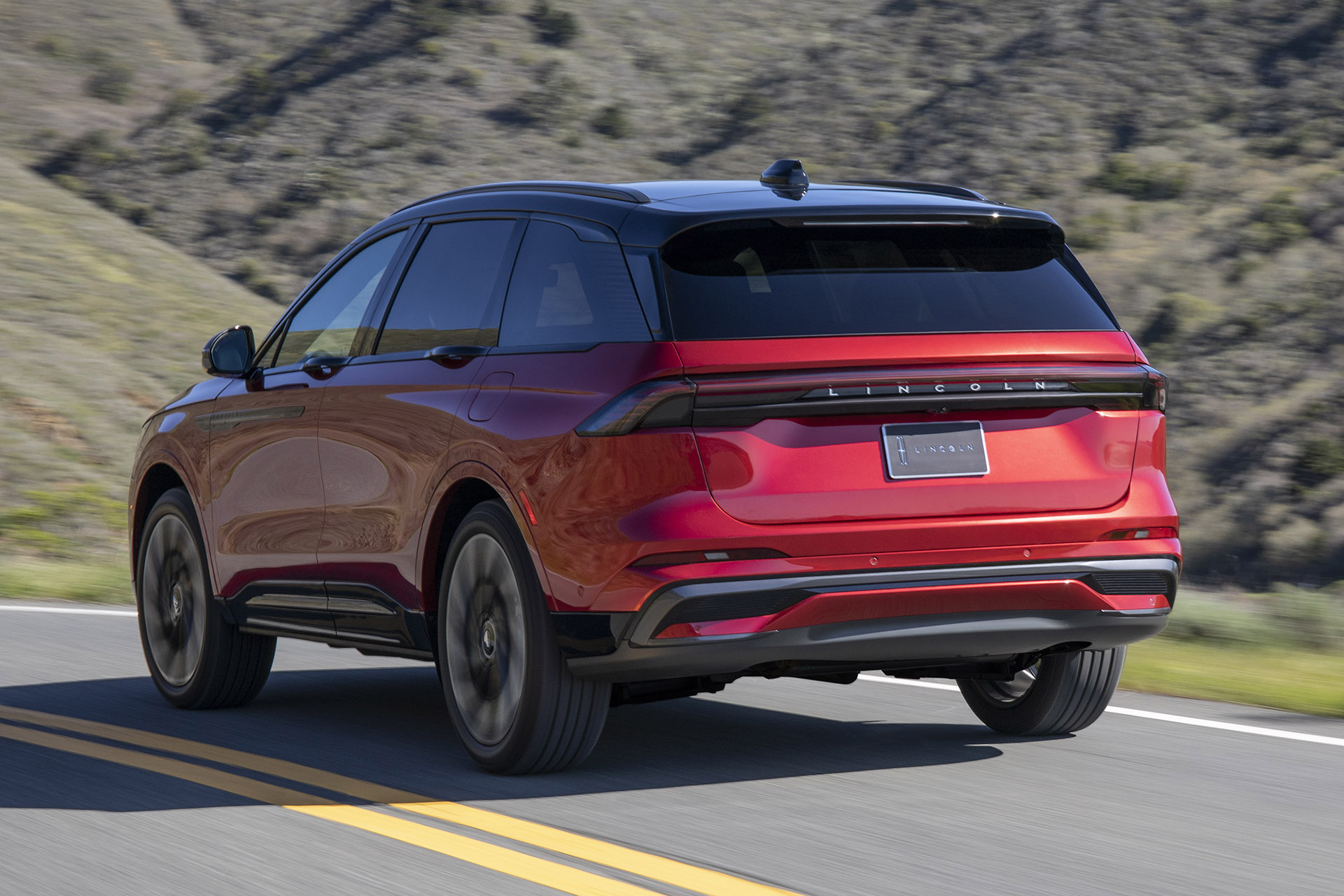
Lincoln, Ford’s luxury brand, is negotiating with the U.S. Department of Commerce to ensure continued sales of the Nautilus, its best-selling midsize SUV in the country. The impasse stems from the new and strict American rules on connected vehicles — and originates from a detail of the production chain: the model is manufactured in China.
In force since 2025, when it was finalized in the last days of the Biden administration, the rule prohibits the sale and import of connected vehicle system hardware and software — and even ready-made connected cars — originating in China and Russia. The objective is to strengthen national security against possible digital vulnerabilities. The software restrictions are already in effect for the 2027 line, while the hardware ones are scheduled for 2030. With the first 2027 models hitting stores, the rule is starting to produce practical effects.
Although the Nautilus software was developed in the United States, the installation of the systems takes place on Chinese soil — which forces Ford to request a special authorization from the government to keep the SUV in American dealerships. Without it, the model could be barred in the next wave of imports. The pressure is not small: the Nautilus was Lincoln’s sales leader last year, with 33,744 units, ahead, by a wide margin, of other models of the brand itself, such as the Corsair (26,566) and the Aviator (24,373).
The case is not exclusive to Lincoln. According to Reuters, several automakers are racing to get the same endorsement and continue selling Chinese models in the country. Volvo already received the green light from the authorities in May. Buick and Polestar, however, face similar difficulties: Buick, which produces the Envision in China, announced that it will take manufacturing to the United States from 2028 — at the Fairfax plant in Kansas, after the end of the Chevrolet Bolt. GM, the brand’s parent company, says only that it is studying “how to conduct the transition plan” until then. Polestar, for its part, has not yet commented on how it intends to comply with the requirement.
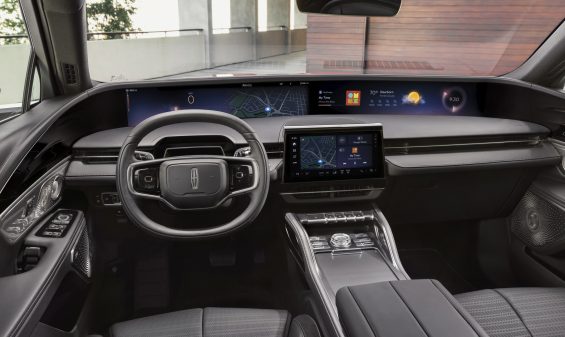
Interior of the Lincoln Nautilus
In favor of Ford plays the calendar. As the import of the 2027 line should only take place in January next year – a deadline considered late for a following year’s model – the automaker has plenty of time to comply with bureaucratic requirements and obtain clearance, before its flagship runs any risk of being banned in the domestic market itself.
Comments are the sole responsibility of their authors and do not represent the opinion of this site. Comments containing profanity or offensive language will not be published. If you identify anything that violates the terms of use, please report it.