Mercedes-Benz has more than doubled its share of Germany’s taxi market in a year, in a move that tries to recover ground abandoned by the brand itself and stop the advance of China’s BYD. Between January and June 2026, the automaker accounted for 18% of new taxis registered in the country, compared to 8% in the same period in 2025, according to the Handelsblatt newspaper.
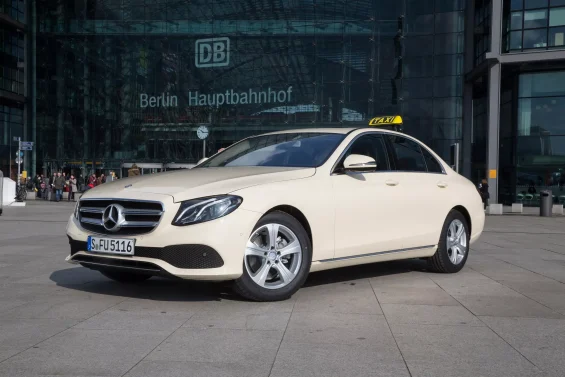
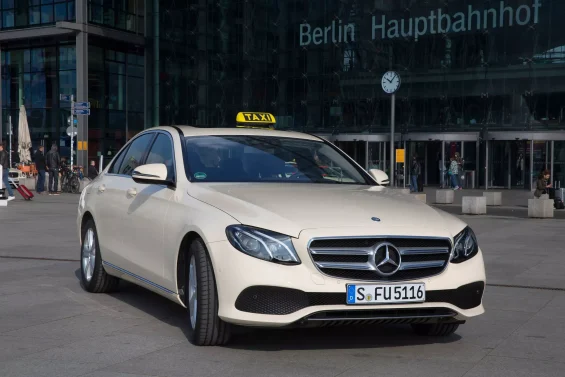
Mercedes was the default supplier to Germany’s nearly 17,000 taxi operators and reached 45% of the segment in 2022, but backed off because it considered margins too tight. The E-Class, for decades the German taxi par excellence, had 72 units registered in the function throughout last year; in the first half of 2026, there were already 126. The country registers between 4,000 and 6,000 taxis per year.
Photo: Mercedes-Benz | Disclosure
Discounts do the heavy lifting
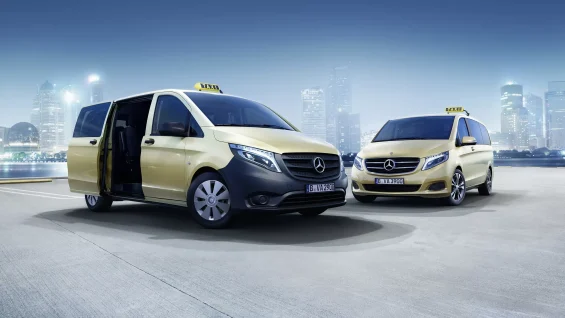
Much of the advance is explained by the table: Mercedes offers a 24% discount to taxi drivers on two diesel versions of the E-Class, which drops the price to less than R$ 242 thousand (40 thousand euros). The promotion would end in July and was extended until the end of the year. The Vito leaves with an 18% discount and a bonus of R$ 36 thousand (6 thousand euros), and the Class V, with a 3% discount and a single payment of R$ 30 thousand (5 thousand euros).
The V-Class is on its way out and will be replaced by the electric VLE, which the brand also wants to see in fleets. The plan comes up against a regulatory detail: in the most spacious configuration, the VLE can exceed 3.5 tons, the ceiling of the category B license in Germany, the same limit as in Brazil.
“Giving up taxis was a fatal mistake,” analyst Frank Schwope told Handelsblatt , referring to Mercedes president Ola Källenius. For him, a fleet of taxis works as a showcase: each ride puts the passenger inside a model that he might never consider buying, an involuntary test drive .
Photo: Mercedes-Benz | Disclosure
BYD’s offensive
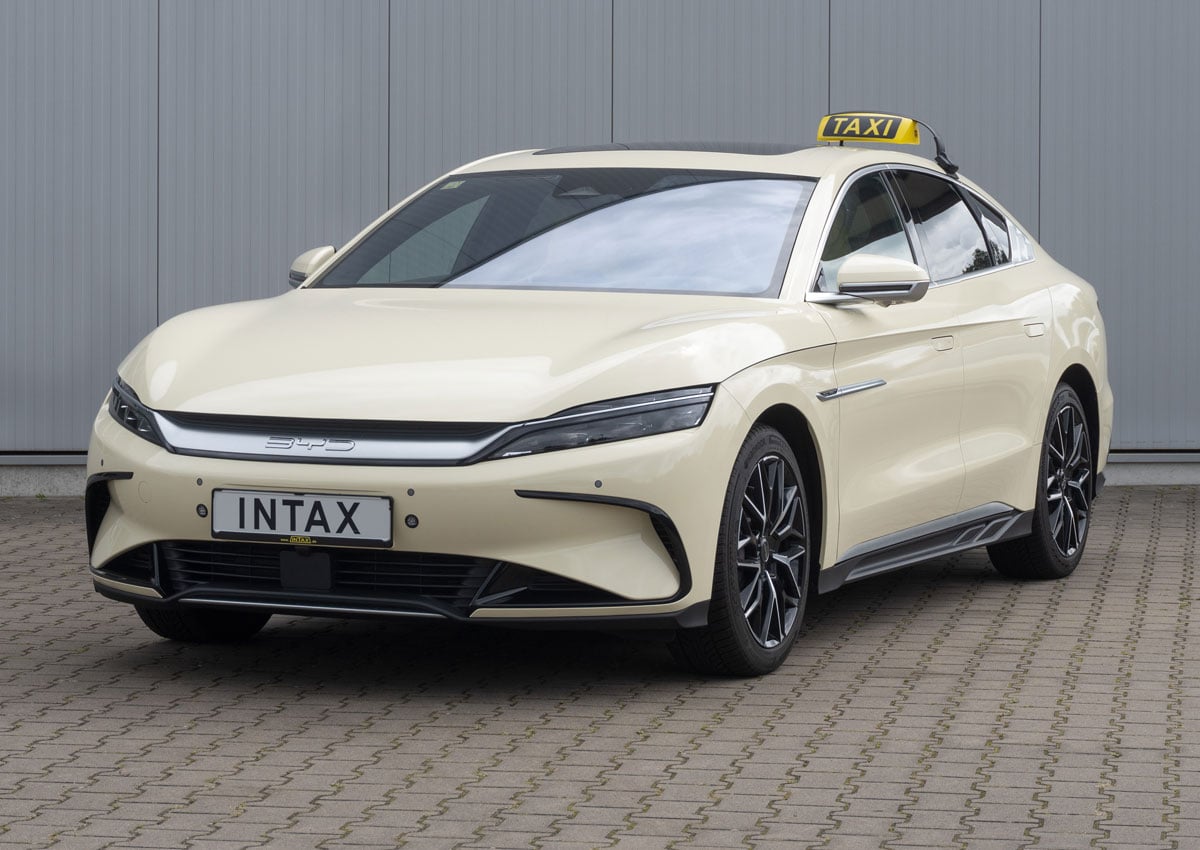
On the other hand, BYD started to treat the segment as part of its growth strategy in the country. The brand sold only ten taxis in the first half of the year, but says it has more than 100 orders and projects about 500 deliveries by December. “Next year, the number in Germany has to be in four digits,” said Carsten Schopf, head of BYD’s corporate sales in the country.
The bait is the price: the Seal 6 hybrid station wagon is offered to operators for less than R$ 181 thousand (30 thousand euros), 37% below the table. The brand also wants to get the Atto 3 and Sealion 7 electric cars among taxi drivers, betting on the growing list of cities that only license zero-emission taxis, such as Hamburg. BYD also hired industry experts from competitors and expanded advertising in the specialized press.
The board, however, remains concentrated. Volkswagen, Toyota and Mercedes-Benz account for 90% of the new registrations, and VW alone accounts for more than half. The most licensed taxi in the country for years has been the Touran, which VW itself has already taken off the line.
Comments are the sole responsibility of their authors and do not represent the opinion of this site. Comments containing profanity or offensive language will not be published. If you identify anything that violates the terms of use, please report it.