Lamborghini baby stroller has automotive leather, Alcantara and costs R$ 20 thousand
Cart features carry carry cots inspired by the hoods of Lamborghini cars, suspension with yellow springs and numbered plate, among other luxuries
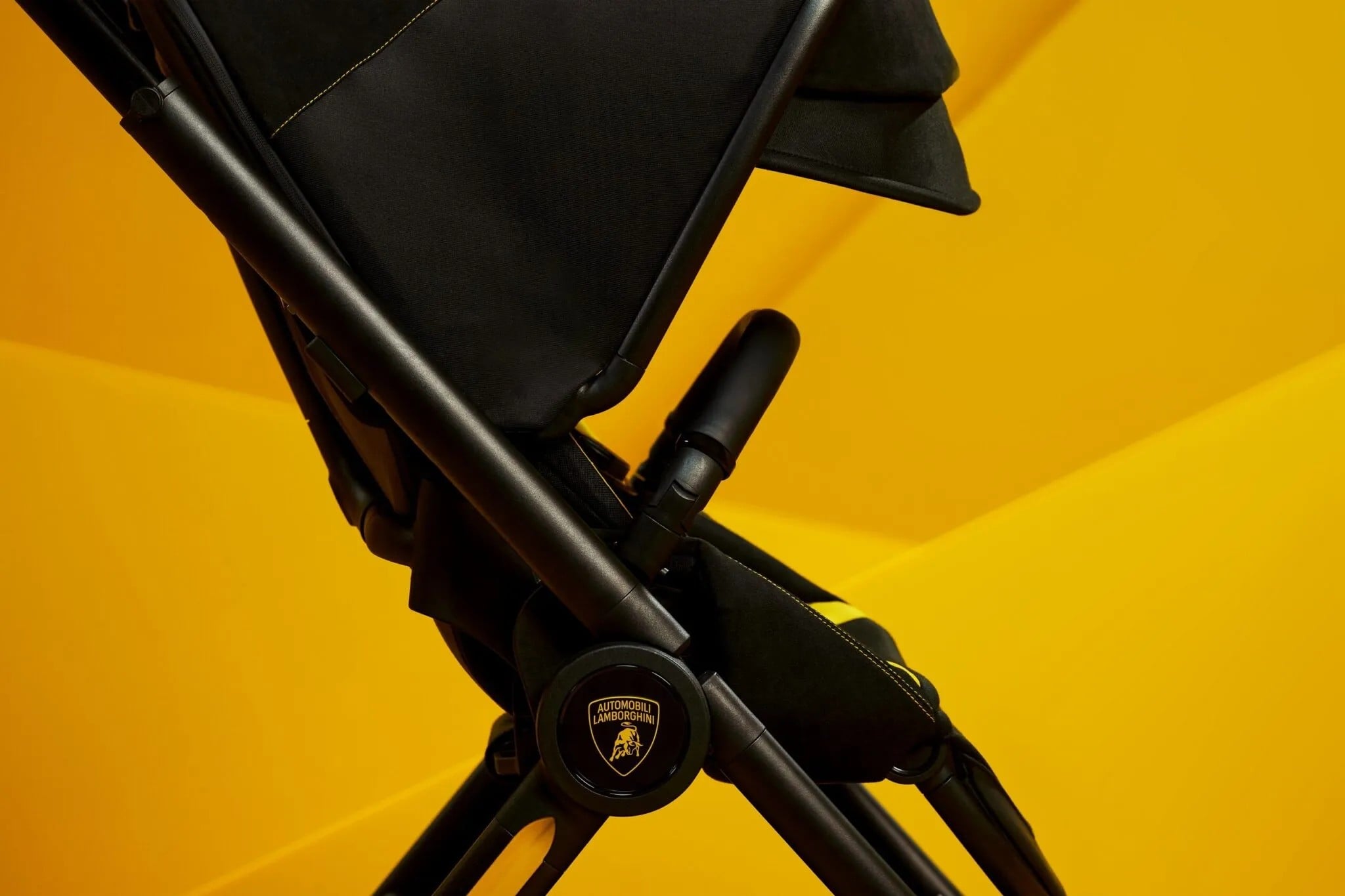
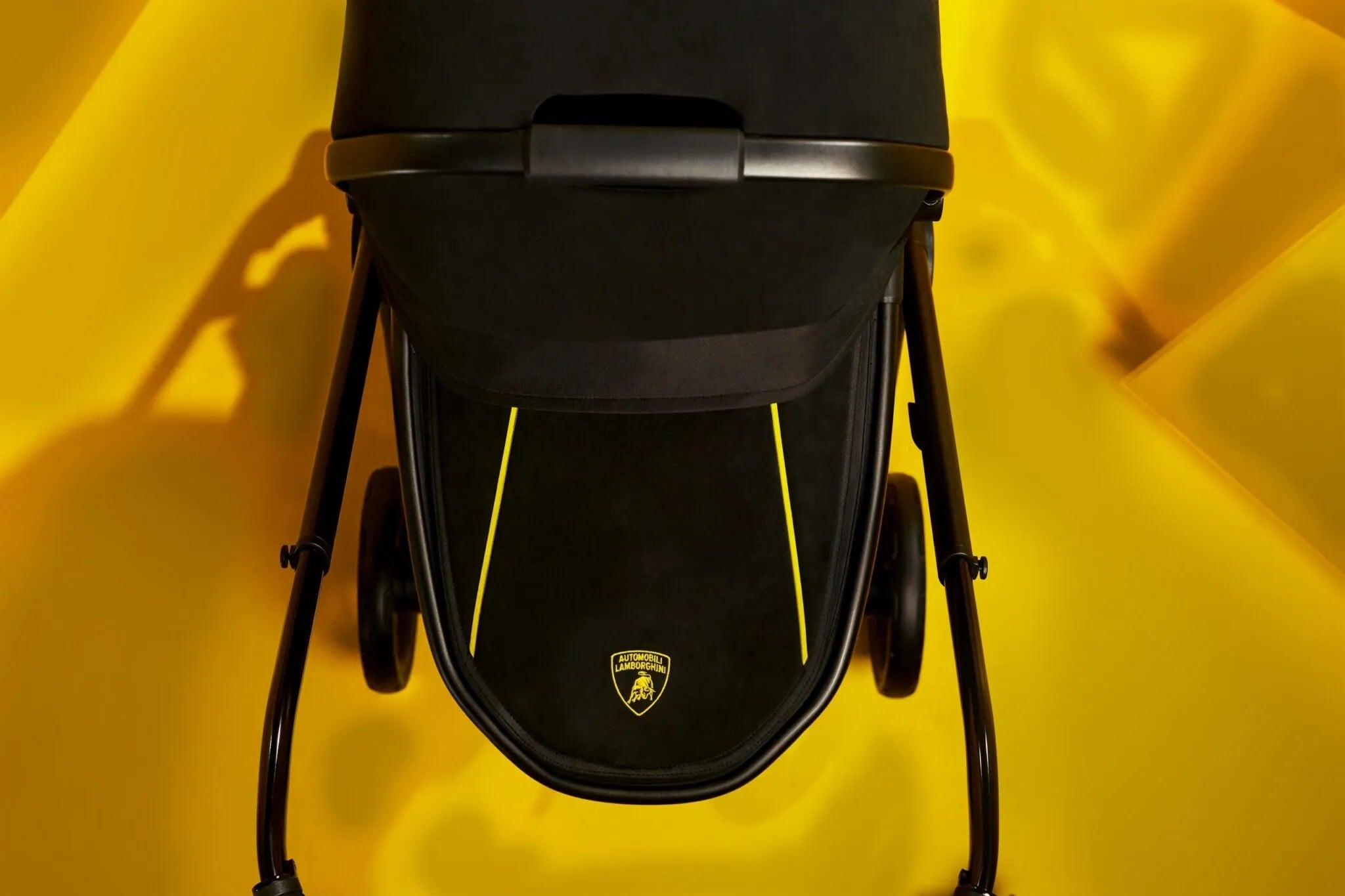
Cart developed in partnership with Silver Cross brings the emblem of the Italian brand and noble materials such as Alcantara (Photo: Lamborghini | Disclosure)
Lamborghini has put on sale the most exclusive product in its current lineup — and it has no engine. In partnership with the British Silver Cross, the Italian manufacturer presented the Reef AL Giallo, a baby stroller limited to 500 units worldwide and sold for US$ 3,995, about R$ 20,5 thousand.
The print run is smaller than that of the brand’s recent super sports cars. The car is rarer than the Revuelto SV, the most powerful Lamborghini ever produced. The model is not sold in Brazil.
Photo: Lamborghini | Disclosure
Automotive leather and Alcantara
The polycarbonate carry cot, with integrated ventilation, is inspired by the lines of the hoods of the brand’s models. The seat combines high-quality suede and natural bamboo fibers, with embossed Y-patterns. The finish uses automotive leather and Alcantara, the same materials used in cars, with bright yellow stitching and piping.
The structure repeats other house codes: leather-covered front skid bar, cast and hand-finished handlebar, brand emblems scattered throughout the set and a brake pedal designed from the pedals of Italian super sports cars.
Photo: Lamborghini | Disclosure
Suspension with exposed
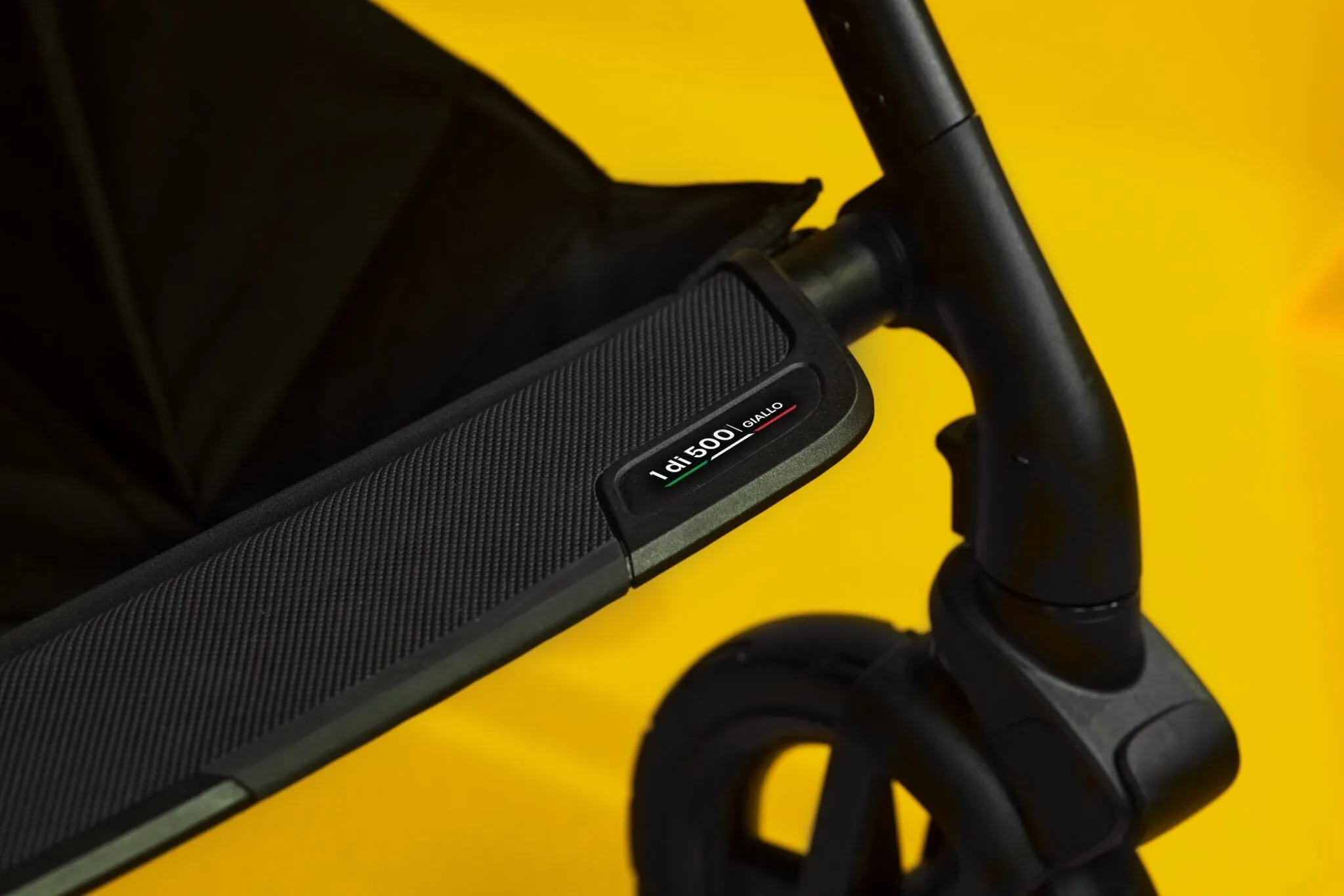
springsTo cushion the bumps of the urban ride, the Reef AL Giallo features multi-terrain wheels and full suspension, with bright yellow exposed springs. The set delivered to the buyer includes two raincoats, mosquito net, parasol, cup holders and a numbered metal plate, which identifies the position of the unit within the series.
Silver Cross and Lamborghini describe the product as a luxury object and a piece of design legacy. The double between high-end automakers and manufacturers of children’s items is not unprecedented: in September 2025, Aston Martin presented a car worth around US$ 3,000 with wheels inspired by one of its super sports cars, and Mercedes-Benz launched its own in December of the same year.
In Brazil, products of this type usually arrive only by individual import, with a final value well above the direct conversion because of taxes and freight.
Comments are the sole responsibility of their authors and do not represent the opinion of this site. Comments containing profanity or offensive language will not be published. If you identify anything that violates the terms of use, please report it.