

Lack of oil at dealerships? Documents reveal Toyota and Nissan’s drastic plan for this scenario
Leaked documents reveal that automakers intend to limit supply to dealerships in the face of global shortages and high prices
By
Júlia Haddad
Published on 2026-05-19 at 10:00 PM
Published on 2026-05-19 at 10:00 PM
Be the first to comment.
Summarize with:
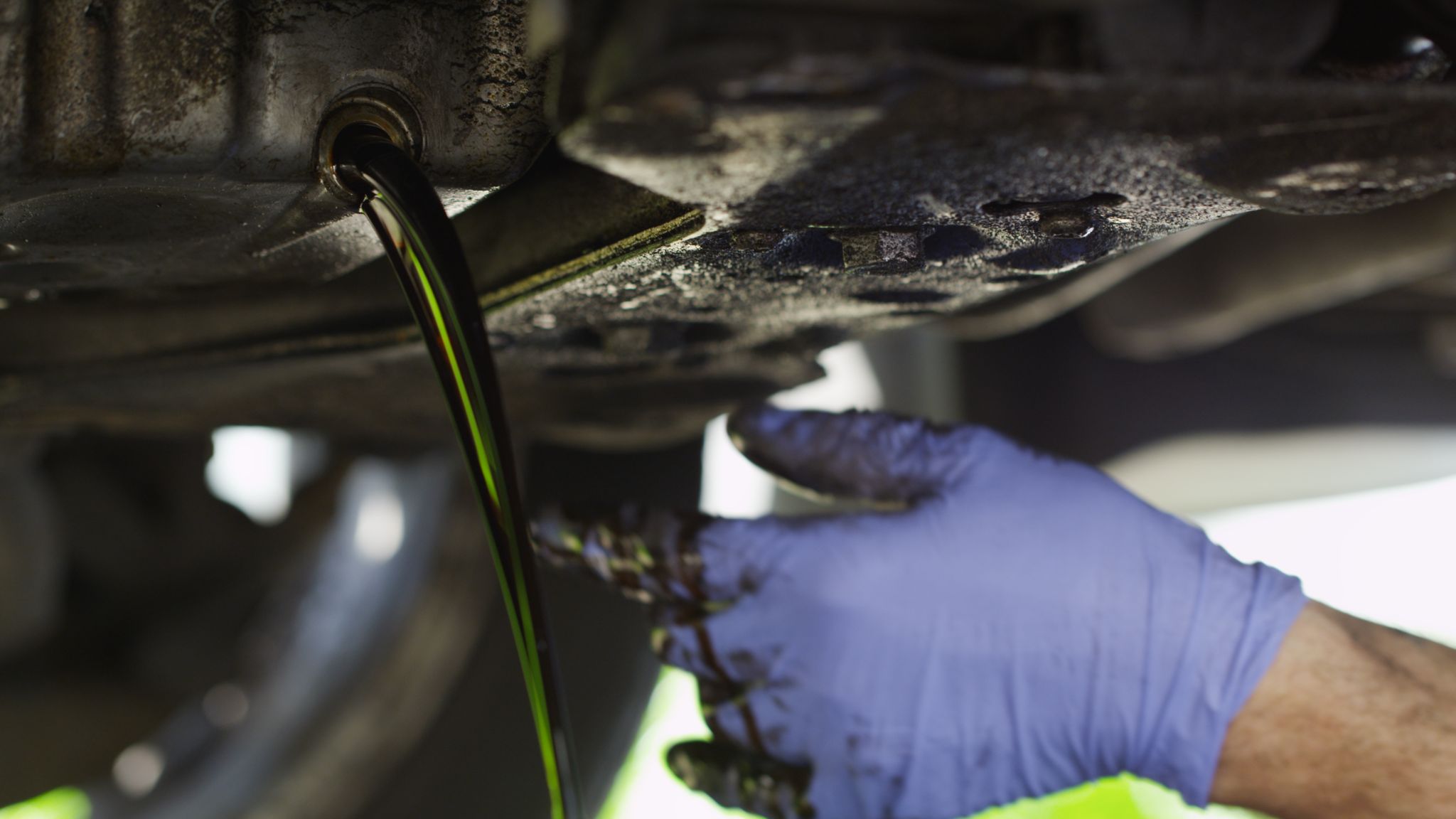
Japanese automakers Toyota and Nissan have begun preparing their U.S. dealership networks for a lubricating oil shortage scenario. The alert was triggered after the leak by the local press of an internal bulletin attributed to Toyota, soon followed by the revelation of a similar document from Nissan. The texts point not only to the imminence of strict rationing, but also to the inevitable passing on of price increases in automotive maintenance services.
The seriousness of the situation materialized when Nissan confirmed the veracity of its document, although it stressed that the material was preliminary and had not yet been officially distributed to shopkeepers. The manufacturer justifies that the automotive sector faces severe global restrictions in the supply of raw materials and refining inputs. This production bottleneck has been intensified by the current geopolitical instability in the Middle East, which directly impacts logistics and the supply chain.
SEE ALSO:
- Audi Q3 gets new generation made in Brazil from R$ 389.990
- New Lada Niva appears in patents after suffering a twist behind the scenes
- Leader in recalls, Ford loses patience and threatens to ban parts suppliers
The preventive measures designed are drastic: the draft of Nissan’s bulletin envisaged limiting the supply of genuine Nissan oil, including variants manufactured in partnership with Mobil, to only 55% of the volume that each dealership purchased in the previous year. The leak also prepares the ground for the authorized network to deal with readjustments in the table of costs imposed by partner refineries.
The epicenter of this imminent crisis revolves around the availability of the “base oil”, the chemical active ingredient that serves as the matrix of lubricants. According to ExxonMobil’s technical explanations, these oils work as the central structure of the final product, which only in a second stage of production receives the additive packages responsible for cleaning and protecting the engines.
The industry’s vulnerability lies in the fact that even oils commercially labeled as synthetic use bases derived from highly refined petroleum. The technical alternative would be to migrate en masse to the use of fully synthetic and independent compounds, such as polyalphaolefins and esters. However, this replacement would substantially increase the cost of manufacturing, consolidating the market’s fear that the transfer will reach the driver’s pocket in the coming months.
SEE MORE ABOUT

0 Comments
Comments are the sole responsibility of their authors and do not represent the opinion of this site. Comments containing profanity or offensive language will not be published. If you identify anything that violates the terms of use, please report it.