

Dangerous economy: the car parts you shouldn’t buy second-hand
From aging tires to worn brakes, the use of second-hand items seems advantageous, but it can compromise the structure of the vehicle and cause accidents
By
Júlia Haddad
Published on 2026-05-19 at 09:00 PM
Published on 2026-05-19 at 09:00 PM
Be the first to comment.
Summarize with:
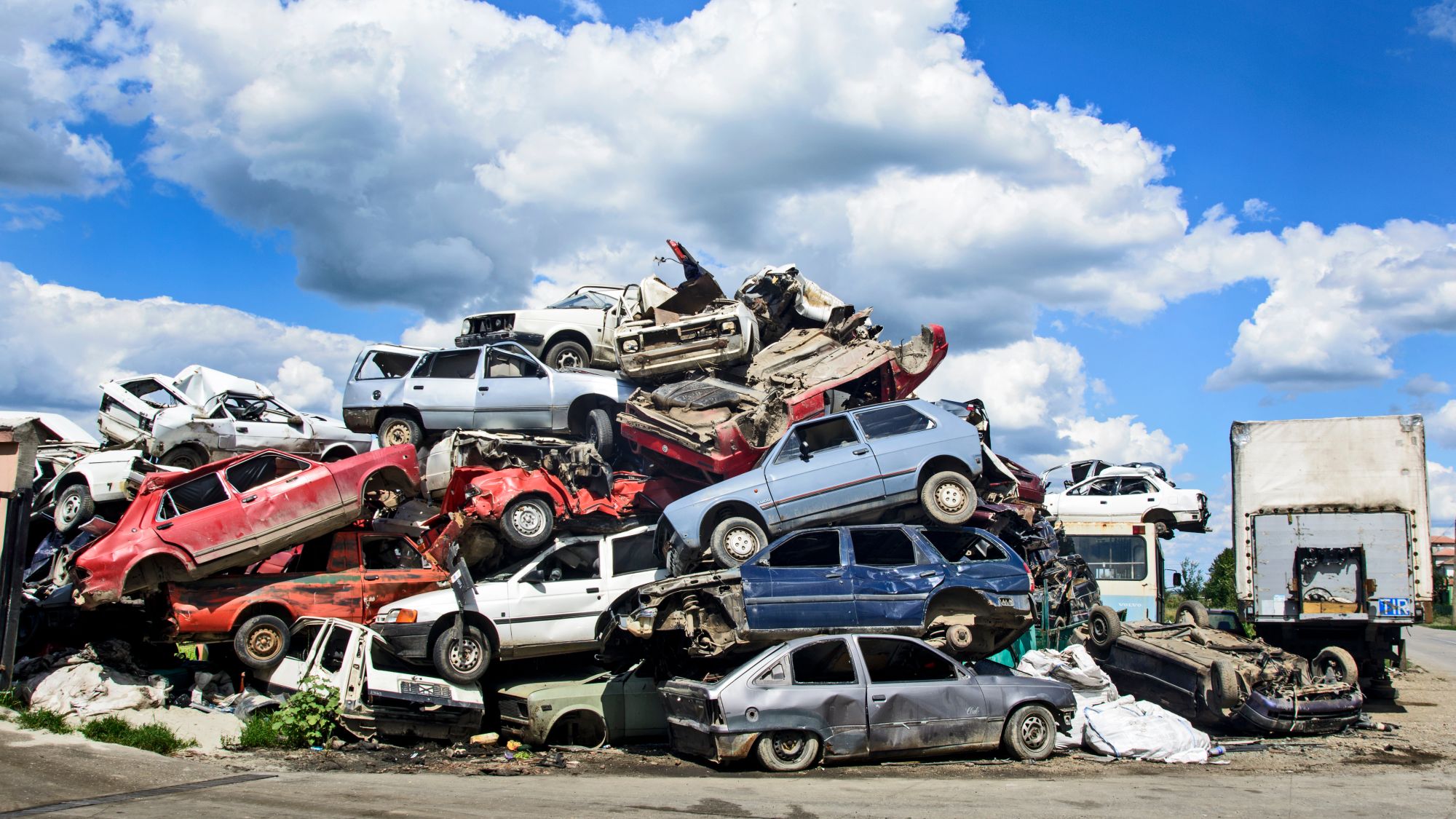
The search for savings in automotive maintenance often leads drivers to junkyards and other second-hand resale points, where finishing items, such as bumpers and mirrors, appear to be a good deal. The risk arises, however, when the attempt to reduce costs advances on safety components. Experts warn that there is a category of parts that should never be bought second-hand, at the risk of compromising the integrity of the vehicle and the lives of the occupants.
The list of restrictions includes tires, brake systems, shock absorbers, springs, airbags and seat belts. The great danger lies in the fact that, even with a good external appearance, these items can hide deep internal wear, severe structural fatigue or a totally unknown history of use.
SEE ALSO:
- Crisis makes Maserati negotiate use of technology and factories in China
- Leader in recalls, Ford loses patience and threatens to ban parts suppliers
- If you drive with an expired driver’s license, you may have your car impounded; understand why
In the case of used tires, the seduction of low price masks structural uncertainties. It is impossible to determine whether the rubber has been inflated incorrectly, supported excess load, or suffered invisible internal damage in potholes. Added to this is the natural aging of the material. Manufacturers such as Bridgestone advise replacement after ten years from the date of manufacture, while Goodyear is more conservative and suggests replacing it within six years, regardless of the depth of the tread.
The brake system, a fundamental pillar to avoid collisions, also requires new parts. Inserts, discs, drums and pipes operate under constant thermal and mechanical stress. Acquiring these parts in dismantling means risking warping, microcracks and deformations that are rarely detectable to the naked eye.
The reasoning applies to the suspension set. Second-hand shock absorbers and springs compromise directional stability and dramatically increase braking distance. A fatigued shock absorber, for example, puts a strain on other vital components. Automakers such as Ford recommend periodic revisions and suggest replacing the part close to the 80,000-kilometer mark.
The maximum alert is for airbags and seat belts. In 2024, the United States Highway Safety Agency (NHTSA) issued a blunt warning about defective or counterfeit airbags installed in the used market, associating them with serious injuries. Seat belts, on the other hand, have their restraint structure irreversibly compromised after a collision, even if the fabric appears intact.
Finally, when evaluating any metallic component, corrosion requires criteria. While a surface oxidation can be treated on bodywork parts, rust in structural areas or attachment points nullifies the original strength of the part, turning what seemed like a good deal into an imminent hazard in traffic.
SEE MORE ABOUT

0 Comments
Comments are the sole responsibility of their authors and do not represent the opinion of this site. Comments containing profanity or offensive language will not be published. If you identify anything that violates the terms of use, please report it.